

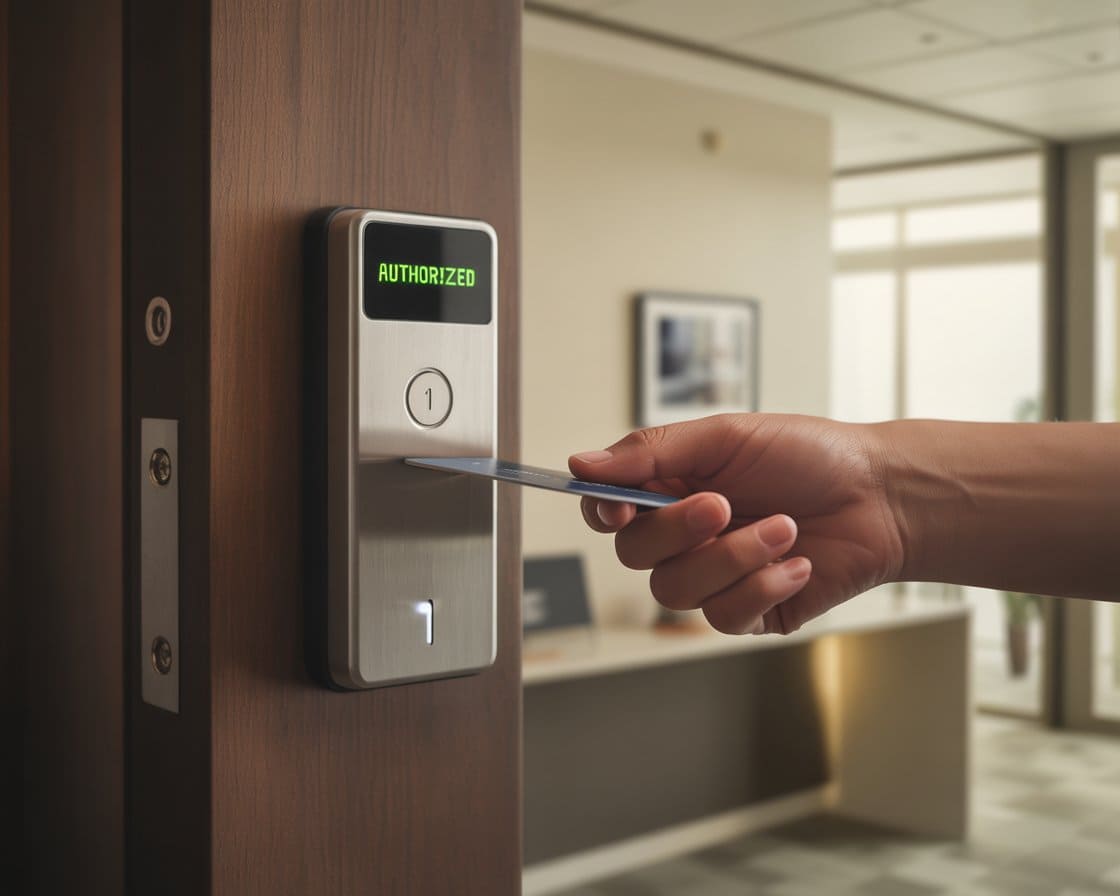
Card reader locks are electronic devices designed to control access by reading data stored on physical cards, integrating advanced authentication technologies such as RFID and NFC to secure entry points in both residential and commercial settings. These systems blend hardware and software components to deliver secure, scalable, and auditable access solutions.
Historical Context and Development
The evolution of access control systems has spanned centuries, transitioning from mechanical locks that relied on metal keys to sophisticated electronic systems capable of storing and processing digital credentials. Early locking mechanisms, such as pin tumbler locks and warded systems, laid the groundwork for innovations that addressed the limitations of physical keys such as theft, duplication, and key loss.
With the advancement of the electronics and computer technologies in the latter half of the 20th century, the concept of card-based access control began to take shape. Initial experiments with early magnetic stripe cards and simple coded entries led to the integration of radio frequency identification (RFID) and near field communication (NFC) technologies. These technologies allowed electronic signals to be transmitted over short distances, thereby enabling the development of card reader locks that could opERAte efficiently within a secure area.
Over time, the integration of advanced encryption protocols further refined these systems. The advent of digital encryption, especially methods like AES (Advanced Encryption Standard), enhanced the reliability and security of data exchange between the card and the reader. This period also saw the gradual convergence of physical security with information security, as system designers incorporated techniques to protect data from interception, tampering, or cloning.
Regulatory bodies soon began setting standards to ensure that the new generation of access control systems met both safety and performance benchmarks. The resultant frameworks have heavily influenced design choices and have driven manufacturers to invest in robust, compliant solutions that are now widely used in modern building infrastructures. Today, card reader locks are ubiquitous, reflecting a balance between technological advancement and regulatory demands.
Theoretical Framework and Definition
Card reader locks function as an intermediary between an individual’s credentials and the physical access control mechanism. Conceptually, these systems adhere to a modular design paradigm wherein various subsystems communicate and collaborate to ultimately make a binary decision: grant or deny access.
Core Components
Reader Module
- Technology Integration: The reader module, which is typically mounted near entry points, utilizes either RFID or NFC to establish a wireless connection with a digital access card. These technologies enable rapid identification when a card is presented within the required proximity.
- Sensor Accuracy: Optimized sensors detect the presence of a card and extract its embedded credentials, relying on electromagnetic fields generated by the reader.
Authentication System
- Data Verification: Upon scanning a card, the system verifies the data against a secure, often encrypted, database. This may involve checking a digital certificate or comparing encrypted tokens.
- Security Protocols: Secure authentication is underpinned by standards such as AES encryption, ensuring that all data transmissions remain confidential and protected from unauthorized access.
Controller Unit
- Decision Making: The controller processes the input from the reader module. It operates based on pre-defined access policies that determine whether the credentials meet the necessary criteria to grant entry.
- Audit Trails: Integrated logging mechanisms capture detailed records of all interactions, creating an audit trail that can be used for security reviews and investigations.
Encryption and Data Protection
- Encryption Protocols: The systems employ robust encryption measures to protect data in transit, ensuring that sensitive information such as user credentials is shielded from potential cyber threats.
- Firmware and Software Security: Regular firmware updates and comprehensive software protocols help to eliminate vulnerabilities and sustain secure operations over time.
System Architecture
The architecture of card reader locks is inherently modular, permitting integration with broader electronic access control systems. This integration facilitates scalability, as multiple units can function as part of a networked system under a unified management interface. The modular structure also allows for the separation of hardware functions from software processes, ensuring that each component can be optimized and refurbished independently.
Terminology and Definitions
- RFID (Radio-Frequency Identification): A technology that uses electromagnetic fields to automatically identify and track tags attached to objects.
- NFC (Near Field Communication): A set of communication protocols enabling two electronic devices to establish communication when within close proximity.
- AES Encryption: A symmetric encryption algorithm used to secure data exchange between digital devices.
- Digital Certificate: An electronic document used to prove the ownership of a public key, ensuring secure communication.
- Audit Trail: A sequential record that provides documentary evidence of the chronological sequence of activities in a system.
Practical Relevance and Applications
Card reader locks are employed in numerous settings to enhance security and streamline access control, offering significant benefits over traditional locking mechanisms. Their applications span residential, commercial, industrial, and institutional sectors.
Residential Applications
In a residential context, card reader locks offer homeowners a modern alternative to traditional key-based systems. The technology allows for keyless entry, reducing the risk associated with lost or duplicated keys. Homeowners can grant selective access to trusted individuals such as family members, service technicians, or caregivers, ensuring that entry rights can be easily updated or revoked as needed.
- Enhanced Convenience: The use of electronic cards eliminates the need for physical keys, ensuring that users can manage access without the hassle of carrying multiple sets of keys.
- Security and Audit Trails: Detailed logs support security audits and ensure that any unauthorized access attempts are quickly identified and addressed.
- Integration with Smart Home Systems: Card reader locks can be seamlessly integrated with other smart home devices, allowing for centralized control of home security features.
Commercial and Institutional Applications
For commercial properties, card reader locks facilitate a higher level of security by managing access on a per-user basis. Facilities managers can restrict entry to sensitive areas, monitor access events, and quickly modify access permissions based on shifting operational requirements.
- Access Control: The ability to define and regulate user access is critical in office environments, industrial plants, and institutional settings. This system supports both one-time access requests and recurring access schedules.
- Compliance: In regulated environments, such as healthcare or education, maintaining precise access logs is essential. Card reader locks ensure that all data is recorded accurately, fulfilling both internal audit requirements and external regulatory standards.
- Operational Efficiency: Centralized management allows for rapid responses to security breaches and helps streamline the process of revoking or granting access in emergency situations.
Industrial Applications
Within industrial and manufacturing settings, card reader locks contribute to both operational safety and security by controlling access to restricted areas such as machinery rooms or hazardous material storage. They are designed to withstand harsh environments and provide reliable performance even under adverse conditions.
- Robust Design: Industrial-grade card reader locks are engineered to endure environmental stresses such as extreme temperatures, moisture, and dust.
- Integration with Industrial Systems: When combined with broader facility management systems, these locks enhance overall operational efficiency by providing real-time monitoring and control.
- Scalability: Their modular nature allows businesses to scale access control systems across multiple sites, ensuring standardized security protocols throughout the organization.
Institutional Applications
Institutions such as schools, hospitals, and government facilities often require robust, flexible access control solutions due to the sensitive nature of their operations. Card reader locks offer these institutions the ability to secure high-traffic areas while maintaining detailed records of access, thus ensuring both safety and compliance.
- Detailed Logging: The audit trails generated by these systems serve as critical records for monitoring access patterns and investigating any security incidents.
- User-Specific Access: The technology supports customized access levels, ensuring that only authorized personnel can enter specific zones.
- Enhanced Coordination: Institutional environments benefit from the integration of these locks with broader security infrastructures, such as video surveillance and emergency notification systems.
Regulatory Standards and Interpretations
Adherence to regulatory standards is essential for the proper functioning and legal deployment of card reader locks. These standards ensure that the systems are secure, reliable, and compliant with local, national, and international norms.
Technical Standards
International and regional standards set specific requirements for the design, performance, and testing of electronic access control systems.
EN 14846
EN 14846 is a European standard that outlines the technical and performance requirements for electronic access control devices. Card reader locks that comply with EN 14846 are evaluated for their resistance to vandalism, interference, and environmental stresses. Conformance with this standard provides a benchmark for security effectiveness and operational durability.
Data Protection Regulations
In addition to performance standards, card reader locks must comply with data protection frameworks such as the General Data Protection Regulation (GDPR) in Europe. These regulations impose strict requirements on the handling, storage, and transmission of personal data. Manufacturers and service providers are obligated to implement robust encryption and data security measures to prevent unauthorized access and data breaches.
Certification and Compliance
Certification processes conducted by recognized bodies validate that card reader locks meet the necessary safety and security requirements. Certification not only verifies that the products perform as intended but also provides assurance to end-users that the system is reliable and secure.
- Quality Assurance: Regular audits and third-party testing are essential to maintain compliance with evolving standards. This is crucial for building trust among users, particularly in commercial and institutional applications.
- Legal Frameworks: The legal acceptance of these systems often hinges on their certification status. Building owners and managers depend on certified products to ensure that their installations will be recognized as compliant with local building codes and security regulations.
Implications for Installers and End-Users
Compliance with regulatory standards influences the installation, maintenance, and operational procedures of card reader locks. Installers must ensure that devices are correctly configured and that all wiring, mounting, and integration tasks adhere to prescribed standards. End-users benefit from enhanced security and operational reliability, but they may also need to factor in additional maintenance requirements to remain compliant over time.
Variants and Classifications
Card reader locks come in various configurations, each designed to meet specific application needs and security requirements. Their classification is generally based on technology, application, and operational features.
Based on Underlying Technology
RFID-Based Systems
RFID-based card reader locks are among the most common variants. They utilize radio waves to communicate with the access card, enabling quick and efficient authentication. These systems are notable for their speed and reliability, largely due to the passive nature of RFID technology, which activates only when a compatible card is within range.
NFC-Based Systems
NFC-based systems offer an enhanced set of features by enabling two-way communication between devices. These locks not only read the card but can also interact with mobile devices that incorporate NFC technology. Such systems are beneficial in environments where dynamic interaction and real-time data processing are essential. Their increased versatility makes them suitable for both standalone applications and integrated access management systems.
Hybrid Systems
Certain systems combine both RFID and NFC capabilities to provide multi-modal authentication. These hybrid systems allow users to benefit from the fast response of RFID while also leveraging the versatility of NFC for detailed data interactions. By integrating these technologies, hybrid card reader locks offer higher flexibility and can be customized to meet diverse security needs.
Based on Application
Standalone Systems
Standalone card reader locks are designed primarily for isolated applications, such as single-entry doors in a private residence. They function independently without the need for integration into a networked system, making them suitable for scenarios where complex access management is not required.
Integrated Systems
In contrast, integrated systems are part of a larger security network and are controlled centrally. These systems are prevalent in commercial buildings, campuses, and institutional facilities where multiple access points must be managed simultaneously. The integration facilitates real-time monitoring, remote control, and comprehensive audit trails that enhance overall security management.
Mobile Integrated Systems
A recent development in card reader lock technology is the incorporation of mobile integration. In these systems, credentials can be stored and managed on mobile devices, allowing for a seamless amalgamation of digital and physical security. Mobile integration enhances user convenience and supports advanced functionalities such as geofencing and real-time notifications of access events.
Operational Classifications
Fixed Systems
Fixed card reader locks are installed permanently into building entry points. They are designed to offer long-term reliability and are often used in settings where consistent, reliable access control is paramount. Their fixed installation also allows for enhanced protection against physical tampering and environmental factors.
Portable Systems
Although less common, portable card reader locks are available for temporary or mobile applications. These locks are engineered to be easily installed and removed, catering to scenarios like temporary event security or short-term leasing arrangements, where permanent installation is not feasible.
High-Security Variants
High-security variations of card reader locks are implemented in environments where the risks associated with unauthorized access are elevated. These variants incorporate additional layers of encryption, multi-factor authentication, and advanced tamper detection mechanisms to provide superior protection against both physical and cyber threats. They are predominantly used in government facilities, financial institutions, and high-risk industrial sectors.
Card reader locks intersect with various fields that contribute to a broader understanding of security and access control. Their multidisciplinary nature reflects the convergence of physical security, digital communication, regulatory compliance, and operational efficiency.
Electronic Access Control Systems
Card reader locks are integral components of modern electronic access control systems. They work alongside biometric devices, keypad entry systems, and smart intercoms to provide a comprehensive security solution. When integrated into a centralized system, these devices allow for cohesive management of multiple access points, enabling real-time monitoring and enhanced control over entry events.
Digital and Information Security
Given the digital nature of card reader locks, their functionality relies heavily on principles from the realm of digital and information security. Encryption, data integrity, and secure communication channels are critical to protecting user data and preventing unauthorized access. These systems are deeply connected to cybersecurity practices, including vulnerability assessments, secure software development, and ongoing monitoring for potential breaches.
Building Management Systems
In the context of modern infrastructure, card reader locks are often integrated with building management systems (BMS). This integration allows for the synchronization of access control with other operational facets, such as lighting, heating, and emergency response. A BMS that incorporates card reader locks can leverage detailed audit logs and data analytics to optimize building security and operational efficiency, making it an indispensable component of comprehensive facility management.
Legal and Regulatory Studies
The deployment of card reader locks is governed by an intricate web of legal and regulatory considerations. These legal frameworks ensure that these systems maintain high standards of safety and privacy. Key areas of legal focus include compliance with data protection laws (such as GDPR), adherence to physical security standards (like EN 14846), and meeting local building regulations. The evolution of these legal frameworks has directly influenced how manufacturers design and certify their products, ensuring that card reader locks remain both reliable and compliant.
Installation, Maintenance, and Troubleshooting
The performance and longevity of card reader locks are significantly influenced by proper installation, regular maintenance, and effective troubleshooting practices. Each stage of the operational lifecycle is designed to ensure that the systems function optimally in a variety of environments.
Installation Practices
The installation process for card reader locks is a multi-step procedure that requires precision and compliance with regulatory standards:
Pre-Installation Assessment
- Site Survey: Evaluate the entry point to determine optimal reader placement, ensuring the hardware is sheltered from environmental factors and physical tampering.
- Wiring and Connectivity: Plan the routing for power supply and network cables, ensuring that the installation complies with local electrical and building codes.
- Compatibility Check: Verify that the chosen lock system is compatible with existing building management systems, allowing for integrated operation.
Mechanical and Electrical Installation
- Mounting: Securely mount the reader module in a location that maximizes its operational efficacy while minimizing exposure to potential damage.
- Electrical Integration: Connect the lock to a stable power source, and ensure that any necessary network connectivity is reliably established.
- Configuration: Program the device with the latest firmware updates, configure authentication protocols, and conduct initial tests to verify system responsiveness.
Quality Assurance
- Testing: Conduct comprehensive tests to confirm that the system accurately reads credentials and that the authentication process functions without errors.
- Documentation: Record configuration settings and installation details to facilitate future troubleshooting and maintenance efforts.
Maintenance Protocols
regular maintenance is essential to sustain the performance of card reader locks over time. Recommended maintenance practices include:
Routine Inspection
- Physical Cleaning: Regularly clean the reader surface and sensors to prevent dust and debris from interfering with operational performance.
- Wear and Tear Check: Inspect mechanical and electrical components for signs of wear or damage, replacing parts as necessary.
- Firmware Updates: Periodically update the device firmware to address security vulnerabilities and improve system functionality.
Scheduled Preventive Maintenance
- Sensor Calibration: Perform routine calibrations to ensure that sensors remain precise and responsive under varying environmental conditions.
- System Diagnostics: Execute self-diagnostic tests to detect and resolve minor faults before they escalate into major issues.
- Backup Verification: Test backup protocols, confirming that the system maintains functionality during power interruptions or network failures.
Troubleshooting Procedures
In the event of operational issues, a systematic approach to troubleshooting can be employed:
- Symptom Analysis: Identify specific symptoms, such as the reader failing to detect a card or delays in processing authentication.
- Component Isolation: Determine whether the problem lies within the hardware (e.g., sensor malfunction) or the software (e.g., outdated firmware).
- Corrective Action: Implement targeted solutions, including recalibration, component replacement, or software reconfiguration.
- Verification: After corrective measures are applied, rigorously test the system to verify that the issue has been resolved and that performance metrics have returned to acceptable levels.
Benefits and Limitations
Card reader locks present a variety of benefits that make them an influential component in modern access control, though they are not without challenges.
Benefits
The advantages of card reader locks are multifaceted and contribute significantly to the overall enhancement of security systems:
- Security Enhancement: By eliminating the need for physical keys, these systems mitigate the risks associated with unauthorized duplication and loss. The use of digital credentials and encrypted communication reduces susceptibility to physical breach methods.
- Comprehensive Audit Trails: The ability to log every access attempt creates a detailed audit trail, aiding administrators in monitoring usage and conducting post-incident analyses. This transparency supports improved accountability and enhanced security measures.
- Efficient Access Management: Card reader locks facilitate rapid updates to access credentials, allowing administrators to quickly modify permissions in response to changing needs. This efficiency is particularly critical in environments with high turnover or dynamic security requirements.
- Integration Capabilities: These systems easily integrate with broader access control frameworks and building management systems. This integration supports centralized monitoring and remote management, streamlining security protocols across multiple entry points.
- Flexibility in Deployment: Available in both standalone and integrated configurations, card reader locks can be adapted for a wide range of applications. Whether installed as isolated devices or part of a networked solution, they offer scalable security enhancements.
Limitations
Despite their numerous benefits, card reader locks also present several limitations:
- Cybersecurity Vulnerabilities: As digital devices, card reader locks are susceptible to cyber-attacks if encryption protocols or firmware security measures are compromised. Continuous vigilance in terms of updates and vulnerability management is necessary.
- Infrastructure Dependencies: These systems rely on stable power supplies and network connectivity; any disruptions in these areas can lead to operational failures or reduced system responsiveness.
- Installation Complexity: The technical installation and configuration of card reader locks necessitate specialized expertise. Without proper installation, the advantages of enhanced security and streamlined access management may not be fully realized.
- Maintenance Requirements: Ongoing maintenance, including regular cleaning, firmware updates, and sensor calibrations, is imperative to prevent performance degradation. The operational costs associated with such upkeep can be significant over time.
- Higher Initial Investment: Advanced access control systems that leverage card reader locks typically entail higher upfront costs compared to traditional locks, which can influence decision-making in budget-constrained environments.
Safety, Reliability, and Best Practices
Ensuring the safety and reliability of card reader locks requires rigorous adherence to best practices across installation, maintenance, and operational protocols. Employing systematic risk mitigation strategies and adhering to regulatory standards is essential for long-term performance.
Risk Mitigation and System Resilience
- Redundancy Measures: Implementing backup systems ensures that access remains uninterrupted even if the primary system fails. Redundancy can include secondary power supplies or alternative entry methods.
- Regular Security Audits: Scheduled audits help to uncover potential vulnerabilities within the system before they can be exploited. These audits often involve penetration tests and compliance checks.
- Strict Configuration Controls: Careful configuration of encryption protocols, user authentication parameters, and firmware settings minimizes the risk of unauthorized access.
- User Education: Training for administrators and users is vital to ensure that the correct operational procedures are followed and that any irregularities are promptly reported.
Data and Physical Security
- Encryption and Digital Security: Robust encryption protocols safeguard all data transmitted between the reader, authentication system, and controller. This is critical for maintaining the integrity of access credentials and preventing data breaches.
- Physical Protection Measures: The physical design of card reader locks, including tamper-resistant enclosures and secure mounting techniques, is essential to protect against vandalism and forced entry.
- Firmware and Software Management: Consistent updates to firmware and software are vital to patch vulnerabilities and enhance functionality. Manufacturers and service providers must prioritize security patches as part of regular maintenance cycles.
- Access Logging: Comprehensive logging of all access attempts, successful or otherwise, allows for detailed tracking and forensic analysis in the event of a security incident.
Operational Best Practices
- Standardized Installation Procedures: Adhering to industry-recognized installation guidelines ensures that card reader locks are mounted securely and function as intended. Detailed installation protocols facilitate consistency across different sites.
- Preventive Maintenance Schedules: Establishing and following strict maintenance schedules, including periodic cleaning and calibration of sensors, can greatly enhance the operational longevity and reliability of the system.
- Systematic Troubleshooting Approaches: Developing clear, methodical troubleshooting procedures enables rapid identification and resolution of operational issues. This includes continuous monitoring and diagnostic testing to preempt system failures.
- Comprehensive Documentation: Maintaining detailed records of installation configurations, update logs, and maintenance activities provides invaluable data for technical support and facilitates future system upgrades.
The operation and effectiveness of card reader locks are enhanced through their integration with a broader array of technologies and practices in the fields of security, building management, and digital data protection.
Electronic Access Control Systems
Card reader locks function as critical components within integrated electronic access control systems. These systems consolidate various technologies—including biometric devices, keypad entry systems, and video intercoms—into a unified framework that manages access across multiple points. The synergy gained through networked integration results in improved monitoring, centralized control, and enhanced overall security.
Digital and Information Security
Given that card reader locks rely on digital communication, they are intrinsically linked to principles of information security. Techniques such as secure data encryption, network security protocols, and continual firmware audits play a vital role in protecting the integrity of the system. This alignment with digital security practices underscores the importance of preventing unauthorized access and ensuring that all transmitted data remains protected.
Building Management and Infrastructure Integration
Modern building management systems (BMS) integrate card reader locks with other critical systems such as climate control, lighting, and emergency response. These integrations allow for holistic management of building operations. Card reader locks contribute valuable data to BMS, facilitating real-time monitoring, streamlined resource allocation, and coordinated emergency responses. In turn, this integration enhances the efficiency and resilience of the overall infrastructure.
Regulatory and Legal Intersections
Card reader locks must operate within strict regulatory frameworks that govern both physical security and data privacy. Legal considerations mandate that these systems meet precise standards regarding performance, installation, and maintenance. The enforcement of regulations such as the General Data Protection Regulation (GDPR) and technical standards like EN 14846 ensures that these devices maintain both functional and legal integrity. This intersection of technology and law forms the bedrock upon which secure access systems are constructed.
Installation, Maintenance, and Troubleshooting
The successful deployment of card reader locks hinges on rigorous adherence to installation protocols, proactive maintenance initiatives, and systematic troubleshooting. These operational practices are integral to preserving the functionality and reliability of the access control system.
Installation Practices
- Pre-Installation Survey:
- Conduct thorough assessments of the installation site, considering factors such as natural lighting, weather conditions, and proximity to power sources.
- Evaluate the existing infrastructure to ensure compatibility with digital access systems.
- Mechanical Installation:
- Secure the reader module in a fixed position using tamper-resistant mounting hardware.
- Ensure that the device is positioned to optimize read accuracy and minimize exposure to environmental hazards.
- Electrical and Network Integration:
- Connect the card reader to a stable power supply and verify that data connectivity with central control systems is reliable.
- Follow standardized wiring diagrams and installation manuals as specified by the manufacturer and local regulatory requirements.
- Configuration and Testing:
- Upon installation, load the latest firmware and configure the system’s settings according to security policies.
- Perform comprehensive tests to ensure that the system accurately reads cards, processes authentication, and logs access events properly.
Maintenance Protocols
- Regular Physical Inspections:
- Schedule periodic inspections to check for signs of damage, wear, or obstructions such as dust and debris on the sensor surfaces.
- Clean the hardware components using manufacturer-approved methods to maintain optimal performance.
- Firmware and Software Updates:
- Regularly check and apply firmware updates to address any known vulnerabilities and to enhance functionality.
- Ensure that software configuration settings remain aligned with current security protocols.
- Preventive Calibration:
- Perform sensor calibrations periodically to confirm that the reader’s detection thresholds remain within designed specifications.
- Document calibration outcomes to track changes and to predict future maintenance needs.
- Systematic Diagnostic Tests:
- Conduct self-diagnostic tests to identify any anomalies in data transmission, sensor responsiveness, or power supply integrity.
- Utilize diagnostic logs to preempt potential system failures and to implement corrective measures promptly.
Troubleshooting Strategies
- Problem Identification:
- Clearly define the symptoms of the issue, whether it involves delayed card reading, data transmission errors, or malfunctioning actuators.
- Component Isolation:
- Determine whether the root cause lies in the reader module, the controller unit, or the interfacing software.
- Step-by-Step Resolution:
- Address issues one component at a time, starting with the simplest potential fault such as physical obstructions or software misconfigurations.
- Recalibrate sensors or update firmware as needed, documenting each step of the process.
- Verification and Testing:
- After implementing corrective actions, conduct rigorous testing to ensure the system operates within expected parameters.
- Reiterate the diagnostic process until the performance metrics satisfy the established standards.
Benefits and Limitations
Card reader locks bring a range of advantages to modern security systems while also presenting certain challenges inherent to their digital nature. Understanding these benefits and limitations is crucial for making informed decisions regarding their deployment and management.
Benefits
- Enhanced Security through Electronic Authentication:
By replacing physical keys with electronic credentials, the risk of unauthorized key duplication is significantly reduced. The use of advanced encryption methods ensures that only authorized users can gain access. - Comprehensive Audit Capabilities:
Electronic access control systems generate detailed logs of every access event, which provides an invaluable audit trail for monitoring and investigating security incidents. - Flexible Access Management:
Administrative controls allow for rapid modifications to user access rights, making these systems particularly advantageous in dynamic environments where access needs frequently change. - Remote Monitoring and Centralized Control:
Integration with networked systems enables facilities managers to monitor, control, and update the system remotely, contributing to operational efficiency and improved incident response. - Scalability and Integration:
The modular design of card reader locks allows them to be scaled across multiple sites and integrated seamlessly with other access control devices, supporting a comprehensive approach to security.
Limitations
- Exposure to Digital Threats:
Despite robust encryption, card reader locks remain vulnerable to cyber-attacks if their firmware or software security measures are not rigorously maintained. - Dependence on Reliable Infrastructure:
Continuous power, stable network connectivity, and proper integration with building management systems are critical. Interruptions in any of these areas can impact system performance. - Complex Installation Requirements:
Installation involves technical precision and adherence to strict standards, which may necessitate professional assistance and increase overall project complexity. - Ongoing Maintenance Necessities:
To ensure consistent functionality, daily operational monitoring, scheduled repairs, and firmware updates are required. This ongoing commitment may incur additional costs over time. - Higher Initial Costs:
The advanced technologies and robust security features inherent in card reader lock systems typically demand a higher initial investment compared to traditional mechanical locks.
Card reader locks are not isolated devices; they interact with and are influenced by a range of related technologies and domains. This interconnectivity enhances their functionality and contributes to a more comprehensive security solution.
Electronic Access Control Systems
Card reader locks are a key component within expansive electronic access control systems. These systems often integrate various forms of security devices, such as biometric scanners, keypad systems, and video intercoms, into a singular networked configuration. The coordinated operation of these devices results in improved monitoring, centralized management, and an overall enhancement of security infrastructure.
Digital and Information Security
Given the reliance on digital communication, card reader locks must adhere strictly to principles of digital security. This includes the implementation of advanced encryption algorithms, secure communication protocols, and regular security audits. The emphasis on digital and information security ensures that the system can resist hacking attempts and safeguard sensitive authentication data against cyber threats.
Building Management Systems
Modern building management systems (BMS) often incorporate card reader locks as part of a broader suite of operational technologies. These systems integrate security, environmental controls, and energy management to create cohesive and efficient building operations. The data provided by card reader locks, such as detailed access logs, can enhance the overall monitoring and management capabilities of a BMS, contributing to increased operational efficiency and safety.
Regulatory and Legal Implications
The deployment of electronic access control systems has significant legal and regulatory implications. Card reader locks must conform to not only technical standards, such as EN 14846, but also data protection regulations that govern personal data management, such as GDPR. Legal frameworks ensure that these systems are both secure and compliant with regional and international regulations. Consequently, manufacturers and service providers invest heavily in the development of products that meet these stringent requirements, thereby ensuring the safety and reliability of their implementations.
Installation, Maintenance, and Troubleshooting
The sustained performance of card reader locks hinges on meticulous installation practices, regular maintenance schedules, and systematic troubleshooting to preempt potential failures.
Installation Practices
The installation process is critical in establishing a secure and reliable access control system. It involves multiple steps that ensure both mechanical stability and proper electrical integration:
Pre-Installation and Planning
- Site Assessment:
- Analyze the entry point for optimal placement, considering environmental factors and proximity to essential resources such as power and network connectivity.
- Determine structural characteristics to ensure the lock is securely mounted and remains resistant to tampering.
- Wiring and Hardware Preparation:
- Plan the routing for electrical wiring and network cables. Prepare the necessary mounting hardware and ensure that all components are compliant with local regulatory guidelines.
- Compatibility Evaluation:
- Confirm that the card reader lock system is compatible with the existing building management infrastructure and security systems.
Mechanical and Electrical Implementation
- Mounting and Physical Configuration:
- Install the reader module in a secure location using tamper-resistant enclosures. Verify that physical alignment is precise to avoid misreadings.
- Electrical Connections:
- Connect the card reader to a reliable power source and ensure that the network connection is stable. Follow all manufacturer guidelines for wiring and electrical installations.
- Initial System Configuration:
- Load updated firmware, configure authentication parameters, and perform test runs to check system responsiveness and data accuracy.
Verification and Quality Assurance
- Comprehensive Testing:
- Conduct tests to confirm that the system reads cards accurately and that the access decision process functions seamlessly.
- Documentation:
- Record detailed documentation of the setup, including configuration settings and environmental conditions, to assist with future maintenance and troubleshooting.
Maintenance Protocols
To ensure optimal performance and longevity, card reader locks require regular maintenance:
Routine Inspections and Cleaning
- Physical Cleaning:
- Periodically clean sensor surfaces and electronic components to remove dust and debris, preventing interference with functionality.
- Wear and Tear Monitoring:
- Inspect the system for signs of mechanical fatigue or degradation. Replace or repair any components exhibiting excessive wear.
Firmware and Software Updates
- Regular Updates:
- Implement a scheduled routine for updating the firmware and software, ensuring that security vulnerabilities are addressed promptly.
- Configuration Reevaluation:
- Reassess the system’s configuration settings after updates to ensure that they remain aligned with evolving security protocols.
Calibration and Diagnostics
- Sensor Calibration:
- Regularly calibrate detection sensors to maintain high accuracy in card reading. Document calibration results and monitor for recurring issues.
- Self-Diagnostic Testing:
- Run periodic self-diagnostic tests to identify and rectify any anomalies in system performance before they lead to significant malfunctions.
Troubleshooting Procedures
Systematic troubleshooting is essential to restore and maintain system performance:
- Symptom Documentation:
- Identify and record the symptoms of any encountered issues, such as inconsistent card readings or delays in access response.
- Component Isolation:
- Determine the malfunctioning component by isolating subsystems (reader module, controller unit, power supply, etc.).
- Corrective Measures:
- Apply targeted fixes—ranging from sensor recalibration to firmware reinstallation—and subsequently verify that the system returns to normal operation.
- Post-Repair Testing:
- After repairs, subject the system to rigorous testing to validate the restoration of full functionality, ensuring it meets operational benchmarks.
Benefits and Limitations
Assessing the advantages and inherent drawbacks of card reader locks facilitates informed decision-making regarding their use, particularly in high-security environments.
Benefits
Card reader locks offer several benefits that enhance their appeal:
- Improved Security:
- The elimination of physical keys drastically reduces the chances of unauthorized duplication. The integration of encrypted data protocols further secures access.
- Audit Trail Capabilities:
- Automated logs provide comprehensive records of entry events, supporting post-incident analysis and compliance with regulatory reporting.
- Flexible Access Control:
- Electronic systems allow for rapid updates to user credentials, enabling real-time modifications of access permissions, which is particularly beneficial for dynamic environments.
- Remote Monitoring:
- Integration with centralized security systems allows for remote oversight, offering real-time alerts and system status updates that contribute to overall security management.
- Scalability:
- Card reader locks are easily scalable, from standalone units suitable for residential applications to fully integrated systems that manage access across large commercial complexes.
Limitations
Despite their robust capabilities, certain limitations persist:
- Cybersecurity Concerns:
- Digital systems are inherently susceptible to cyber threats, and although robust encryption minimizes such risks, vulnerabilities may still arise if software updates are neglected.
- Infrastructure Dependence:
- System performance is contingent upon stable power and reliable network connectivity. Interruptions in these areas can compromise operational integrity.
Copyright © 2025 Prime Alert Locksmith. All rights reserved.


