

 Camping Safety Protecting Your Gear On Trips
 Camping Safety Protecting Your Gear On Trips

How Does Gear Security Actually Protect You on a Camping Trip?
Your best camping memories hinge on what you don’t lose—gear, comfort, or sleep. Security habits aren’t about paranoia; they’re about making sure a trip stays fun instead of frantic. When valuables are left in sight or food gets half-sealed, you become the easy storey opportunists tell: “found an unzipped tent, gone in seconds.” Every simple security step you ignore is an open invite for wildlife or human mischief. But the campers who outlast the headaches build security into their normal—they tie things shut, stow the right items at night, and sleep deep because their stuff is sorted.
Security is the silent partner that lets you sleep deep, not just light.
Sticking to routines isn’t just a mood boost—it’s insurance. The fewer distractions and surprises, the more your body and mind reset in nature. And when gear stays where you left it, your wallet stays closed, your trip stays on track, and you get to enjoy why you came in the first place.
What Tent Security Rituals Actually Work—And Why Should You Make a Habit of Them?

Tent security is a signal—a small move that turns your shelter from a target into a puzzle. Tying zippers together with paracord or locking tabs with a cheap carabiner slows intruders (animal or human) and makes finding your valuables a pain (huntingwaterfalls.com). Most thefts and break-ins happen because your site looks easy. Routine is what signals “not today.”
Repeatable Tent Security Steps That Work
- Tie zipper pulls together with shoelace or cord every night.
- Snap a small carabiner or lock on entry zippers for extra hassle.
- Double-check seams and tent pegs at dusk; don’t trust fresh setups.
These measures take seconds. But when you make them habits—especially at night—your guard is up without lifting your stress level. Like locking your front door, security works when it’s automatic, not a half-baked thought before bed.
How Can You Minimise Wildlife and Opportunist Risks at Camp?
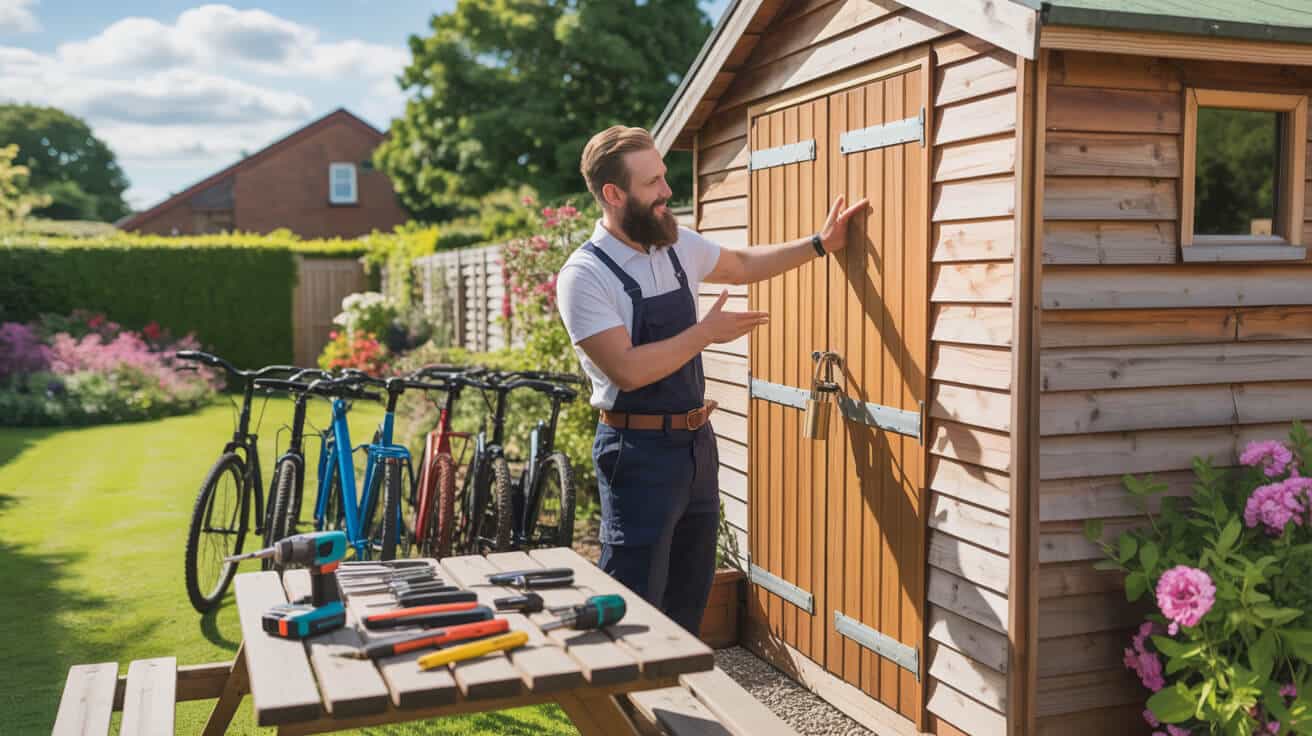
Both wildlife and opportunists know which campsites are all-access. The trick is to break the routine they expect: open zips, bags hanging out, food left “just for a second.” Use odd knots on zippers—annoying enough that a raccoon or stranger loses patience (advnture.com). Reflective ties and noisy objects add discomfort to their calculations. And if you practice untying knots by touch, you’ll never fumble in emergencies.
A visible routine beats a secret gadget—most thieves and animals prefer easy wins.
Think like your opponent. The more your site looks locked down, the more problems you avoid—both from teeth and hands.
Why Is Weatherproofing Your Gear Not Optional?

One rainstorm or steamy day wrecks unprepared gear fast. Tent coatings and seam tapes always wear down; by the time leaks show, the damage is done. Regularly spraying waterproofer and retaping seams at home keeps weather outside (advnture.com). Each morning, shake the tent dry and let it air—prevents mould before it starts (eaglecreek.com). Don’t wait until you hear a drip; routine stops trouble in its tracks.
Weatherproofing Steps With Real Payoff
- Spray waterproofer on all shelter fabrics before each trip.
- Re-tape or check seams—new gear can leak too.
- Never pack tents wet—dry them out first.
Habits you can do half-asleep will outlast any expensive gadget when the weather turns wild.
What Habits Prevent Animal Trouble and Food Theft at Night?

Animals don’t care how serious you look—just what they can find by scent. Always stow anything edible or scented—food, toothpaste, wrappers—in sealed bins 10 metres from camp (blog.cheapism.com). Shut coolers even if empty; curious noses check everything (rvlifestyle.com). Each morning, run your hands over canvas and zippers—catch gnaw marks or holes before they become entry points. Reliable storage habits mean your tent gets ignored like just another bit of ground.
Why Are Gear Checks and Fire Safety Tied to Lasting Enjoyment?

A busted zip or scorched tent corner can end a trip early. Daily inspection—check zips, patch tears, top up waterproofing—makes big problems stay small (eaglecreek.com). Campfires throw sparks; stoves heat up nearby fabric fast. Maintaining a “no-gear” zone around fire prevents surprise holes and saves you money (blog.cheapism.com). A simple patch kit turns what looks like disaster into a minor blip.
How Does Deferred Maintenance Compound Your Losses?

Ignoring a sticky zipper or thinning seam is betting against Murphy’s law—and nature always wins the long game. When small fixes get skipped, the failure comes at the worst moment: zipper goes when it’s raining, fabric splits in the cold. Spare pulls, a few clips, a flashlight, and some tape are the tiny investments that keep minor pains from becoming camping sob stories (eaglecreek.com).
What Does Real Resilience at Home Look Like Before the Trip?
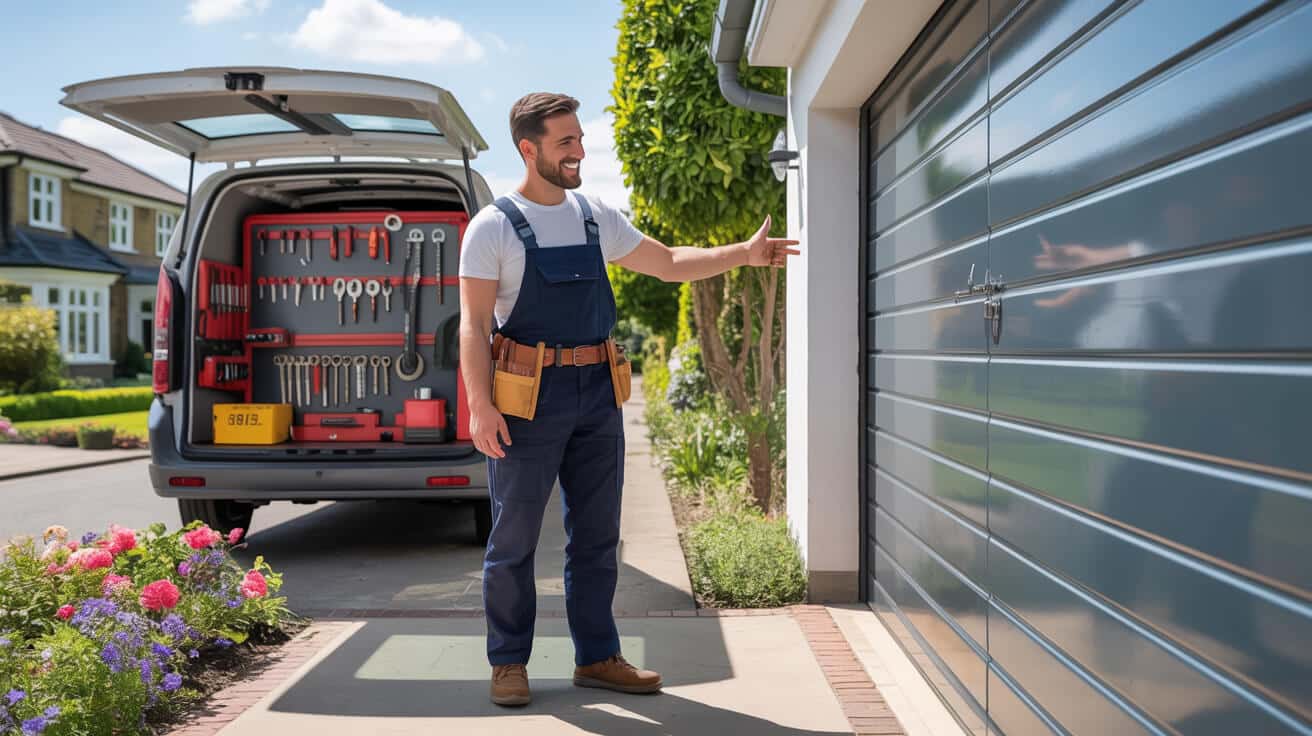
The best trips don’t start with frantic searches in the garage. Build a micro-routine: checklist, repair run-through, waterproof and patch all gear—even the “never used” stuff (advnture.com). This home habit avoids panic packing and last-minute emergency spends, freeing your mind to focus on the actual adventure. Habitual prep at home = no chaos at the campsite.
Why Carry a Repair Kit—And What Should It Include?
A repair kit is “campsite insurance.” For less than a meal out, you get the power to fix tents, bags, or boots mid-trip. Must-haves: duct tape, spare zipper pulls, heavy-duty thread, self-adhesive patches, and sevERAl metres of paracord (masterlock.com). Add a fire blanket or mini extinguisher for rare scares (wildernessredefined.com). The best kit is the one you keep packed—just in case.
For less than the price of a forgotten meal, you can protect your whole trip.
How Important Is Site Selection for Gear Security?
Where you pitch matters. High-theft areas show up in reviews—do some research or ask around before you arrive (rvlifestyle.com). Campsites with staff, traffic, or CCTV are miles safer (mortonsonthemove.com). A busy spot in clear view is a strong deterrent for thieves, and a neighbour or two beats even the thickest tent walls.
Does Group Camping Really Deter Thieves?
Teams win. A group with routines—rotating watches, sharing tips, everyone checking before bed—scares off most theft (masterlock.com). Thieves dislike attention and hate complications, so sites with movement, conversation, and routine get skipped for quieter prey (rvlifestyle.com). Your group’s alertness works better than most of the gear you can buy.
A group that pays attention rarely pays the price of theft.
Does Sharing Security Plans and Marking Kit Boost Protection?
Everyone in camp needs to know the plan. Assign gear and food checks, storage duties, and have a “mark your kit” station with stickers or a permanent pen (advnture.com). Named or marked gear gets ditched faster by would-be thieves—there’s no profit in stealing what can be traced. Strong plans and marked property keep your stuff home.
How Should You Protect Valuables When Off Exploring?
When you’re out for a hike or swim, out of sight isn’t just a saying—it’s a rule. Lock up anything you can using steel cables to trees, posts, or solid metal (mortonsonthemove.com). Never depend on tent frames for security. Lockboxes in cars help, but choice matters—visible boxes attract attention; hidden ones get ignored. Let thieves see hassle, not easy money.
How Do You Secure High-Value Kit Like Bikes and Generators?
Heavyweight locks—those rated for insurance or by police—make a real difference. Always secure to a fixed object (not foldable furniture!) and engrave your gear (rvlifestyle.com). GPS or Bluetooth tags give you a fighting chance if something does disappear (masterlock.com). Even a minute’s extra work is often all it takes for thieves to bail.
Can Food Storage Affect Both Safety and Security?
Food left out is a magnet for trouble. Always use lockable bins, bear lockers, or communal storage—clean up every crumb (blog.cheapism.com). Bin or bag everything, tie it down to a post or tree, and keep cooking spaces spotless (masterlock.com). Good food storage means animals and opportunists lose interest and move on.
What Extra Steps Protect Lightweight or Vulnerable Gear?
If it blows away or fits in a hoodie pocket, it needs a plan. Bundle chairs, tables, and loose items together with bright rope or paracord (mortonsonthemove.com). Label or initial everything—that alone can be a huge theft deterrent. Overnight, everything goes inside or under lock and key; never leave anything to chance.
How Does Electronics Security Differ From Other Camping Gear?
Electronics draw more attention. Never leave phones, cameras, or power banks in sight (vanlifeadventure.com). Stash gadgets in vehicles or hidden at camp. Don’t leave power banks plugged in overnight—they’ll get noticed and then they’re gone (huntingwaterfalls.com). Tick off each device on a list before bed, avoiding anxious midnight searches.
Should You Invest in Smart Gadgets—or Are Classics Still Best?
Modern alarms and trackers help, but they’re no substitute for the habits above. Always check with your insurer for what counts as an “approved” device (wildernessredefined.com). High-tech doesn’t mean hands-off—a failed battery or mis-set device leaves you vulnerable. Old-school deterrents—locks, labels, storage—form the first layer of any strong security plan.
What Are the Smartest Ways to Secure a Campervan or Caravan?
Security for vehicles starts with visual noise—wheel clamps, steering locks, and “no-entry” decals stop a lot of nonsense (vanlifeadventure.com). For longer trips, add insurance-approved locks or alarms (advnture.com) and never skip steps because you’re “almost back.” A deterrent you don’t use is a trap for yourself.
Can Campervan Electronics Stay Safe—and Your Mind Stay Restful?
Layer small alarms and door sensors to make entry obvious and risky for would-be thieves (vanlifeadventure.com). Window films go unnoticed yet slow break-ins and win points with insurers (masterlock.com). Tap into camper forums—best new hacks come from other explorers, not sales pitches. Simple additions mean more sleep, less worry.
Why Does Layering Security Win Over Single Solutions?
The pros always have backups—lock, mark, stash, track. If one line breaks, another holds (rvlifestyle.com). More friction for a thief means more likely they give up. Hide small valuables in more than one spot, and keep changing where they live (wildernessredefined.com). This isn’t mistrust—it’s championship defence, plain and simple.
Layers—more than gadgets—turn campers into the hardest target on the field.
How Can Pitch Placement and Lighting Improve Security?
Your pitch’s risk profile is set before you ever make camp. Light, traffic, and visibility matter—choose open, lit spaces or those with steady foot traffic (blog.cheapism.com). Solar or battery motion lights not only scare snoops after dark, but offer photo proof for insurance (vanlifeadventure.com). Good lighting both protects gear and adds peace of mind at night.
What Steps Actually Make Insurance Useful for Gear Losses?
Insurance fails when you skip the basics. Photograph gear, save serial numbers and receipts, and confirm lock types or brands with your insurer before each trip (masterlock.com). These basics mean you’ll actually get paid if a claim happens, not left arguing over paperwork (blog.cheapism.com). It’s about getting what you pay for—and making recovery fast.
How Do Winning Security Habits Reduce Worry and Boost Freedom?
Checking bins, clips, locks, and routines daily gives you control—and that spells freedom. Security is not the enemy of fun; it’s the source of it (advnture.com). The campers who always secure their kit have the fewest losses and the deepest reset out there (huntingwaterfalls.com). With the right routines, focus shifts away from what’s at risk to what’s possible.
Can You Actually Learn From Others’ Camping Security Mistakes?
Smart campers learn from stories, not just advice. Online roundups, forums, and trip reports reveal what generic guides miss—where routines failed, where new tricks worked (rvlifestyle.com). Before every trip, a half-hour reading field-tested advice can save days of misery on site (mortonsonthemove.com). Borrow other people’s scars; avoid them yourself.
What Visual Aids and Checklists Help Turn Preparation Into a Habit?
Printed checklists, visual step sheets, and stored packing lists put “do” before “forget” (advnture.com). Infographics on zipping, storage hacks, or “last looks” help your brain on tired mornings. Put these up in your gear tote; prep becomes automatic, and with each trip, habits get tighter and more complete.
When Do DIY Hacks Outperform Expensive Gadgets?
Old hacks (tying gear in bundles, marking property, asking neighbours for an extra eye) handle risk better than any single new gadget (vanlifeadventure.com). High-tech gear is nice—protection habits are permanent. Campers who improvise, adapt, and share tips report less drama, even as trends change (huntingwaterfalls.com).
How Do Ongoing Maintenance Routines Save You More Than Money?
Pre- and post-camp: Clean, patch, check, repeat. Not only do breakdowns drop off, but resale value and insurance “pay-off” go up sharply (eaglecreek.com; advnture.com). The biggest win, though? Less panic, more rest, and the sense every year gets easier as your kit lasts longer and works better.
How Does a Ready Mindset Beat Camping Worry—Every Time?
Mindset is the force multiplier. Transforming anxiety about loss or sabotage into reliable action is what frees campers to focus on why they’re out there (blog.cheapism.com). The most chill campers are the ones whose routines run on autopilot—they don’t hope for luck, they make their own (rvlifestyle.com).
When Should You Call a Locksmith—And What Will You Gain?
Generic guides don’t replace tailored help. A locksmith can customise locks, deterrents, or solutions for unique sites or vehicles (masterlock.com). With a pro, you close the gaps that DIY knowledge misses and gain peace of mind every time you leave camp (mortonsonthemove.com). The right expertise gives both security and potential discounts on insurance you can’t get anywhere else.
Secure Peace of Mind With Camping-Ready Expertise
Peace of mind is built, not bought. By making security part of the adventure—with checklists, visible habits, shared routines—you join the campers whose stories end with “smooth trip, good sleep.” Prime Alert – The London Locksmiths is your resource for proven security tips and expert help. Start strong: prep routine, join the security-savvy crowd, and wake up every morning with your gear—and your peace—still in place.
Frequently Asked Questions
Why is locking your tent zipper from the inside a smart move for modern campers?
locking your tent zippers from the inside instantly turns curiosity and casual attempts—by critters or people—into lost opportunities for mischief. This habit isn’t just about adding hardware; it’s a low-hassle way to show you’re alert and make your tent the last pick for opportunists scanning a row of camps. Use a small lock, looped cable, or even twist ties to join zipper pulls, and position the closure so you’re never trapped in an emergency.
How does this play out in different outdoor scenarios?
- Solo trips: You sleep deeper knowing nobody slips in unnoticed.
- Family outings: Kids and pets stay in, wildlife stays out, and little explorers can’t wander before dawn.
- Festival or car camping: It signals vigilance to everyone nearby, deterring casual “zip-and-grab” thefts.
Routine is the first layer of security; improvising comes next, but skipping habit puts everything up for grabs.
How can you reliably keep both wildlife and thieves away from your camp at night?
Consistent, visible routines outsmart both wildlife and would-be thieves—more than any one gadget or gizmo. Store food and trash at least ten paces away, sealed against scent and weather. Tie cords, reflective tape, or small obstacles across the tent flap to slow and discourage sneaky hands or paws. Before turning in, scan seams and entry points—when outsiders see you taking these steps, they often move on to easier targets.
What nightly habits drive your risk down?
- Form a “last sweep” ritual at dusk: check lines, pockets, entrances.
- Obstruct obvious entry with object piles or cords—never just a zipped flap.
- Make your routines visible when fellow campers or staff are around.
Which valuables need extra care, and what’s the right way to lock them down at camp?
Bikes, electronics, toolboxes, portable power banks—these are the classic targets because they’re valuable, portable, and easy to resell. Anchoring is your best friend. Lock high-risk items to the biggest, most solid thing around—never just a tent pole. Laser engrave your name or use bold tags to make resale tricky. Move gadgets to a car’s glove compartment or lockbox overnight; don’t trust hiding spots inside the tent.
What practical steps make a difference?
- Use chain or cable locks with tamper evidence features.
- Register serial numbers for all expensive gear before you leave.
- Keep group gadgets in a designated “tech locker,” not spread throughout the campsite.
Does modern tech beat old-school routines for camping security?
Tech like GPS tags, motion alarms, and smart padlocks raise your recovery odds and send a message to would-be thieves, but nothing beats the deterrent effect of strong habits and casual group vigilance. Stack tech only after you’ve nailed the basics—locks in plain view, gear marked and anchored, neighbours looped in on routines. Most field studies show that campers who combine habits and gadgets drive theft rates the lowest.
How do real campers weigh tradition vs. tech?
| Solution Type | Top Benefit | Real-World Weakness |
|---|---|---|
| GPS/Bluetooth | Tracking after the fact | Doesn’t stop theft itself |
| Motion alarms | Deterrence, quick notice | Can annoy neighbours |
| Heavy-duty lock | Stops opportunists up front | Vulnerable to tools |
How does camping with others dramatically boost your security?
A well-synced group acts like an on-site alarm—without constant noise or gadgets. Labelling and pooling gear, splitting “eyes-up” checks, and openly offering help creates an atmosphere where mischief rarely starts. Research from the outdoor industry confirms: even basic coordination slashes incidents. Assign informal roles—a rotating gear checker, a “last to bed” scout. Visibility makes your site a harder target.
What group moves tip the odds your way?
- Share nighttime gear checks and lock-ups.
- Mark communal cookware and lanterns with stickers or tape everyone recognises.
- Invite friendly neighbouring campers into basic routines—the more connections, the lower your chances of being singled out.
What expert edge can a professional locksmith add to your camp protection setup?
Bringing in a locksmith services team such as Prime Alert – The London Locksmiths means translating urban-grade security wisdom into the wild. They offer tailored recommendations: compact locks rated to resist rain and grit, advanced asset tags, and gear storage hacks that adapt to your site—whether it’s remote woods or cityside festival grounds. Their expertise covers gaps most campers miss—like vulnerable vehicle lock points, unfamiliar coding on safes, or best practices for fast group access. Invest in professional review kits, group access systems, and get fresh updates on insurance-grade marking systems.
Where should you start with locksmith expertise?
- Book a security walk-through before your next trip to spot overlooked risks.
- Look for locksmith-certified outdoor locks and asset tags designed for camp life.
- Ask about latest keyless access and smart lock options for groups, trailers, and vehicles.
Confidence on your next adventure is built long before you zip the tent closed—connect with Prime Alert – The London Locksmiths to lock in a better camping experience with every trip.


