Winter Security Checklist For Homes And Businesses
 Winter Security Checklist For Homes And Businesses

What Makes Winter Security Risks So Easy to Miss at Your Home or Business?
Colder months have a way of exposing every shortcut, forgotten fix, or mistaken assumption about security. Most property owners assume everything’s under control until a bitter frost or early nightfall pushes “the small stuff” into the danger zone. In the UK, property crime spikes as much as 36% in winter when common-sense checks fall off the list (ONS 2022; dexpropertymanagement.co.uk).
The shortcut you shrugged off in autumn can become a winter disaster before you notice.
You’re not failing on purpose—you’re busy, distracted, or just annoyed at the idea of adding security to your endless to-do list. But winter makes lazy habits more expensive. Doors freeze shut or fail to lock, heating mishaps risk lives, and dark corners invite the wrong kind of attention. Catching these risks is about discipline—not luck. A methodical approach now steers you clear of avoidable chaos later.
Why Do Burglary and Break-In Rates Surge Once Winter Hits?
Short days and longer nights are a burglar’s closest ally. Most break-ins happen between 4pm and 9pm in the darkest UK months—when you’re either out shopping, hurrying home in the dark, or sitting through a work event. Businesses suffer too, especially with altered opening hours and patchy staff covERAge.
Official stats show winter break-ins leap 25%—mainly due to overlooked lighting and worn-out security hardware (ONS 2022). Don’t give yourself the false comfort of “it won’t happen to me.” Simple decisions—like swapping tired locks and using decent exterior lighting—lower your risk before opportunists clock a weak spot.
How Does Cold Weather Cause Locks to Fail (And Leave You Locked Out)?
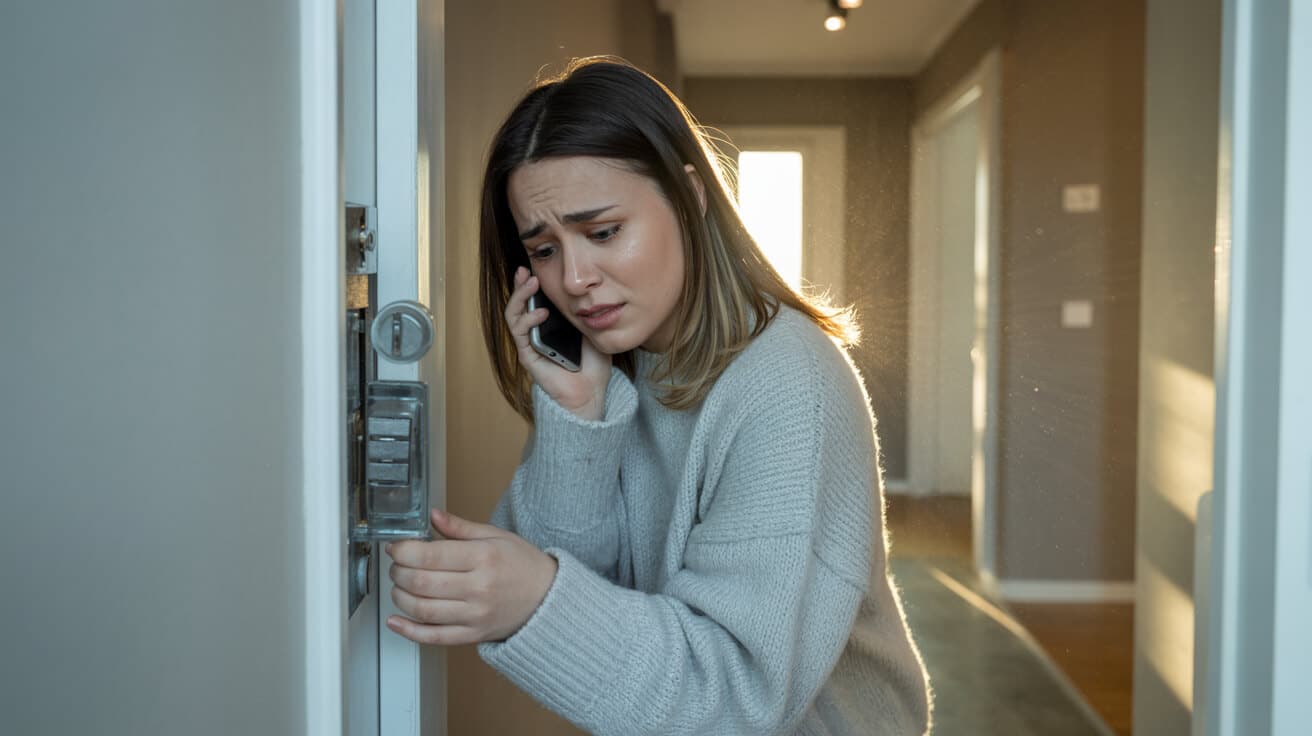
Weather isn’t neutral. Moisture seeps inside older locks, freezing into ice. Plastic or mild steel in cheap models gets brittle and cracks under pressure. Sometimes, the key stops turning at the exact wrong moment—a bitter morning, a late-night return, a business alarm you can’t switch off.
If there’s a weakness in your lock, December finds it first.
Professional locksmiths see a spike in failed entries every winter, all down to neglected lock maintenance (masterlocksmiths.co.uk). The fix: maintain and upgrade before the cold sets in. Weather-resistant models and a quick check on lesser-used doors erase most urgent callouts.
How to Keep Your Locks Working in the Worst Weather
- Always use a dry graphite or silicone spray inside barrels—never regular oil (bennlockandsafe.co.uk).
- For outdoor padlocks and secondary doors, shield with plastic covers or bands overnight.
- Sweep away autumn debris around locks—it traps water that later freezes solid.
The simple prep you do now is what keeps you from waiting in the cold for rescue later.
Why Does Carbon Monoxide Become a Bigger Threat Every Winter?
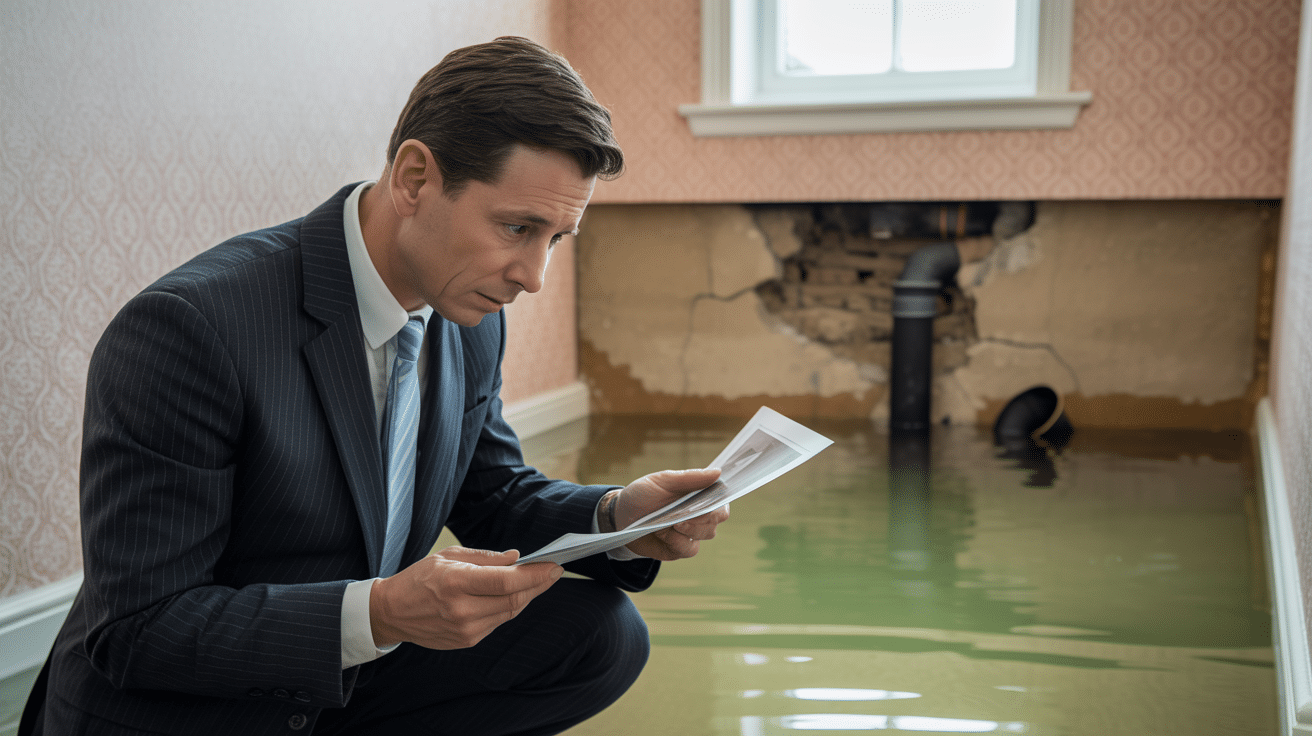
Sealed windows and always-on heating make for a cosy home—but they also turn small appliance faults into quiet killers. Old boilers, unserviced fires, or blocked vents can leak carbon monoxide (CO) without warning. You can’t see or smell it, yet every winter, families and businesses find out too late.
UK law requires functional CO alarms in any property with gas appliances (nhs.uk)—it’s not a suggestion. Test now. Service your systems before heating season. Waiting until something smells “off” is a gamble you can’t afford.
What Happens to Your Property When Pipes Freeze or Heating Systems Fail?
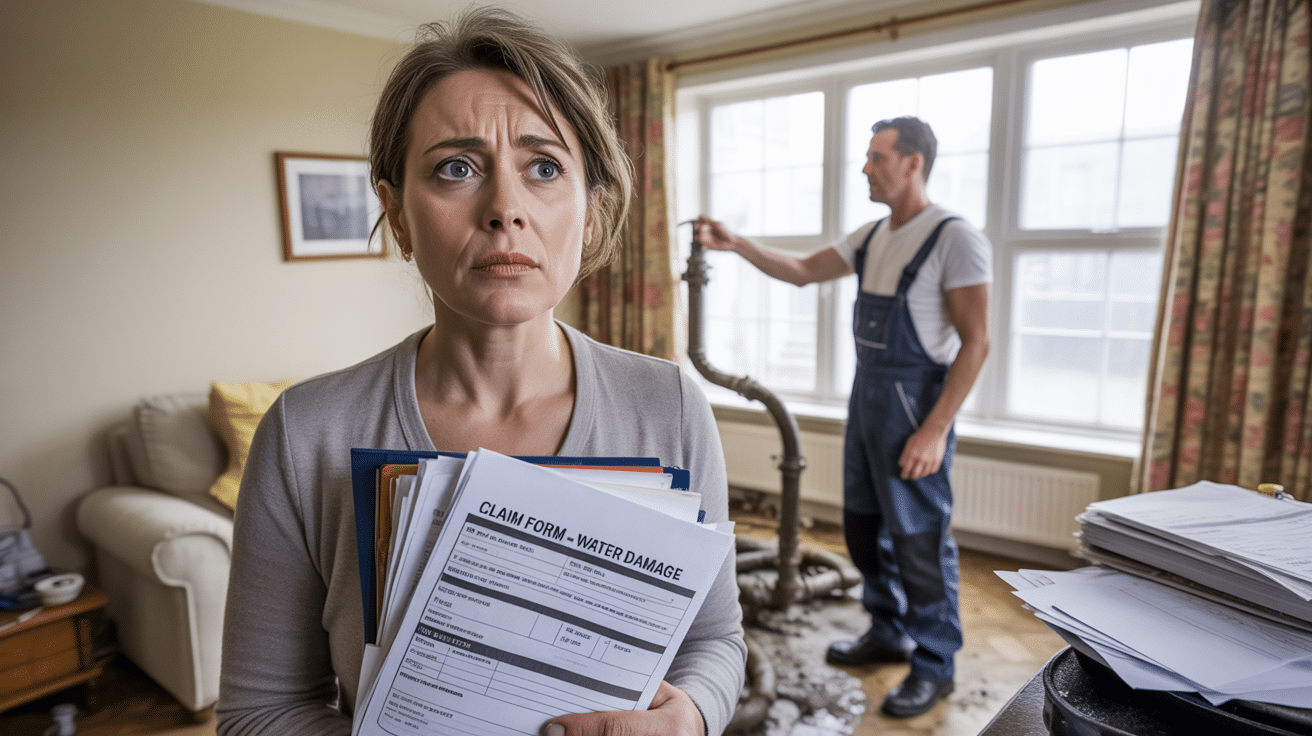
Think a burst pipe or seized boiler is a one-in-a-thousand fluke? Think again. Exposed pipes in attics, garages, or sheds freeze fast—and so does your hot water or heating supply when temperatures plunge. Repairs and water damage average over £7,000 per incident (idealmagazine.co.uk).
Every uninsulated pipe is a game of roulette you pay for if you lose.
You don’t need a plumber every time—lagging pipes, setting a thermostat just above freezing, and draining outside taps take minutes but prevent weeks of chaos.
Checklist: Avoiding Water Damage and Heating Headaches
- Insulate pipes anywhere the air can freeze—garage, attic, and outside connections.
- Keep thermostats above frost—yes, even in empty rooms.
- Book a boiler service and pressure check before it’s truly cold.
- Drain and disconnect hoses/taps outside.
Insulated pipes cut your burst risk by two-thirds (alanboswell.com). One simple action often saves thousands.
Is Your Outdoor Security Actually Built for Winter?
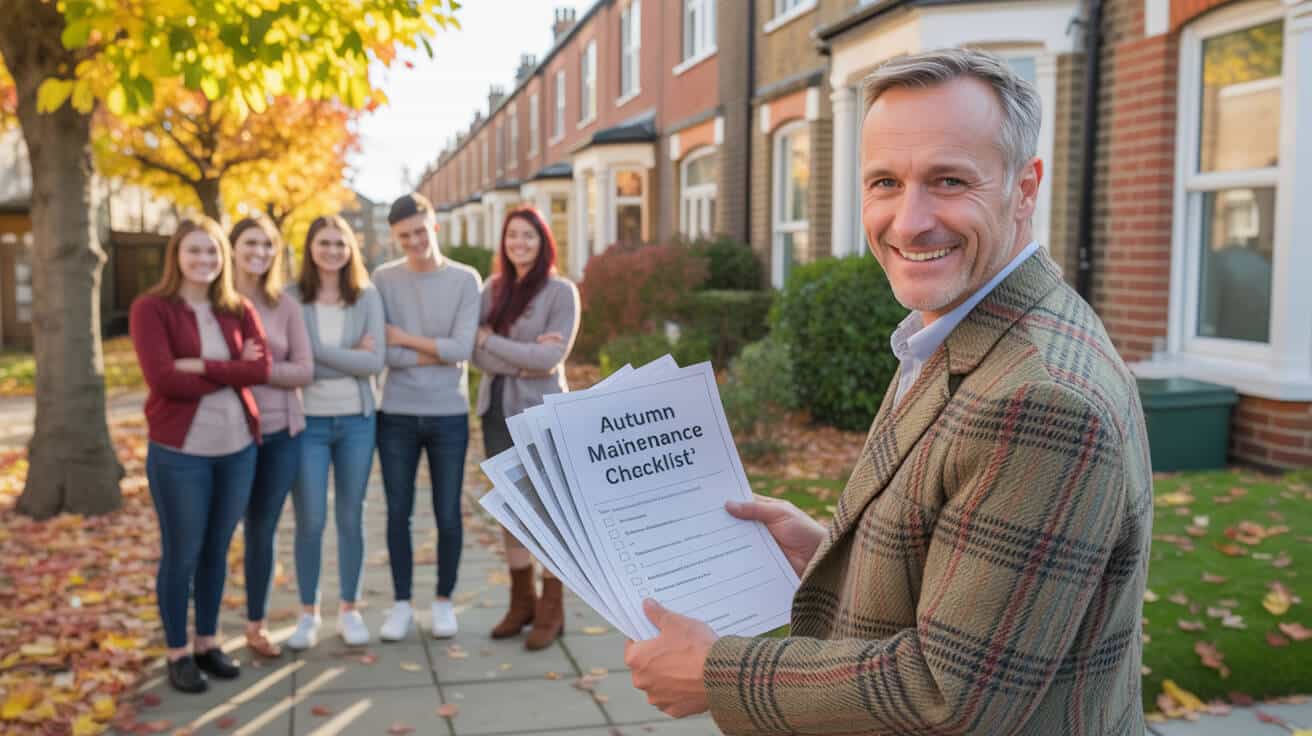
Skip this, and you’re priming your car park, alleyway, or side gate as an easy target. Shorter daylight and worse weather make it easier for troublemakers to work unseen. Most forget to test security lights, swap batteries, or clear shrubs that block sight lines. Out of sight really does mean out of mind—until there’s a theft or break-in.
Adding motion-triggered lighting can slash break-ins by 60% for businesses (reliancesecurityus.com). Outdoor CCTV, even as a fake deterrent, pushes opportunists elsewhere.
No-Nonsense Moves for Outdoor Protection
- Test, clean, and replace motion-sensor bulbs and security lights.
- Prune greenery—don’t leave “hiding spots” near doors or paths.
- Check every camera and clear lenses after snow or rain.
- Change access codes after staff changes or lost fobs.
Tomorrow’s check is too late. Handle it today.
How Does Proactive Maintenance Save You Money vs. Emergency Repairs?
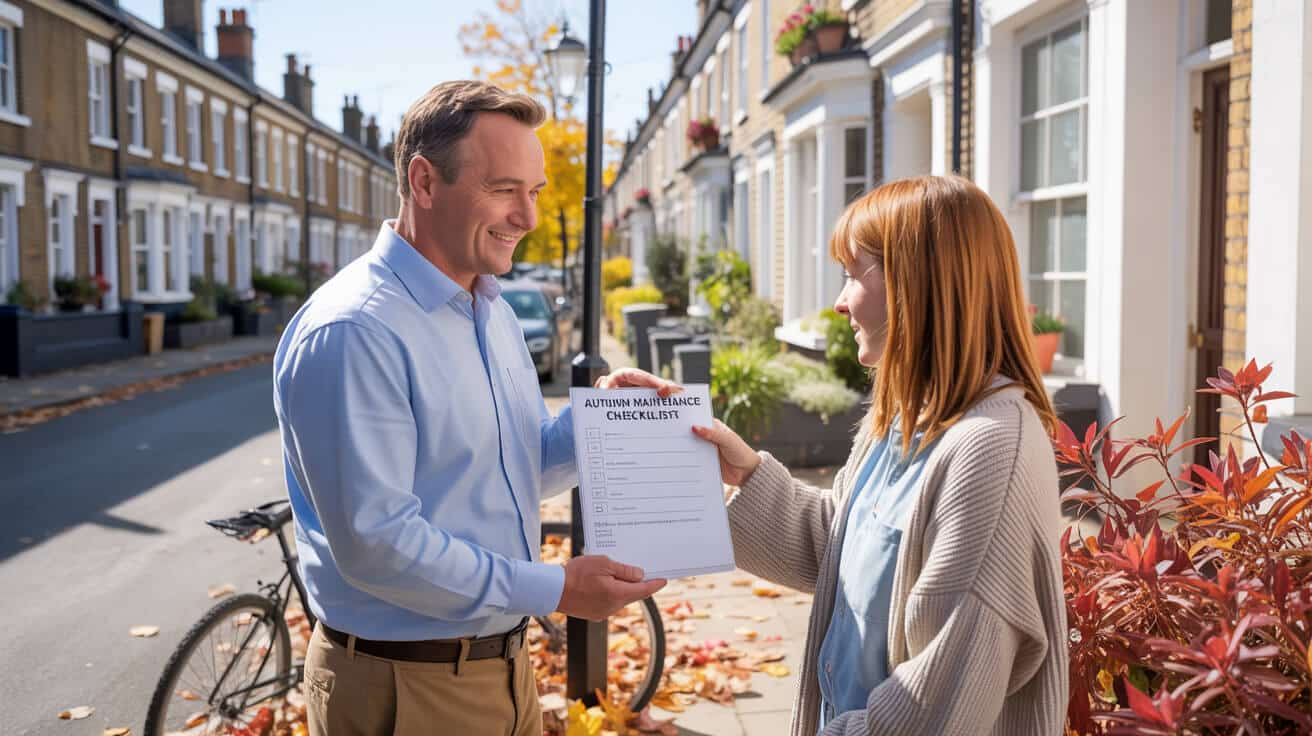
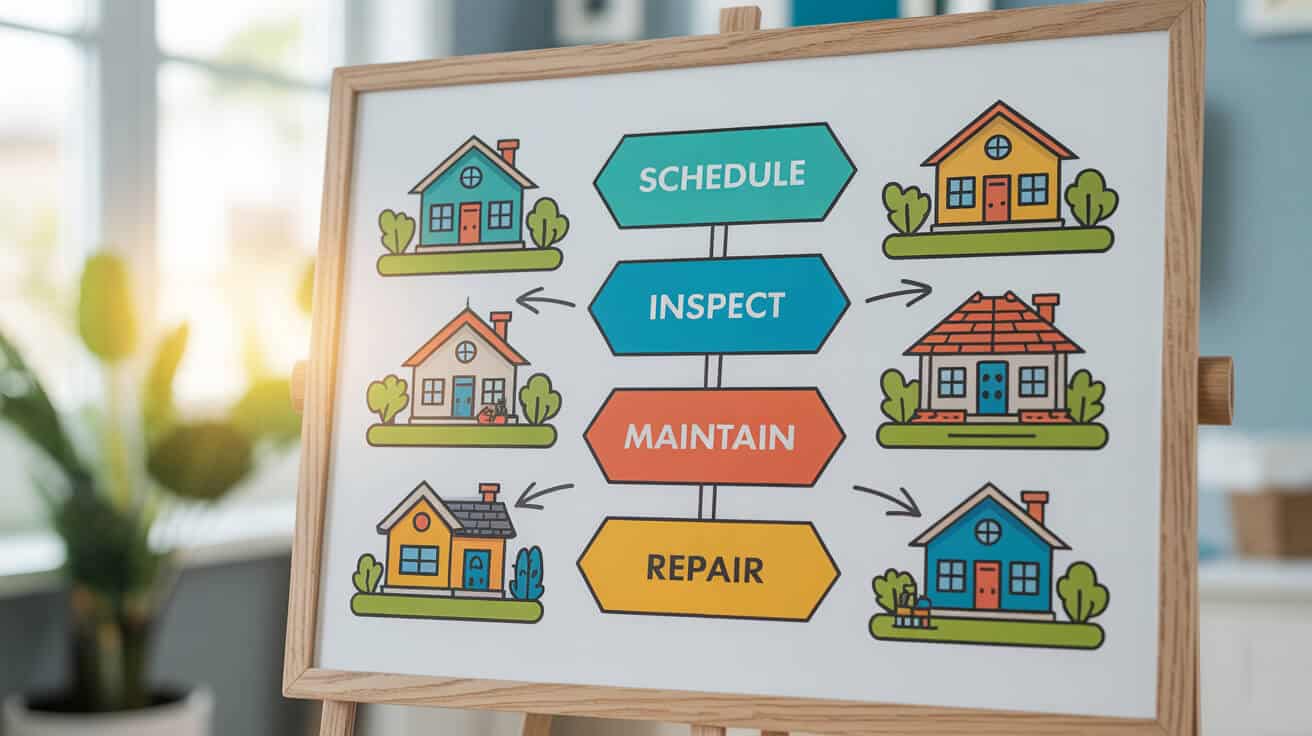
The “later” approach turns a £50 fix into a £5,000 repair after a frost or storm. Autumn debris blocks gutters, loose roof tiles leak first snow, and cracked window seals hike heating bills and allow water entry. Routine maintenance before winter costs less than half what urgent repairs do after a disaster (marsh.com).
Preventing damage is quiet. Repairs are always noisy and expensive.
Top chores? Gutters, roofs, and windows. Clear blockages, fix obvious leaks, and test everything you typically ignore. It’s about interrupting the chain before it starts.
If Your People Aren’t Trained for Winter, What’s at Stake?
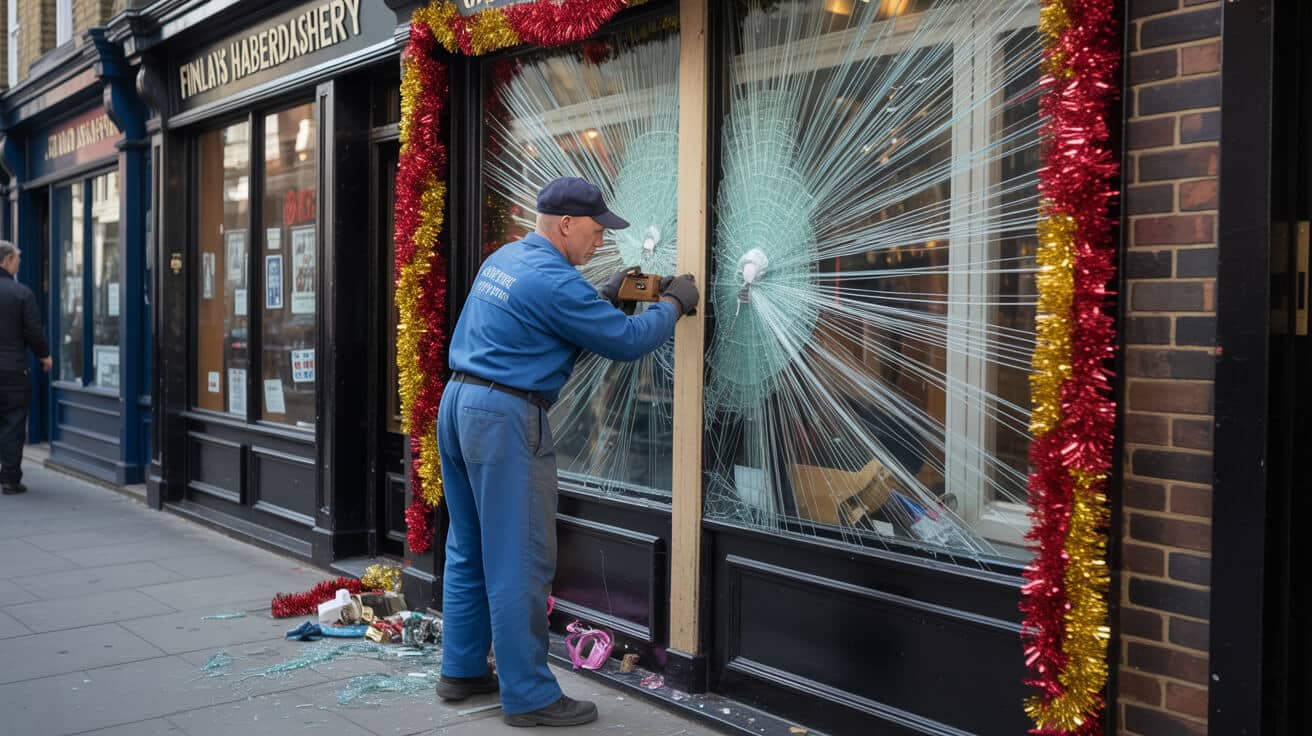
Locksmiths might instal the best hardware in Europe—it still works only if your team knows what to do. Forgotten alarm codes, lost keys, and last-minute call drift create gaps. This includes family at home—does each person know what “security” actually means on a freezing night?
Well-drilled teams cut property loss by 20% in retail and office settings (reliancesecurityus.com). Assign duties, rehearse routines, and rotate responsibilities so no one becomes the weak link.
Easy Drill for Teams or Families
- Share (and post) updated emergency contact lists.
- Rehearse lockout recovery or after-hours re-entries.
- Rotate nightly security checks—put different eyes on the process each week.
The more you rehearse “what now?” the less you worry “what’s next?”
Are You 100% Sure Your Smoke and CO Alarms Haven’t Failed?
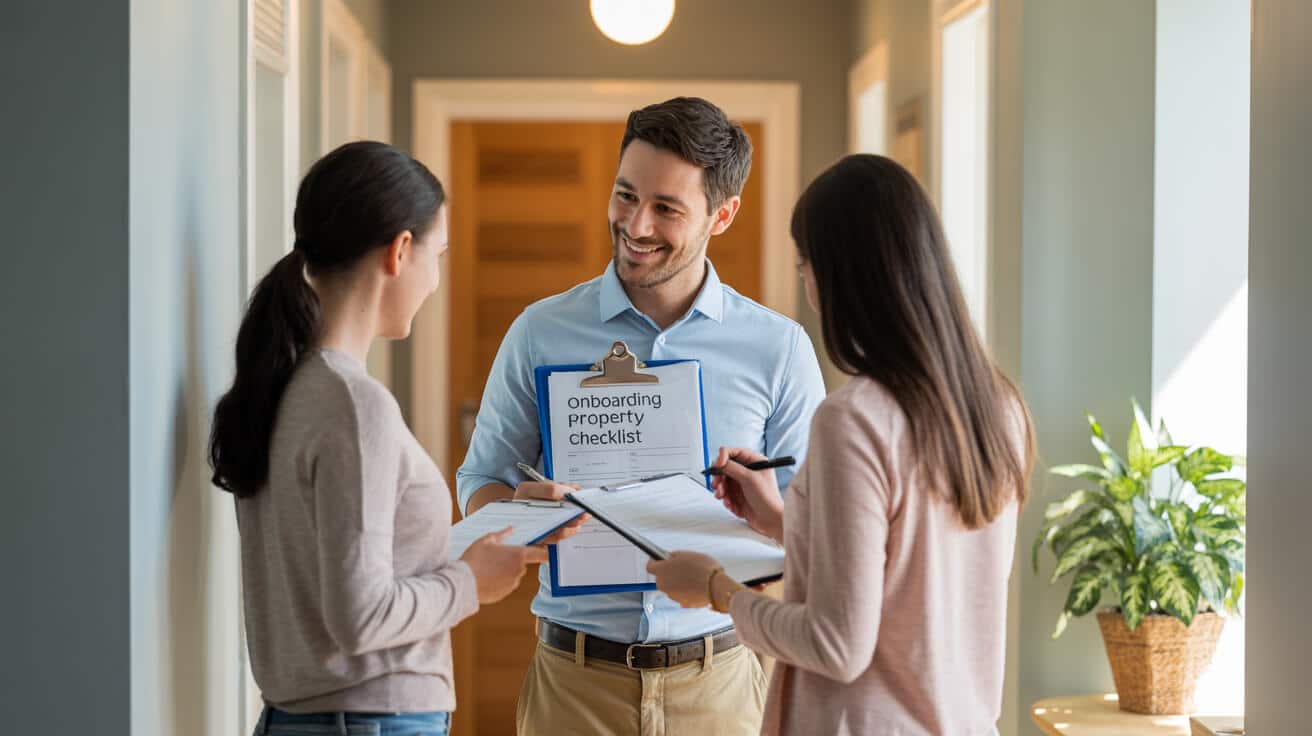
Devices don’t run on hope. Alarms with dead batteries or expired sensors offer silence instead of a warning—and that false sense of security is winter’s most common trap.
Up-to-date smoke and CO alarms save hundreds of lives in the UK each year (thedevondaily.co.uk). A quick test or battery swap is faster than reading this section.
Alarm Action Steps
- Change all batteries when the clocks go back.
- Test every alarm in each separate living, working, or sleeping zone.
- Replace any model past its recommended lifespan (usually every 5–10 years).
Form the habit—don’t give alarms a chance to fail quietly.
Will Smart Tech Actually Boost Your Security This Winter?
Can tech drive real impact, or is it all hype? Modern smart locks, cameras, and wireless alarms let you monitor, lock up, and respond instantly—from anywhere. These tools do more than impress neighbours—they record incidents, deter crime, and help resolve disasters faster.
UK pilot programmes saw a 60% drop in burglaries after smart system upgrades (locksmithinnorfolkva.com). The catch: instal gear that’s certified for UK weather, not just Amazon’s top result, and always check support is truly local and responsive.
Crisis Hits—Are You Ready or Scrambling?
Emergencies—lockouts, leaks, break-ins—never follow your schedule. If you have to dig for phone numbers or rely on memory, speed drops and damages compound. Fast recovery favours those who plan.
- Save emergency numbers for locksmiths, plumbers, and electricians in two places: your phone and on paper near an exit.
- Share and rehearse with everyone who might need them.
- Test your “real night” response with a run-through after dark.
The slowest part of your emergency response is usually the bit you meant to do later.
Cutting average winter damages by 30% often comes down to who you call—and how fast (dexpropertymanagement.co.uk).
When Is It Better to Replace Than Keep Repairing Security Systems?
Anything that’s breaking repeatedly—frozen locks, unreliable alarms, failing pipes—needs upgrading, not just another “quick fix.” Every service call is money lost that could fund a better, stress-free solution.
Here’s your trigger list:
- More than one emergency call in the past year for the same system.
- Obvious lag or malfunction when testing equipment in cold weather.
- Pro advice says upgrade beats repair in long-term cost and safety.
Insist on branded, certified gear from UK leaders like Yale, ERA, or Chubb—and always look for the BS3621 or EN1634 mark. These badges save you future insurance hassle.
Who Actually Has a Key (or Digital Access) to Your Place?
Access logs slip fast: a departing staffer, ex-contractor, or even a neighbour who “just held a copy” for a weekend. In a crisis, unclear records slow you down—and a missing log is a favourite excuse for insurers to dodge payouts.
- Audit physical keys, codes, and fobs every few months—after staff or tenant changeover.
- Collect all spare keys from anyone whose role no longer matches access.
- Change codes and digital lock permissions regularly.
- Keep written proof—insurers like neat documentation.
Quarterly checks discover revoked keys and digital gaps before they become highways for theft (marsh.com).
Where Should You Start: Checklist, Full Audit, or Immediate Upgrade?
There’s no “one size fits all.” But every business—and home—wins by getting systematic.
- Start with a winter checklist; that’s your minimum viable move.
- If the stakes are higher, book a certified security audit before the cold sets in.
- Don’t overthink—act on small wins: lag pipes, check batteries, test alarm codes.
When in doubt, talk to a certified locksmith or security advisor: fast triage, honest recommendations, and no-cost prevention beat the price of waiting to see what happens.
Who’s the Right Choice in London for Fast, Trusted Security Support?
London’s mix of property styles and weather quirks demands experts who know the borough, follow UK law, and bring trackable credentials. Don’t let insurance claims get rejected because of paperwork gaps or outdated installations.
Prime Alert – The London Locksmiths draws 1,000+ reviews and only employs Borough-vetted, certified professionals (yell.com). You get honest pricing, industry-standard hardware, and real local knowledge—whether you’re protecting a home, rental, business, or heritage property.
The prize for acting early isn’t just fewer headaches—it’s having a reputation as the person everyone wants to work with.
Are You Waiting for a Problem or Choosing Winter Readiness?
Most property owners make this mistake: waiting to see if disaster finds them instead of acting early. Prepared properties aren’t lucky—they’re led by owners who spot risks and take fast, practical action. This season, shift from “hope nothing happens” to proactive confidence.
Take Action With Prime Alert—The London Locksmiths
Download a free, London-specific winter security checklist—real-world results show clients saving £200+ per callout just by picking off “low-hanging fruit” (primealert.co.uk). Call for a hassle-free property audit from a veteran local team. No hard sells, no nonsense. Just actionable advice and upgrades that rack up goodwill with tenants, family, and insurers.
Ask about system upgrades for extra insurance discounts or for unique property types. Whether it’s keeping a home safe, managing a block, or securing your reputation as a worry-free business, Prime Alert turns headaches into clarity—so winter is something you plan for, not react to.
The best kind of winter security is invisible—because nothing goes wrong.
Frequently Asked Questions
What surprising winter security threats remain overlooked by most property owners?
When winter sweeps in, even careful owners overlook the risks that cold and darkness create—locks freeze faster, side entrances go unchecked, and access codes slip through the cracks as staff or tenants rotate. Sheds, garage doors, and less-used gates often become weak points just as break-ins rise after sunset. The Metropolitan Police reports a surge in garden and side-gate offences between November and January. Double-checking only the front door isn’t enough when thieves know where shortcuts hide.
Why do secondary entry points matter more in winter?
- Side and rear doors become prime targets when nights are longer
- Frozen mechanisms make it easier for opportunists to force entry
- Building managers report more missed maintenance on “hidden” locks in bad weather
Security is the sum of habits; cold weather exposes the gaps you never see in summer.
How do certified locks and alarms secure insurance claims when cold weather strikes?
British Standard locks (BS3621), certified cylinders (EN1303), and Grade 2 alarms (EN50131) don’t just deter crime—they act as a shield for insurance claims if a break-in happens after a winter storm or blackout. Insurers now review claims more sceptically, asking for dated receipts and photos proving upgrades were completed before incidents. It’s no longer enough to say you “had a good lock”—compliance proof is now core.
What paperwork protects your cover?
- Receipts for BS3621/EN1303 lock or alarm installation, within the last 3–5 years
- Dated photos of visible security (alarms, CCTV, signage)
- Maintenance logs from recognised professionals, updated before winter
Prime Alert – The London Locksmiths helps you document every upgrade, so you can respond confidently during urgent claims reviews.
Where do businesses most often underestimate winter security risks?
Businesses usually put spotlight on main entrances, but winter exposes the backstage: loading bays, emergency exits, and external store doors where busy teams cut corners. Seasonal staff turnover means keys or codes aren’t always reclaimed; rogue access drifts unnoticed. Outdoor lighting fails frequently in freezing rain, leaving cameras half-blind and car parks in shadow.
What stops small lapses from becoming big exposures?
- Re-key all access points after temp contracts end or major roster changes
- Audit exterior lighting and intruder sensors monthly—don’t trust LED “lifespans”
- Use digital checklists to log all site inspection actions
It’s your overlooked exit that an opportunist will notice first. Winter is never the time to trust guesswork.
A proactive audit with Prime Alert means your business controls every door—regardless of the season or staff lineup.
Which winter home maintenance habits yield the highest protection for property owners?
Simple tasks create real security returns: lagging pipes to prevent sudden bursts, cleaning gutters in early autumn, and confirming that all doors close tightly whatever the weather. The Association of British Insurers notes that properties with a winter-ready checklist submitted, on average, 15% fewer claims between December and February. Even minor steps set you up for smoother winter months.
Most effective low-cost habits:
- Insulate exterior pipes—sheds, bathrooms, and garages included
- Schedule gutter and downpipe clearing before the temperature drops
- Fit automatic door closers to stop draughts and forced entry
Consistent upkeep today shields you from expensive repairs and establishes you as the diligent neighbour others look to in a crunch.
How does smart technology future-proof security and comfort during winter?
Today’s smart locks and security systems respond to environmental triggers—locking up when a window is left open, sending instant mobile alerts if a door blows ajar, and automatically adjusting heating to prevent freezing pipes. If staff or tenants change, you can remotely disable access, no waiting for a physical handover.
What’s possible with current smart systems?
- Mobile alerts the moment motion is detected—distinguishing friends from threats
- Automatic relock after periods of inactivity or failed PIN attempts
- System status checks after storms, reporting faults before problems multiply
Prime Alert – The London Locksmiths recommends, instals, and supports these systems, ensuring your technology stays one step ahead of unpredictable weather.
Who should you trust for rapid response when winter emergencies strike?
Your emergency plan is only as strong as your contact list. Every keyholder, trusted neighbour, and on-call tradesperson should be instantly accessible—saved in phones, posted by exits, and printed in emergency packs. For business owners, add landlord and local authority numbers to cover building issues after hours. Don’t rely on a single point of contact, as surprises multiply in storms and frost.
Must-have contacts for winter readiness:
- Accredited locksmith (Prime Alert is on call across London)
- 24/7 plumber—pipe freezes don’t work nine-to-five
- Electrician for outages or alarm faults
- Designated keyholder (not just someone “usually available”)
- Landlord or council help desk for commercial sites
Preparedness builds trust: you’re the person who gets things solved, not stuck, when the temperature drops. Prime Alert – The London Locksmiths has your back, every season.