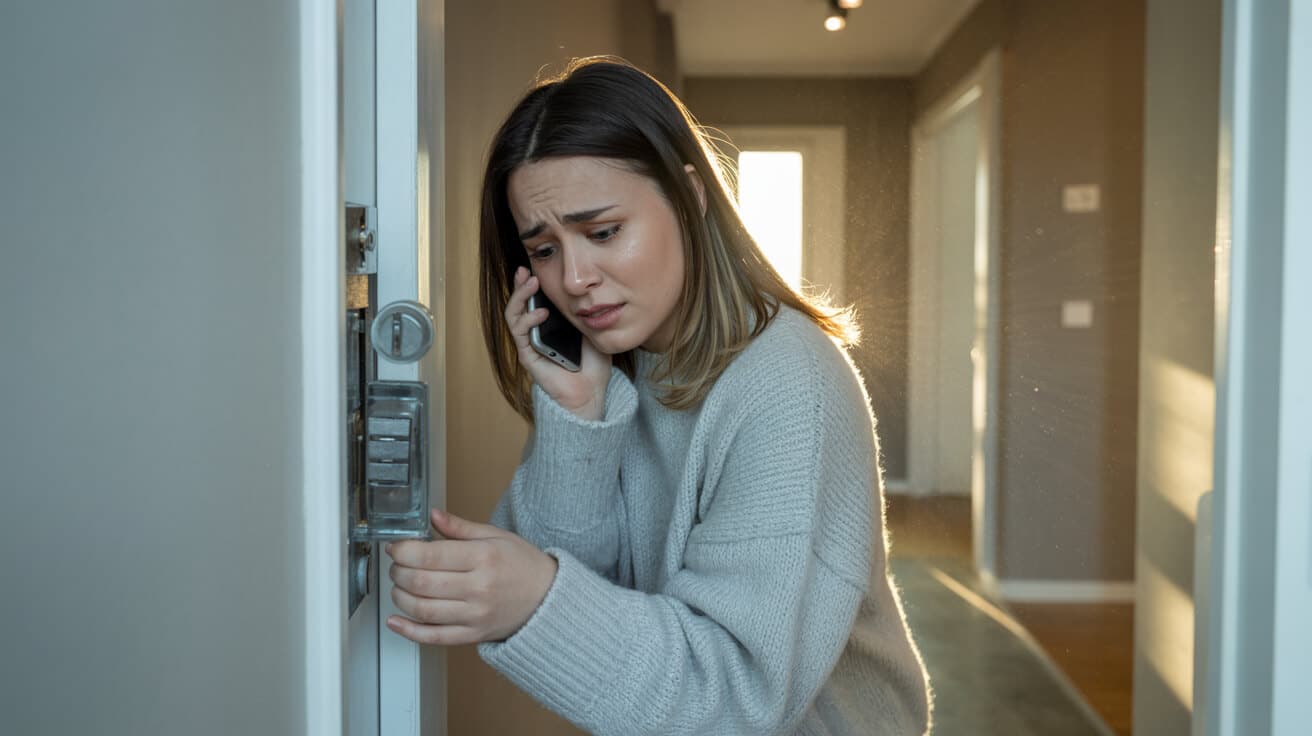
When Should You Install A Key Safe, And How Secure Are They
 When Should You Install A Key Safe, And How Secure Are They

When Should You Instal a Key Safe, and How Secure Are They?
Security gaps aren’t just a headache; they’re a blind spot you only notice after a lost key, an urgent carer visit, or a last-minute lockout. That’s when a properly installed, police-approved key safe becomes more than a gadget—it’s your property’s silent security guard, built for real life, not just for show. If your daily routine juggles carers, guests, business deliveries, or family emergencies, the right key safe moves from “maybe” to must-have.
Security lives in the choices you make *before* trouble turns up.
Not all key safes are equal. Some are insurance gold; others are little more than a cheap box—easy to break and sure to void your cover. Let’s cut through the noise: when does a key safe actually solve your risk, what makes one secure, and how do you avoid the shortcuts that cost people most?
Are Key Safes Equally Secure, or Are Cheap Boxes Just a False Comfort?

Most key safes you see online or in hardware aisles look the part—but the differences underneath might decide whether your lockout turns into a full-blown break-in. Cheaper models are built from thin metal or half-plastic shells and rely on simple codes that burglars crack in minutes. In contrast, police-recommended safes use reinforced steel and attack-proof fixings, passing real-world destruction tests before earning official approval.
“Basic key safes have been forced open in seven seconds with common tools.” ([Keynetics Test](https://www.keyneticsltd.co.uk/how-safe-is-a-key-safe/?utm_source=openai))
A safe is only as good as its worst day. Forget price tags—demand visible proof of certification. Your security, insurance claim, and peace of mind all depend on it.
Why Is Professional Installation the Deciding Factor for Key Safe Security?

You can buy the world’s toughest key safe, but a poor DIY instal makes it a burglar’s best friend. Secure models must be drilled into solid brick or concrete out of direct sight—never just stuck to a flimsy fence or cheap door panel. Certified locksmiths use tamper-proof screws, advise on discreet placement, and back their work with paperwork for insurance. Inexperienced setups or cut corners mean insurers walk away and thieves walk in.
“Safes fixed to brick or dense masonry, away from doorways, stand up longer to attack.” ([viewber.co.uk](https://viewber.co.uk/key-safe-installation-all-you-need-to-know?utm_source=openai))
Never let cheap fitment ERAse the security you thought you bought. If the job isn’t documented by a pro, it isn’t really protected.
What Life Scenarios Mean It’s Time for a Key Safe?

If your property ever needs fast, repeat, or out-of-hours access for people you trust—think regular cleaners, carers, Airbnb guests, letting agents, or emergency family—a key safe changes the game. It cuts the risk of lost copies, frantic lock picking, and awkward key handovers. Police and council guidelines are blunt: approved, certified safes are essential in care situations, rentals, and busy businesses.
“Care agencies and paramedics rely on certified safes for urgent entry.” ([halopersonalalarm.co.uk](https://www.halopersonalalarm.co.uk/blogs/news/why-key-safes-are-essential-for-elderly-safety-in-2024?utm_source=openai))
Any home or business juggling multiple people at the door daily is smarter—and less stressed—with proper access control.
Are There Real Risks With Cheap or Uncertified Key Safes?

Skimping on the safe or trusting a “no-name” brand from the DIY aisle puts your property in jeopardy. Many break-in investigations and insurance disputes start with a quick-access, low-grade box mounted out by the door. Most insurers write it in black and white: safes without official certification, or those obviously weak or poorly installed, void your policy the moment a theft happens.
“Uncertified key safes may invalidate insurance policies post-break-in.” ([homebuilding.co.uk](https://www.homebuilding.co.uk/advice/key-safes?utm_source=openai))
If a few quid saved means you lose a claim worth thousands, was it ever a bargain?
Which Key Safe Certifications Actually Mean Real Security (UK)?

Only two badges count: LPS 1175 (Loss Prevention Standard, certified by LPCB) and Sold Secure Gold. These aren’t marketing tick boxes; the badges mean the box survived official, violent break-in attempts using tools, drills, and brute force. If yours lacks these credentials, neither police nor insurers will call it truly secure.
“LPS 1175 and Sold Secure Gold certified safes withstand advanced attacks.” ([Secured by Design](https://www.securedbydesign.com/guidance/standards-explained/key-safes?utm_source=openai))
Certification is earned through failure—the right badge means yours didn’t.
How Frequently Should You Change Your Key Safe Code?

Even the strongest safe is compromised by a stale code—especially if a carer leaves, a contractor completes a job, or guests come and go. Update your combination every time the circle changes, or at least every three months for homes. Ignore this, and you risk someone having access who shouldn’t—and inviting insurers to reject you if trouble strikes.
“Change your key safe code after any turnover in users and at least quarterly for residential settings.” ([carents.co.uk](https://carents.co.uk/carenting-guides/home-safety-security/using-a-key-safe/?utm_source=openai))
Treat your code like your bank PIN—it’s the real key to your door.
Why Do Landlords, Agents, and Businesses Rely on Key Safes?

Letting properties, managing short-lets, or overseeing regular contractors is a logistical headache if you’re chasing or duplicating keys. An approved key safe, installed by a traceable, vetted professional, lets you control access, monitor usage (especially with smart safes), and satisfy insurance or audit requirements—all while freeing your schedule from key-handling stress.
“Letting agents use coded safes for tenant turnover and property viewings.” ([nrla.org.uk](https://www.nrla.org.uk/news/key-safe-installation-all-you-need-to-know?utm_source=openai))
Commercial security is proven in the quiet moments when everything just works as planned.
How Does a Key Safe Reduce Daily Stress for Homeowners?
No more hiding spare keys under pots, waiting for a call from a door-stuck kid, or late-night rushes to unlock for carers. Change the code whenever your trust circle shifts, revoke access instantly, and track use with connected models. The right safe isn’t just more secure—it’s your routine’s silent simplifier.
Better to change a code than chase missing key copies.” ([hamesandsonslocksmiths.co.uk](https://www.hamesandsonslocksmiths.co.uk/blog-main-advantages-of-having-a-keysafe4-2024-06-22?utm_source=openai))
The reward is calm, not just convenience.
How Do Key Safes Serve Airbnb and Holiday Let Hosts?
Short-term lets can be chaos without round-the-clock check-in options. Modern key safes allow guest-specific codes and remote updates, meaning you never have to risk leaving out keys or missing handovers. Major booking sites back this move, and claims are easier to resolve when access logs match your policy.
“Remote code updates and guest-specific pins minimise risk on platforms like Airbnb.” ([viewber.co.uk](https://viewber.co.uk/key-safe-installation-all-you-need-to-know?utm_source=openai))
For hosts, a key safe means you sleep easy—no matter when your guests arrive or leave.
What About Homes With Multiple Carers, Cleaners, or Daily Support Staff?
Every hand that touches a key is a potential risk—and a management headache. Certified, fitted safes let you manage, monitor, and revoke access without drama. Smart models can send alerts and track who used which code. For larger families or care situations, oversight finally becomes simple and visible.
Connected smart safes with audit trails empower family oversight.” ([Secured by Design](https://www.securedbydesign.com/guidance/standards-explained/key-safes?utm_source=openai))
Your loved ones need reliability, not daily worry.
Is an Old or Worn Key Safe a Security Time Bomb?
Age, weather, and repeated code entry all wear down even high-grade key safes. An annual check or contract with a locksmith prevents tiny cracks from turning into open doors. If yours looks battered, rusted, loose, or doesn’t click firmly shut, you’re due for a proactive upgrade—a step that can mean everything in an emergency.
“Risk drifts up when key safes go unchecked for years.” ([carents.co.uk](https://carents.co.uk/carenting-guides/home-safety-security/using-a-key-safe/?utm_source=openai))
Security decline sneaks up—don’t wait for an expensive wake-up.
What Happens During Lockouts or Lost Keys With a Certified Key Safe?
You’re rushing, the front door slams, and your keys are inside. Instead of a panic call or smashed window, your backup is ready: a secured, certified key safe with your code. Trusted friends or family can help—even in crisis—saving time, stress, and cash.
“Users saw lockouts and lost keys drop dramatically after secure safe instals.” ([hamesandsonslocksmiths.co.uk](https://www.hamesandsonslocksmiths.co.uk/blog-main-advantages-of-having-a-keysafe4-2024-06-22?utm_source=openai))
Preparation isn’t paranoia—it’s peace of mind on demand.
Is It Possible to Have Both Convenience and Top-Tier Security With Key Safes?
The cliché is you have to pick one. That’s outdated. Police-backed, certified models fitted by pros—and managed with strict code changes—give you both. emergency access works without sacrificing insurance or inviting unwanted visitors.
“Police recommend key safes to enable care while keeping homes secure.” ([halopersonalalarm.co.uk](https://www.halopersonalalarm.co.uk/blogs/news/why-key-safes-are-essential-for-elderly-safety-in-2024?utm_source=openai))
You can have flexibility and safety at the same time.
Are All Lookalike Key Safes Actually Protective, or Is Certification Non-Negotiable?
Two similar-looking boxes may be worlds apart once an attacker tests them. Certification means third-party pros did their worst—hammering, drilling, prying—while a generic badge offers only hope. Fail this philtre, and you’ll fail an audit or an actual attack.
“Certified boxes are hammered, drilled, and wrenched by expert testers before approval.” ([Secured by Design](https://www.securedbydesign.com/guidance/standards-explained/key-safes?utm_source=openai))
If your safe survives the tests, your reputation survives too.
What Three Factors Should Every Property Owner Demand in a Key Safe?
- Solid Steel Construction — No plastic or tin; insist on dense metal, thick walls, anti-pry lips.
- Visible Independent Certification — Only trust official badges: LPS 1175 or Sold Secure Gold.
- Professional Fitting With Documentation — Police and insurers want traceability, not DIY.
“Professional fitting to a solid wall triples the safe’s effective resistance.” ([nrla.org.uk](https://www.nrla.org.uk/news/key-safe-installation-all-you-need-to-know?utm_source=openai))
Anything less is a shortcut nobody can afford.
What Makes LPS 1175 and Sold Secure Gold Certification Unbreakable?
Manufacturers submit their designs to independent labs, where pros use power tools, pry bars, and time pressure to break every vulnerability. This isn’t a lab game—it’s physical punishment, repeated every year in the case of Sold Secure Gold. Only models that pass these evolving threats stay certified.
“LPS 1175 and Sold Secure Gold boxes pass tool-based assaults by independent testers.” ([Keynetics Accreditation](https://www.keyneticsltd.co.uk/keynetics-about-us/accreditations/?utm_source=openai))
Modern criminals adapt; your safe has to adapt faster.
Why Is the LPS 1175 “A210” Grade the Gold Standard for Homes?
Insurers and police don’t guess—they look for precise grade numbers. For houses and flats, LPS 1175 “A210” is the entry point. If you can’t prove your box meets or beats this, you risk invalid claims or safety gaps no matter what price you paid.
“A210 rating is considered minimum for peace of mind in most residential settings.” ([Keynetics Accreditation](https://www.keyneticsltd.co.uk/keynetics-about-us/accreditations/?utm_source=openai))
Demand numbers, not empty promises.
Why Is Sold Secure Gold Re-Tested Every Year by Locksmiths?
Attack techniques change as fast as technology. Sold Secure Gold doesn’t rest; products are randomly pulled and battered again each year by independent testers. This means your box is evolving to match the risks—not just stamped once and forgotten.
“Sold Secure Gold units are retested every year by independent testers for continued reliability.” ([securedbydesign.com](https://www.securedbydesign.com/guidance/standards-explained/key-safes?utm_source=openai))
Security is a process, not a one-off tick.
How Can You Check Key Safe Authenticity Before You Buy or Fit?
Certified safes come in sealed packaging with serial numbers, visible badges, and supporting paperwork. Suspiciously unmarked or loose-packed boxes almost guarantee trouble later—insurance refusal, audit failure, or outright break-in.
“Only certified models have serial numbers and supporting paperwork for traceability.” ([carents.co.uk](https://carents.co.uk/carenting-guides/home-safety-security/using-a-key-safe/?utm_source=openai))
Proof protects your pocket when you need it most.
What Will Insurers Request If Your Safe Is Compromised?
Prepare to supply two things: official certification (LPS 1175 or Sold Secure Gold) and a documented, professional installation record. Missing either lets insurers wash their hands of your loss, no matter the excuse.
“Insurance companies may refuse claims if a non-certified key safe is compromised.” ([homebuilding.co.uk](https://www.homebuilding.co.uk/advice/key-safes?utm_source=openai))
Don’t get caught out. Secure the paperwork as tightly as the wall fixings.
What Everyday Benefits Show Up When You Use Certified Key Safes?
Beyond panic moments, the daily win is freedom: no key-chasing, fewer late-night worries, and the “quiet confidence” of knowing you’re ahead of the disaster timeline. Data proves: homes with certified safes and proper routine fitting experience fewer access headaches, scheduling messes, and surprise fees for lost keys.
“Families with key safes report far fewer lockouts and scheduling mishaps.” ([hamesandsonslocksmiths.co.uk](https://www.hamesandsonslocksmiths.co.uk/blog-main-advantages-of-having-a-keysafe4-2024-06-22?utm_source=openai))
Security means never having to tell that storey about missed access… because it didn’t happen.
What Maintenance Keeps a Key Safe Dependable All Year?
You can’t just “fit and forget” a key safe. Every three to six months, run a quick check: look for rust, code pad wear, tight mounting, and rain damage. The few minutes you spend here might save a nightmare later. If anything looks or feels off, book a locksmith review early.
“Inspect and maintain your safe every 3–6 months for ongoing protection.” ([viewber.co.uk](https://viewber.co.uk/key-safe-installation-all-you-need-to-know?utm_source=openai))
Routine is your friend. Neglect, never.
How Do You Stay Ahead of New Risks to Key Safes—Before Trouble Hits?
Keep an ear to the ground through police bulletins, vetted locksmith updates, and legitimate trade bodies. Leading brands and local pros alert you to product recalls or newly exposed attack methods, letting you update before it shows up on your block.
“National alerts are shared by industry bodies and review networks.” ([nrla.org.uk](https://www.nrla.org.uk/news/key-safe-installation-all-you-need-to-know?utm_source=openai))
By the time it’s a trend, you’re already protected.
Do Certified Key Safes Mean You Can Retire Spare Keys Entirely?
With the right certified safe, professionally installed and managed, you can mostly drop the drawer of spare keys. Instantly revocable access, audit trails, and no more lost copies mean your control is stronger and your liabilities lower.
“Key safes can enable trusted entry without extra keys or lost key panics.” ([carents.co.uk](https://carents.co.uk/carenting-guides/home-safety-security/using-a-key-safe/?utm_source=openai))
Less hardware, more control. Security finally fits your life.
What’s at Stake if You Choose the Wrong Safe or Fit It Poorly?
Visible, generic, bargain-bin safes are like neon signs for burglars. Poor placement, DIY errors, or unknown brands let criminals skip guesswork and target you. Insurers spot these patterns instantly, and you’re left with bills only you can pay.
“Experienced burglars monitor for common, weak key safe models outside homes.” ([keyneticsltd.co.uk](https://www.keyneticsltd.co.uk/how-safe-is-a-key-safe/?utm_source=openai))
Don’t let a shortcut today become tomorrow’s front-page cautionary tale.
What Level of Certification and Instal Stacks the Odds for You?
Demand LPS 1175 or Sold Secure Gold, get police-endorsed paperwork, and insist on expert installation with receipts kept safe. Anything less turns risk into a gamble, and your property into a statistic.
“Approved experts supply and fit standards-certified safes, often needed for insurance.” ([homebuilding.co.uk](https://www.homebuilding.co.uk/advice/key-safes?utm_source=openai))
Documentation and certification is your armour—never a hassle.
Which Three Habits Lock in Key Safe Security—Now and for Life?
- Stick to safes with up-to-date, legitimate certification.
- Only accept documented, professional installation.
- Change codes routinely, keeping an eye on paperwork.
“Security lapses come from poor instal, old codes, or ignoring certification.” ([Secured by Design](https://www.securedbydesign.com/guidance/standards-explained/key-safes?utm_source=openai))
Treat these rules as non-negotiable—your reputation and assets depend on them.
Take Your First Real Security Step with Prime Alert – The London Locksmiths
No more hoping. No more hacks. Prime Alert – The London Locksmiths fits up-to-date, police-rated key safes across London with certified instal, code support, and client-proven results backed by hundreds of local reviews. Equip your property for the world as it is—not just as you wish it were.
Prime Alert, The London Locksmiths: Approved local installer for standards-certified, police-rated key safes—backed by hundreds of genuine reviews. ([Hames and Sons Locksmiths](https://www.hamesandsonslocksmiths.co.uk/blog-main-advantages-of-having-a-keysafe4-2024-06-22?utm_source=openai))
Break the cycle—book your key safe assessment or grab our security checklist now. Peace of mind always starts with the move you make today.
The security you enjoy tomorrow is built from today’s decisions—don’t leave it to chance.
Frequently Asked Questions
Why do so many households and businesses now rely on key safes for everyday access?
Key safes offer hands-off, consistent entry for families, carers, remote landlords, and business sites where lost keys or shifting schedules once meant chaos or costly lock changes. With a certified key safe, you simplify access for care workers or guests, and you sidestep the security pitfalls of hiding spare keys. This tech isn’t just convenience; it’s a privacy and freedom upgrade—ensuring the right people can come and go, while you stay in control of who gets in and when.
Who sees life actually get easier with key safes?
- Families with varying arrival times or cleaners
- Carers supporting elderly or vulnerable residents
- Landlords or estate agents managing changeovers
- Airbnb and short-let hosts handling frequent guests
- Business owners reducing lockouts and lost-key disruptions
A key safe means your team, your family, your tenants, never get left out in the cold.
What sets police-certified key safes apart from basic models and why should you care?
Police-approved key safes—those stamped LPS 1175 or Sold Secure Gold—back up their claims with real-world break-in resistance tests. Unlike plastic or uncertified boxes, they’re designed to withstand prying, drilling, and “smash and grab” attacks. Legit models are always installed into brick or concrete by locksmiths who know the insurance playbook. Research from consumer groups found budget lookalikes failed in less than a minute, while top-rated options held up against simulated burglaries. Robust security is a combination of tough design, professional fitting, and smart code management.
How can you spot a truly secure key safe?
- Check for LPS 1175 or Sold Secure Gold badges with serial number
- Insist on fitter documentation from a professional locksmith
- Hide the safe from casual sightlines and change codes after personnel shifts
Where should you instal a key safe for guaranteed protection and insurance compliance?
Location is everything—the right spot locks in both practical value and insurance support. UK insurers and police recommend mounting on out-of-sight exterior brick, never flimsy wood, plastic, or obvious door frames. A safe placed in plain view is a target for thieves and a quick route to denied claims. For carers or property managers, look for convenient yet discreet placement—hidden behind garden features or utility boxes, nowhere near eye level or traffic routes. Many insurers demand proof of compliant installation, so keep all paperwork accessible.
How do you avoid the most common siting mistakes?
- Avoid mounting on timber, cladding, or open-facing walls
- Shield the safe from rain and sun to prolong its life
- Never toss proof-of-purchase or installation records—they’re your claim’s evidence
Out of sight for them, always accessible for you—that’s the gold standard.
Which key safe certifications matter for your policy, your tenants, and your peace of mind?
The only key safe badges that truly count with police and insurance: LPS 1175 from the Loss Prevention Certification Board, and Sold Secure Gold from an independent certification body. The police badge, Secured by Design, is awarded only if those standards are met, and models are routinely retested. Forgetting these details? That’s how insurance policies come undone after an incident—no matter how sturdy a safe seems physically.
UK’s most trusted key safe certifications
| Certification | Issuer/Board | Why it’s trusted |
|---|---|---|
| LPS 1175 | LPCB (BRE Global) | Police-approved, force-tested |
| Sold Secure Gold | Sold Secure | Locksmith-verified, annual tests |
| SBD | UK Police (SBD) | Relies on above credentials |
How do everyday mistakes undermine even the best-installed key safes?
Neglecting routine steps will do more damage than any tool a burglar owns. Leaving an old code active, hiding the box in plain sight, or not updating documentation—all create loopholes for thieves and headaches for insurers. Homeowners and property managers learn the hard way that paperwork and proactive checks matter as much as steel: those denied claims or break-ins often trace back to a skipped code change or a loose bolt.
Common errors and easy fixes
- Schedule quarterly code updates (not just after staff or tenant changes)
- Replace boxes showing rust or weather wear—insurers view these as neglected
- Store receipts, fitment paperwork, and serial numbers in one handy spot
- Use proven professionals for instal—especially in high-turnover or supported living properties
What’s the smart budget for complete key safe peace of mind and what shortcuts are false savings?
A police-compliant key safe typically costs £60–£120; add £60–£100 for certified mounting by a professional. That includes brick anchoring, proper code setup, and all the documentation insurers demand when you need to claim. “Bargain” boxes skip the certifications or professional fitting and can invalidate insurance—meanwhile, Prime Alert – The London Locksmiths covers the full solution: audit trails, expert advice, and aftercare that keeps you future-proofed, not playing catch-up.
At-a-glance: Realistic costs for secure key safe setups
| Component/Service | Price Range | Included Features |
|---|---|---|
| Certified Safe | £60–£120 | Endorsement badges, serial number |
| Pro Installation | £60–£100 | Brick fitment, docs, demonstration |
| Ongoing Support | On request | Maintenance, code management |
Protect what matters, protect your future—one certified key safe is all it takes.
Ready to simplify access, protect every policy, and make lockouts a thing of the past? Prime Alert – The London Locksmiths delivers compliance-first key safe solutions that keep your doors open for the right people—and locked down for everyone else.