Why Your Upvc Door Handle Won’T Lift & How To Fix It
 Why Your Upvc Door Handle Won’T Lift & How To Fix It

What Are the First Hints Your uPVC Door Handle Is Warning You?
A uPVC door handle rarely fails without warning—it starts small: a stubborn lift, awkward movement, or a faint grinding long before any real crisis. Property owners often brush these signs off, but about 60% of jammed handles show subtle stiffness or resistance weeks before they get stuck.
Ignoring that early struggle means you’re missing the opportunity for the easiest, lowest-cost fix.
Notice the little changes; it’s your first advantage over an expensive repair.
Is Light Sticking or Heaviness Just an Annoyance?
When your handle suddenly feels like it’s fighting you, that’s the system broadcasting distress. Don’t normalise “minor quirks”—these are warning flares, not personality.
Should You Care If the Handle Still Works (Sort Of)?
Absolutely. Any odd movement, slow return, or persistent drag is the start of mechanical fatigue. Early care preserves your lock integrity—and keeps your costs down.
Does Forcing a Stiff uPVC Handle Risk Permanent Damage?
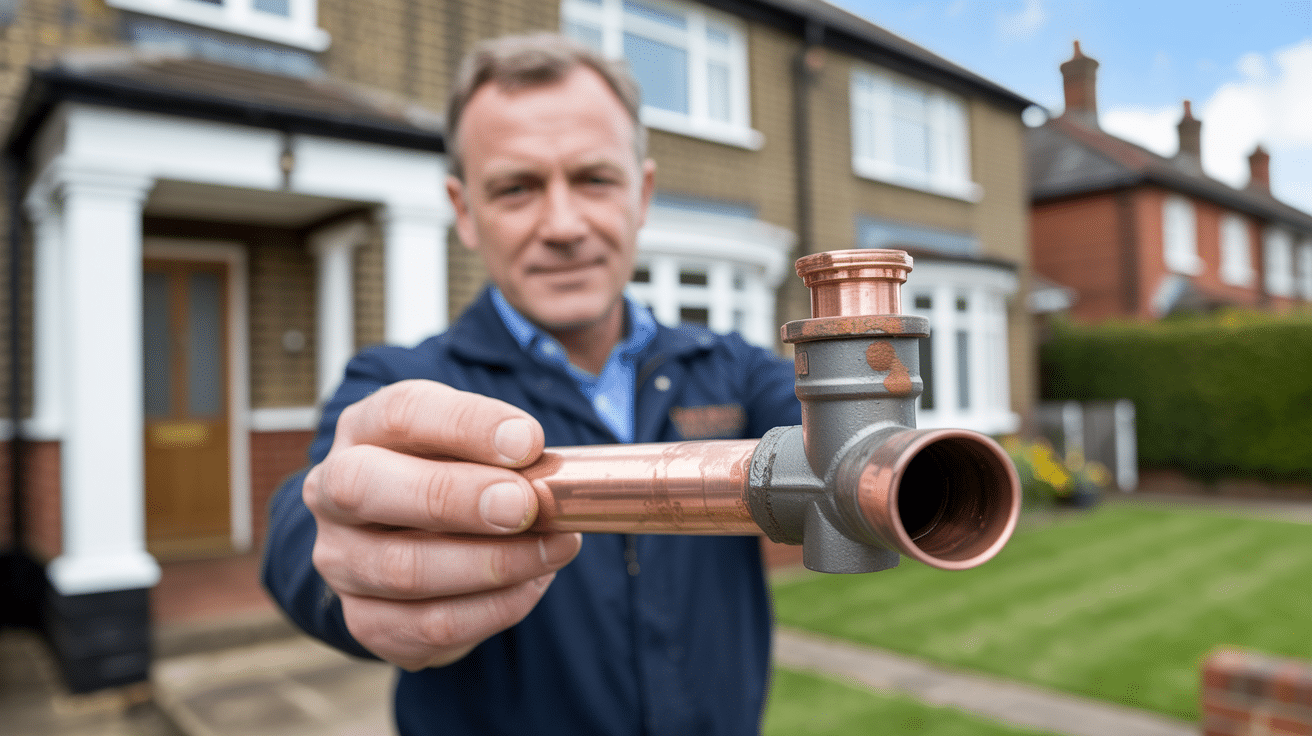
Forcing a handle that doesn’t want to move is the single fastest route to expensive disaster. These locks are engineered for smoothness, not muscle—just one hard wrench can fracture gears or crack a spindle, turning a simple fix into a full system replacement (checkatrade.com).
You can’t strong-arm a precise mechanism; that’s not power, it’s a shortcut to paying double.
Is Rocking or Wiggle Pressure Safe?
If “gentle” doesn’t free the movement instantly, stop. Further force wears out internal levers, multiplies repair bills, and usually voids any warranty covERAge.
Are Older Doors More Prone to Catastrophic Failure?
Yes. As materials age and tolerances widen, even “was-fine-last-winter” friction can snap a crucial part.
Could Your Stuck Handle Be a Symptom of Door Misalignment?
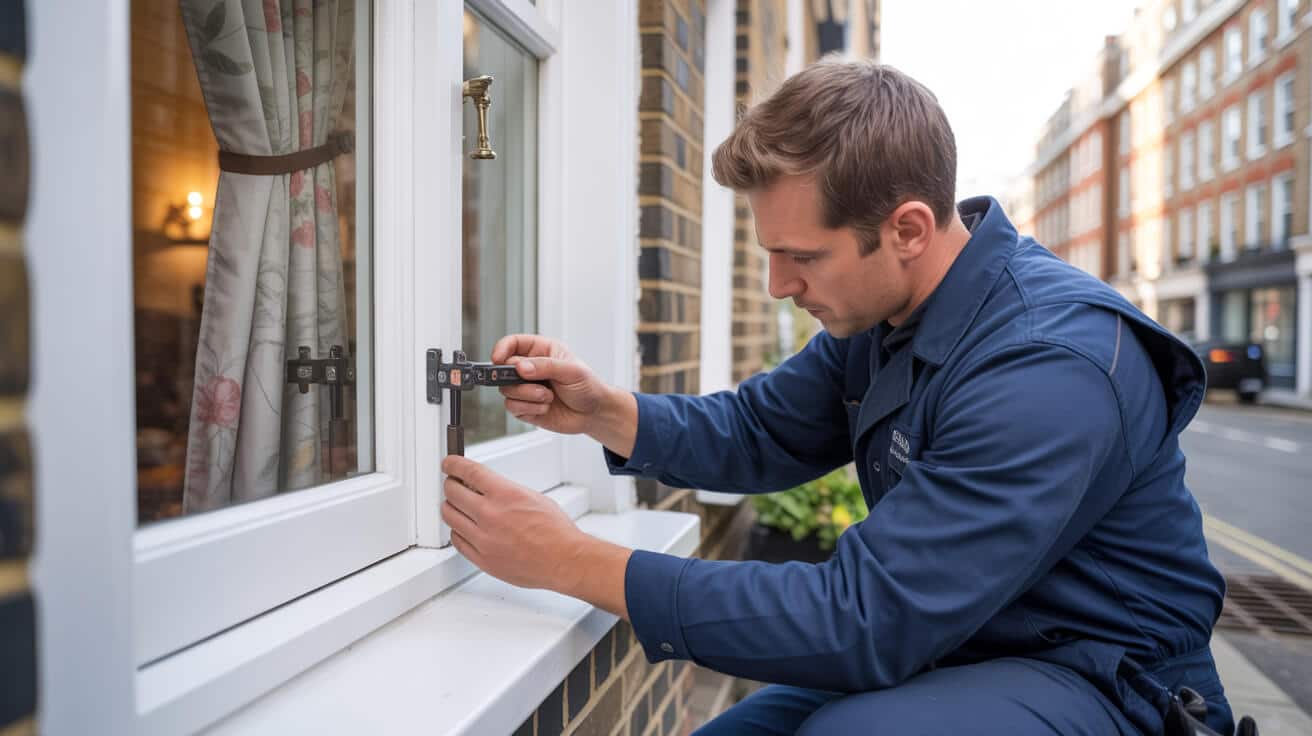
Most uPVC handle jams aren’t about broken parts—they’re about the door’s position. Homes settle, weather shifts, or a heavy slam throws the door out of alignment, misplacing the mating points and making even a brand-new handle seize up. Research shows more than half of all stubborn handles are rooted in a shifted frame, not a lock issue (keytek.co.uk).
It’s not always the handle’s fault—a small shift in your home can leave you locked out.
Is Door Age or Weather a Factor?
Absolutely. Years of use and London’s erratic climate stretch hinges and swell frames, creating room for headaches.
Can You Check for Alignment Flaws Yourself?
You can. Look for uneven spacing around the door or drag marks at the threshold; if you spot them, alignment is a likely suspect.
What Hidden Role Does Weather Play in Stuck uPVC Handles?
London weather isn’t just a conversation starter—it’s a major factor in uPVC handle failures. Sudden temperature swings, high humidity, or heatwaves subtly distort uPVC and shift the lock system out of sync. One study found up to 40% more emergency calls after severe weather hits (cotswoldslockandsafe.co.uk).
Weather works quietly, but its aftershocks can jam your door without warning.
Do Rain and Cold Really Matter?
Definitely. Quick moves between dry, humid, hot, and freezing cause more expansion and contraction—meaning more misalignment and sticky handles.
Will Awning or Shelter Help?
Yes. Shielding your door from harsh elements and promptly checking after bad weather buys years of reliability.
Is Dust and Grit More Dangerous Than You Think?

They creep in unnoticed, building up in moving parts and quietly adding friction. Over months, fine particles lock up mechanisms just as reliably as power failure. Locksmiths regularly trace “unexplained stickiness” to simple debris—solved by a clean (lardnerlocksmiths.com).
The real danger isn’t always visible; what you can’t see can still jam your plans.
How Often Should You Clean Your uPVC Locks?
Twice a year, use a brush or air duster. For homes in busy, dusty areas, consider quarterly checks.
Is There a Limit to DIY Cleaning?
If the first sweep doesn’t help, skip harsh cleaners or soaking—get a locksmith for a professional-grade refresh.
Are You Hurting Your Lock With the Wrong Lubricant?

Not all lubricants are friends to uPVC handles. Products like WD-40 or general oils trap dust, break down plastic parts, and cause more harm than help—professional-grade silicone or PTFE spray is the only safe option (lockfit.co.uk).
If the label doesn’t say for locks, it’s not for your handle. Quick fixes linger.
Is WD-40 Ever Okay for Locks?
No. Even if you see results at first, residue clogs mechanisms, leading to sticky build-up and premature failures.
How Much Lubricant Is Needed?
Resist the urge to over-saturate. A measured, short burst at each moving point is better than “the more, the better.”
Is Gearbox Failure the Real Villain Behind Your Limp Handle?
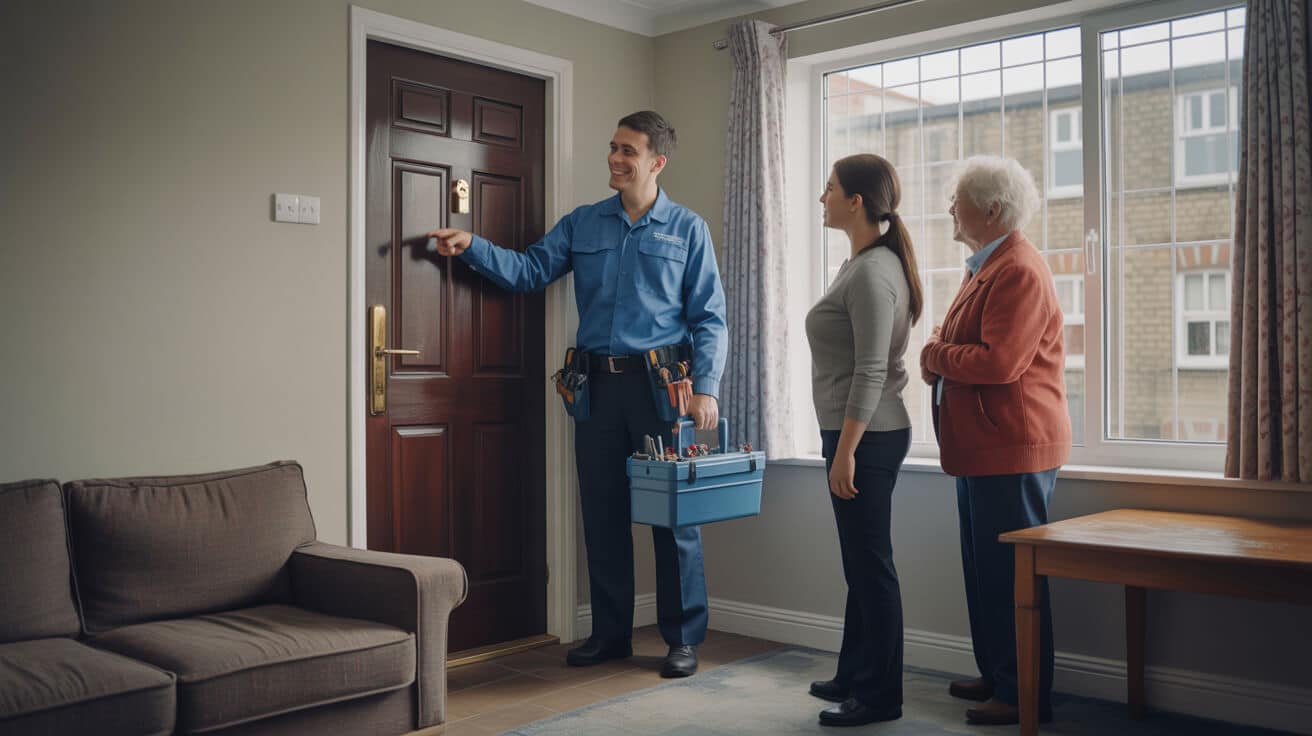
If your uPVC handle spins freely, droops, or fails to “catch” at all, a broken gearbox—hidden inside the mechanism—is a prime suspect. Luckily, repairs often mean swapping just this part instead of a costly full lock replacement (cotswoldslockandsafe.co.uk).
What’s out of sight can still deliver a knockout punch—don’t ignore your handle’s warning signs.
Can You Spot a Gearbox Fault?
If the handle moves fine with the door open but sticks when shut, the door needs alignment. If it’s limp in both cases, blame the gearbox.
How Much Trouble Can A Loose or Sagging Hinge Cause?
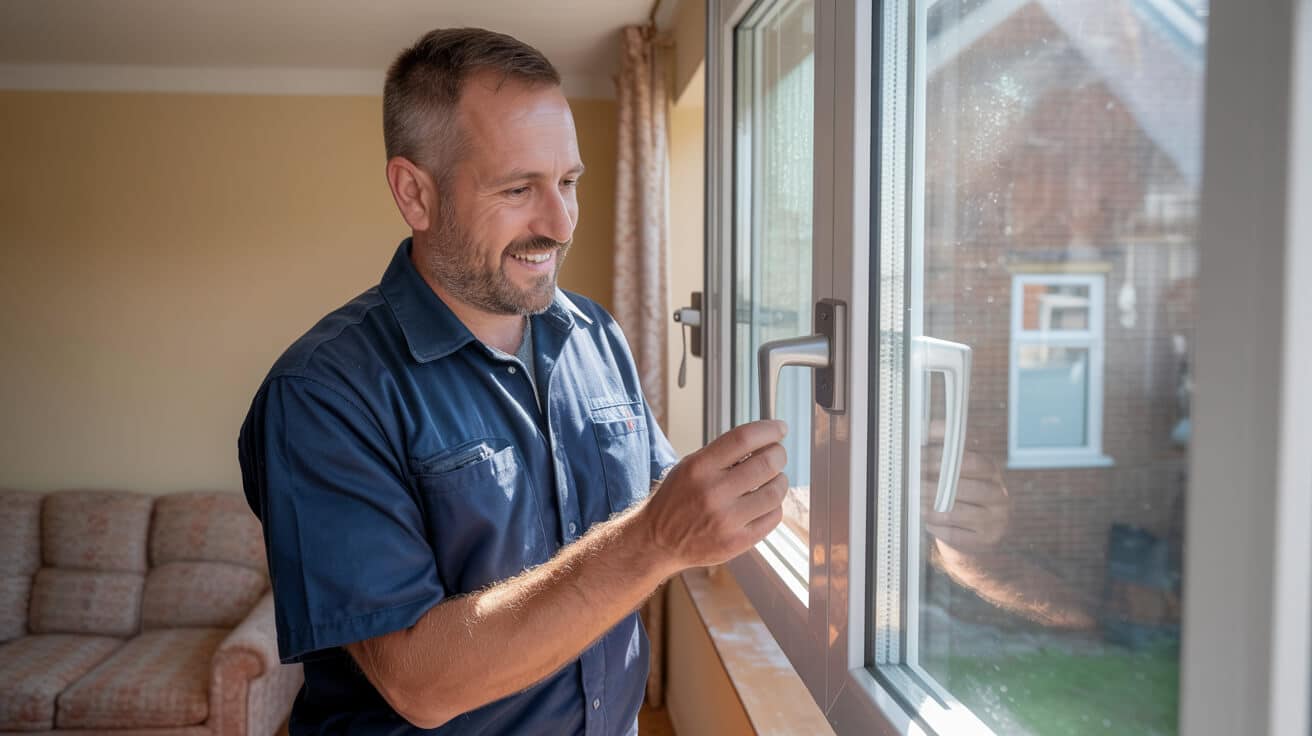
Loose, sagging, or misaligned hinges are behind a surprising number of jammed uPVC handles. In Greater London, more than 50% of stuck-handle callouts resolve with basic hinge adjustments or tightening (keytek.co.uk).
A screwdriver and a sharp eye can often save you a big repair bill.
Can You Adjust Hinges Yourself?
Yes—if you’re patient. Tighten gently, test often, and stop if you sense resistance. For more than slight adjustments, call in help.
If Hinges Don’t Solve It, What Then?
That’s your cue: it’s time to call a pro before expensive parts get damaged.
Why Do Locks Fail Faster If Seldom Used?
Surprisingly, dormant locks are more likely to stick or seize than ones you use daily. Sitting idle allows old lubricant to harden and dust to “cement” key components. Weekly movement and basic cleaning keep everything running smoothly—avoiding “surprise” lockouts.
When in doubt, move it—activity is health insurance for your door lock.
How Often Should You Move the Handle?
Once a week. Just a quick up-and-down, even without locking, is enough.
What’s the Best Routine?
Pair that weekly action with a biannual clean and light lubrication—cheap prevention, top-tier results.
Can You Test Handle Movement Without Breaking Anything?
Absolutely. Use a slow, steady lift and lower. If you feel any new resistance, grating sounds, or odd pauses, halt—those are your cues for preventive care.
A gentle check today avoids brute-force regrets tomorrow.
When Is It Time to Stop Trying Yourself?
Any “crunching” or stubbornness signals it’s time to step back—leave complex fixes to certified hands.
What Are the Edge-of-Door Clues Pros Never Miss?
The best locksmiths start with the door edge—scuffs, abnormal gaps, or bowed lines often reveal shifts and warps that cause handle malfunctions. Pro tip: these visible cues beat X-ray vision at diagnosing uPVC door issues fast (lockfit.co.uk).
What you see at the edge usually tells the real storey hiding inside your door.
Does a Clean Edge Mean All Is Well?
Not always. Small, nearly invisible misalignments can still block movement. Persisting symptoms? Get a professional diagnosis.
Does Location of Handle Sticking Help Pinpoint the Problem?
Yes, and this detail accelerates fixes. If sticking starts immediately, it’s likely a lubrication or debris issue. Stiffness halfway up? Internal wear. Resistance only at the top of lift usually means an alignment problem (lardnerlocksmiths.com).
Timing matters—describe when your handle sticks, not just what it does wrong.
Should You Share This With Your Locksmith?
Yes. The more you tell them, the faster—and more affordably—they can resolve your specific issue.
Can Bolt and Hook Checks Save You Money on Repairs?
Yes. Open the door and manually check every locking bolt and hook. If you feel light scraping, grinding, or sticky movement, cleaning or lubrication might fix it; if not, the issue could be inside (checkatrade.com).
Don’t assume the worst—sometimes all your lock wants is a little attention.
Can Rust Be Reversed?
Surface rust can be cleaned and lubricated away. Heavier corrosion requires swapping out the affected part—don’t let a small problem fester.
How Do You Clean a uPVC Lock Safely Without Making Things Worse?
Skip household oils and soapy water. Use a gentle, dry brush to clear out loose debris and a blast of compressed air for harder-to-reach spots. Introducing moisture or non-specialist lubricant often causes more problems than it solves (lockfit.co.uk).
Simple beats complicated—locks hate excess.
Any No-Go Zones?
Don’t put tools or fluid inside the lock barrel or dismantle advanced parts unless you’re professionally trained.
What’s the Professional’s Way to Lubricate Your uPVC Handle?
Certified locksmiths reach for PTFE or silicone spray—never grease or oil. They use just a quick, controlled shot, then work the handle up and down to spread the product evenly (keytek.co.uk).
Less is more—restraint keeps your lock moving freely for the long haul.
How Frequently for Peak Protection?
A twice-a-year application for most doors—with a spring check after winter and an autumn dose before cold hits.
Can a Layperson Realign a uPVC Door Without Trouble?
For minor cases, yes. Slowly tighten or loosen hinges, working in small increments, and test often for progress (cotswoldslockandsafe.co.uk).
Small steps work. Overzealous tweaks break what doesn’t need fixing.
What’s the Downside of Pushing Too Far?
Go too far and you risk lasting damage that invalidates your warranty—or makes your door impossible to shut.
What Signals a Broken Gearbox or “All-In” Lock Failure?
Spin the handle and get limp, loose, or solidly stuck feedback? That’s a classic gearbox failure. Time matters; immediate help protects not just your lock, but the safety and insurance value of your property (lardnerlocksmiths.com).
When your lock yells emergency, don’t gamble—reach for the right help.
Is Waiting for a Fix Smart?
No—every try after total failure just raises costs and risk.
Is There a Point When Doing It Yourself Makes Everything Worse?
There is. If you’ve cleaned, checked, and adjusted but still face jamming—or worse, a stuck key and handle—stop before causing expensive, irreversible damage.
DIY has a limit—sometimes, expertise is the only shortcut.
Can Amateur Repair Void Insurance or Manufacturer Protection?
Yes—most insurers and lock warranties demand evidence of professional intervention.
What If Both Handle and Key Decide to Freeze?
If both the handle and key stop moving, it signals a major mechanical jam. Forcing it now leads straight to property damage, lockouts, or broken glass. Professional entry is the safest, often quickest solution—your claim may demand it (cotswoldslockandsafe.co.uk).
When peace and safety matter, leave it to the pros.
Does Insurance Cover My Emergency Callout?
If you try repairs first, probably not. Only professional documentation keeps you covered.
What Sets the Pro Approach Apart—And Is It Worth It?
Pros use non-destructive entry, precision tools, and protect both your door and its fittings. Their work maintains resale value, guarantees, and property coverage.
Skill saves—not just your lock, but your long-term comfort.
How Do You Pick a Qualified Locksmith?
Insist on certification, positive local reviews, and clear credentials—amateurs cost more in the end.
How Fast Can a London Locksmith Save Your Day?
Prime Alert – The London Locksmiths offer true 24/7 support anywhere in London, with most emergencies handled inside an hour (lardnerlocksmiths.com).
One phone call; one less worry. That’s efficiency.
What Should You Expect on Arrival?
Prompt, polite technicians with clear cost breakdowns—and most issues fixed the same day.
Is the Cost of Fixing a uPVC Handle Lower Than You Think?
Usually yes. For alignment, cleaning, or lubrication, the fee is modest—far below what it costs to replace a full mechanism or, worse, a damaged door (keytek.co.uk).
Prevention is priceless. Transparency means you know before you spend.
Will Out-of-Hours Work Break the Bank?
It’s rarely wild. Trusted locksmiths are upfront about minor premiums for late-night or urgent work.
What DIY Blunders Make Matters Worse (and Costlier)?
Flooding barrels with oil, yanking levers, or prying at stuck parts are expensive short-cuts to major repairs (lockfit.co.uk).
Sometimes the hardest thing is not diving in with both hands.
How Do You Dodge the Big Mistakes?
Stick to gentle movement, light cleaning, and minor hinge tweaks. Leave all else to a pro.
How Can Regular Maintenance Future-Proof Your uPVC Door?
Simple routines—twice-yearly lubrication, once-a-month handle operation—extend the life and reliability of your uPVC mechanism by years (lardnerlocksmiths.com).
The peace-of-mind habit is better than any last-minute fix.
Where Should You Get Maintenance Tips?
Prioritise advice from established local locksmiths and skip random “shortcut” hacks online.
How Quickly Can Most Stuck Handles Be Fixed?
Fast—assuming you reach out early. In most cases, a professional repair means a single visit, immediate comfort, and zero hassle (checkatrade.com).
Ease returns quickly; you’re never the only one with a jam.
Is There Stigma Attached to Getting Help?
None. Jammed handles are part and parcel of London life; the best move is fixing it before it gets worse.
How Soon Should Security, Schedule, or Stress Push You to Call?
If you’re risking your safety, missing appointments, or battling stubbornness that won’t budge, act now. Prime Alert’s certified locksmiths operate “whenever you need”—no waiting for the sun to rise.
Security doesn’t clock out at 5pm—your peace shouldn’t either.
Will Someone Help on Holidays or Nights?
Always. Rapid, round-the-clock support is baked into Prime Alert – The London Locksmiths’ service.
Why Rely on Prime Alert – The London Locksmiths for uPVC Door Rescue?
Prime Alert isn’t another name on a list—it’s London’s gold standard for certified, guaranteed, and solution-first locksmithing. Transparent pricing, rapid arrival, and first-visit repair are the rule, not the exception.
Get your comfort and safety back with one call—Prime Alert makes it happen, every time.
Are Emergency and Same-Day Services a Given?
Yes. 24/7, citywide, and 9 out of 10 repairs finished on the first call—no waiting, no wasted time.
What Gives Prime Alert a Real Edge?
It’s reputation and results: clear promises, proven expertise, and a commitment to making your challenge disappear.
Take Charge—Secure Your Home’s Future with Prime Alert Today
Don’t let a sticky uPVC handle inconvenience, stress, or unnerve you another hour. With Prime Alert – The London Locksmiths, you gain immediate security, clarity, and peace of mind—whether at home or running your business. Book your repair now; leave delays, risks, and all that frustration behind.
Frequently Asked Questions
Who reliably fixes a uPVC door handle that won’t lift—and how does specialist training make the difference?
When your uPVC door handle refuses to lift, it isn’t just a nuisance—it exposes your home’s security and can disrupt your routine. The safest choice? Use a locksmith who focuses daily on uPVC and multi-point locking technology, not simply a general “lock smith.” Ideally, seek out a fully qualified, insured locksmith, first-hand local reviews, and teams with proven experience repairing gearboxes, euro cylinders, and anti-snap systems. Prime Alert – The London Locksmiths sets the bar with deeply trained, background-checked experts—helping prevent full door failure and giving peace of mind at every step.
The smallest fault in a handle is rarely the last—it’s the one you watch become a bigger bill.
How does genuine expertise show up on the job?
- Ongoing sector-specific training for technicians
- Experience with major brands and insurance standards
- Fast on-site troubleshooting to avoid further damage
- Transparent pricing and real-time progress updates
How do specialists accurately identify whether your uPVC handle problem is alignment, gearbox, or a lock issue?
Professional locksmiths start by testing the handle with the door open versus closed—a straightforward move that instantly points to alignment or gearbox wear. If your handle only sticks when shut, it likely means the door has dropped or shifted slightly; if it’s stiff regardless, the gear or cylinder itself is suspect. Precise checks include inspecting for spindle wear, looking for material scraping, and assessing play in the mechanism. With the correct tools and a full inventory on hand, a specialist usually fixes what’s wrong in one visit, minimising disruption and lockout risk.
What’s in a pro’s diagnostic kit?
- Digital callipers for spindle/backset checks
- Precision hinge tools and alignment guides
- Manufacturer-specific gearboxes and handles
- Insurance-grade lubricants—never DIY oils
When does DIY on a uPVC handle make sense—and when is it best left to the professionals?
Basic cleaning and gentle screw-tightening is typically safe for homeowners. Problems start if:
- Handles remain stuck or floppy after those fixes
- Any grinding, “gritty” resistance, or loss of springiness appears
- You’re unsure which part needs changing (spindle, gearbox, cylinder)
- The lock jams or key turns stiffly
Going further risks breaking internal mechanisms, bending the spindle, or voiding your insurance. Even seemingly simple mistakes—like overtightening or using the wrong lubricant—can escalate to costly repairs. That’s why thousands trust Prime Alert for prompt, specialist intervention.
How much should you expect to pay for uPVC handle repair or replacement in the London area?
In London, adjusting alignment or simple handle fixes typically runs £60–£90, depending on accessibility. Swapping out a branded gearbox or lever set, including parts and labour, is usually £85–£170—higher-end doors or additional enhancements like anti-snap can run more. Urgent after-hours service can add £20–£50, but top firms quote all fees upfront. Full door replacement is rare, needed only when frames are seriously warped or multiple lock systems have failed—costs then start from £700.
| Repair Type | Common Cost (London) | Service Details |
|---|---|---|
| Alignment/adjustment | £60–£90 | Realignment, minor adjustments |
| Gearbox/handle replace | £85–£170 | New branded parts and fitting |
| Emergency/after-hours | £95–£130 | Fast response, most repairs same-day |
| Full door replacement | £700+ | Uncommon—major structural failure |
Which brands and part options provide the most robust repairs for uPVC handles?
For a repair that endures, locksmiths reach for trusted names: Yale, GU, Mila, Winkhaus, Avocet, and Era lead the pack. Depending on your door’s age and fitting, universal options like Fab & Fix, Hoppe, or Fullex enable precise matches to uncommon profiles. The best professionals always match the gearbox and handles to manufacturer specs—avoiding off-brand kits that can undermine security or reliability. It’s this attention to detail that Prime Alert’s locksmiths apply, using only insurance-grade lubricants and certified hardware.
What qualities do professionals look for in components?
- UK/EU compliance markings (BS/EN standards)
- Anti-snap and anti-bump protection available
- Exact profile and backset match for the mechanism
- Durable finishing for frequent use
How do accreditations and part choices affect your insurance and peace-of-mind?
A certified locksmith does more than just fix a handle—they help keep your insurance valid by using only manufacturer-approved, standards-certified parts (BS EN 1303, BS 3621, and others). Documentation and transparent guarantees ensure compliance, while a fully qualified, insured locksmith confirms the technician’s skill and trustworthiness. Prime Alert locksmiths deliver not just a functional door but also compliance you can show your insurer if ever required.
When security and compliance matter, the difference isn’t just in the fix—it’s in every check, part, and credential.
Don’t let one jammed handle dictate your home’s safety. Secure a prompt, sector-grade repair from Prime Alert – The London Locksmiths and let every part of your property work for you long after today’s challenge is solved.