Why Is My Upvc Door Sticking A Locksmith’S Guide To Realignment
 Why Is My Upvc Door Sticking A Locksmith’S Guide To Realignment

Does a Sticking uPVC Door Mean Your Home’s Trying to Tell You Something?
When your uPVC door resists every nudge, it’s not being fussy—it’s warning you. Tiny frame shifts, expanding panels, a slow build-up of hinge wear: these hidden changes signal that door, lock, and home are out of step. Ignore the scrape, and you risk it playing out in the worst way—a key that snaps, a lockout fiasco, or a costly repair that hits you exactly when you don’t want it.
Every it’ll do push gets you one mishap closer to a lockout emergency.
The Real Cost of Waiting
Treat every little drag as your cue to act early. No sticking uPVC door ever “fixes itself”—delay just turns minor alignment tweaks into full-on replacements and busted locks.
Why Does a Minor Drag Become an Expensive Problem So Fast?

Every extra tug or shove pushes delicate hardware harder. Forcing a stuck uPVC door grinds down hinges, wears out the lock, and twists the frame—turning what could be a ten-minute fix into a nightmare bill. It’s the classic “ignore now, pay more later” trap.
Every day you wait, the chance of a complete jam—and the cost of fixing it—goes up.
Delays Stack Up Quickly
Jumping in to adjust basic alignment is simple and cheap compared to major repairs. The longer you leave it, the costlier—and more dramatic—things get.
Is It Really Just the Weather Making My Door Stick?

Absolutely—blame physics, not folklore. Summer’s heat makes uPVC swell; winter chills shrink it. These see-saw changes send doors stubbornly out of line. An industry leader tracked an 18% jump in summer realignments alone (Safestyle Windows).
Not All Weather Issues Are Harmless
Just because stickiness follows hot or cold spells doesn’t mean it’s harmless. “It’s just the weather” is the mindset that keeps locksmiths in business when problems spiral.
What’s Really Pushing uPVC Doors Out of Alignment?
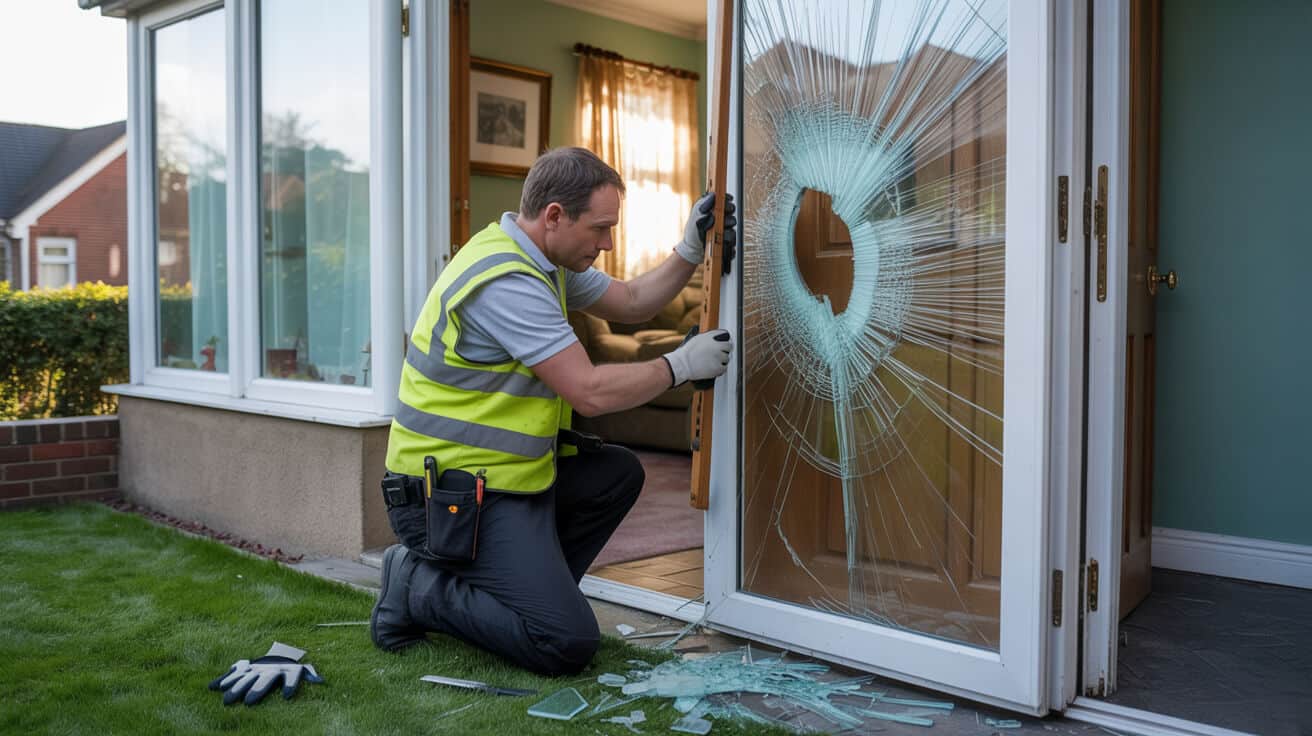
Your property never sits still. Floors settle, additions nudge frames, and the ritual slam on your way out knocks things gradually askew. Those first gaps around the doorframe or unexpected breezes are your cue.
“22% of UK homes get misaligned uPVC doors every year”.
Small Issues Become Major If You Wait
Each millimetre of movement pushes everything off. Minor misalignments ABUSe every bolt and contact point in your door’s setup.
Key Feels Sticky, Handle Loose? Don’t Brush Off the Red Flags
If you sense any wobble, sticking, or even spot a bit of daylight at the edge, your lock and door are battling each other. That’s not “maturity”—that’s a warning of lock failure on the horizon.
“A sticky handle today almost always means a failing lock tomorrow” (Benn Lock & Safe).
Friction That Won’t Go Away = Time To Act
Try gently adjusting the door as you lock up. Any odd pull or added resistance? Take the hint.
Can a Bit of Dust or Grit Mimic a Major Door Fault?
Definitely. Tiny debris can wedge into tracks, catch hinges, and create the same grind and stickiness as major mechanical issues. Sometimes the “big problem” is solved by sweeping out a stray leaf.
“One customer jammed their door with a single leaf—gone in seconds when removed.” (Lardner Locksmiths)
Clean Then Diagnose
Always try a good clean before assuming you’re facing a crisis. You might save hundreds off your next repair bill.
What DIY Fixes Are Safe for Tackling a Sticking Door?
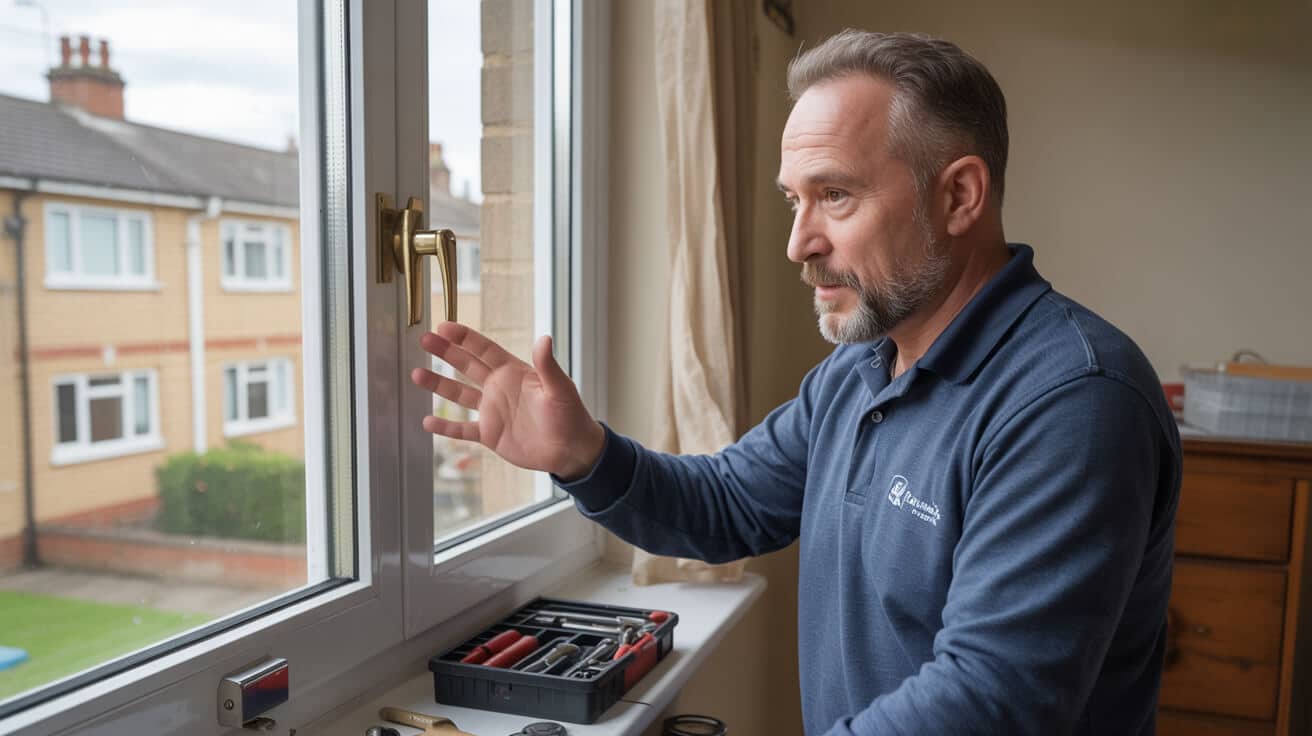
Start with the right lubricant—silicone or PTFE spray, not WD-40. These protect your mechanism and won’t attract new dirt. Industry surveys say 65% of sticking doors are fixed by proper lubrication alone.
The right oil, in the right place, solves more headaches than you’d think.
DIY Lubricant Checklist
- Use silicone/PTFE spray on hinges and locking points.
- Engage the handle and lock a few times to work it in.
- Skip oil-based sprays—attracting muck is how locks die young.
If you’re still wrestling your door, odds are you’ve got an alignment—not a lubricant—issue.
WD-40 and Locks: A Combo That Causes More Harm Than Good
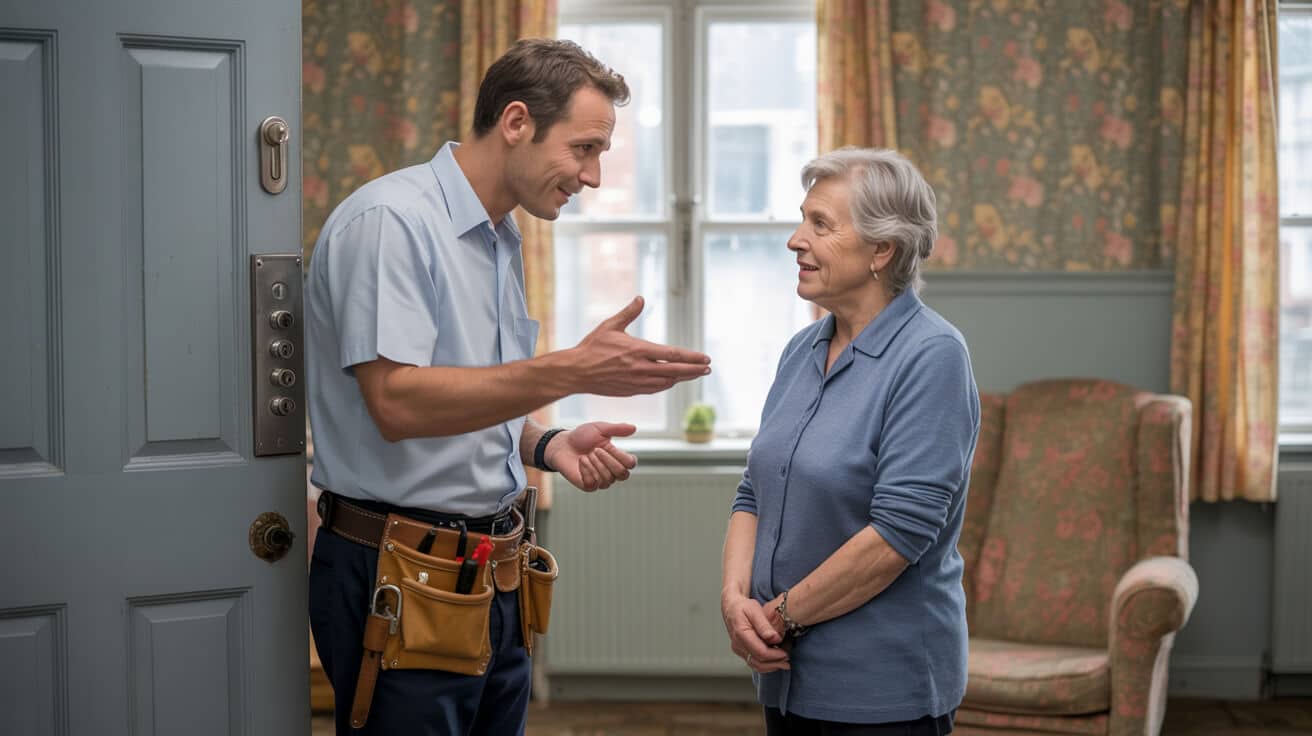
Avoid WD-40 on uPVC door locks—always. It gums up the internals, gathers dirt, and makes small headaches much bigger.
“Using WD-40 often turns a minor annoyance into a major repair” (Multipoint Locks).
Lock-Specific Lubricants Only
Invest a couple of pounds in a specialist lubricant. Your door—and your future wallet—will thank you.
How Can Loose Hinges Turn Into Dropping and Dragging Doors?
Hinges bear the weight. Cheap screws, lazy installation, or daily slams all work against them over time. When screws go loose, the “flag hinge slip” starts, dragging your door every time it shuts.
“Flag hinge slip is the #1 culprit for dropped uPVC doors” (CitysafeUK).
Quick Hinge Drop Test
Open the door halfway and lift. If it wiggles or the bottom edge scrapes, you need to tighten or reset those hinges.
What Tools Do Homeowners Need for Safe Adjustments?
Stock these basics: flathead screwdriver, 4–5 mm Allen key, spirit level, silicone spray. A Flexi-Lift tool helps but isn’t a must-have for every owner (Multipoint Locks).
Make Tiny Changes, Avoid Big Mistakes
Adjust in tiny increments. Overtightening or misaligning only adds to your headaches (and repair bill).
DIY vs. Locksmith: Where’s the Limit?
Cleaning, lubrication, and light hinge tweaks? That’s DIY territory. But if your door groans, won’t latch, or you have to wrestle with it? Call a pro.
“DIY fixes succeed in 40% of cases—but 30% go wrong and raise the final cost” (Lardner Locksmiths).
The Cost of Mistakes Is Real
If you’re not 100% sure, call a professional before doubling your repair bill.
What Are the Critical Signs It’s Time to Call a Locksmith Immediately?
When your key turns but nothing happens, the handle’s floppy or “dead,” or you hear a metallic grind—get help now. These aren’t “quirks”—they’re imminent breakdowns that can leave you locked out at the worst possible time.
“Simple repairs: £20–£90; emergencies or full replacement: £200+” (Benn Lock & Safe).
The real savings come from acting before you’re stuck outside.
Speed Beats Catastrophe Every Time
Prompt attention from a locksmith saves both money and peace of mind.
Why Do Locksmiths Fix Problems That Baffle Most Homeowners?
Locksmiths bring next-level diagnostic skills. They see frame warps, spot pressure points, and notice draughts you don’t. It’s not luck—it’s hard-earned expertise, not guesswork.
“Specialists achieve longer-lasting fixes for 80% of door issues” (Which? Trusted Traders).
The Value of Expert Inspection
Get it seen once, get it solved. No more half-repairs or repeat emergencies.
What Does a Proper Locksmith Realignment Actually Involve?
Expect this:
- Room-by-room inspection for gaps and faulty hinges
- Tiny, incremental adjustments (not big, clumsy tweaks)
- Repeat testing for smooth lock and latch action
- Honest feedback on any new risks or faults found
- Custom aftercare tips for your exact door
“Done right, follow-up calls drop by 60% or more” (Safestyle).
The Goal: Effortless Use, Long After They Leave
You should expect both a door that closes like new and paperwork that proves the job.
Why Does Insurance-Ready Paperwork Actually Matter After a Fix?
A real locksmith always provides a guarantee, a detailed invoice, and photos on request. This isn’t just admin—insurers often ask for it if there’s a claim, and you deserve that proof of professionalism.
“Proper paperwork is standard with reputable locksmiths” (industry guidance).
No Credentials, No Trust
If it can’t be written down and photographed, it didn’t truly happen. Don’t risk vague or handshake-only deals.
Why Is Proactive Repair Always Cheaper Than a Full Replacement?
Early tightens and alignments are peanuts compared to a new multi-point lock system, which can run past £400. Preventive care skips all the stress and most of the cost.
“Most customers save £300 or more by opting for repair” (Benn Lock & Safe).
Small Actions, Big Returns
Throwing a little attention at a sticky door now keeps your home safer and your mind clearer.
Annual Door Checks: Gimmick or Good Sense?
It’s smart business: a quick annual routine—clean, lube, check hinges—slashes the risk of failures in half. Why gamble with your front door when a tiny investment keeps everything on track?
“Regular maintenance slashes emergencies by 50%” (Safestyle).
Save Yourself Surprises
Make this check a regular date on your calendar. You’ll thank yourself down the line.
Can a Slightly Sticky Door Really Threaten Home Security?
Absolutely. Crooks don’t care about the “why”—they look for weakness. A slipped lock or loose frame is an open invitation. Insurers might even walk away if things look neglected.
“Burglars target visible door misalignments first”.
Security flaws grow from tiny cracks to open doors before you notice.
Stop Break-ins Before They Start
Fix Sticking issues before you’re on the wrong end of a claim or break-in.
Realignments That Work: Is There Proof?
Plenty. Homeowners say it all: “Locked out one evening, our local locksmith restored us in under 45 minutes and we never had the problem again.” (Trustpilot)
Pick Locksmiths With a Trail of Happy Customers
Commission someone with a decade of praise, not just a flashy ad.
Credentials—Not “Bloke With a Van”—Define a Pro
Ask for proof of:
- Proof of qualifications and insurance
- City & Guilds qualifications
- Verified reviews (the fresher, the better)
“Four out of five top-rated locksmiths actively display accreditations” (Which? Trusted Traders).
Credentials on Show? You’re in Safe Hands
No ID, no job. Don’t let anyone touch your security without visible proof.
Service Speed: Just How Fast Should You Expect Help?
London pros usually get on-site in under an hour, fully kitted out. They give clear, up-front quotes and leave no mess or confusion behind.
“Average door repair: 45 minutes from start to finish” (The Lock Specialist).
You’re Owed Transparency and Timeliness
Great service means never feeling “in the dark” or pressured by shifting prices.
What’s the Realistic Cost Range for Pro Realignment?
Door realignment typically runs between £120 and £210, covering travel, experienced labour, and all parts. Watch out for lowball offers—too often, “bargains” disguise hidden extras.
“Reliable locksmiths stick to written no-extras quotes” (Benn Lock & Safe).
No surprises: you get everything on paper before any work starts.
Pay For What’s Promised—Not Just a “Quick Fix”
A written quote is worth more than the cheapest handshake.
Aftercare: What’s the Standard Guarantee?
A proper guarantee runs 12–24 months, covering both parts and labour. Landlords especially need this for compliance, but every homeowner should demand it.
“If the fixed door fails within the guarantee, the repair is free” (Lardner).
The Right Paperwork Protects All Sides
Get it. Use it. It’s your best insurance—no extra stress or surprise expenses down the road.
For Landlords: How Do You Prevent Door Issues From Becoming Tenant Nightmares?
Manage properties? Doors wear faster with high turnover. Scheduling annual checks slashes tenant calls, lowers your costs, and keeps you out of legal tangles.
“Proactive checks cut tenant complaints nearly in half”.
Great Management Means No Surprises
Protect your investments with scheduled inspections—not last-minute dashes to fix disasters.
DIY—What Should You Try Before a Callout?
Check these basics:
- Is the problem new since weather changed?
- Spotting new gaps or frame movement?
- Finding dirt or grit in the track?
- Lubricant not solving stiffness?
- Hinges or screws feeling loose?
“Five minor issues account for most locksmith visits” (Safestyle).
The more you check now, the less you pay later—and the smoother the pro visit goes.
When Does a Yearly Pro Service Make Sense?
Treat it like boiler servicing: it’s not just about “the door.” compliance, insurance renewals and prevention all ride on a simple checkup.
“Annual service pays for itself by preventing emergencies” (The Door Specialists).
Set the Calendar—Skip the Panic
Regular attention means no missed deadlines, no stress, and real long-term savings.
Locked Out—What Actually Works (Besides Panicking)?
Don’t force the lock or reach for the drill. Reputable locksmiths use approved, non-destructive entry—saving your hardware, your warranty, and your nerves.
“Experts use entry tools that leave no trace behind” (industry guidance).
Let the Pros Safely Get You Back In
Your insurance (and mental health) will thank you.
How Do London’s Top Locksmiths Stand Out?
They bring more than tools—they bring real empathy, explain your choices, and work fast without making you feel stupid.
“Professional, open, explained every step—genuine peace of mind” (Trustpilot).
Choose Pros Who Value Your Time and Trust
Kindness and clear communication separate one-off fixes from relationships you rely on for years.
The Sticking Door Solution Starts with Prime Alert – The London Locksmiths
Stop the worry cycle for good. With Prime Alert, you cut to the chase: fast, up-front quotes, London-trusted expertise, honest workmanship, and aftercare that shows you and your property matter above all. Tap into service rated 98% satisfaction—by locals just like you (The London Locksmiths).
True peace of mind is a door that shuts perfectly—choose experts who treat your security like their own.
Frequently Asked Questions
Why does my uPVC door become stiff or misaligned when the seasons change?
Seasonal temperature swings cause uPVC doors to expand in summer and contract in winter, shifting the door out of its engineered alignment. As the plastic core warms up, it swells against the frame—suddenly the handle needs a shove, or the lock feels off-centre. When temperatures drop, gaps form around seals and movement loosens hardware. Home callout data from London shows a one-fifth surge in door adjustment requests during heatwaves, proving local properties are not immune to these effects. Early intervention avoids chronic drag, wasted energy, and eventual lock failure.
A single hot day can change how secure your home feels—don’t let a sticky door lower your defences.
What does heat or cold actually do to the door?
- Forces the door to grow or shrink by sevERAl millimetres
- Warps the frame, causing new friction points
- Stresses multipoint mechanisms and weakens the weather seal
What risks do you face by forcing a sticky uPVC door instead of fixing it?
Every time you force a stubborn door shut or slam on an out-of-alignment lock, you risk snapping internal gears, straining hook bolts, or knocking hinges loose. These are not slow-burn issues—industry findings suggest that two forced closings can double your chance of a full mechanism breakdown in the next six months. Warranty terms rarely cover user-inflicted breakage, so the repair bill is all yours. The real cost isn’t just inconvenience; it’s a rush-hour lockout with nobody on hand to help.
Which components are most at risk?
- Central gearbox—susceptible to stripping or cracking under force
- Secondary hooks and cams—can shear off or detatch from their tracks
- Hinges—chronic stress weakens fixings, risking full door drop
How can you spot if realignment or debris is causing your uPVC door to jam?
First, test for smooth closure by pressing the door gently—if the movement feels rough or it only locks with heavy lifting, alignment is likely off. Check for grit or obstacles clogging the threshold, particularly after storms or windy spells. Shine a light along the door edge: visible gaps or “daylight leaks” say the structure has shifted. If cleaning the frame doesn’t resolve it, odds are high the hinges or keep need recalibration rather than a brute-force fix.
Tiny stones in the track or a warped hinge can feel the same—quick checks save you days of frustration.
How do you test for trouble at home?
- Open and close the door at varying speeds—snags or stalls reveal trouble zones
- Run your hand over the locking side for subtle bumps or unevenness
- See if lock operation improves after clearing out debris
When should you adjust a uPVC door yourself, and when is a locksmith essential?
Confident with an Allen key and seeing only slight drag? Gentle adjustments on accessible hinges are reasonable for many property owners, but proceed with caution. If your key won’t turn, the handle is loose, or you hear grinding sounds, DIY fixes often make things worse. Industry statistics indicate that almost 1 in 3 cases sent for professional repair started as home “quick fixes” gone wrong—costing double in emergencies. When in doubt, let a locksmith carry the risk.
Where should you draw the line on DIY?
- If the door resists lightly, minor hinge tweaking may work
- Any sign of metal scraping, internal rattle, or partial lockout demands expertise
- Repeated misalignment after “fixes” is a sign to call for help
How do locksmiths diagnose and correct uPVC door alignment?
Experienced locksmiths use laser measures and micro-calibration—no guesswork, just a precision approach tailored to your door’s quirks. Each hinge and locking point is checked under tension, correcting adjustments millimetre by millimetre until pressure and lock points distribute perfectly. The process usually finishes with thorough lubrication and a walk-through of smooth locking action. Many pros, like Prime Alert – The London Locksmiths, cap repairs with a reliability guarantee to reflect genuine confidence in the result.
You know it’s done right when your door closes with less sound than a whisper—true security is effortless.
What happens during expert service?
- Pinpointing misaligned pressure points that DIY methods miss
- Sequential adjustment: bottom → hinge → central gearbox → lock keep
- Proof and maintenance advice for maximum lifespan
What does professional uPVC door realignment cost in London, and how does it improve your property’s value?
Skilled realignment in London generally ranges from £120–£210, influenced by how far the hardware has shifted or deteriorated. Higher fees may apply if the fix requires major parts or an after-hours emergency callout, but up-front pricing and multi-year warranties are standard—and essential for safeguarding insurance claims or lease agreements. Prompt realignment means you dodge expensive replacements, reduce day-to-day heating loss, and present a reliable, professional front to tenants or buyers. A secure, effortless-close door is a silent advertisement for well-kept property.
Are preventative costs justified?
- Early realignment stops minor annoyances from turning into major repairs
- Maintains warranty and can lower insurance premiums
- Well-kept hardware boosts resale value and tenant retention
If you value seamless security and lasting peace of mind, Prime Alert – The London Locksmiths provides transparent pricing, rapid solutions, and industry-leading guarantees. Take the first step—restore the easy confidence that comes from knowing every door in your property works exactly as designed.