

 Can A Locksmith Help With Fire Door Compliance
 Can A Locksmith Help With Fire Door Compliance
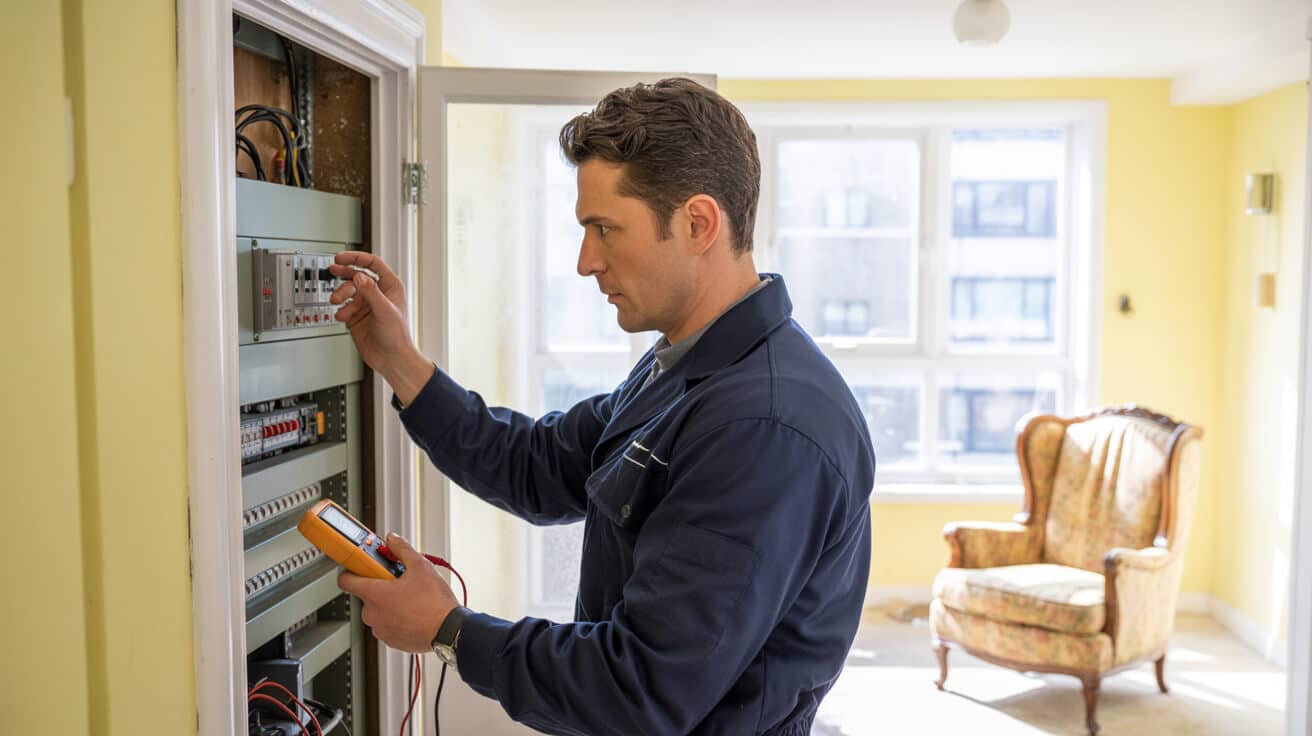
How Does Fire Door Compliance Change What a Locksmith Can (and Can’t) Do for You?
Every owner is on the hook. In London, fire door compliance isn’t a box-tick for insurance — it’s a live-wire legal and reputational exposure. Anybody can call themselves a locksmith; nobody checks their badge at the door. That leaves your business with the weight of every shortcut or overlooked credential.
Experience on its own is now a liability — compliance lives and dies on proof.
Locksmiths may flex decades in the trade, but when it comes to fire doors, their past doesn’t matter; only specialised, up-to-date fire door qualifications carry legal weight. You cannot delegate compliance — if a provider bluffs, the fallout is yours. Demand documentation. Accept nothing less than credentialed, traceable, and audit-proof service for every door.
What Really Counts as a ‘Compliant’ Fire Door in the Eyes of the Law?

A legally compliant fire door is not just a solid slab of timber or metal. It’s an engineered and certified safety ecosystem: every element (frame, leaf, hinges, seals, closer, signage, and lock) must be sourced from approved manufacturers, hold specified marks (CE, UKCA, BS), and be accompanied by paperwork that tracks its provenance to the door (fdis.co.uk).
If one detail — a missing label or uncertified screw — falls out of spec, the law considers the entire system invalid. Audit survival isn’t about intentions; it’s about an air-tight paper trail that draws a straight line from each component to installed proof.
One unlabeled latch is enough to nullify every bit of your careful preparation.
Who Decides if a Locksmith Is Allowed to Touch Fire Doors?
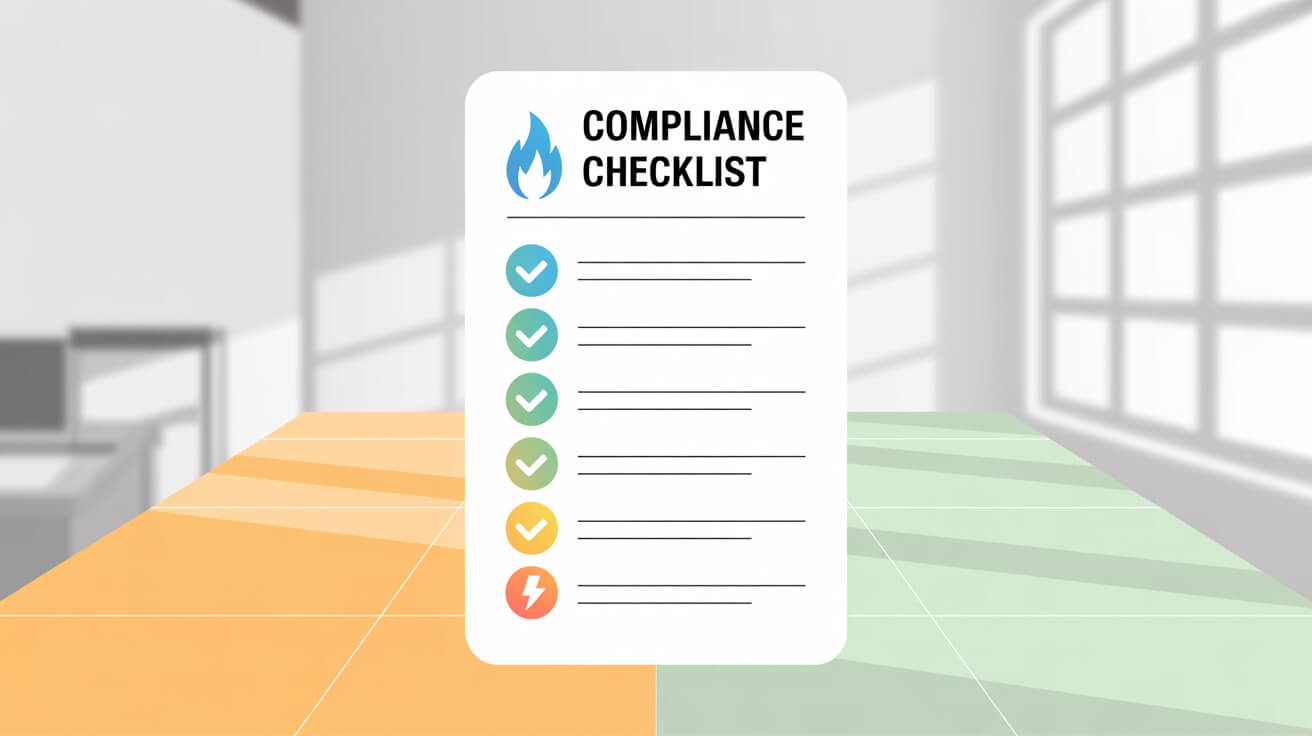
The gold standard is outside your control: government fire regulations and insurers’ requirements set the bar. Only a “competent person” — as defined by the Regulatory Reform (Fire Safety) Order 2005 — is legally allowed to carry out installation, maintenance, or repair of fire doors in commercial and multi-residential settings.
Competence isn’t a handshake or a claim. It’s formal evidence: FDIS Diploma fire door certification and recognised fire-door qualifications — time-stamped, registered, and verified (gov.uk). If a provider can’t show credentials immediately, their tools should stay in the van.
Which Jobs Require a Specialist Locksmith Versus a General One?
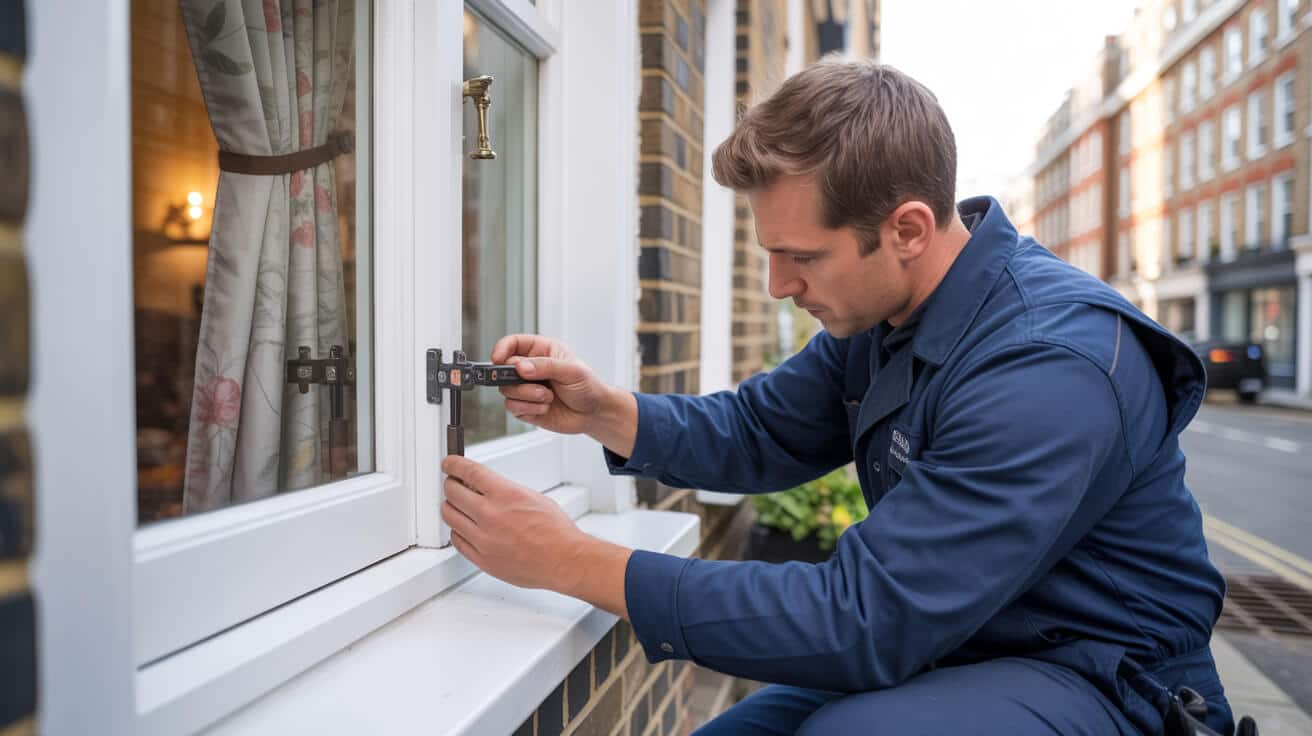
A general locksmith can help with non-fire-rated locks, key duplication, or general repairs — but for anything touching a fire door:
Installation, Upgrade, or Replacement of Fire-Door-Rated Hardware
Only accredited specialists fit or replace hardware. Every lock, closer, handle, or vision panel must be certified for fire resistance and bear the proper CE, UKCA or BS mark (thefpa.co.uk).
Fire Door Inspections and Compliance Logging
Only a fire door certified locksmith or inspector can conduct compliance checks, produce signed inspection logs, and complete the paperwork required for regulatory or insurance standards (fdis.co.uk).
Urgent Rectification and Documentation
When a breach is discovered, only those with proper fire door credentials can legally perform corrective work and issue the compliance paperwork that stands up to audits or claims (integrityfiredoors.com).
Why “Regular” Locksmithing Isn’t Enough for Fire Door Compliance

Insurers and the law won’t care how loyal or long-serving your usual locksmith is. compliance depends on the right specialist credentials and constant evidence:
- FDIS fire door specialist certificates — always in-date
- Up-to-the-minute CPD (Continuing Professional Development) proof
- Digital/paper logs of every inspection and repair
Anything less, and you are left exposed if an incident, audit, or claim blows back on your building.
How to Spot a Credible Fire Door Locksmith (and the Red Flags)

Credibility Markers
- Recognised fire-door qualification: Active and displayed; survives random audit
- FDIS Diploma (recent): Renewals and training evidence on tap
- Documented CPD: Tracked, up-to-date learning, never expired
Warning Signs
- Paperwork is “pending” or expired
- Can’t provide log or photo evidence before starting work
- Offers to “fit similar” or “match to what you’ve got”
If a locksmith hesitates when asked for credentials, walk away.
What Legal and Financial Hazards Come with an Unqualified Locksmith?

Hire wrong and you could lose far more than a door — whole insurance policies are voided, property flagged as unsafe, and audit trail gaps turn into prosecution risk.
- Compliance is instantly wiped out by unqualified repairs or uncertified hardware
- Failed inspections expose you to urgent, costly remedial work and regulator scrutiny
- Criminal liability: owners and managers are legally responsible for “negligent” fire door arrangements ([thefpa.co.uk](https://www.thefpa.co.uk/news/fire-and-iron-a-guide-to-fire-door-ironmongery?utm_source=openai))
The court will ignore intentions and focus on documented evidence.
Documentation: The Shield That Survives Any Inspection

Take every fire door repair, upgrade, or service and tie it to:
- Signed, dated certificates of work
- Visible CE, UKCA, or BS labels per replaced part
- Logs that track all inspections and interventions (physical and digital)
Missing just one of these means you’ll have a compliance hole exposed during surprise audits or post-incident investigations.
How to Check a Locksmith’s Fire Door Credentials and Track Record
- Use official directories: Crosscheck the FDIS roll for the exact engineer, certification, renewal date, and ID.
- Ask for snapshot proof: Take digital or paper photo evidence before any work starts and after completion.
- Build and keep your own file: Store every inspection report, batch label, and certificate in one place for rapid audit or insurer access.
The value of this “boring” admin stacks up the moment there’s trouble.
Why “Proof Beats Experience” — What Counts When Things Go Wrong
No matter how persuasive a provider sounds, regulatory bodies and insurers ask for only one thing: continuous, time-stamped photographic and paper evidence for every fire door component (keytek.co.uk). If you can’t show it, it never happened.
Are Ongoing Memberships and Renewals Actually Worth Your Time and Money?
Yes: active FDIS and approved accreditations show:
- Oversight (random audit-ready status)
- Ongoing professional development — no skill slippage
- A compliance paper trail that survives third-party scrutiny ([fdis.co.uk](https://fdis.co.uk/?utm_source=openai))
Lapsed credentials = lapsed compliance.
Are Checklist Reports and Photo-Logged Evidence Really Necessary?
Absolutely. Any serious fire door locksmith provides:
- Detailed checklists and itemised compliance reports (often digital/PDF)
- Visual proof, certificates, and marked hardware on every door
If you don’t have an on-the-spot report, you don’t have an audit defence.
Why the Parts Themselves Must Be Manufacturer-Documented
All parts touching a fire door must be:
- CE, UKCA, or British Standard certified (e.g., Yale, ASSA ABLOY, Union)
- Documented by batch number and label, traceable to instal ([thefpa.co.uk](https://www.thefpa.co.uk/news/fire-and-iron-a-guide-to-fire-door-ironmongery?utm_source=openai))
No label? No legal protection.
Why “Fit and Forget” Fails — The Need for Ongoing Compliance
Fire door regulations evolve, just like building codes. Today’s compliance depends on documenting ongoing training, fresh product records, and up-to-date certificates (fdis.co.uk). Stagnation equals non-compliance.
What Happens If a Fire Door Fails Audit – or After an Incident?
Only a fire door-qualified provider can:
- Deliver compliant repairs, same-day or within hours
- Provide signed, audit-proof paperwork and photo logs immediately
- Spell out the cause, fix, and compliance in plain language for you and regulators ([integrityfiredoors.com](https://integrityfiredoors.com/?utm_source=openai))
If your engineer can’t deliver this on demand, compliance is a myth.
Where Can You Actually Find London’s Compliance-Ready Locksmiths?
- Begin with the official FDIS register — look up individual names, not just brands.
- Examine sample job sheets and certifications.
- Ask about recent CPD or evidence of constant training.
The providers with nothing to hide are always the fastest to prove it.
Avoiding the Landmines: Five Typical Fire Door Compliance Pitfalls
Here’s where good intentions kill compliance:
| Mistake | Risk You Take | Easiest Fix |
|---|---|---|
| Non-certified hardware | Insurance voided, compliance lost | Demand proof of certification |
| Outdated credentials | Audit/inspection failures | Check badge renewal dates |
| No digital paperwork | Fines, criminal prosecution | Always log & file service evidence |
| Generic locksmith chosen | Warranty, ratings lost | Work only with fire door specialists |
| Ignored rule changes | Ongoing legal drift | Prioritise CPD and specialist learning |
Your checklist isn’t a chore — it’s a shield when things get real.
What Does Evidence-First Compliance Say About Your Reputation?
Property managers who invest in real compliance aren’t just insurable — they’re trusted. The ability to instantly lay down signed, audit-ready records builds reputation, instils confidence, and becomes your quietest asset.
Leadership means having receipts, not just stories, when safety gets tested.
Why the Best Only Use Fully Certified, Manufacturer-Stamped Parts
Premium fire door locksmiths refuse to “make do.” They only fit hardware with full documentation (CE/UKCA/BS), batch numbers, and instal records (thefpa.co.uk). When – not if – an incident occurs, only this paper trail leaves you covered.
Keeping Ready for Audits — What Smart Managers Always Do
Most failed site audits start with missing certificates, not broken doors (fdis.co.uk). Build your compliance muscle by:
Audit-Ready Checklist
- Matching locksmith names and expiry dates via the FDIS register
- Logging every certificate and installation, keeping dates up to the minute
- Scheduling six-month inspections — and storing resulting evidence
- Retaining batch and model info for every fire door part fitted
A robust compliance binder will always outlast promises.
What’s the True Value of a True Fire Door Compliance Locksmith?
You’re not paying for mystery. The best providers make compliance simple and visible — explaining how every action, part, and record forms an ironclad compliance chain. If they can’t break it down in a sentence and prove every step, it’s time to change suppliers.
Why Prime Alert Sets the Fire Door Compliance Standard in London
Your building, business, and people’s safety can’t afford guesswork. Leading London managers skip generic services; they trust fully credentialed professionals whose documentation, hardware, and processes are bulletproof.
Prime Alert – The London Locksmiths delivers accredited (FDIS) fire door specialists, exclusive use of certified hardware, digital and hard-copy evidence with every service, 24/7 audit-proof advisory, and a guidance trail strong enough to withstand any regulator or claim. You get clarity, confidence, and the chance to build a safety-first reputation.
Protect your people, your asset, and your peace of mind —
Book a free compliance and documentation check now with Prime Alert – The London Locksmiths.
Frequently Asked Questions
What makes fire door compliance a specialist field beyond standard locksmithing?
Fire door compliance involves a unique combination of fire safety law, certified product knowledge, and practical inspection techniques that regular locksmith training does not provide. Only locksmiths with dedicated qualifications—like the FDIS Inspector certification—are recognised to assess, instal, and sign off fire door hardware compliantly. Without these credentials, any door upgrade or maintenance could backfire, compromising both legal protection and insurance coverage if a single uncertified part is installed.
How do specialist locksmith qualifications differ from general trade skills?
- Dedicated fire safety certifications covering building regulations and fire testing
- Active participation in ongoing CPD to keep pace with evolving standards
- Membership in recognised national schemes such as FDIS that verify up-to-date knowledge
- A focus on documentation, not just fitting parts
The difference between ‘competent’ and ‘compliant’ begins with a specialist’s training file, not a toolbox.
How can you confidently judge if your fire door’s hardware passes UK compliance checks?
Genuine compliance is visible in the details. Each lock, hinge, or closer must display a clear CE or UKCA mark, batch coding, and documentation that matches up against BS EN 12209, EN 1154, or EN 1634-1. If any hardware lacks a traceable paper trail or manufacturer certificate, your door is at real risk during regulatory audits or insurance events—regardless of how ‘new’ it looks.
What physical proof should you demand on every fire door?
- Clear, permanent CE/UKCA marks on each product
- Manufacturer model and batch numbers, not generic descriptions
- Authentic installation certificates and performance test sheets
- Intumescent seals fitted and tagged to the correct specification
Why is scheduled inspection and record-keeping essential for fire door compliance?
UK law expects every fire door to be checked at least twice a year and after any maintenance, incident, or refurbishment. The real protection comes from your records: a certified locksmith’s inspection should result in signed, dated logs plus time-stamped photos—evidence that survives any audit or claim. Missing records can instantly void compliance and leave property owners liable, even if every part is technically ‘up to code’.
What’s the minimum your fire door compliance file should include?
- Signed, date-stamped inspection and service records
- Visual evidence for all upgrades and repairs
- Cross-referenced certificates for every installed component
- Records held securely (digitally and offline) for at least five years
If it’s not on file, it’s not protected—keep your compliance proof audit-ready at all times.
What dangers could arise from hiring a locksmith who lacks fire door accreditation?
Entrusting fire door work to non-specialists can sabotage compliance. These providers may offer “big savings” but usually skip crucial steps: no credentials, use of cheaper uncertified hardware, or incomplete documentation. The result? You risk fines, audit failures, invalid insurance, and—should tragedy strike—personal liability. Only true specialists welcome scrutiny and transparently log every action.
What are clear warning signs a locksmith isn’t fire door-certified?
- Absence of up-to-date FDIS badges (always visible on paperwork)
- No verifiable CPD or training proof from the past year
- Use of “almost identical” or non-branded hardware
- Missing aftercare: no itemised, signed reporting of each job
How does choosing an accredited fire door locksmith secure your company’s reputation and reduce liability?
Certified fire door locksmiths don’t just fix locks—they build a verifiable compliance trail that shields your business if you ever face audit, legal challenge, or insurance disputes. When a regulator inspects, your signed, specialist-backed documentation is more valuable than the hardware itself. Prime Alert – The London Locksmiths delivers visible, defensible results, keeping every audit pass an everyday outcome, not a last-minute gamble.
Your reputation is only as strong as your compliance file—don’t leave it to chance.
Which brands and certifications define gold-standard fire door hardware, and how do you confirm compliance?
Industry leaders like Yale, DormaKaba, and ASSA ABLOY consistently meet UK and EU fire door performance requirements. Hardware must carry a CE or UKCA mark with batch numbering and be installed by FDIS-accredited professionals. Never settle for “equivalent” alternatives lacking manufacturer paperwork—insist on seeing both credential badges and hardware documentation before work begins.
| Brand/Accreditation | What It Proves | How to Check |
|---|---|---|
| FDIS Membership | True fire door expertise | Verify on public register |
| CE/UKCA Hardware Mark | Regulatory and audit trace | Physically stamped on each product |
| BS EN 12209/1154/1634-1 | Product meets legal standards | Cross-verify with certificates |
| Premium Hardware Brands | Supply chain integrity | Request original batch paperwork |
Prime Alert – The London Locksmiths ensures that every inspection, upgrade, or repair is backed by certified parts, specialist credentials, and a compliance file that protects your property and status. Book your audit-ready review with proven experts now.


