5 Signs You Need To Replace Your Door Locks
 5 Signs You Need To Replace Your Door Locks
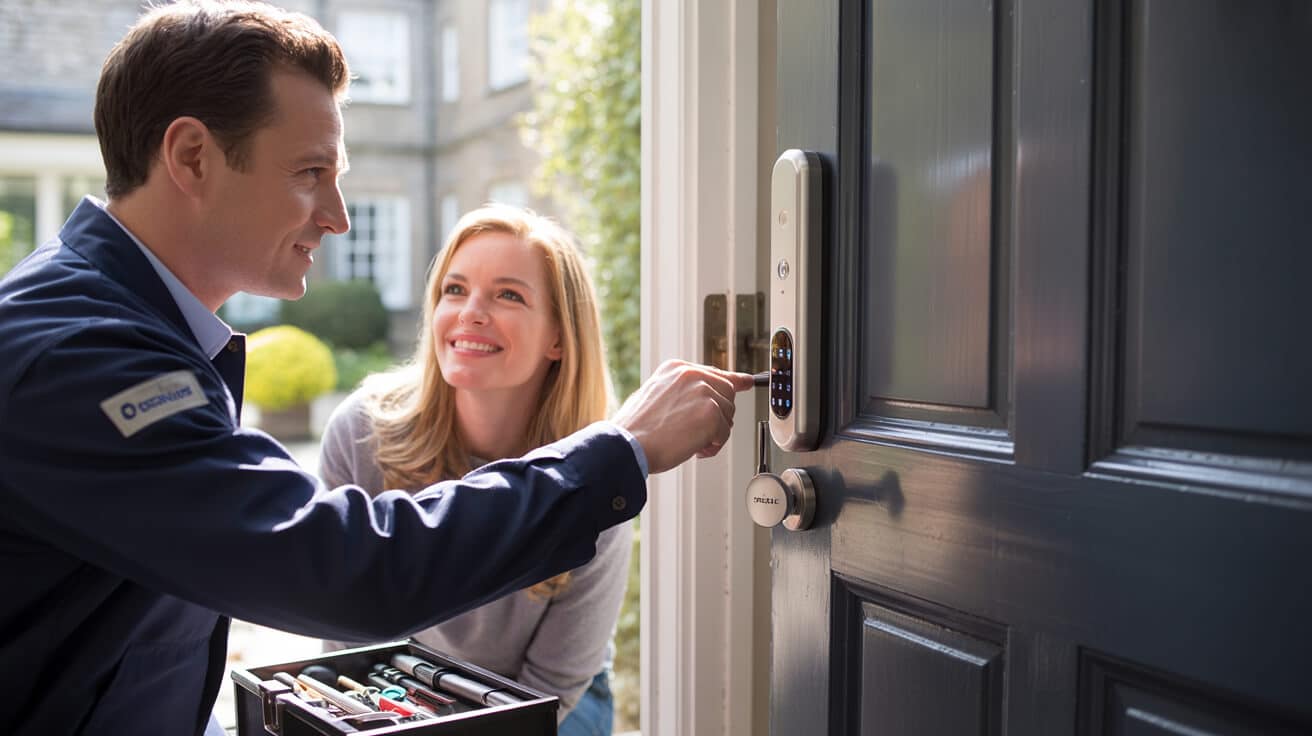
Are Your Door Locks Sending You a Silent Warning—or Are You Missing It?
Most property owners don’t realise their lock is shouting for attention until it finally gives up—usually at the worst possible moment. If you’re relying on an old door lock or brushing off that annoying “stiffness” when you turn the key, you’re gambling with much more than a minor inconvenience. It’s not about being dramatic. It’s about acknowledging a brutal truth: faulty locks put your security, insurance standing, and reputation at risk.
Every minor lock issue is your property trying to tell you something—don’t wait until it’s screaming.
Londoners know: a lock that “just works” is not the same as a lock that truly protects. The gap between “fine” and “failing” is thinner than you think.
Is Your “Working” Lock Actually An Easy Target for Break-Ins?

Ask any burglar—old or out-of-date locks are the prize they look for. If your lock wasn’t installed or upgraded in the past decade, there’s a good chance it lacks vital security features. Techniques like lock-snapping, bumping, and cylinder drilling are so widespread that many insurers now require British Standard BS3621 (or above). Anything less doesn’t just tempt thieves; it can void your claims after a break-in.
What Makes a Door Lock “Modern” and Secure?
- BS3621 or better: – This British Standard matters for both legal compliance and insurance.
- Anti-snap, anti-bump, anti-drill features: – Criminals target locks missing these upgrades.
- Trusted brands: – Look for Yale, Banham, Mul-T-Lock, or similar names.
A fine lock without current security features is nothing more than a false sense of safety.
Thinking your door is secure because the key still turns is a trap. Protection is about standards, not tradition.
Is Stiffness or “Stickiness” in Your Lock a Minor Hassle—or a Crash Countdown?

Turns that require more effort, keys that don’t glide, or handles needing an extra nudge—these are not harmless quirks. They’re your lock’s early warning system flashing red. Most emergency calls to locksmiths start with “It was just a bit stiff last week.” Ignore it, and you may find yourself locked out, footing a premium emergency bill at 2 a.m.
What Exactly Does a Sticky Lock Signal?
- Worn parts inside: – Springs, cylinders, or pins that are ready to fail.
- Alignment problems: – Doors shift over time; locks start to resist.
- Key fatigue: – Bent or duplicated keys speed up internal wear.
Stiffness isn’t a winter thing—it’s your lock telling you to act, before the failure surprises you.
If you’re applying force to your door, you’re already risking a snap, a jam, or worse.
Does Rust or Corrosion Mean You Need a New Lock—or Is It Just an Eyesore?

It’s tempting to shrug off corrosion, but the reality is rougher. British weather punishes locks all year—moisture creeps inside, eating away at delicate parts. Visible rust, pitted surfaces, or even minor flaking means trouble is brewing below the surface. Moisture accelERAtes weakness, making your lock easier to break and far more likely to seize.
Rust and Damage: Warning Signs That Outweigh Appearances
- Rust stains or metal pitting: – Signals deep-seated corrosion inside.
- Bent handles, cracks, or looseness: – Risks full lock failure.
- Odd noises when locking: – Internal parts are grinding, not gliding.
Leave rust unchecked, and just cosmetic becomes completely broken when you least expect it.
Replacement isn’t about looks—it’s about pulling the emergency brake before disaster.
Are You Willing To Bet Security on Lost, Loaned, or Untracked Keys?

Misplaced a key? Loaned a spare to the cleaner, builder, or a friend “just for the weekend”? Every key out of your direct control is a weak link. Keys multiply fast—especially for landlords, businesses, or homes with frequent guests. You may never even know where all copies have ended up.
When Is Changing Locks Better Than Just Cutting New Keys?
- Lost or stolen key: – Immediate reason to fully replace, not just rekey.
- Old tenants, staff, or contracts: – Unknown hands may still have copies.
- After a break-in (even nearby or attempted): – Criminals trade local keys and insights.
Insurance companies have one question: did you change the locks when a key went missing? If not, claims may evaporate.
Trust who enters your property—don’t leave the door open to the unknown.
Are “Minor Quirks” Hiding Major Security Faults in Your Door Locks?
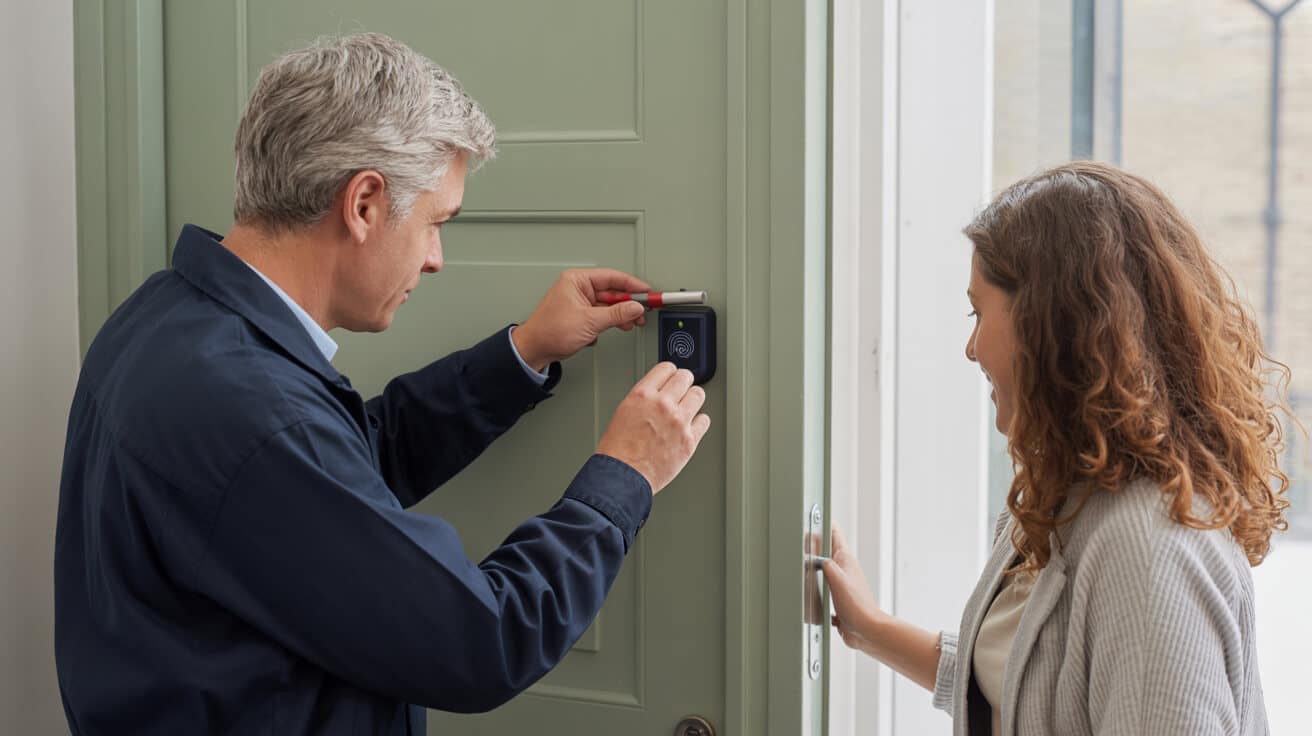
That harmless loose barrel, slipping key, or quirky turn is not your imagination. Persistent faults often mask deeper damage: warped cylinders, forced entry attempts, or internal decay. Multiple quick repairs? They’re buying you time, not peace of mind. A lock that’s “not quite right” is primed for catastrophic failure—often at the toughest time.
“Just Annoying” Becomes “Totally Compromised” Overnight
- Barrel spinning or looseness: – Indicates core has lost integrity.
- After tampering or past break-in: – The lock’s reliability is gone.
- Repeated repairs for the same issue: – End the cycle before it costs you more.
Most crisis lock calls could have been prevented—if the warning signs weren’t ignored.
It’s never “just a quirk” when security’s on the line.
Are You Reacting to Trouble—Or Choosing Calm With Proactive Maintenance?
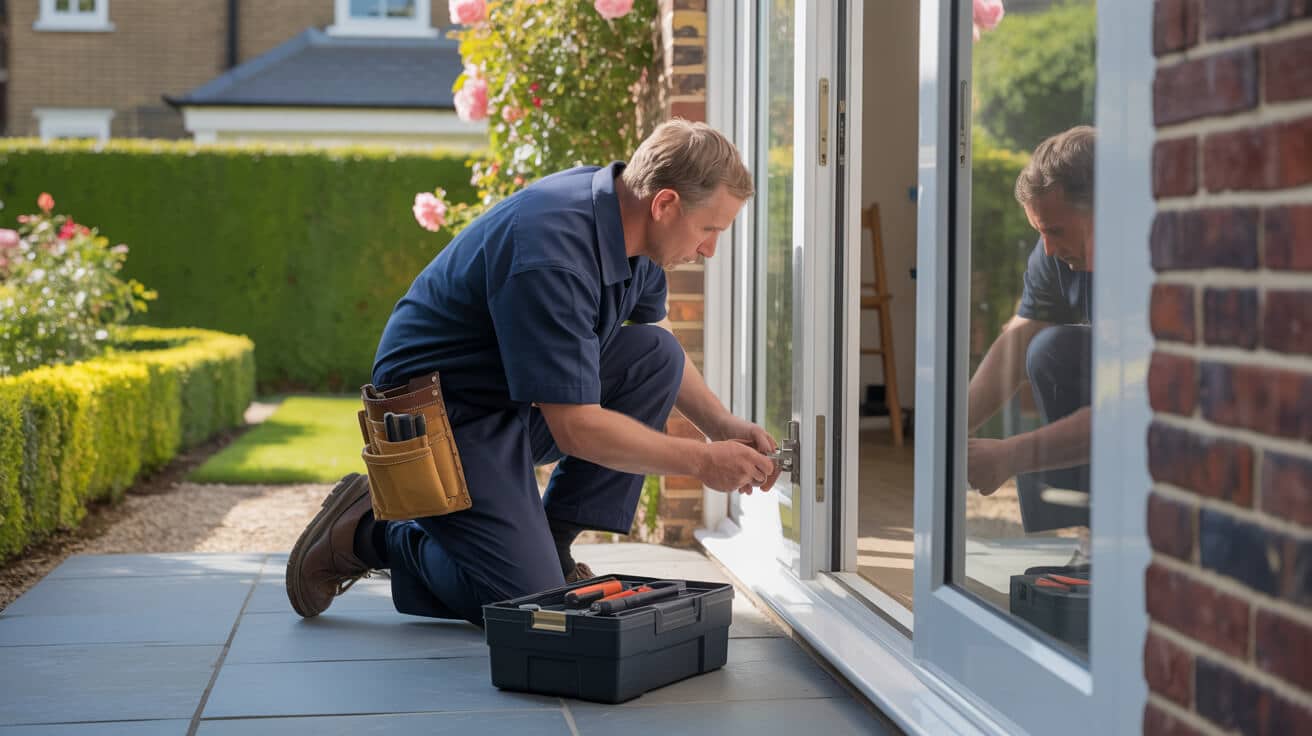
In every London postcode, the people least likely to have emergencies are clients who acted before stress hit. Waiting for a total failure is a losing bet: costs spike, downtime grows, and insurer goodwill vanishes fast. A professional, accredited locksmith doesn’t just “fix”; they spot tomorrow’s issues and stop them today.
What Sets Prime Alert – The London Locksmiths Apart?
- 24/7 response: – Tap into rapid help, with no hidden overtime fees.
- All accreditations, insured team: – Guaranteed British Standard compliance.
- Results, not talk: – 4.9★ Trustpilot rating for transparency, not hype.
- No repeat drama: – 95% of replacements eliminate future lock headaches.
Smart owners control their outcomes. That’s the mark of real security.
What Does Procrastination Actually Cost When Locks Go Bad?

“Wait and see” piles up expense, every single time. Lock sticks a little more? Door jams once? These are just down payments on emergency fees, denied claims, and late-night frustration. A small issue left untreated explodes in cost, damage, and stress.
Who Pays For Ignoring Lock Problems?
- You: – With higher callouts and door replacements
- Your insurer: – Only if you pass compliance checks
- Your reputation: – Rental disputes and lost trust are real
There’s no badge for hoping the problem goes away. Your peace of mind is built by action, not luck.
How Quickly Can You Regain Control With a Professional Locksmith?
professional locksmiths like Prime Alert cut through confusion and panic. You deal with real, human experts—insured, certified, and honest—who explain your options clearly and act fast, whatever your situation. Whether you need an overdue upgrade, a full lock overhaul, or just a straight answer, help is closer than you think.
Prime Alert – The London Locksmiths: Professionalism You Trust When It’s All On The Line
Noticed a rattle, sticky turn, or a missing spare? Grab our free lock assessment checklist or connect directly for advice that’s actually useful—no pressure, no upsell. Security isn’t luck; it’s choice. Put yourself in the driver’s seat, where access and peace of mind belong to you.
Why London’s Smartest Owners Pick Prime Alert—And Sleep Easier
Real security means no guessing—all Prime Alert locksmiths are individually vetted, fully insured, and trained to meet or beat British Standards, on every job. Homeowner, landlord, shopfront or office: you’ll get advice tailored to your risks, with paper trails that keep insurers and lenders happy—always.
- All jobs: certified to meet modern British Standards
- Families, rentals, businesses: trusted across London
- Services: always produce written proof for your files
Choosing Prime Alert turns avoidable headaches into everyday confidence.
Act Early—Contact Prime Alert – The London Locksmiths and Own Your Security
Every sticky latch, lost key, or bad hunch about your door is not an accident—it’s warning you for a reason. Don’t wait for a crisis to force your hand. Prime Alert is ready for your call, for fast quotes, checklists, or a direct no-strings assessment. Don’t gamble with your security. Get ahead—reach out now and stay in control.
Frequently Asked Questions
Who is most at risk when outdated or damaged locks go unchecked?
Properties with locks over a decade old, missing British Standard (BS3621 or TS007) stamps, or vague key histories carry the most hidden risk. If you’re a landlord managing past tenants, a business juggling staff turnover, or living in a busy postcode, those unaddressed locks quickly become invitations for break-ins and rejected insurance claims. Even households that never had trouble can be blindsided—attackers look for the path of least resistance. Acting early means you steer clear of both legal headaches and personal stress.
The true risk isn’t what you see—it’s what’s been quietly overlooked for years.
Which types of owners are most frequently caught out?
- Business sites with frequent keyholder changes or lost keys
- Rental properties using inherited locks
- Family homes in areas with recent security incidents
Assessing locks today isn’t just about hardware—it’s about protecting your name and assets.
What are the smartest first moves after losing keys or spotting lock interference?
Lost keys or signs of tampering—like scratches, dents, or unexplained lock trouble—demand an immediate, precise response. Contact a locksmith who guarantees certified replacements and can document every step for insurers. Don’t settle for simple key recuts or ignore digital access—update passcodes on smart entry systems too. Log every incident; modern claims demand specifics, not stories. Replacing or upgrading locks, especially after staff changes or lost keys, plugs every gap opportunists hope for. Speed is security: every hour you wait is another hour of exposure.
A single missed step after a breach leaves a silent door wide open.
What decisions cut risk fastest?
- Always upgrade, rather than just rekey, old or suspect locks
- Secure fresh insurance paperwork alongside new hardware
- Cancel or reset digital credentials the same day
Prime Alert – The London Locksmiths is on call for urgent updates that remove doubt—fast.
How can minor lock problems signal a major future failure?
Noisy turns, sluggish keys, or a loose handle seem minor until they become full lockouts—or worse, breaches due to hidden wear. Internal data from UK locksmiths shows over 75% of emergency jobs followed subtle warning signs like roughness or altered “feel.” Unattended, these minor quirks spiral into after-hours callouts, larger repairs, or even forced entry while you’re away. Recognise each oddity as an early warning—prompt tune-ups save you time, money, and future reputation hits.
Ignored, a squeak today can turn into tomorrow’s lost weekend—and lost revenue.
What routine checks prevent these problems?
- Key movement: Is it ever rough, even once a week?
- Visible wear: Any new rust, wobble, or metal flakes?
- Consistency: Are colleagues or family reporting recurring issues?
Book a professional inspection if you notice anything off—you’ll sleep better.
Why does lock certification directly influence insurance acceptance?
If your locks lack BS3621 or TS007 stamps, most insurers are entitled to reject claims—even for minor losses. New rules mean having receipts or keys isn’t enough; underwriters demand documented proof of certified products and professional fitting. Failure to upgrade after key loss or forced entry is frequently categorised as negligence, exposing you to the full cost of recovery. Valid certification makes all the difference when a claim is tested. Prime Alert – The London Locksmiths doesn’t just fit compliant locks—we document every detail so your insurer listens.
What proofs are required for a secure claim?
- Photos of lock head and markings showing certification
- Detailed invoices matching each product to its location
- Locksmith-supplied written certification for all new instals
Proactive paperwork keeps financial setbacks from compounding after an incident.
What upgrades balance real security with solid documentation?
The UK’s most trusted upgrades are British Standard euro cylinder locks with anti-snap, drill, and bump features, supported by premium mortice locks (think Yale, Mul-T-Lock, Banham). Smart locks bring both audit trails and remote convenience—but true coverage includes robust manual hardware fully certified by BS3621/TS007. Remember, insurance doesn’t just look at your physical lock—it checks for matching documentation. A reputable expert like Prime Alert always supplies post-instal certificates and walk-through advice.
Which steps produce lasting confidence?
- Inspect for visible certification stamps before any purchase
- Request an installation certificate for your records
- Pair smart locks with insurance-approved manual locks for full protection
Investments in visible compliance pay back every renewal.
How does Prime Alert – The London Locksmiths deliver true peace of mind?
Prime Alert sends expert locksmiths London-wide, whether you’re facing a late-night emergency or planning an upgrade. Their service means more than fitting a new lock: each project gets a thorough assessment for hidden risks, choices tailored to your exact needs, and no-nonsense guides for maintaining compliance. Certified paperwork is supplied on the spot—giving landlords, businesses, and families alike what insurers require for fast claims. Ongoing support and maintenance advice make every customer feel like a VIP long after the locks click into place.
Confidence is earned when you see your security partner think two steps ahead—every single callout.