Burglar Alarm Buying Guide What To Look For
 Burglar Alarm Buying Guide What To Look For

What Should You Look For When Buying a Burglar Alarm?
The right burglar alarm doesn’t just hang on your wall—it changes your confidence, keeps risks at arm’s length, and quietly boosts your property’s safety profile. You’re not just shopping for noise or style points; you’re buying real protection, tailored to your habits, your building, and what you want from every day. Forget the hype over bells and buzzwords. What lasts is proven reliability, simple handling, and a support team you can actually get on the phone.
A strong security system isn’t about shouting louder—it’s about working right, especially when you’re not looking.
Home and business owners who match a system to their lifestyle and property quirks skip the pitfall of “security theatre” and set themselves up for true peace of mind.
Why Are There So Many Burglar Alarm Types—and Which One Actually Fits Your Risk?

Options abound: bells-only, wireless, smart, hybrid, and every brand claims their tech will do the job. But more isn’t always better. What counts is fitting the alarm to your space, your daily routine, and your appetite for direct involvement or set-and-forget simplicity.
Bells-Only Alarms: No-Nonsense Deterrence
Bells-only alarms deliver a loud siren if triggered. That’s it—no notifications, no contracts, just instant noise.
- One-time cost with zero ongoing fees.
- No remote alerts—if you’re out, the burden’s on your neighbours.
- “Bells-only systems deter, but won’t tell you if you’re away.”
(experian.co.uk)
Best for properties where someone’s almost always present and when simplicity matters more than remote control.
Wired vs. Wireless: The Real-Life Trade-offs
Wired systems promise fewer worries about batteries and interference, but they need a skilled installer and don’t travel well. Wireless alarms are easy to set up, perfect if you plan to move or can’t make permanent changes.
- “Professional instal ensures compliant wiring and lasting performance.”
(myjobquote.co.uk)
If permanence and complexity don’t scare you, wired makes sense. If your home life demands flexibility, go wireless.
Smart Alarms: Control from Anywhere
Smart alarm systems connect straight to your phone, letting you check, arm, and adjust from work or on holiday. Integration with cameras, voice assistants, or sensors is the new norm—but so are subscription fees.
- “Enjoy alerts at home or abroad, but read the fine print for ongoing costs.”
(westcosecurity.com)
Scrutinise the recurring fees before you fall for the shiny features.
How Much Does a Burglar Alarm Really Cost—Once You Count Everything?
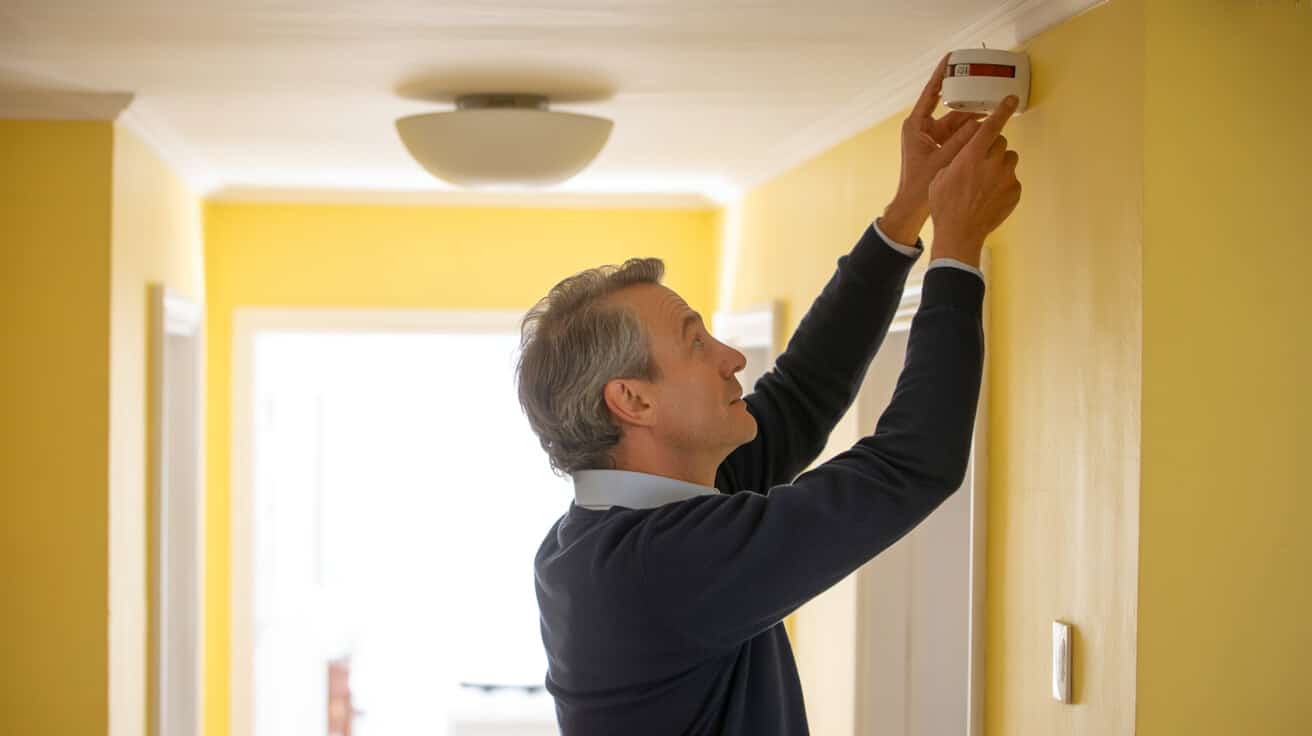
Budgeting doesn’t end at the purchase price. You’ll face costs for installation, tune-ups, batteries, call-outs, and sometimes software updates.
| Alarm Type | Typical Price (Inc. VAT) | Ongoing Fees |
|---|---|---|
| Bells-Only | £125–£300 | None |
| Wired (Installed) | £400–£800+ | None |
| Wireless | £200–£500 | Battery replacement |
| Smart | £190–£400+ | £0–£40/month |
This table gives you the lay of the land for current UK market prices.
The cheapest alarm can cost you most when it fails at crunch time.
- “Don’t let a bargain (<£100) fool you—reliable setups start at £200–£400.”
(myjobquote.co.uk)
Always get a written breakdown of everything: parts, labour, batteries, and what happens if you need help after hours.
Does Sensor Placement Matter More Than Having Stacks of Gear?

A pile of kit does nothing if the real entry points are left unguarded. Security means mapping weak spots—side doors, hidden patios, garden sheds—not just ticking boxes on a sales sheet.
Real security isn’t about how flashy your system looks—it’s about what spots burglars care about.
Professional installers insist on a physical survey, noting every risk and hidden nook.
- “Certified fits start with a full survey—not just a convenient shortcut.”
(firstcontactfireandsecurity.co.uk)
Don’t settle for any quote that skips a thorough walk-through of your property.
How Loud Should a Siren Be to Truly Stop a Break-In?

A siren is either a burglar’s worst nightmare or background noise—there’s no in-between. For real deterrence, you want at least 100dB, impossible to access or muffle, ideally with both outdoor and indoor sirens.
Where and How a Siren Gets Results
- The higher and louder, the better—mount it out of easy reach.
- “Insurance-grade systems start at 100dB, often with two sirens.”
(ctscabling.com)
Check the manufacturer’s specs and ask about mounting plans before signing anything.
Should You Pay for Monitoring or Go It Alone?

Monitored alarms automatically notify a security firm or your chosen contact, slicing minutes off response time. Unmonitored setups depend on you or nearby ears for action.
- Monitored systems can improve response speed and may even lower your insurance.
- “High-value homes often require monitoring for cover.”
(acfalarm.net)
If intruder response and insurance discounts matter, monitoring is worth it. If not, a self-monitored alarm set up by a pro can do the job for many.
Are All Extra Features Security, or Just Sales Pitches?
Touchscreens. App zones. Pet-immunity. It all sounds great on paper—but true security boils down to:
- Every key entry covered with a sensor.
- 100dB+ sirens.
- Battery backup for at least 6 hours.
- Control modes for shift-workers or pets.
- “To deter, a siren must be at least 100dB.”
(ctscabling.com)
Pay for features you’ll use, skip the fluff that just bulks up the price.
Do Tamper-Proofing and Backup Power Make a Real Difference?

If a system can be silenced with a quick smash or comes unplugged in a blackout, it’s no protection. Choose professional alarms with built-in tamper detection, reset codes, and backup batteries.
- “Systems certified to British Standards require tamper circuits and reliable backup.”
(secom.plc.uk)
Also, make sure you can change access codes easily for new staff or cleaners—a detail that can save you from big headaches.
What Will Keep Your Alarm Actually Working When Trouble Strikes?
An unused alarm isn’t protecting anyone if batteries are flat or sensors have slipped out of tune. Make sure your provider offers clear annual servicing, battery swaps, and the support to back up their promises.
Reliable alarms are invisible on normal days—but priceless the day things go wrong.
- Choose brands with straightforward support and real warranties.
- “Letting maintenance slip can cost you both insurance cover and actual protection.”
(gbsg.co.uk)
Think of regular checks as insurance for your insurance.
How Do You Know Your Installer Is the Real Deal?
A professional doesn’t push you into extra features and speaks in plain language. You’ll get everything documented—warranties, protected areas, price, and ongoing support.
Spotting a Legitimate Expert
- Written, detailed quotes.
- Transparent about costs—no hidden extras.
- Credentials and guarantees up front.
- Maps out your unique risks instead of templated instals.
- Backs their work with easy-to-reach help.
If you’re ever left guessing, keep looking—the right pro won’t leave you in the dark.
- “A proper quote lists everything, using language anyone can follow.”
(firstcontactfireandsecurity.co.uk)
Will Certification Actually Affect Insurance, or Is It Just Bureaucracy?
Certification is your safety net. It backs up insurance claims and proves your alarm was fitted to an accepted standard.
- “Insurers regularly require certification, and discounts nearly always hinge on it.”
(secom.plc.uk)
- Only use installers who issue documentation to British or European standards (NSI or SSAIB).
Keep your certificates—your insurer or buyer may ask for them down the line.
Can a Kit Alarm Ever Beat a Custom-Fit?
A one-size box just doesn’t cover real-world quirks and risks. A true professional will map your property and set up your alarm based on your lifestyle.
- “Top installers tailor every system after a hands-on property survey.”
(firstcontactfireandsecurity.co.uk)
If there’s no walkthrough, you’re not getting a custom fit—don’t compromise.
What Can You Learn from Real Customer Reviews?
Forget big ads—real security is proven in everyday use. Go straight to recent reviews to see what actually works, where things fail, and how companies react.
- “Reviewers care about reliability, fast fixes, and actual support above all else.”
(alliedhomesecurity.net)
Patterns in feedback—good or bad—say way more than any brochure.
How Should You Start—And Stay in Control of—Your Alarm Purchase?
Begin by arranging a zero-pressure site survey. Ask every question, demand options, and resist anyone rushing you. Compare written assessments, insist on clarity, and remember—it’s your risk, not theirs.
- “Top providers don’t just instal—they map risks, explain your choices, and stick around for support.”
(acfalarm.net)
Anything less isn’t security, it’s just moving boxes.
Protect What Matters—Prime Alert The London Locksmiths Has Your Back
Protect your peace of mind before you need to fix a disaster. Prime Alert – The London Locksmiths is ready to guide you, handle the survey, tailor the instal, and stand behind it every day after. You don’t have to settle for a generic, forgotten system—choose committed, ongoing support and security that fits your life.
- “Our job is hands-on safety, not just ticking another box.”
(thelocksmiths.co.uk)
Take your chance now for a free, expert-led security check from Prime Alert – The London Locksmiths. Move forward with real confidence—secure what truly matters.
Frequently Asked Questions
What separates an alarm that deters intruders from one that just makes noise?
Real deterrence isn’t volume—it’s about layered detection, tamper resistance, and policing paperwork that makes insurers sit up. Top systems blend window, door, and glass-break sensors—covering every approach, not just the obvious ones. Look for tamper alerts, battery backups, and outside sirens that push 100dB or more. The difference? Insurers accept alarms only when certified (EN 50131, NSI/SSAIB), not just loud.
The worst time to discover a gap is with a claim denied and a break-in under review.
How does layered detection actually block hidden threats?
- Each sensor type covers weak points—think top-floor windows, garage doors, garden gates.
- No template “kit” covers the quirks of a converted flat or period house; professional surveys close real gaps.
Which certifications matter for alarm acceptance?
- EN 50131: System grading; insurers care most if risk is mid-high.
- NSI or SSAIB: Proof of expert, compliant instal, required for most claims to stick.
- BSI Kitemark: Extra trust on hardware, useful for leaseholds.
What budget should you set—and what costs keep coming back?
Alarms break down into up-front investment and ongoing essentials. Setup for basic bells-only alarms starts at £125, but savvy clients in London look to £200–£500 for full-featured wireless or £400–£800 for hardwired systems, with smart extras pushing £190+ more. Professional installers like Prime Alert – The London Locksmiths roll risk assessment and aftercare into quotes, not as hidden add-ons. Annual servicing runs £50–£120, with monitoring options (£15–£40/month) often offsetting insurance. Battery swaps (wireless) or code changes (annually) aren’t afterthoughts—they’re the cost of reliability.
The real bill is often the one that arrives the second time around—always budget for aftercare, not just instal day.
Why insist on a fixed, itemised quote before work begins?
- Upgrades, warranty, callout, and future proofing become clear—no nasty shocks at renewal or repair.
- Quotes tailored to your postcode and insurer reveal where money is best spent.
What do business owners and landlords miss most?
- Off-the-shelf kits rarely meet compliance; professional instal safeguards both claims and property value.
Why do so many alarms underperform—while looking fine on paper?
Most weak spots hide in properties with “standard kits” slapped in, leaving garages, courtyards, shared side gates, or basement windows out in the cold. Failing to change codes after tenants, contractors, or cleaners move on creates silent risk. Sometimes, insurance paperwork does not match reality—a gap you’ll only spot when it matters most.
Real security doesn’t ignore awkward corners, communal halls, or last month’s spare key.
How does professional planning sharpen real coverage?
- Room-by-room mapping reveals entry routes kits ignore.
- Certification logs and system tests mean both you and your insurer know it works.
What invisible risk trips up DIY or rushed instals?
- Systems not linked to the current mains or battery back-up, leaving you exposed during outages or sabotage.
Which features materially lower your risk—and which just look impressive?
Prioritise fast, failproof alerts: multi-sensor zones for every entry, robust tamper circuits, backup batteries, and user-friendly app controls make false alarms rare and real threats hard to ignore. Timers and notifications catch lapses—so human error doesn’t become a liability. Voice control, branded “AI,” or pretty interfaces may catch eyes but rarely help at 3am.
What practical feature delivers value most often overlooked?
Routine service alerts and battery checks—automated reminders prevent latent failure in a real emergency.
When does modularity matter for your setup?
Anytime your family or business grows; opt for systems that expand with new rooms or zones, not replacements.
Why does formal certification change everything for security and insurance?
Without certified installation—NSI, SSAIB, or BSI paperwork—insurers may decline claims, and police response can be delayed. Certification logs device locations, maintenance dates, and system specs; these are your legal and financial safety net. Skip the paperwork, and no hardware can fill the gap later if disaster strikes.
The certificate isn’t just for show—it’s your proof in the room with an insurer or police.
Which contract points demand clarity before saying yes?
- CovERAge: is it mapped for your address, risk, and insurer?
- Maintenance: are annual checks and repairs part of the deal?
- Documentation: will paperwork for renewal or handover be on hand, not promised later?
How do you turn your alarm from hardware into a habit that really protects?
Alarms deter when made part of a visible, day-to-day routine. That means sirens and signage where they’ll be seen; system codes changed after every handover; resets and scheduled arming that fit your daily habits. The best installers—Prime Alert – The London Locksmiths—set clients up with routines, checklists, and ongoing support so what starts on instal day becomes a culture of protection.
Safety isn’t built at 4pm on instal day—it grows every morning you double-check the doors.
What daily practices enhance real security for homes or workplaces?
Annual code resets, post-tenancy wipe-downs, and push alerts when something’s missed—protection outlasts gadgets.
What distinguishes Prime Alert – The London Locksmiths?
Personal walkarounds, tailored advice, full certification and mapped aftercare ensure you build and keep a stronger security culture—inside and out.