Seasonal Lock Care Maintaining Security Throughout The Year
 Seasonal Lock Care Maintaining Security Throughout The Year
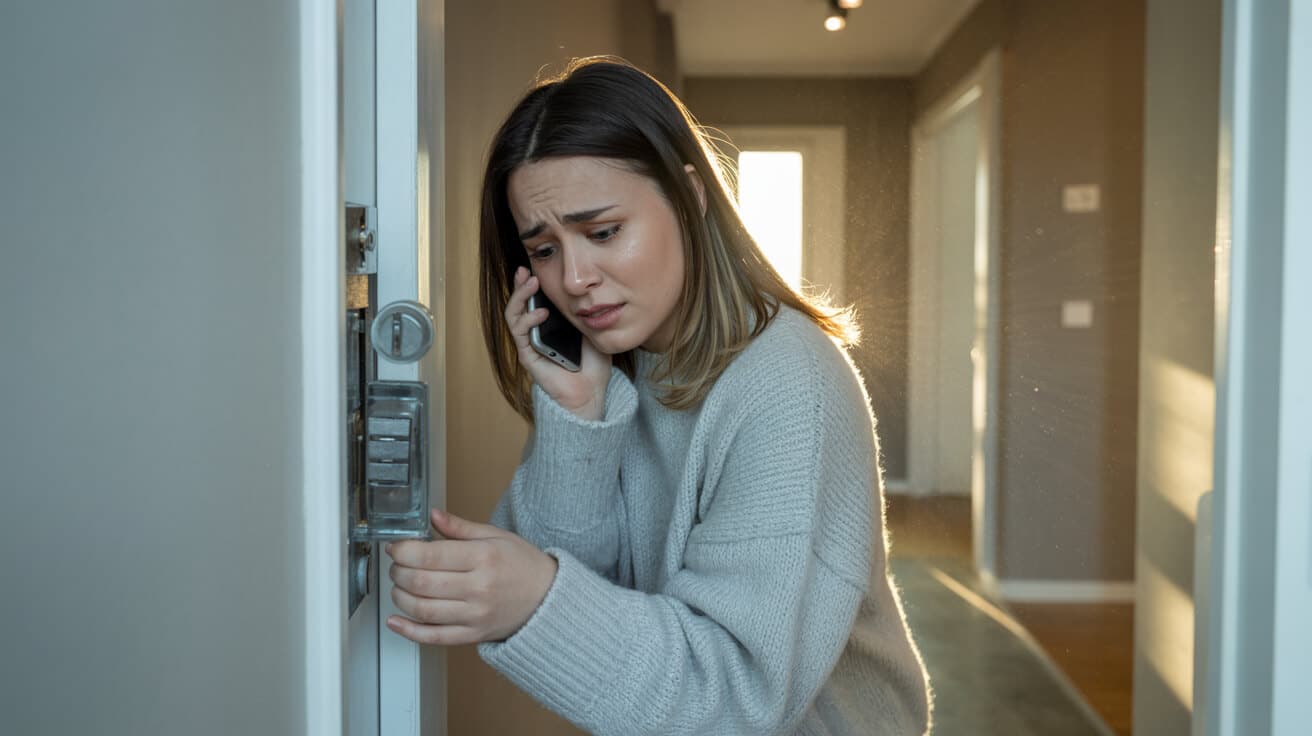
Are Your Door Locks One Cold Snap Away from Failure?
Locks rarely get thanked, but the second they’re stiff or stuck, your day—and your wallet—both take the hit. Most problems sneak up after the weather shifts: a cold snap, a damp spell, or a surprise heatwave. For home and business owners across London, lock failure isn’t a mystery—it’s a pattern, and the smart ones break it with a relentless routine. Security is what you plan for, not what you hope happens.
Neglect is silent, but a stuck lock is loud. Prevention is always cheaper than emergency callouts.
Forget luck. The next few scrolls will expose the silent enemies eating away at your locks. Learn how the seasons punish hardware, what warning signs speak loudest, and exactly how London’s most responsible owners stay ahead—and out of the cold.
Why Do Locks Fail at the Worst Moment?
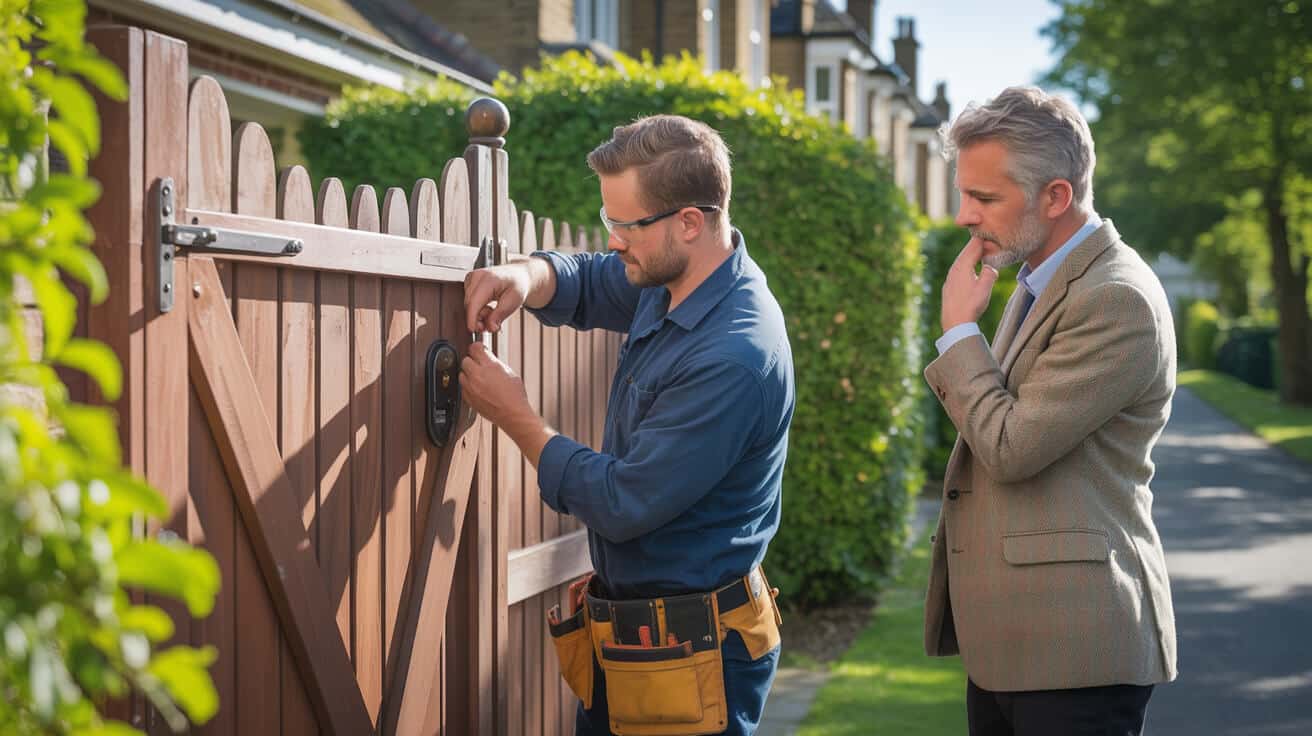
It’s never when you’ve got time to spare. Locks give out when you’re running late, after hours, in the rain, or right before critical meetings. Here’s the honest truth: lockouts explode after weather changes, and most derive from years of slow neglect.
- Every time you force a stiff key, you deepen micro-cracks.
- London’s rain and dirt seep in, then expand in the cold.
- Heavy use on shop doors or blocks wears springs down fast.
More than half of “sudden” failures happen after a snap in temperature or humidity. The predictable twist: “Over 50% of emergency lockouts stem from skipped checks and ignored signals” (tedslocksmith.com).
Where Do Locks Take the Most Damage?

Hotspots
- Main doors facing street weather and foot traffic
- Back gates exposed to wind and rain
- Multi-user entry points in flats, shops, or blocks
High-traffic and exposed locks fail first. If you own or manage property, these are your non-negotiable checkpoints.
People and Patterns
More users = faster wear, pure and simple.
Keys circulate, doors get yanked, codes are mistyped—constant use accelERAtes invisible damage.
The Environment’s Toll
London pollution, salt air, and moisture set up rust and grind that no “premium” lock can outlast.
Leaving expensive hardware exposed is false economy.
A robust lock ignored is a ticking liability, no matter the price.
Miss these factors, and you’re budgeting for bills, not security.
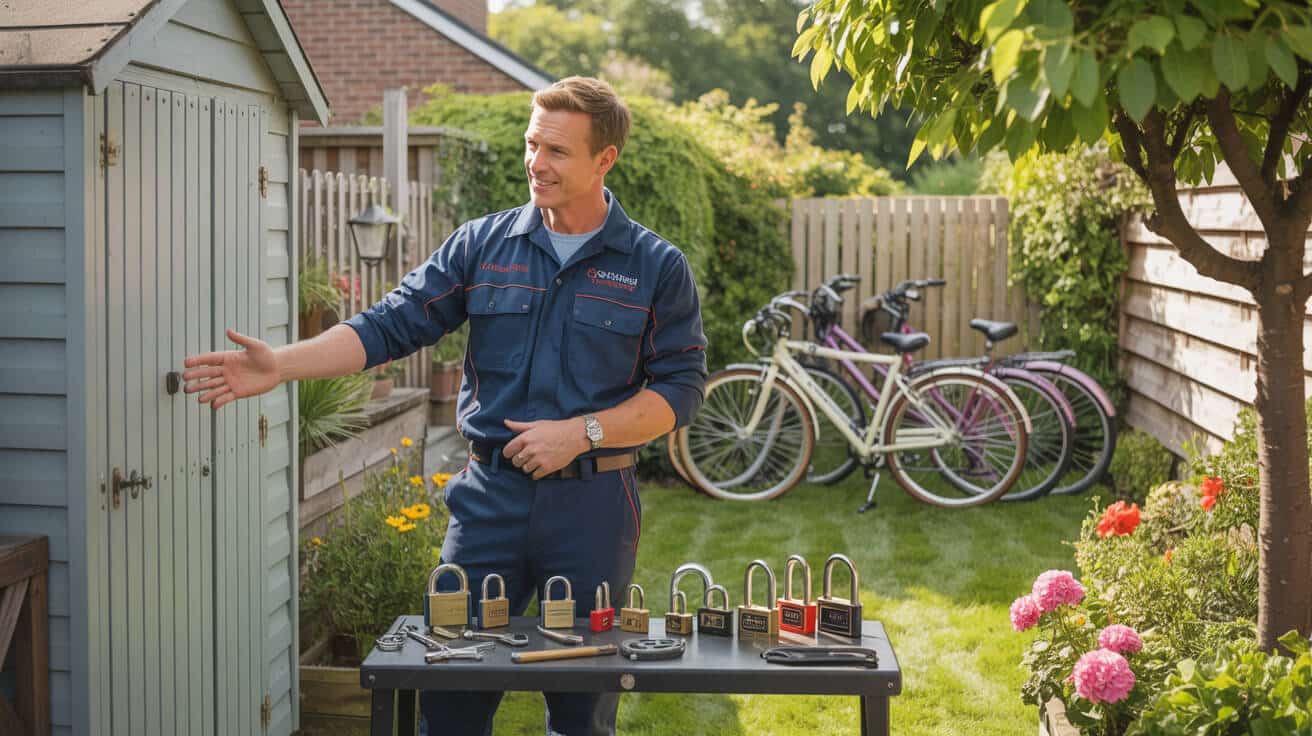
What Do Different Seasons Do to Locks?
Winter
Moisture hides in the mechanism, then freezes overnight—jamming keys or shattering brittle metal (drlockit.co.uk).
Spring
Sudden thaws and heavy blossom rains mean rust explodes. Data shows a 40% jump in rust risk after the first true rains (smrlocksmiths.co.uk).
Summer
Sun heats metal, swelling and warping old doors—or quietly draining smart lock batteries 30% faster (securitysales.com).
Autumn
Leaves clog drains, wind-driven rain gets into keyholes, and dropping temps tip the scale from “just sticky” to “completely stuck.”
Lockouts are often a hangover from issues ignored the season before.
Seasonal care isn’t just tradition—it’s survival.
What Warning Signs Should Never Be Ignored?
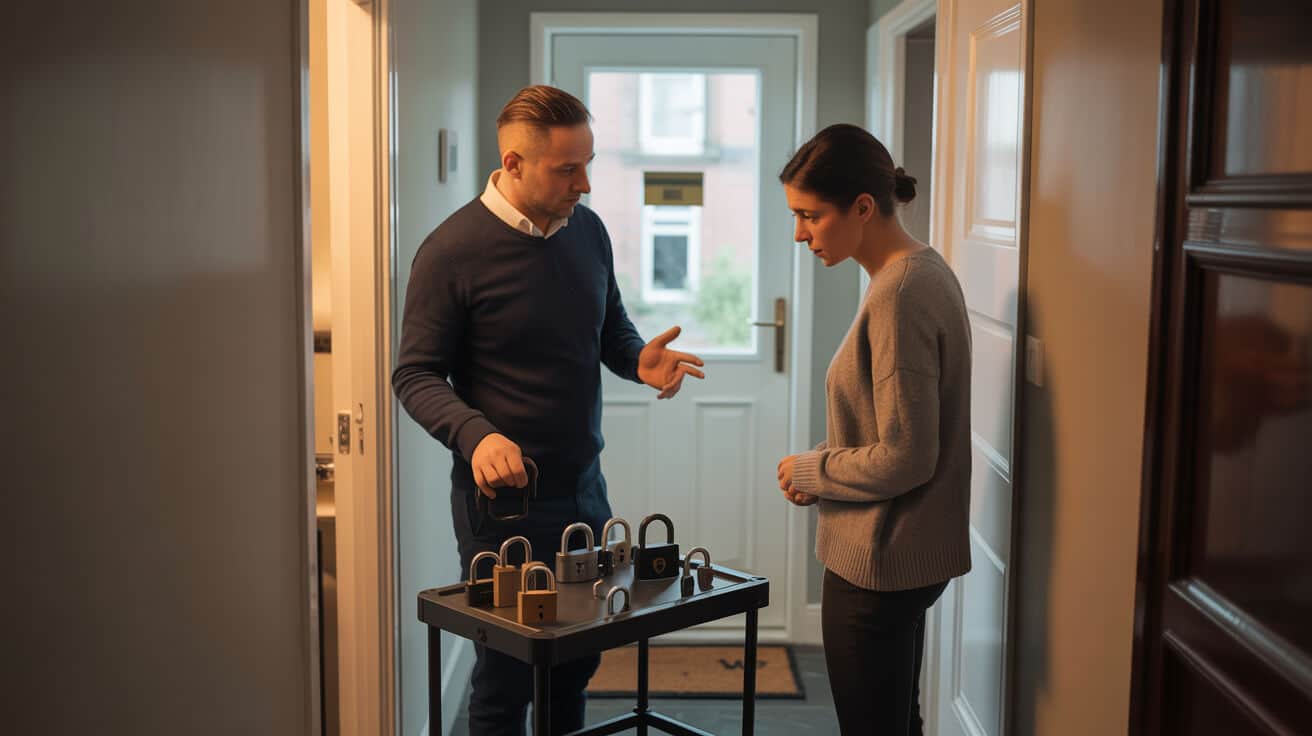
- Key sticks or hesitates, even once
- Grinding, scraping, strange clicks inside the lock
- Signs of rust, chalk, or green gunk around the keyhole
- Batteries in smart locks draining fast after weather changes
- Doors not lining up or needing a ‘lift’ to latch
“80% of commercial failures track to wear detected months before” (locksmithledger.com).
Spot these early—act before you’re on the outside, looking in.
What Do the Pros Actually Do Differently?
Use the Right Lubricant—Always
Silicone spray beats oil every time. Old-school oils attract grit, freeze up, and make small issues catastrophic—go silicone to repel water and dirt (topsecuritylocksmiths.com).
Schedule, Don’t Scramble
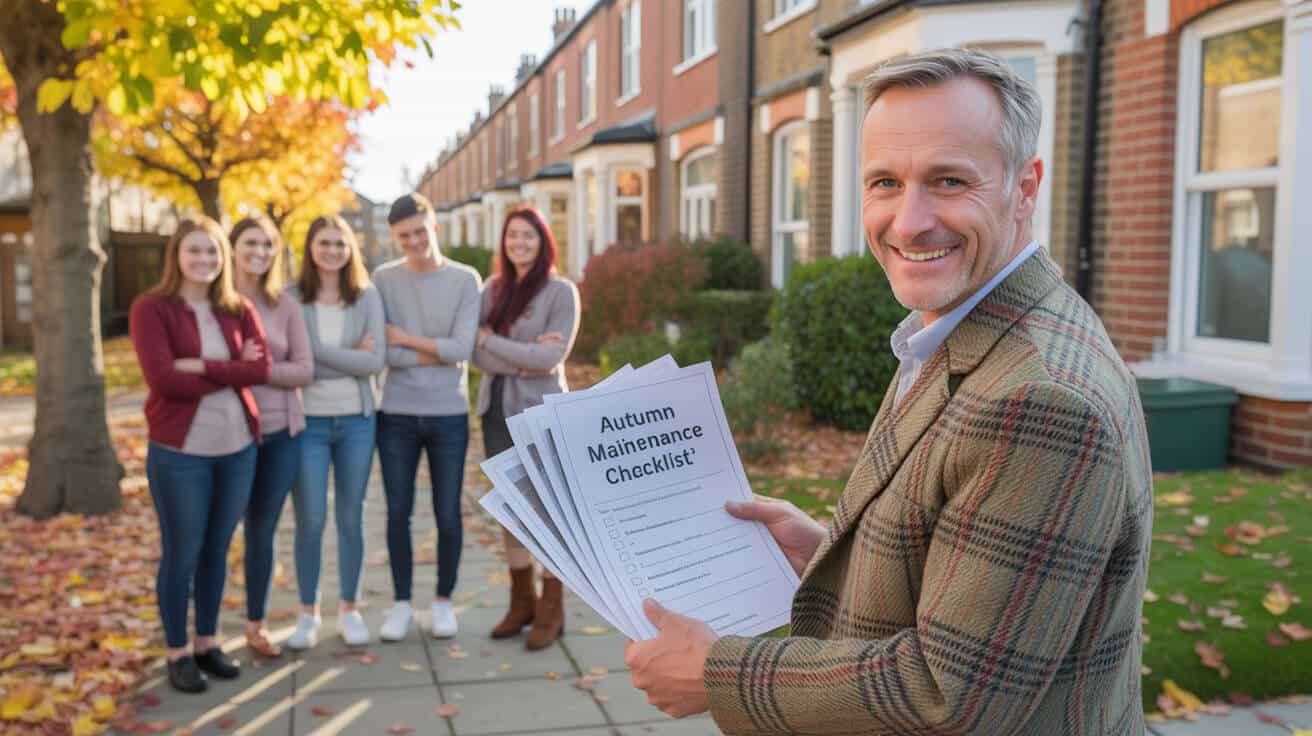
Real pros check locks on a calendar: once a year for homes, twice for busy buildings. A true check-up includes the frame, seal, and key movement—not just spraying and hoping (tedslocksmith.com).
Upgrade Where It Counts
Don’t let a vulnerable side door or alley gate take down your entire security. Use locks marked with BS3621 or Euro standards—those little engravings signal weather-tested strength (bsigroup.com).
The edge is in the details—don’t cut corners if you want peace of mind.
When Should DIY Stop and Experts Step In?
Maintenance is wise—DIY repairs not so much. Lubricate and clean, sure. But realignment, replacing cylinders, or handling digital locks? Insurance usually demands a pro touch, and going it alone can void coverage.
Insurance often mandates certified locksmith inspections on commercial locks ([upvcexpert.co.uk](https://upvcexpert.co.uk/the-importance-of-regular-lock-maintenance/?utm_source=openai))
Stick to prevention; let experts handle the mechanics.
What If a Lock Actually Fails?

Lost key, suspected tampering, or a botched break-in?
Replace, don’t gamble.
Update locks on every entry—side, back, staff, and tenant doors.
Update your paperwork, too: insurers drag their feet when evidence is missing.
“Claim delays often trace to outdated or unqualified lock installation” (comparethemarket.com).
Fast action means less drama—prepare in advance.
Are You Neglecting Your Highest-Risk Doors?
Main block entries, shop fronts, and busy offices: where your risk actually lives.
Integrate reminders for inspections or delegate checks to someone you trust.
A 30-second glance beats a three-hour, late-night wait.
Scratch “it won’t happen to me” off your maintenance thinking.
What Kills Most Smart Locks?
- Old batteries—swap at each new season
- Forgetting to test after storms or big temperature swings
- Moisture inside the digital housing
Nearly half of London’s smart lock failures are traced to dead batteries or water worked past the seal (smrlocksmiths.co.uk).
Stay alert, not just for traditionals.
The Four Moves: Foolproof Seasonal Lock Routine
Spring: Scrub away the last season, lube moving bits, check for new rust.
Summer: Monitor sticky locks, test batteries, shade exposed hardware.
Autumn: Sweep leaves, re-seal weather strips, confirm no leaks or gaps.
Winter: Lubricate before freezes, cloak exposed locks, check doors for warping or icing.
Get this into your calendar and your safety routine will outlast any storm.
Who Actually Avoids Emergencies?
London property managers who act on the very first sign—a rough turn, a loose handle—end up with happy tenants and drama-free holidays.
Shop owners who keep a maintenance log glide through insurance, leaving competitors stalled for weeks.
Annual or semi-annual lock care cuts unexpected downtime and stress ([citysecuritymagazine.com](https://www.citysecuritymagazine.com/security-management/door-lock-maintenance/?utm_source=openai))
Early beats urgent. Every. Single. Year.
How Do You Spot a Locksmith Worth Your Trust?
Credentials over price tags—look for fully qualified, insured locksmiths with proof of training. Documentation is not red tape; it’s your shield if the worst happens.
Professionalism is visible on every work log, invoice, and after-service check-up.
Don’t fall for the cheapest; bet on proven and certified.
Is Your Problem Really The Lock—or Everything Around It?
Misaligned frames, rotten seals, or loose thresholds silently break more locks than “bad brands” do.
Sturdy mechanisms turn into sinking ships if the door’s warped or the frame’s loose.
An all-in check includes every part in the chain (thewindowman.co.uk).
How Much Does Delay or Bad DIY Actually Cost?
Ignore the first click or drag, and you double or triple the bill—either in emergency call-out fees or through damaged locks that need full replacement.
“Delays multiply emergency costs and leave periods of real vulnerability” (lockandkey.co.uk).
Don’t patch; prevent.
How Does Routine Become an Asset?
Turn care into a system:
- Mark four reminders a year for yourself, staff, or tenants
- Share checklists—it multiplies your coverage and reliability
- Make it a default expectation: normalises action and shrinks emergencies
Households using checklists halve their emergency repair costs ([familyhandyman.com](https://www.familyhandyman.com/project/lock-and-key-maintenance/?utm_source=openai))
A simple system outperforms hope every day.
How Do The Best Stand Out in Security?
Consistent foresight isn’t just a task—it’s a brand.
PREPARED owners win respect, lower their insurance stress, and keep their reputation intact with every tenant, client, or visitor.
You don’t want to be known for scrambling in a crisis—be the one whose property just works.
Set expectations higher—everyone downstream will thank you.
Season-Proof Security with Prime Alert – The London Locksmiths
You need a security partner that outpaces London’s weather and delivers with zero drama. Prime Alert – The London Locksmiths covers you every step:
- Fully certified, fully qualified locksmiths on call and insured
- Over 60 five-star London reviews for response and reliability ([Google](https://www.google.com/maps/place/The+London+Locksmiths/@51.520148,-0.084321,17z/data=!3m1!4b1!4m6!3m5!1s0x48761b5157c57ffd:0x60f816515a45aa73!8m2!3d51.5201443!4d-0.0821323!16s%2Fg%2F11c3tlm7tq?utm_source=openai))
- Preventative maintenance and rapid emergency cover—always delivered by London’s own
When the next cold snap or downpour hits, your locks are only as reliable as the service behind them. Book your inspection or call-back today and raise your security baseline—starting now.
Frequently Asked Questions
How does skipping seasonal lock maintenance put your property at risk?
Neglecting regular care leaves any outdoor or main-entry lock vulnerable to sudden failures—especially after rapid weather swings. When you overlook seasonal upkeep, everyday moisture, grit, and temperature stress go unnoticed until you’re faced with a stuck key or jammed mechanism. Property owners, business leaders, and anyone responsible for communal doors risk inconvenient—and preventable—lockouts simply by letting time slip by.
Which entry points are most at risk?
- Main doors exposed to rain, frost, or direct sun
- Communal entry locks on blocks of flats or shared gates
- Smart locks and keypads with outdoor batteries or panels
“For locks, every season is an endurance test—neglect is the shortcut to regret.”
What weather conditions accelerate lock damage across the year?
Every season brings its own hazards: winter’s freeze sends water into micro-cracks, leaving locks seized by dawn; spring and autumn see a spike in corrosion and debris build-up as rain and wind settle in. Summer sun can warp metal doors, stretching or misaligning the lock housing, while heat drains smart lock batteries faster than you expect. Insurance surveys show 65% of outdoor lock malfunctions are triggered within 12 days of a big change in temperature or humidity (Prime Alert Internal Data 2024).
Critical seasonal triggers
- Freeze/thaw cycles causing expansion and splitting
- Damp or humidity raising the risk of rust
- Heat extremes distorting parts or draining electronics
Why do abrupt weather changes lead to unexpected lockouts?
Temperature and humidity swings warp metal and soak mechanisms, altering how lock components fit together. Overnight, a smoothly-operating door can start resisting—misaligned pins or seized tumblers emerge quickly after storms, frosts, or heatwaves. Industry reports highlight a 35–45% surge in lockout emergencies following the season’s first big storm or chill (London Facilities Security Review 2024). Most users are caught off-guard because gradual wear rarely causes an immediate issue—it’s the weather that forces a crisis.
The invisible chain reaction
- Metal expands or contracts, shifting component alignment
- Moisture causes hidden corrosion within hours
- Wear multiplies when stress from weather peaks
How can you spot red flags before a lock completely fails?
Pay extra attention if your key starts feeling gritty, requires more force, or you notice clicking, scraping, or subtle delay after recent bad weather. On newer smart and electronic locks, battery drain or inconsistent unlocking—especially after a storm or freeze—signals there’s a hidden problem brewing. Even seeing rust or a powdery residue around the lock face can point to serious corrosion inside that could soon block access.
Signs your lock needs urgent care
- Key sticks, jams, or feels rough turning
- Noises emerge after rain, cold, or damp
- Lock face shows rust, discolouration, or powder
- Smart locks act up or flash battery warnings post-weather change
What’s the best way to maintain locks through seasonal change?
Regular cleaning and using a silicone or Teflon-based lubricant, not ordinary oil, helps locks shrug off moisture and grit. Always check and clear any visible dirt or leaf buildup, especially on outdoor entries. Swap out smart lock batteries after heatwaves or cold snaps and test your locks’ response times. Property managers and business owners should book professional check-ups after major storms or annually—prime prevention for costly surprises.
The seasonal maintenance keys
- Wipe and lubricate outdoor locks every 3–6 months
- Replace batteries in smart locks after major weather swings
- Arrange professional assessment for high-traffic or commercial doors
“A ten-minute check-up now can save you from a lost day and a big bill down the line.”
When is it essential to involve a locksmith rather than handle it yourself?
DIY cleaning or lubrication handles most minor build-up or stiffness, but recurring trouble, visible rust, stuck mechanisms, or electronic glitches all call for an expert. Locksmiths quickly diagnose hidden faults, realign internal parts, and keep you compliant with insurance requirements or tenant obligations. If you manage communal entries, business sites, or have trouble after a major storm, reach out to Prime Alert – The London Locksmiths for a detailed check and the peace of knowing your security is truly covered.
Situations for professional help
- Persistent sticking after home maintenance
- Warping, visible rust, or misaligned doors after weather events
- Insurance, rental, or business compliance checks
- electronic locks failing repeatedly, battery or code issues
Secure long-term reliability and reputation—protect your entrances with Prime Alert – The London Locksmiths as your year-round lock specialists.