

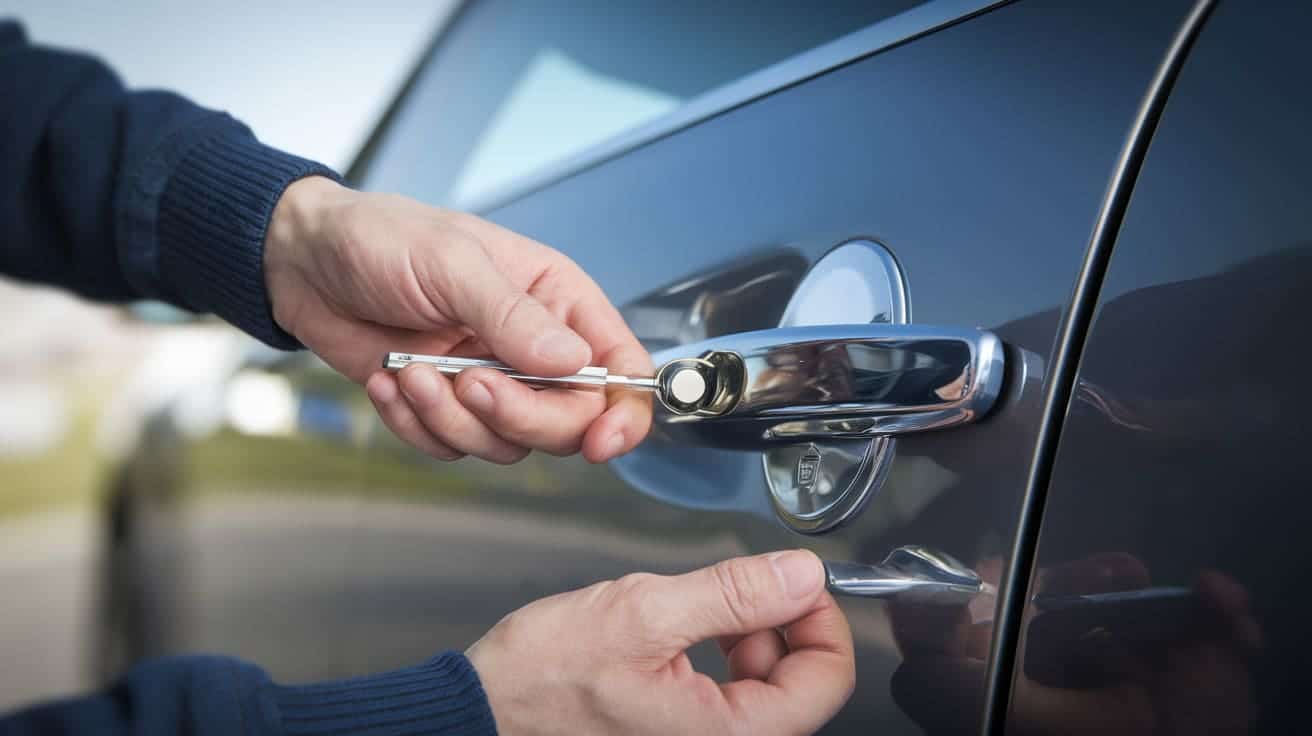
Automotive locksmithing is a specialized branch of automotive security that focuses on the repair, replacement, and enhancement of locking systems for motor vehicles. This field encompasses a variety of services including emergency lockout assistance, Key duplication, transponder key programming, ignition repair, and more, utilizing both traditional mechanical techniques and advanced electronic technologies.
Historical Context and Development
Early Beginnings and Mechanical Innovations
Automotive locksmithing emerged in tandem with the development of motor vehicles during the early twentieth century. In the early days, vehicles generally employed simple mechanical locking mechanisms such as pin tumbler and wafer locks that were similar to those found in buildings.
Historically, locksmiths relied on manual processes to cut keys and manipulate lock cylinders. Manual key cutting and basic lock picking were the standard techniques, which despite their limitations, provided dependable access solutions for early vehicle models.
- Initial Methods:
- Manual key cutting with primitive machines.
- Non-destructive entry methods developed from traditional locksmithing practices.
- Use of basic mechanical tools such as tension wrenches and picks.
Transition to Electronic Systems
The evolution of automotive locksmithing was significantly influenced by the introduction of electronic components into vehicle security systems. In the 1970s and 1980s, automotive manufacturers began integrating transponder keys into vehicles. These keys, equipped with microchips, drastically improved security by requiring electronic communication between the key and the vehicle’s immobilizer system prior to engine ignition.
- Technological Shifts:
- Development and integration of electronic circuits within keys.
- Transition from solely mechanical manipulation to digital programming of keys.
- The emergence of on-board diagnostic (OBD) systems that facilitate key programming and system integration.
Standardization and Regulatory Milestones
As automotive technology advanced, industry regulators and standardizing bodies introduced essential guidelines and standards to ensure the safety and reliability of vehicle locking systems.
Standardization efforts culminated in the development of internationally recognized criteria, such as BS3621 and TS007, which define performance and quality benchmarks for automotive locks. These standards serve to align manufacturer practices, promote interopERAbility among different systems, and provide a consistent framework for evaluating service quality.
- Key Standards Developed:
- BS3621, which focuses on deadlock and high-security measures.
- TS007, defining cylinder performance levels and reliability.
- Additional standards addressing electronic and smart lock mechanisms.
Core Services and Applications
Emergency Lockout Assistance
A primary function of automotive locksmithing is to provide emergency services when access to a vehicle is compromised. In situations involving lost keys, damaged locking mechanisms, or accidental lockouts, skilled professionals employ specialized techniques to regain entry without inflicting damage to the vehicle’s structure.
- Service Features:
- Rapid Response: 24/7 availability ensures service in critical situations.
- Non-Destructive Entry: Techniques that preserve vehicle integrity, avoiding the need for forceful entry.
- Skillful Diagnosis: Identifies whether the issue is mechanical or electronic, tailoring the response accordingly.
Key Duplication and Cutting Services
Key duplication remains one of the fundamental services provided by automotive locksmiths. Modern key duplication integrates traditional cutting techniques with advanced computerized key cutting machines for heightened precision. Whether duplicating a mechanical key or producing a spare transponder key, the process must meet the exact specifications required for the vehicle’s security system.
- Processes Involved:
- Manual Cutting: Utilized for simpler, legacy mechanical keys.
- Digital Key Cutting: Employs computer-aided equipment to reproduce sophisticated key designs accurately.
- Programming and Synchronization: Especially critical for transponder keys, which require precise alignment with the vehicle’s electronic control unit (ECU).
Transponder Key Programming and Smart Key Solutions
The advent of transponder keys and smart key systems has significantly transformed automotive locksmithing. These keys contain embedded microchips that communicate with the vehicle’s immobilizer system, preventing unauthorized use.
- Technical Considerations:
- Microchip Programming: Involves interfacing with the vehicle’s onboard diagnostic system (OBD-II) to program the transponder.
- Smart Key Integration: Incorporates remote functions such as keyless entry and sometimes even remote start capabilities.
- Security Protocols: Advanced encryption methods are often used to secure communication between the key and the vehicle’s systems.
Ignition Repair and Replacement
A critical area within automotive locksmithing is the repair and replacement of ignition systems. Faulty ignitions can be caused by mechanical wear, electronic failures, or environmental factors, and may prevent the vehicle from starting. Automotive locksmiths are tasked with diagnosing the specific issues and implementing repairs that restore functionality while maintaining the integrity of the locking system.
- Service Elements:
- Diagnostic Evaluation: Utilizing advanced diagnostic tools to identify the root cause of ignition failure.
- Component Replacement: Replacing defective ignitions, cylinders, or ignition switches where necessary.
- Reprogramming: In cases where electronic elements are involved, reprogramming the new ignition components to integrate seamlessly with the vehicle’s security system.
Mobile Automotive Locksmith Services
Increasingly, locksmiths are adopting a mobile service model to cater to the on-the-go needs of vehicle owners. Mobile units are equipped with state-of-the-art tools and devices, making it possible to deliver efficient, on-site services across diverse geographic locations.
- Advantages of Mobile Services:
- Rapid Dispatch: GPS-enabled systems allow for efficient tracking and dispatch to locations.
- On-Site Capabilities: Mobile workshops are outfitted with digital key cutting machines, OBD diagnostic tools, and programming interfaces.
- Customer Convenience: Reduces incorrect service visits by tailoring solutions to specific vehicle types in real time.
Integration with Vehicle Security Systems
Modern automotive locksmithing is deeply intertwined with broader vehicle security systems. Beyond the immediate task of key duplication or lock repair, professional locksmiths often contribute to a holistic security setup by integrating additional features such as alarm systems, immobilizers, and remote access options.
- Integrated Security Approaches:
- Alarm and Immobilizer Systems: Adoption of systems that restrict unauthorized vehicle activation.
- Smart Technology: Implementation of remote start and smart key systems that enhance both convenience and security.
- Holistic Evaluations: A comprehensive approach where physical and electronic systems work collaboratively to ensure overall vehicle safety.
Tools and Techniques
Diagnostic Tools and Equipment
Automotive locksmiths employ a diverse set of tools and diagnostic equipment that allow them to assess, repair, and enhance vehicle locking systems with precision.
- Key Cutting Machines:
- Digital Key Cutting: Utilizes computer-controlled mechanisms for high-precision duplication.
- Manual Machines: Remain in use for legacy vehicle models and simpler mechanical keys.
- Diagnostic Tools:
- OBD Scanners: Interface with the vehicle’s onboard diagnostic system to read error codes and program transponder keys.
- Decoder Tools: Help in reading and replicating the specific electronic signals required for modern keys.
- Specialized Instruments:
- Tension Wrenches and Lock Picks: Essential for non-destructive entry techniques.
- Programming Interfaces: Technical devices used to reprogram transponder keys and smart keys.
Techniques for Non-Destructive Entry
Non-destructive entry is a core technique employed by automotive locksmiths to ensure that access is regained without undue damage to the vehicle. This method is particularly valuable in emergency situations where preserving the vehicle’s condition is paramount.
- Methodologies Employed:
- Bypass Techniques: Allow entry through ingenious manipulation of internal mechanisms without breaking the lock.
- Rekeying Practices: Adjustments made to the lock cylinder to match new key specifications, often following a loss or theft.
- Benefits of Non-Destructive Methods:
- Preservation of vehicle integrity.
- Reduced repair costs and downtime for vehicle owners.
Automated Programming and Digital Solutions
The integration of digital solutions in automotive locksmithing has transformed traditional practices into highly efficient, technology-driven processes.
- Programming Interfaces:
- OBD-II Integration: Enables the reading and rewriting of key data, crucial for transponder key programming.
- Digital Key Cutting Machines: Offer automated solutions that reduce human error.
- Advanced Diagnostic Mechanisms:
- Real-Time Data Analysis: Ensures accurate programming and repair, minimizing system incompatibilities.
- Software-Driven Adjustments: Facilitate continuous updates to match evolving vehicle security protocols.
Comparative Techniques: Traditional vs. Modern Approaches
The evolution of automotive locksmithing is marked by a convergence of conventional mechanical methods and modern electronic procedures.
- Traditional Methods:
- Mechanical Lock Picking and Manual Key Cutting: Fundamental techniques that remain effective for older vehicles.
- Non-Destructive Mechanical Entry: Relies on physical manipulation and precise manual adjustments.
- Modern Electronic Techniques:
- Transponder Programming: Uses digital interfaces to program keys that are resistant to physical tampering.
- Smart Key Systems: Provide keyless entry and integration with mobile technology.
- Insights on Efficiency:
- Traditional methods are often quicker for simple tasks but may fall short in addressing the intricate features of modern vehicles.
- Modern approaches, although dependent on technology, offer higher precision and enhanced security measures.
Standards, Certifications, and Legal Considerations
Industry Standards and Regulatory Frameworks
The automotive locksmith industry is subject to a host of standards that ensure the safety, consistency, and reliability of its products and services. International standards, such as BS3621 and TS007, serve as benchmarks for vehicle locking systems.
- Established Standards:
- BS3621: Emphasizes robust deadlock mechanisms and is widely recognized in the United Kingdom.
- TS007: Provides detailed specifications for cylinder performance, influencing design and service reliability.
- Other Relevant Protocols: Standards governing electronic and smart locks contribute to the overall framework which automotive locksmiths must adhere to.
- Regulatory Impact:
- Quality Assurance: Ensures that products and services meet minimum performance thresholds.
- Consumer Safety: Helps mitigate vulnerabilities by enforcing stringent design criteria.
Certification Programs and Professional Credentials
Professional certification is crucial in verifying the expertise of automotive locksmith professionals. Certification programs provided by recognized bodies, such as the Master Locksmiths Association (MLA), act as indicators of a locksmith’s commitment to technical excellence and regulatory compliance.
- Certification Elements:
- Training Requirements: Structured programs that cover both mechanical and electronic aspects of automotive locksmithing.
- Examinations: Assess the ability to diagnose, repair, and reprogram various types of automotive locks.
- Ongoing Professional Development: Regular re-certification processes ensure that locksmiths remain up-to-date with evolving technologies and standards.
- Consumer Assurance:
- Certification instills confidence in customers regarding the professionalism and reliability of the service provider.
- compliance with certification requirements is often mandated by insurance companies and regulatory authorities.
Legal Framework and Consumer Rights
Automotive locksmith services operate within a legal framework designed to protect both the service provider and the consumer. Legal considerations include ensuring proper proof of ownership before service is performed, adherence to consumer protection laws, and compliance with data security standards when electronic keys are programmed.
- Key Legal Concerns:
- Proof of Ownership: Procedures to verify that the requester is authorized to access the vehicle.
- Consent and Documentation: Maintaining detailed records of services provided, which may be essential for insurance claims or dispute resolution.
- Consumer Protection: Adherence to legal guidelines that prevent unauthorized access and provide recourse in cases of service failure.
- Regulatory Compliance:
- Locksmiths must meet legal obligations which extend beyond technical services, ensuring that their work supports broader consumer rights and safety measures.
Compliance and Quality Assurance Measures
Ensuring compliance with industry standards and legal regulations is integral to maintaining quality in automotive locksmithing services. Quality assurance methods include regular audits, use of certified tools and equipment, and strict adherence to updated regulatory frameworks.
- Key Compliance Strategies:
- Periodic Audits: Internal and external reviews of service processes for adherence to standards.
- Tool Certification: Usage of only certified diagnostic and key programming equipment.
- Documentation and Record Keeping: Detailed logs of service activities that support both quality control and legal accountability.
Challenges and Limitations
Technological Complexity and Diagnostic Uncertainties
Modern vehicles incorporate a wide array of electronic components that significantly increase the complexity of automotive locksmithing. The transition from purely mechanical systems to those integrating electronics creates a challenge in diagnosing issues.
- Diagnostic Challenges:
- Integration of Multiple Systems: Vehicles combine mechanical locks with digital control units, requiring in-depth technical knowledge and advanced diagnostic tools.
- Variable Vehicle Configurations: Differences across manufacturers and models can complicate the diagnostic process, necessitating a broad understanding of various systems.
- Skill and Training Requirements: The need for continuous education to keep pace with technological advances places high demands on automotive locksmiths.
- Impact on Service Delivery:
- Longer service times during emergency repairs.
- Increased potential for misdiagnosis if diagnostic equipment is outdated or improperly calibrated.
Cybersecurity and Electronic Vulnerabilities
The integration of digital components into automotive locking systems introduces risks associated with cybersecurity. As vehicles become more interconnected, the potential for electronic attacks or unauthorized access increases.
- Security Concerns:
- Electronic Lock Programming: Vulnerabilities in signal transmission between keys and vehicles can lead to security breaches.
- Smart Key Systems: Although designed for enhanced safety, these systems are not immune to interference or hacking attempts.
- Mitigation Techniques:
- Encryption and Secure Protocols: Robust encryption methods are employed to secure programming operations and signal transmission.
- Regular Software Updates: Automotive locksmiths must often perform firmware updates to address emerging security vulnerabilities.
- Holistic Security Approaches: Combining physical repair techniques with electronic security measures enhances overall system resilience.
Operational Challenges in Emergency Services
The operational dynamics of automotive locksmithing, particularly in emergency contexts, present unique challenges in terms of service delivery and consistency.
- Emergency Response Issues:
- Rapid Dispatch Requirements: Ensuring swift response times can be challenging in densely populated urban areas or remote locations.
- Service Variability: Different regions may have varying operational protocols and legal standards, affecting service consistency.
- Challenges in Maintaining Quality:
- Balancing speed and thoroughness during emergencies.
- Training personnel to handle high-pressure situations without compromising quality or safety.
Limitations of Existing Tools and Approaches
Despite advancements in automotive locksmithing tools, limitations persist primarily due to the dual nature of mechanical and electronic systems.
- Tool Constraints:
- Reliability on Older Methods: In some cases, traditional mechanical approaches may be inadequate for modern electronic locks.
- High Cost of Advanced Equipment: State-of-the-art digital key cutting and diagnostic tools require significant investment and regular updates.
- Operational Efficiency:
- Real-time adjustments and accurate programming of complex systems are demanding tasks that may occasionally result in service delays or errors.
- Continuous innovation is required to ensure that tools remain effective against evolving security threats.
Classification of Automotive Lock Mechanisms
Automotive locking mechanisms can be categorized into several distinct types based on their underlying technology and design principles.
- Mechanical Locks:
- Examples include pin tumbler and wafer locks. These locks rely on physical mechanisms and are more common in older vehicles.
- Characteristics: Robust design, easier to manipulate manually but susceptible to physical degradation over time.
- Electronic Locks:
- Incorporate digital components such as transponders, microchips, and remote keyless systems.
- Characteristics: Offer enhanced security through coding and encryption measures, but rely on specialized tools and software for maintenance.
- Smart Locks:
- Represent the latest in automotive security by integrating wireless communication and remote access features.
- Characteristics: Provide convenience and connectivity, albeit with increased complexity and potential for digital vulnerabilities.
Comparative Analysis: Traditional vs. Modern Techniques
Analyzing traditional and modern automotive locksmithing methods reveals several critical differences in approach and efficacy.
- Traditional Techniques:
- Rely largely on mechanical methods such as key cutting and lock picking.
- Advantages: Simplicity, lower cost of tools, established reliability in legacy systems.
- Limitations: Less effective against modern security systems; prone to physical wear and less adaptability to emerging technologies.
- Modern Techniques:
- Utilize electronic diagnostics, digital key programming, and smart technologies.
- Advantages: Enhanced precision, greater flexibility in addressing complex vehicle systems, and improved resistance to unauthorized access.
- Limitations: Require advanced technical knowledge, higher equipment costs, and continual training to remain current with technological advances.
Integration with Broader Vehicle Security Systems
Automotive locksmithing is increasingly viewed not as an isolated service but as a critical component of the overall vehicle security ecosystem.
- System Integration:
- Automotive locksmith services are closely tied to broader security measures such as vehicle alarms, immobilizers, and remote entry systems.
- Role of Automotive Locksmiths: Beyond key duplication or lock repair, modern professionals play a crucial role in the seamless integration of all vehicle security components.
- Benefits of Integration:
- Enhanced security through multiple redundancies.
- More comprehensive forensic diagnostics in cases of networked system failures.
- Examples: Integration of smart key mechanisms with vehicle telematics provides a layered defense system that significantly deters unauthorized entry.
Comparative Evaluation of Service Modalities
A detailed comparison of various service modalities within automotive locksmithing highlights the nuances between different approaches and their respective advantages. This evaluation includes both traditional services and modern digital methodologies.
- Emergency Response vs. Routine Services:
- Emergency Services: Focus on rapid response, typically bundled with advanced non-destructive entry techniques.
- Operational Considerations: Demand immediate technical expertise and often involve mobile units with state-of-the-art equipment.
- Routine Services: Encompass scheduled maintenance, key duplication, and regular diagnostic evaluations.
- Operational Considerations: Emphasize precision and adherence to established procedural standards, often integrated with regulatory compliance systems.
- Emergency Services: Focus on rapid response, typically bundled with advanced non-destructive entry techniques.
- Service Efficiency:
- Adopting modern techniques can enhance overall service efficiency but may also require more substantial initial investments in technology and training.
Copyright © 2025 Prime Alert Locksmith. All rights reserved.


