

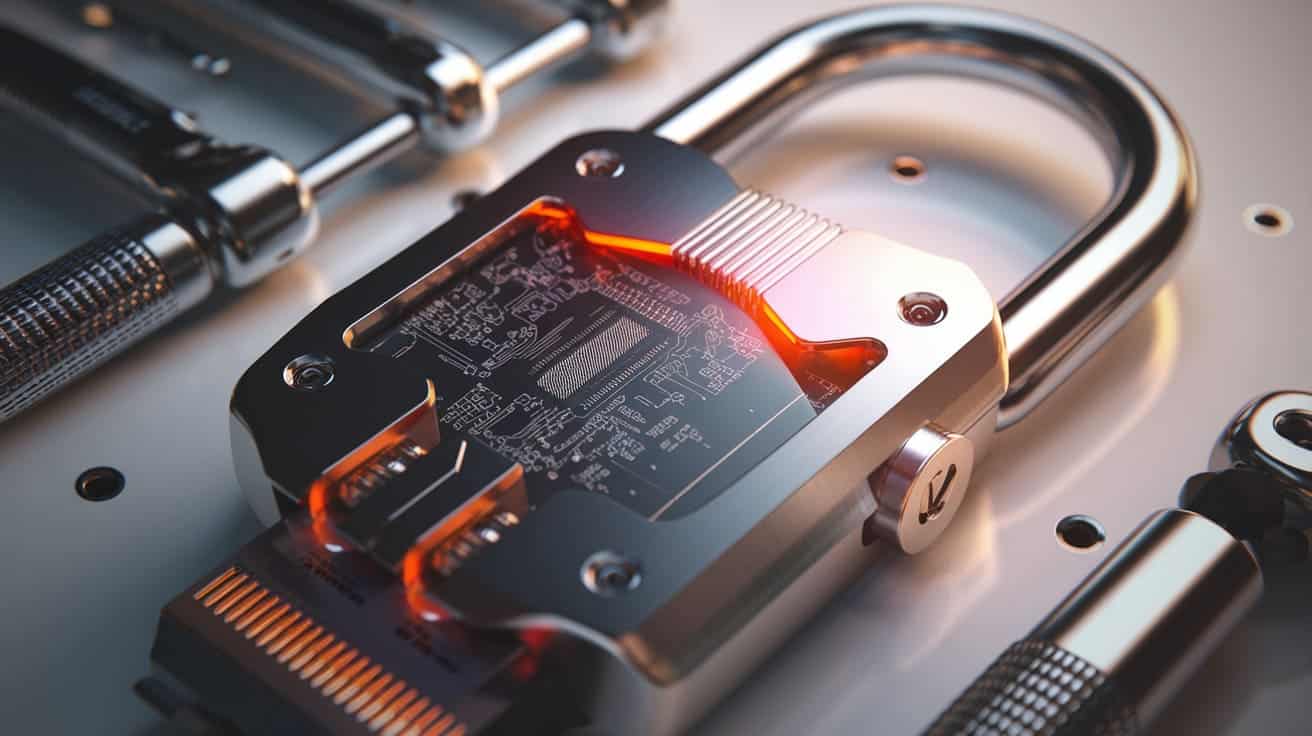
BS EN 14846 Electromechanical locks are a specialized class of locks that integrate traditional mechanical components with electronic control systems to provide enhanced security, energy efficiency, and operational reliability. These locks adhere to a European standard that defines the technical, performance, and testing requirements essential for ensuring that the products meet rigorous quality benchmarks in both residential and commercial environments.
Scope and Purpose
BS EN 14846 serves as a regulatory framework designed to standardize the performance and safety of electromechanical locks. The standard addresses various facets, including energy consumption, durability, and resistance to tampering, ensuring a high level of operational consistency and quality. For property managers and facilities directors, this standard provides an objective basis for comparing locking systems and ensuring that installations meet defined security and energy efficiency parameters.
Key aspects include:
- Energy Efficiency: Standards for standby power consumption and ovERAll energy usage, ensuring that locks contribute to sustainable building practices.
- Durability Tests: Procedures to establish the lifespan of components under repeated usage.
- Tamper Resistance: Critical metrics for assessing the lock’s capability to withstand forced entry techniques in both mechanical and electronic domains.
This structured framework allows professionals, such as those at {COMPANY_NAME} (implicitly Prime Alert – The London Locksmiths), to ensure that the systems they install or maintain are compliant with industry standards, thereby enhancing the security and reliability of their operations.
Development History and Background
The evolution of electromechanical locks has been marked by a gradual integration of digital technology with traditional mechanical locking mechanisms. Historically, locks primarily operated on simple mechanical principles, relying on physical keys and mechanical tumblers to secure access points. However, with rapid advancements in digital electronics and the increasing demand for high-security and energy-efficient solutions, electromechanical locks emerged as a state-of-the-art alternative.
The development of BS EN 14846 was driven by the need to establish a comprehensive set of criteria that would measure the quality and reliability of these hybrid systems. Over the years, extensive research, technological advancements, and real-world testing have contributed to the refinement of the standard. Key milestones include:
- Integration of Electronic Controls: The incorporation of microprocessors and digital signal processing (DSP) to manage locking operations.
- Energy Management Innovations: Advances such as low-power consumption modes and improved battery technologies that reduce the overall energy footprint.
- Enhanced Security Protocols: The implementation of tamper-resistant features and robust control circuitry that enhance overall system integrity.
These historical developments have paved the way for the modern implementation of electromechanical locking systems, ensuring that they not only meet contemporary security challenges but also thrive in an increasingly digital world.
Structure of the Standard
BS EN 14846 is meticulously structured to provide a comprehensive evaluation of electromechanical locks. Its organization reflects a modular approach that addresses the various technical, operational, and compliance aspects of these systems.
Overview of the Standard
- General Provisions: Establishes the basic definitions and scope.
- Technical Requirements: Outlines the minimum performance criteria for components such as actuators, control circuits, and power supplies.
- Testing Methodologies: Details the protocols for durability, energy consumption, and tamper resistance testing.
- Certification Processes: Describes the steps required for obtaining compliance certification from recognized bodies.
Hierarchical Organization
- Chapters and Sections: The standard is divided into clearly defined chapters, each addressing specific elements of lock performance. For example, one chapter might focus entirely on energy efficiency metrics while another examines mechanical durability.
- Performance Metrics: A set of defined indicators, such as energy consumption rates and number of operational cycles before degradation, facilitate objective comparisons among different lock systems.
- Regulatory Alignment: The standard interfaces with broader regulatory frameworks, including building and energy regulations, ensuring that electromechanical locks meet environmental and security mandates.
The structured layout of BS EN 14846 enables both manufacturers and end users to systematically assess the performance of electromechanical locks, thereby supporting reliable and safe implementations in a variety of settings.
Key Definitions and Metrics
A clear understanding of BS EN 14846 hinges on the precise definitions and performance metrics outlined within the standard. These definitions provide the foundational language necessary for evaluating electromechanical locking systems.
Core Terminology
Electromechanical Lock
An electromechanical lock is defined as a locking device that integrates mechanical security components with electronic control systems. This fusion allows for advanced features such as remote operation, programmable access, and energy-efficient functionality.
Actuation System
The actuation system refers to the mechanism that enables the physical movement required for locking and unlocking operations. Common actuation methods include the use of electric motors or solenoids that convert electrical energy into mechanical motion.
Digital Control Circuitry
Digital control circuitry encompasses the electronic components responsible for managing the lock’s operations. It typically includes microprocessors, sensors, and digital signal processors (DSP) that coordinate the lock’s functions with high precision.
Performance Metrics
Energy Efficiency
One of the most critical performance metrics is energy efficiency. This metric measures the power consumption of the lock in both active and standby modes. The standard emphasizes low energy usage to ensure that the locks do not contribute significantly to overall building energy consumption.
Durability and Operational Lifespan
Durability is assessed by subjecting the lock to repeated cycles of operation. The number of cycles the lock can endure before performance degradation is a key indicator of its longevity. This metric is crucial for determining the suitability of a lock in environments where frequent use is expected.
Tamper Resistance
Tamper resistance evaluates the lock’s ability to withstand physical and electronic attacks. This includes testing the mechanical components for robustness and assessing the efficacy of digital security measures against hacking or forced entry attempts.
Compliance Benchmarking
Compliance benchmarking involves comparing the lock’s performance against the specific criteria outlined in BS EN 14846. Compliance with the standard ensures that the lock maintains a high level of safety and functionality under real-world conditions.
The precise use of these terms and metrics facilitates a common understanding among manufacturers, installers, and end users, encouraging consistency and reliability in the application of electromechanical lock technology.
Applications and Use Cases
BS EN 14846 Electromechanical Locks find application across a wide spectrum of environments due to their enhanced security, energy efficiency, and operational reliability. Their design makes them suitable for diverse applications, ranging from residential properties to large-scale commercial installations.
Residential Applications
In residential contexts, electromechanical locks are typically installed on entry doors and internal security points. Their electronic control features offer convenient functionalities such as remote unlocking and programmable access schedules. Homeowners benefit from:
- Enhanced Energy Efficiency: Reduced power consumption translates into lower operating costs.
- Improved Security: Advanced tamper-resistant features help protect against break-ins.
- Operational Simplicity: Integration with home automation systems provides seamless management of access control.
These advantages make electromechanical locks an attractive option for homeowners seeking to combine traditional security methods with modern, digital enhancements.
Commercial and Institutional Applications
For commercial and institutional buildings, such as offices, educational institutions, and healthcare facilities, the use of BS EN 14846 compliant locks is imperative to maintain high security and operational efficiency. Facilities managers value these systems for their:
- Integration Capabilities: Electromechanical locks can be seamlessly integrated with centralized security and access control systems, enabling automated monitoring and real-time management.
- Scalability: The standard’s modular approach allows for the uniform implementation of secure lock systems across large properties.
- Regulatory Compliance: Installation of certified locks helps ensure that properties meet the strict standards required by local regulations and insurance policies.
In these settings, the performance and reliability of electromechanical locks are critical factors in sustaining building security and ensuring that safety protocols are met consistently over time.
Industrial and Specialized Applications
Electromechanical locks are also employed in industrial and specialized environments where high usage and robust performance are paramount. These include:
- Warehouse Security: Where frequent access and heavy-duty security measures are necessary.
- Restricted Areas: Such as data centers and research facilities, where precise control over access is vital.
- Transport and Logistics: In vehicles or secure transport units requiring reliable, energy-efficient locking systems.
Across these diverse applications, the BS EN 14846 standard provides a common baseline that helps standardize installation practices and performance expectations, ensuring that all users derive maximum benefit from advanced locking technology.
Comparative Analysis with Traditional Locking Systems
A systematic examination of electromechanical locks in relation to traditional mechanical locking systems reveals several critical differences in design, functionality, and performance.
Design and Operational Differences
Traditional mechanical locks rely solely on physical mechanisms such as pin tumblers, levers, and deadbolts to ensure security. In contrast, electromechanical locks incorporate an electronic control layer that enables additional functionalities. Key differences include:
- Control Mechanisms: Mechanical locks require physical manipulation, whereas electromechanical locks use digital control circuits to operate, providing features like programmable unlocking and remote access.
- Energy Usage: Electromechanical locks are designed to minimize energy consumption, often operating in low-power standby modes. Traditional locks do not have an energy consumption profile since they are entirely mechanical.
- Maintenance Requirements: While mechanical locks depend on regular physical maintenance (lubrication, adjustment), electromechanical systems involve periodic electronic system checks and battery monitoring, in addition to mechanical upkeep.
Performance and Security Metrics
Empirical comparisons have demonstrated that electromechanical locks generally outperform mechanical locks in several key performance areas:
- Durability: Electromechanical locks, when tested under BS EN 14846, show higher endurance in repeated use cycles due to the sophisticated design of their actuation systems.
- Security Features: The integration of digital controls allows for real-time monitoring, logging of access events, and enhanced tamper resistance through electronic countermeasures.
- Operational Flexibility: The programmability of electromechanical locks offers significant advantages in scenarios requiring dynamic access control, such as varying entry permissions based on time or user identity.
These factors contribute to a nuanced understanding of why many property managers and facilities directors may prefer electromechanical locks, despite higher upfront costs compared to conventional mechanical systems.
Challenges and Considerations
Despite their numerous advantages, electromechanical locks present certain challenges:
- Complexity: The addition of electronic components increases system complexity, requiring specialized maintenance and troubleshooting.
- Power Dependency: Reliance on batteries or external power sources introduces a potential point of failure, which must be mitigated through robust battery management systems.
- Cost: Initially, the cost of electromechanical systems is generally higher; however, long-term benefits from energy savings and reduced maintenance can offset these costs.
The comparative analysis underscores that while electromechanical locks are technologically advanced and offer multiple performance benefits, careful consideration must be given to their specific application contexts and associated operational challenges.
Safety, Quality, and Maintenance Considerations
Adherence to BS EN 14846 ensures that electromechanical locks are developed and maintained with a strong emphasis on safety, quality, and longevity. A set of rigorous safety protocols and quality assurance processes is fundamental to achieving the standard’s objectives.
Safety Features and Security Measures
Electromechanical locks under this standard are designed to provide comprehensive protection against both physical and electronic threats. Important safety features include:
- Robust Construction: Components are fabricated using high-grade materials that resist wear and mechanical impact.
- Tamper Resistance: The integration of digital control circuits enhances resistance to forced entry and unauthorized manipulation.
- Energy Management: Strict energy efficiency requirements ensure that the locks remain operational under low-power conditions, reducing the risk of overheating or functional degradation.
These safety features are crucial for environments where security is paramount, including commercial institutions, industrial facilities, and regions where regulatory requirements impose strict quality standards.
Quality Assurance Protocols
Quality assurance is achieved through a multi-step process involving extensive testing and certification:
- Manufacturing Standards: Manufacturers must adhere to precise assembly procedures and use standardized components that meet the BS EN 14846 criteria.
- Testing Procedures: Locks undergo rigorous durability tests, including simulated long-term use and stress-testing to assess performance under extreme conditions.
- Third-Party Certification: Independent laboratories conduct compliance evaluations, ensuring that the lock systems meet or exceed the prescribed benchmarks for energy efficiency, durability, and tamper resistance.
Quality assurance not only validates the performance of electromechanical locks but also reassures customers, including property managers and homeowners, that the systems they are deploying are built to the highest standards of safety and reliability.
Maintenance Practices
Optimal performance of electromechanical locks is maintained through regular servicing and adherence to scheduled maintenance protocols. Key maintenance practices include:
- Routine Inspections: Frequent visual and operational inspections to detect signs of wear or potential failure.
- Lubrication and Mechanical Adjustments: Ensuring that moving parts operate smoothly and adjusting mechanical components as needed.
- Electronic System Checks: Monitoring the digital control circuitry and power management subsystems to guarantee that the lock continues to operate efficiently.
- Battery and Power Source Management: Regular testing and replacement of batteries to prevent power-related failures, an essential factor in maintaining continuous operation.
By following these maintenance practices, you can maximize the lifespan and functionality of the locks, ensuring they remain compliant with BS EN 14846 and continue to provide secure access control over time.
A comprehensive understanding of BS EN 14846 Electromechanical Locks requires familiarity with various related technical concepts and industry-specific terms. This section provides clear definitions and explanations of key terms that are integral to the standard.
Core Technical Terms
Electromechanical Lock
An electromechanical lock integrates traditional mechanical elements with advanced electronic control systems. This amalgamation facilitates features such as programmable access, remote unlocking, and enhanced operational efficiency through digital controls.
Actuation System
The actuation system in an electromechanical lock consists of components that convert electrical energy into mechanical motion. Commonly, this includes the use of electric motors or solenoids that drive the locking mechanism.
Digital Control Circuitry
Digital control circuitry comprises the electronic circuits and microprocessors that manage the performance of the lock. This circuitry enables functionalities such as signal processing, energy monitoring, and integration with other security systems.
Energy Efficiency Metrics
Energy efficiency metrics are quantifiable parameters used to assess the power consumption of the lock system. These metrics evaluate both active power use during operation and minimal power requirements during standby modes.
Extended Terminology
- Battery Management Systems: Systems designed to monitor and optimize battery performance, ensuring that the lock maintains consistent power supply and extends its operational lifespan.
- Retrofit Compatibility: The capacity of new electromechanical lock systems to be installed in existing mechanical lock setups with minimal modifications.
- Digital Signal Processing (DSP): The application of digital algorithms to analyze and modify signals within the lock’s electronic circuits, ensuring optimal performance and responsiveness.
- Tamper Resistance: The ability of the lock to withstand attempts at unauthorized entry through physical force or electronic interference.
- Durability Testing: Procedures designed to simulate long-term operational conditions to determine how many cycles a lock can withstand before degradation occurs.
The precise understanding of these terms is essential not only for technical professionals and installers but also for property managers and facilities directors who rely on robust security systems to protect valuable assets.
Applications and Use Cases
BS EN 14846 Electromechanical Locks are deployed across a wide array of environments due to their enhanced operational features, robust security measures, and energy-efficient design. Their application spans multiple sectors, each benefitting from the advanced performance characteristics defined by the standard.
Residential Use Cases
In residential settings, electromechanical locks are typically installed on entry doors and internal security points to provide advanced access control. Homeowners and property managers benefit in various ways:
- Enhanced Security: The integration of digital control allows for programmable access and remote monitoring, ensuring that your property maintains a high level of protection.
- Operational Convenience: Features such as remote unlocking and the ability to set timed access reduce the need for physical key management.
- Energy Efficiency: Reduced power consumption in standby modes contributes to both sustainable practices and lower operating costs.
The reliable performance of BS EN 14846 compliant locks makes them an attractive option for homeowners seeking to implement sophisticated security systems that integrate seamlessly with modern home automation solutions.
Commercial and Institutional Use Cases
For commercial properties, electromechanical locks are an essential element of comprehensive security strategies:
- Centralized Security Integration: These locks can be integrated with building-wide security systems, providing centralized control and monitoring for offices, schools, healthcare facilities, and government buildings.
- Regulatory Compliance: The standard ensures that locks meet rigorous safety and durability criteria, making them suitable for high-traffic and high-risk environments.
- Cost Efficiency: While initial installation may be more complex, the long-term benefits include lower maintenance costs and reduced energy consumption compared to traditional mechanical systems.
Facilities managers and security professionals rely on the standardized performance of electromechanical locks to meet regulatory requirements and maintain a secure environment. These applications are critical in ensuring that large-scale installations remain both effective and manageable.
Industrial and Specialized Applications
Electromechanical locks are also used in industrial settings and specialized applications, where the demands on performance and durability are particularly high:
- Warehouse Security: In storage and distribution centers, locks that adhere to BS EN 14846 help manage access control while enduring continuous use.
- Restricted Access Areas: In environments such as data centers and research laboratories, the precision and reliability of these locks support the stringent security requirements essential for protecting sensitive information.
- Transport Security: Electromechanical systems can also be adapted for use in vehicles and transport containers, ensuring that critical assets remain secure in transit.
These varied use cases demonstrate the versatility of BS EN 14846 Electromechanical Locks, which are engineered to perform reliably across different environmental conditions and operational demands.
Comparative Analysis with Traditional Locking Systems
Comparing electromechanical locks defined by BS EN 14846 with traditional locking systems reveals distinct differences that justify the evolution of modern security solutions. A detailed analysis offers insights into the design, functionality, and operational efficiency of both systems.
Design and Structural Differences
- Mechanical Components vs. Electronic Integration:
Traditional locks operate solely on mechanical principles using physical keys and tumblers. In contrast, electromechanical locks incorporate electronic components that facilitate programmable functions and remote control, offering a layer of convenience and precision. - Energy Management:
Whereas conventional locks require manual intervention with no associated energy consumption profile, electromechanical locks are designed with dedicated power management systems that enable low-power operation in standby mode and efficient energy use during active operation. - Material and Construction:
Advances in material science have led to the development of components that are more resistant to wear and environmental degradation in electromechanical systems. Enhanced materials contribute to increased durability, as verified by rigorous testing protocols under the BS EN 14846 standard.
Functional Advantages and Limitations
Electromechanical locks provide several performance benefits over traditional locks:
- Programmable Access:
Digital control systems allow for customizable access schedules, which can be particularly beneficial for commercial or institutional buildings that require varying levels of access control throughout the day. - Enhanced Security:
Integration of tamper-resistant features and electronic monitoring reduces the risk of unauthorized entry—a critical advantage for high-value properties. - Maintenance and Lifecycle Costs:
Although electromechanical locks may present higher initial installation costs due to their complex design, their long-term durability and reduced need for frequent mechanical maintenance often lead to lower overall lifecycle costs.
However, these systems also face challenges such as potential electronic failures and increased complexity during troubleshooting. It is essential to weigh these factors against their performance benefits when deciding on a lock system for a given application.
Performance Metrics
A comparative study highlights key performance indicators:
- Durability:
Electromechanical locks generally surpass traditional locks in terms of operational endurance, having been designed to handle a significant number of use cycles without performance degradation. - Energy Efficiency:
The advanced power management systems ensure a low energy footprint, an important consideration in modern security and environmental sustainability strategies. - Operational Flexibility:
Digital systems enable features such as remote diagnostics and real-time performance logging, making them adaptable for integration into larger security frameworks.
This analysis provides a comprehensive view of the strengths and potential limitations of electromechanical locking systems relative to conventional mechanisms.
Safety, Quality, and Maintenance Considerations
Ensuring the long-term reliability of electromechanical locks under the BS EN 14846 standard necessitates rigorous safety protocols, quality assurance measures, and systematic maintenance practices. These elements collectively contribute to the functional integrity and operational safety of the lock systems.
Safety Features
Electromechanical locks incorporate several key safety features:
- Built-In Tamper Resistance:
High-grade materials and sophisticated digital controls provide robust protection against physical and cyber tampering. - Overload Prevention:
Integrated energy management and control circuitry ensure that the locks operate within safe electrical parameters, reducing the risk of overheating. - Regulatory Compliance:
The adherence to BS EN 14846 ensures that all safety measures are in line with established emergency and operational guidelines, promoting reliability under adverse conditions.
Quality Assurance Processes
Quality assurance in electromechanical locks is supported by a comprehensive series of tests and assessments:
- Manufacturing Standards:
Stringent quality control measures during production ensure consistent component performance and adherence to standard specifications. - Third-Party Testing:
Accredited laboratories conduct independent testing to verify energy efficiency, durability, and security performance. - Certification Programs:
Locks that meet the criteria set forth by BS EN 14846 are certified by recognized institutions, providing assurance of their reliability and safety.
Maintenance Guidelines
Effective maintenance practices are essential for ensuring the longevity and optimal performance of electromechanical locking systems:
- Regular Inspections:
Scheduled inspections should assess both mechanical and electronic components for signs of wear or degradation. - Preventive Maintenance:
Routine tasks, such as lubrication of moving parts, calibration of digital control circuits, and battery replacement, are critical to prevent failures. - Troubleshooting Protocols:
Detailed diagnostic procedures help identify issues early, facilitating timely repairs without significant disruption to the system’s operation. - Documentation and Record-Keeping:
Keeping detailed maintenance records ensures that trends in wear and performance can be monitored over time, allowing for proactive interventions.
Adhering to these safety and maintenance protocols not only extends the lifespan of electromechanical locks but also guarantees that they continue to meet the stringent performance standards required by BS EN 14846.
A comprehensive understanding of BS EN 14846 Electromechanical Locks is dependent on familiarity with associated concepts and terminologies that influence the broader field of access control and security systems.
Core Concepts
Digital Control and Signal Processing
Digital control circuitry forms the backbone of electromechanical locks. The integration of microprocessors and digital signal processing (DSP) enables precise control of lock actuation and energy management, ensuring that the system remains responsive and efficient.
Actuation Mechanisms
The actuation mechanism plays a critical role in determining the overall performance of the lock. Common systems involve electrical motors or solenoids that drive the movement of locking components, converting electrical signals into mechanical action with high precision.
Energy Metrics
Energy efficiency is measured by analyzing the power consumption of the lock during both active and idle phases. The standard emphasizes minimizing energy usage by incorporating low power modes and effective battery management systems, which are crucial for maintaining operational efficiency.
Extended Terminology
- Retrofit Compatibility:
The ability of new electromechanical locking systems to integrate with pre-existing mechanical infrastructure without extensive modifications is essential for upgrading legacy systems. - Tamper Resistance:
Evaluates the durability of both the mechanical and digital elements against unauthorized entry or deliberate sabotage. - Durability Testing:
Refers to standardized test protocols designed to simulate long-term use, ensuring that the lock performs reliably under continuous operational stress. - Battery Management Systems:
These systems are essential in monitoring, controlling, and optimizing the power supply to the lock, which directly affects its performance and operational lifespan. - Compliance Benchmarking:
A systematic process by which the performance of an electromechanical lock is compared against the specific criteria set forth in BS EN 14846.
These terms are not merely jargon; they provide a structured framework that enables stakeholders to engage in an informed discussion surrounding the adoption and integration of advanced electromechanical locking systems.
Copyright © 2025 Prime Alert Locksmith. All rights reserved.


