

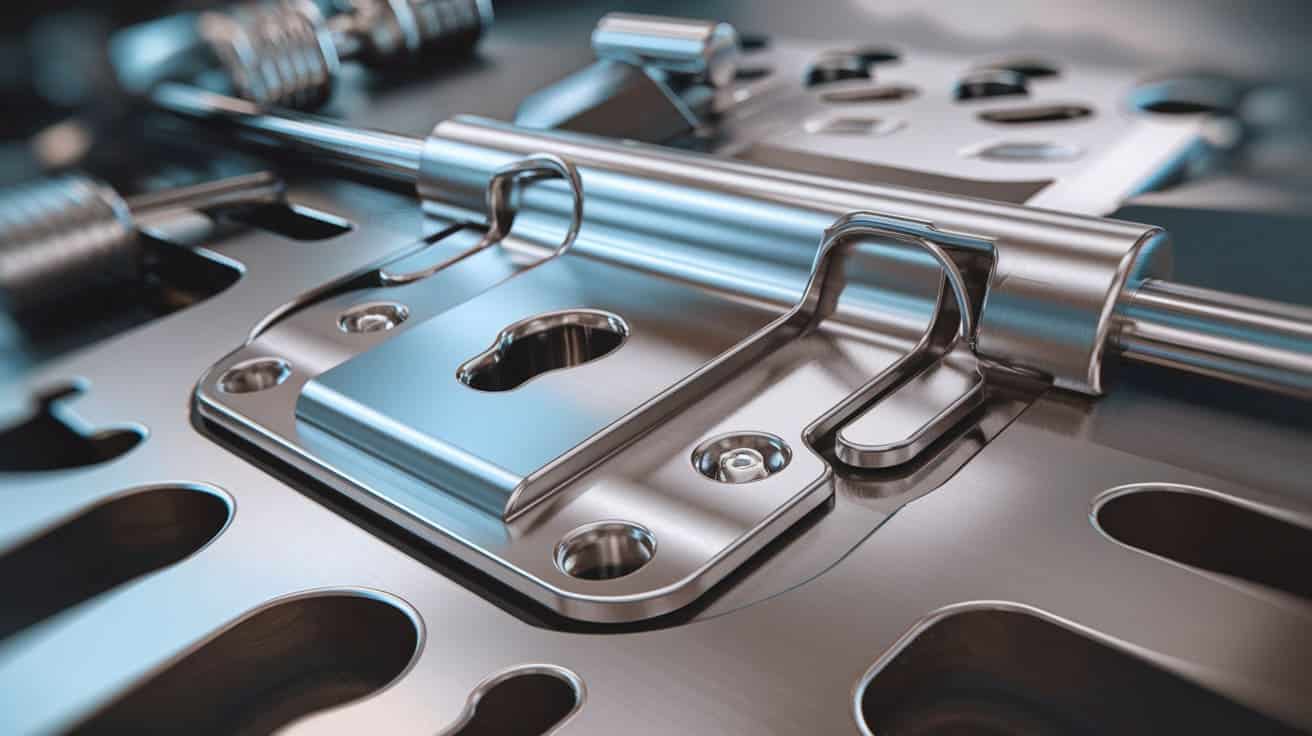
BS 7398 Security Hinges are a British Standard that establishes technical requirements and performance criteria for hinges engineered to enhance door security across a range of building types. These hinges are designed to withstand high mechanical stress, environmental deterioration, and delibERAte tampering, thereby supporting the overall structural integrity and safety of entry points in both residential and commercial contexts.
Scope and Purpose
BS 7398 Security Hinges are implemented to provide a consistent benchmark for the performance, durability, and security of door hinges. The standard is intended to ensure that hinges not only meet rigorous mechanical and environmental requirements but also integrate effectively within broader safety frameworks. By prescribing material specifications, design parameters, and testing protocols, BS 7398 aims to foster improved reliability and resistance to forced entry, contributing to enhanced protection of properties.
This standard is applicable to various applications, from high-security residential doors to critical installations in commercial and institutional settings. Its scope includes establishing uniform testing methods, such as dynamic load and cycle testing, which are essential for assessing long-term performance. Compliance with BS 7398 assists architects, facilities managers, and maintenance professionals in making informed decisions about security upgrades and ensuring adherence to regulatory requirements.
Development History
The evolution of BS 7398 Security Hinges spans several decades of technical innovation and regulatory refinement. Initially conceived in response to the increasing demand for enhanced security components in construction, early versions of the standard provided fundamental guidance for hinge durability and performance. As new materials and testing technologies emerged, BS 7398 evolved to incorporate advanced methodologies, resulting in more comprehensive performance metrics and stricter quality control.
Historically, the development process involved extensive collaboration between manufacturers, regulatory bodies, and security experts. Early iterations focused on establishing the minimum load-bearing capacities and cycle endurance required for typical residential applications. Over time, the scope of the standard expanded to address commercial and specialized installations, such as fire doors and emergency exits. The standard’s revision history reflects a steady trend toward increased precision, with each update incorporating lessons learned from real-world failures and emerging security threats.
Recent revisions of BS 7398 have emphasized corrosion resistance and anti-tamper features, addressing both environmental degradation and deliberate sabotage. The integration of digital testing protocols and computerized simulation has further improved the accuracy of performance assessments. As a result, BS 7398 now represents a critical foundational document for ensuring that security hinges meet the demands of modern construction and building safety standards.
Structure of the Standard
BS 7398 Security Hinges is organized into several interrelated sections that cover material specifications, design criteria, testing procedures, and classification systems. This modular structure allows for comprehensive evaluation and certification, ensuring that each component adheres to a set of predetermined performance benchmarks.
Material Specifications
The standard mandates the use of high-grade materials such as hardened steel and specialized alloys. These components are chosen for their exceptional tensile strength and resistance to wear. Detailed chemical composition requirements ensure that the materials can resist corrosion and maintain structural integrity in adverse conditions. Manufacturers must adhere to precise specifications regarding surface treatments and finishing processes, which are critical to enhancing both performance and lifespan.
Design Parameters
BS 7398 outlines a series of design elements meant to optimize hinge performance. Key parameters include the geometry of hinge leaves, the tolerances associated with pivot mechanisms, and the dimensions of fastening components. The design guidelines are established to ensure even distribution of loads and to minimize stress concentrations, thereby reducing the risk of mechanical failure. Advanced design features, such as the incorporation of anti-tamper elements and reinforced pivot areas, are integral to the overall security profile of these hinges.
Performance Metrics
The standard sets forth detailed performance metrics that are evaluated through rigorous testing protocols. Among these metrics are:
- Load-Bearing Capacity: The maximum force that the hinge can support without yielding under both static and dynamic conditions.
- Cycle Testing Endurance: The number of operational cycles (openings and closings) that the hinge is expected to withstand before signs of fatigue emerge.
- Corrosion Resistance: The effectiveness of coatings and treatments in preventing material degradation over time.
- Anti-Tamper Resistance: Features designed to deter and withstand physical attempts at forced entry.
Testing Procedures
Comprehensive testing is fundamental to BS 7398. The standard stipulates methods for simulating real-world conditions including:
- Dynamic Load Testing: Evaluating the hinge’s performance under variable loads.
- Repetitive Cycle Testing: Assessing durability over thousands of cycles to simulate extended use.
- Environmental Exposure Testing: Determining resistance to corrosion, temperature fluctuations, and other weather-related variables.
These procedures are carried out in accredited laboratories and involve the use of advanced instrumentation to ensure accuracy and repeatability.
Classification and Grading
Hinges conforming to BS 7398 are classified based on a graded system that reflects their overall performance. Grading considers factors such as material quality, load-bearing capacity, and durability. This classification assists in distinguishing between different performance tiers and permits users to select hinge products that best align with their specific security needs. The grading process is underpinned by numerical scores and pass/fail tests, providing an objective measure of quality.
Key Definitions and Metrics
A thorough understanding of BS 7398 requires mastery of the specific terminology and metrics outlined in the standard. This section presents the critical definitions and measurements that constitute the technical foundation of the standard.
Definitions
Load-Bearing Capacity
Load-bearing capacity refers to the maximum force that a hinge can support without failure. This metric is crucial in determining the structural integrity of door installations. It is typically measured in kilonewtons (kN) and is evaluated under both static and dynamic conditions. A high load-bearing capacity indicates that a hinge is capable of withstanding significant stress without experiencing deformation or breakage.
Cycle Testing
Cycle testing is a method used to simulate the operational lifespan of a hinge by repeatedly opening and closing it. This testing assesses the hinge’s durability over time, quantifying the number of cycles it can endure before performance degrades. The results of cycle testing help predict the maintenance intervals and replacement schedules needed to ensure continuous security.
Corrosion Resistance
Corrosion resistance measures the ability of hinge materials and surface treatments to withstand chemical degradation from environmental exposure. This property is crucial for ensuring that hinges remain functional in damp or harsh climates. Various tests, such as salt spray tests, are used to evaluate the efficacy of anti-corrosion coatings and other protective measures.
Anti-Tamper Features
Anti-tamper features are design elements incorporated into the hinge to resist forced entry attempts. These features may include reinforced pivot points, concealed fastening mechanisms, and the use of specialized materials that are difficult to cut or breach. Such enhancements are vital for ensuring that hinges provide not only mechanical reliability but also enhanced security.
Performance Metrics
Durability Index
The durability index is a composite measure derived from cycle testing and load-bearing evaluations. It provides a quantitative assessment of the hinge’s expected operational lifespan under typical usage conditions. This index is instrumental in comparing different hinge models and determining long-term performance.
Tensile Strength
Tensile strength refers to the maximum stress that a hinge component can withstand while being stretched or pulled before failing. This metric is expressed in megapascals (MPa) and is essential for evaluating the material quality and construction of the hinge. High tensile strength values are indicative of superior resistance to mechanical stress and potential deformational forces.
Coefficient of Friction
The coefficient of friction is assessed to determine the sliding characteristics of moving parts within the hinge assembly. This measurement affects the smoothness of hinge operation and influences the wear rate over extended periods. A balanced coefficient of friction is crucial, as too high a value may lead to excessive wear, while too low a value might compromise the stability of the assembly.
Certification Rating
Certification rating represents an aggregate score that reflects the degree of compliance with BS 7398. It is determined through a combination of material testing, design validation, and performance evaluations. Certification ratings serve as an essential tool for builders and installers, providing a clear indicator of quality and reliability that aligns with industry expectations.
Application and Use Cases
BS 7398 Security Hinges are employed in a variety of contexts, offering tailored solutions that address the specific needs of residential, commercial, and specialized installations. Their diverse applications underscore the importance of robust hardware in ensuring building security.
Residential Applications
In residential settings, BS 7398 hinges are primarily used on entry doors where security is paramount. Homeowners value these hinges for their:
- Enhanced Physical Security: The high load-bearing capacity and durability help prevent forced entry, supporting overall door integrity.
- Longevity: Resistance to wear and corrosion implies reduced maintenance frequency, which is essential for residents seeking sustainable security solutions.
- Aesthetic Compatibility: The design parameters allow for integration into a wide range of door styles while maintaining discrete functionality.
Commercial and Institutional Installations
For commercial properties and institutional buildings, the standard plays a critical role in the overall security strategy. Facilities directors and property managers consider the following aspects:
- Regulatory Compliance: BS 7398 hinges comply with relevant building regulations, making them a preferred choice for meeting legal and safety requirements in offices, schools, and healthcare facilities.
- Robust Performance: In high-traffic environments, the hinges must endure continuous use without performance degradation; BS 7398 provides a proven record of durability.
- Integrated Systems: In commercial settings, hinges are often part of a broader security system that includes access control, surveillance, and alarm systems. The reliable performance of BS 7398 components supports the seamless integration of these technologies.
Specialized Installations
In environments that demand particularly high standards of security, such as government buildings, banks, and critical infrastructure, BS 7398 hinges are often deployed alongside other advanced security mechanisms:
- Heritage Properties: In some historical or heritage buildings, there is a need to upgrade security without compromising aesthetic value. BS 7398 allows for the integration of modern security components that blend with traditional designs.
- Fire Doors and Emergency Exits: The hinges are engineered to maintain performance under extreme conditions, such as fire exposure and emergency evacuations. Their ability to withstand high temperatures and rapid cycling is essential for compliance with fire safety standards.
- High-Security Zones: In areas where the risk of attack is significantly elevated, such as data centers or government institutions, the additional anti-tamper features and reinforced structures of BS 7398 hinges provide an extra layer of defense.
Practical Considerations in Use
Installation of BS 7398 Security Hinges requires adherence to specific guidelines to maximize performance:
- Precision Installation: Accurate torque settings and alignment are essential to ensure that the hinge operates smoothly and reliably over time.
- Regular Maintenance: Despite their durability, periodic inspections and routine maintenance, such as lubrication and adjustment, are necessary to preserve optimal functionality.
- Compatibility Checks: In retrofit projects, ensuring compatibility between BS 7398 hinges and existing door components is crucial, particularly when integrating with modern access control systems.
BS 7398 Security Hinges are frequently compared with other standards within the field of security hardware. Such comparisons help identify the unique characteristics and advantages of the standard.
Performance Metrics Comparison
When contrasted with standards like BS 3621 for deadlocks or PAS 24 for enhanced door security, BS 7398 stands out in several key areas:
- Durability Under Cyclic Stress: BS 7398 prescribes extensive cycle testing that demonstrates superior endurance compared to more basic mechanical solutions.
- Material Requirements: The high-grade materials mandated under BS 7398 provide enhanced corrosion resistance and tensile strength, offering better protection in adverse environments.
- Integrated Security Features: Unlike some standards that focus on individual components, BS 7398 emphasizes the hinge’s role within an integrated security system, ensuring that it complements other devices such as door closers and smart locks.
Regulatory and Certification Standards
From a legal and regulatory perspective, BS 7398 is aligned closely with UK building regulations and Approved Document Q, which sets it apart from other standards that may lack such comprehensive integration:
- Compliance Testing: The rigorous testing and certification processes associated with BS 7398 provide higher assurances of quality and reliability. This is validated through third-party assessments and documented testing protocols.
- Legal Enforcement: Compliance with BS 7398 is not only a matter of quality but also of legal compliance, as it forms a key aspect of requirements for many insurance and liability frameworks. The standard’s clear definitions and performance metrics enable easier enforcement by regulatory bodies.
Comparative Performance Analysis
A detailed comparison yields the following insights:
- Cycle Endurance: Studies indicate that hinges conforming to BS 7398 can withstand a significantly higher number of operational cycles without performance degradation compared to similar products meeting only minimal compliance.
- Load Capacity: The load-bearing capacities prescribed by BS 7398 are generally higher, ensuring better performance under pressure and contributing to overall door security.
- Cost Efficiency Over Time: While initial costs may be higher, the long-term benefits in durability and reduced maintenance frequency offer superior return on investment. This aspect is crucial for both residential homeowners and facilities directors who prioritize sustainability and cost savings in security installations.
Industry Adoption
The uptake of BS 7398 Security Hinges has been widespread, with numerous manufacturers, installers, and regulatory bodies incorporating the standard into their practices. The industry’s confidence in BS 7398 is driven by its rigorous testing protocols, detailed performance metrics, and strong alignment with legal requirements.
Adoption in Residential Sectors
In the residential market, BS 7398 hinges are favored by homeowners seeking reliable and compliant security solutions for their entry doors. Their adoption has contributed to:
- Increased Property Value: Compliance with recognized standards is a key factor in property valuation, and BS 7398 hinges help ensure that doors meet high standards of security.
- Lower Maintenance Requirements: Homeowners appreciate that the enhanced durability and corrosion resistance of these hinges result in fewer repair or replacement needs over time.
- Enhanced Insurance Compliance: Many insurance providers prefer or require components that adhere to BS 7398, which can lead to lower premiums and greater peace of mind regarding property protection.
Adoption in Commercial and Institutional Settings
Commercial properties and large institutions have embraced BS 7398 hinges as part of broad security initiatives:
- Regulatory Alignment: Commercial facilities, including offices, hospitals, and educational institutions, benefit from the compliance assurances provided by BS 7398. These buildings must meet stringent building and fire safety regulations, and BS 7398 hinges help satisfy those requirements.
- Reliability and Performance: Facilities directors often remark on the consistent performance of BS 7398 components, noting reduced failure rates even under high-frequency use conditions. This reliability is critical in environments where security is paramount and operational downtime must be minimized.
- Integrated Security Solutions: In many commercial settings, BS 7398 hinges are integrated with other security components such as access control systems and surveillance devices. This holistic approach enhances overall building security, providing a layered defense against potential breaches.
Specialized Market Segments
Certain segments within the security industry have seen specialized adoption of BS 7398:
- Heritage and Retro-Commissioning: In historical properties or buildings undergoing security upgrades, BS 7398 is used in retrofit applications where modern security must be balanced with preservation requirements. The standard’s ability to deliver high security without compromising aesthetic detail is particularly valued in these projects.
- High-Risk Installations: Government buildings, financial institutions, and critical infrastructure facilities have adopted BS 7398 hinges to meet elevated security needs. Here, the standard’s rigorous specifications for load capacity, durability, and anti-tamper features are essential to mitigating security risks.
Manufacturers and service providers in these sectors, including Prime Alert – The London Locksmiths, contribute to a market where quality and compliance are the primary drivers. The broad adoption of BS 7398 underscores its effectiveness and serves as a benchmark for quality in the security hardware industry.
Regulatory Implications
BS 7398 Security Hinges occupy a central role within the regulatory framework governing building security. Compliance with BS 7398 not only assures superior performance but also aligns with legal and safety mandates set by UK authorities.
Legal and Regulatory Compliance
Hinges conforming to BS 7398 are integral to meeting the requirements imposed by various regulatory documents, including Approved Document Q and other building regulations. This alignment ensures that installations:
- Comply with Modern Building Codes: Adoption of BS 7398 is a requirement in many new construction projects and major renovations, ensuring that door installations are both secure and legally compliant.
- Support Insurance and Liability Frameworks: Insurance providers often recognize the standard as a benchmark for quality. This recognition can influence premium calculations and liability assessments, thereby protecting property owners from potential legal disputes.
- Provide a Basis for Certification: The robust certification processes associated with BS 7398—encompassing rigorous testing and third-party verification—offer a level of objectivity that regulatory bodies rely upon to enforce compliance.
Impact on Stakeholders
Property managers, facilities directors, and other stakeholders must account for the implications of BS 7398 in their security strategies:
- Legal Accountability: In the event of security failures or breaches, adherence to BS 7398 can serve as a defense, demonstrating that the installed components met contemporary safety standards.
- Regulatory Inspections: Regular inspections by regulatory agencies often reference BS 7398 as a measure of quality. Non-compliance may lead to fines or mandates for replacement, underscoring the importance of adhering to the standard.
- Operational Continuity: By reducing the likelihood of mechanical failure and the associated risk of property damage, BS 7398 ensures smoother, uninterrupted operations in both residential and commercial environments.
These regulatory implications reinforce the value of BS 7398 as an essential standard in the security hardware industry, supporting legal compliance, fostering user trust, and minimizing potential financial liabilities.
Copyright © 2025 Prime Alert Locksmith. All rights reserved.


