

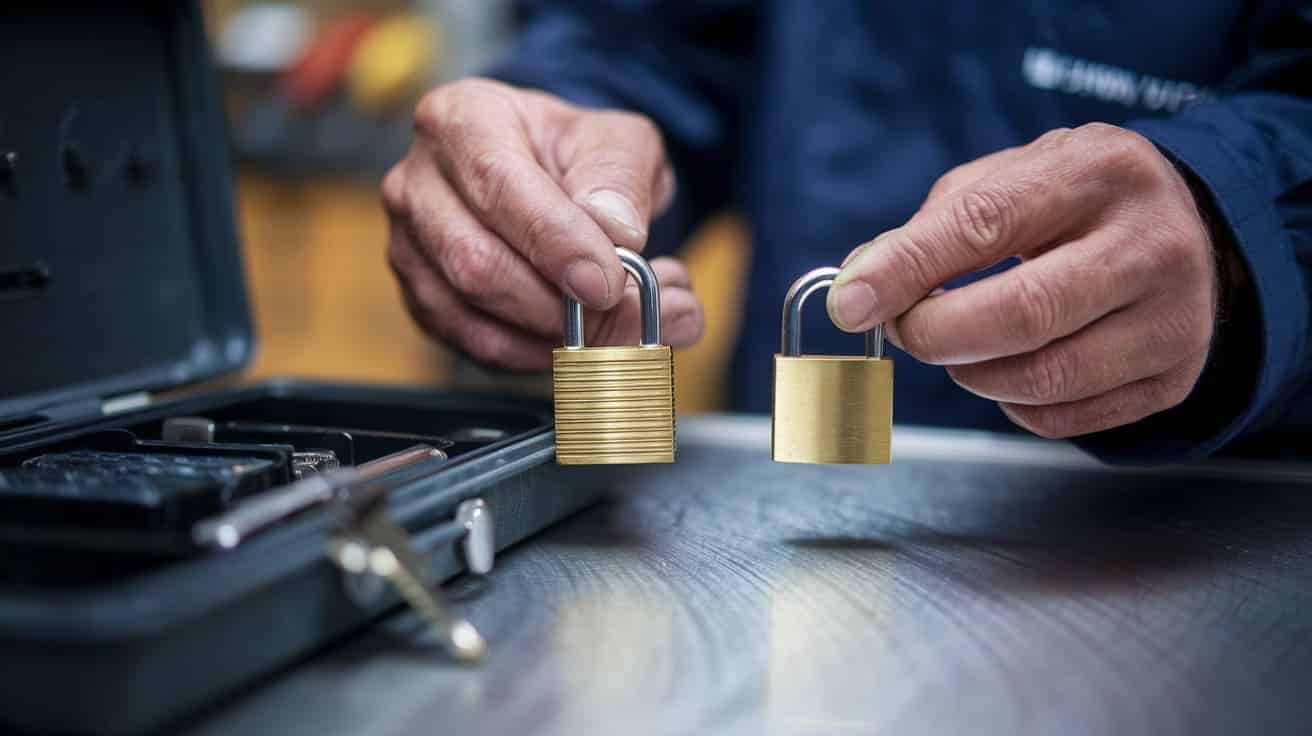
A lock is a mechanical or electronic device designed to secure an entry point against unauthorized access. It opERAtes by engaging a mechanism that restricts opening unless the correct key, code, or biometric input is provided. Locks play a critical role in safeguarding properties, assets, and personal privacy in both residential and commercial settings, ensuring that the level of security matches the complexity of potential threats.
Historical Development and Evolution
The evolution of locking devices is a reflection of humanity’s enduring quest for security and order. Early mechanical locks, fashioned from wood and rudimentary metals, served as primitive guardians for chests and doors in ancient civilizations. Over time, advances in metallurgy and engineering led to more sophisticated designs, such as the pin tumbler lock, which emerged in the 19th century and remains a cornerstone of modern security.
Early Beginnings
- Ancient Times:
- Simple wooden locks, sometimes reinforced with bronze or iron, were used to secure important documents and valuables.
- Egyptian and Roman civilizations developed metal locks that incorporated basic lever and bolt systems.
- Medieval Innovations:
- The medieval period saw an increase in the complexity of locks as castles and fortified structures required enhanced security measures.
- Artisans began to design locks with intricate keyways and multi-pin systems.
- Industrial Revolution:
- Mass production techniques enabled the standardization of locks, making durable systems widely available.
- Innovation in machining and metal fabrication resulted in the popular pin tumbler design that laid the groundwork for modern locks.
Modern Advancements
- 20th Century Developments:
- The introduction of electronic locks in the latter half of the century revolutionized access control, integrating digital components with traditional mechanical systems.
- Recent Innovations:
- The integration of smart technology has heralded an era of connected locks, which use wireless communication and biometric verification to provide enhanced security.
- These technologies allow for remote monitoring and control, facilitating integration with broader security systems.
| Epoch | Technological Milestone | Key Features |
|---|---|---|
| Ancient Civilizations | Use of primitive wooden and metal locks | Basic locking mechanism, simple key operation |
| Medieval Period | Reinforced metal locks with elaborate keyways | Increased complexity, improved security |
| Industrial Revolution | Mass production of pin tumbler locks | Standardization, durability, reliability |
| Modern Era | Emergence of electronic and smart locks | Digital integration, remote management |
Theoretical Framework and Definition
A lock is defined as a device that temporarily secures an entry or point of access through the engagement of a specialized mechanism. At its core, a lock comprises structural components including a bolt or latch, a cylinder that houses pins or tumblers, and an actuating element such as a key, keypad, or biometric scanner. The operation of a lock is based on principles of mechanical advantage and controlled motion, where the alignment of internal components is crucial for functionality.
Core Components
- Bolt or Latch: The moving element that physically blocks or permits access.
- Cylinder/Core: Contains the internal mechanisms (pins, tumblers) that interact with the key.
- Actuating Interface: Can be mechanical (key), electronic (keypad), or biometric (fingerprint).
Functional Principles
- Mechanical Operation: Relies on physical keys and lever systems typical in traditional lock configurations.
- Electronic Operation: Utilizes microprocessors and sensor inputs to control access.
- Hybrid Systems: Combine aspects of both mechanical and electronic operations to enhance functionality and security.
Theoretical Models in Security
- Risk Mitigation Frameworks: Evaluate the effectiveness of locks by analyzing their resistance to forced entry, environmental wear, and tampering.
- Performance Metrics: Include measures such as durability, ease of use, and compliance with established standards.
- Comparative Analysis Models: Differentiate between various lock types based on technical specifications and intended application environments.
Practical Relevance and Application
The selection of a lock is a significant decision, impacting not only the security of your property but also factors such as insurance coverage and regulatory compliance. The practical relevance of locks spans diverse applications, from safeguarding homes to securing commercial buildings and critical infrastructure.
Residential Applications
In residential settings, locks must offer reliability and ease of use while providing sufficient security to protect against everyday threats.
- Key Considerations:
- Usability: Locks should operate smoothly under frequent use.
- Maintenance: Ease of maintenance contributes to prolonged performance.
- Aesthetics: Residential locks are often chosen based on how they complement door design and interior decor.
- Common Scenarios:
- Protecting entry doors, windows, and garages.
- Ensuring that the locks comply with basic building safety standards.
Commercial and Institutional Applications
For commercial properties, the stakes are higher, and security systems must be robust enough to handle increased risk factors.
- Requirements:
- Integration: Locks should work seamlessly with broader security systems, including surveillance cameras and electronic access controls.
- Compliance: Adherence to industry-specific standards and building codes is critical.
- Durability: Heavy-duty usage requires locks that can withstand frequent operation and potential attempts at forced entry.
- Real-World Use Cases:
- Securing office entrances and perimeter facilities.
- Managing access to restricted areas within public buildings.
Special Considerations for High-Risk Environments
- Emergency Situations: Locks must facilitate rapid access during emergencies without compromising security.
- High-Security Installations: Specialized environments, such as banks or data centers, require locks with advanced features like biometric authentication and multi-factor access control.
- Insurance and Liability: The right lock can impact insurance premiums, as properties with certified locking systems are deemed lower risk by insurers.
Evaluation Criteria and Methodology
Selecting the optimal locking mechanism requires a comprehensive evaluation that balances multiple factors. A methodical approach ensures that locks meet the specific needs of your property while conforming to regulated standards.
Assessment Parameters
- Property and Risk Analysis:
- Determine the type of property (residential or commercial) and identify potential security vulnerabilities.
- Conduct an environmental risk assessment to understand exposure to elements like weather, forced entry attempts, and wear over time.
- Performance Metrics:
- Durability: Evaluate material strength, resistance to corrosion, and overall construction quality.
- Security Features: Consider anti-pick, anti-drill, and bump-resistant features.
- Usability: Examine the ease of operation and maintenance, emphasizing efficiency and reliability.
- Cost-Benefit Considerations:
- Initial Investment vs. Long-Term Savings: Balance the upfront costs of high-quality locks against potential savings from reduced insurance premiums and maintenance expenses.
- Lifecycle Evaluation: Assess the expected lifespan and performance degradation over time.
- Comparative Analysis:
- Compare mechanical, electronic, and smart lock solutions based on standardized metrics.
- Apply performance tests and certifications as benchmarks (e.g., BS3621, TS007).
Methodological Approach
- Quantitative Testing: Utilize laboratory tests to simulate common attacks (picking, drilling) and measure lock resilience.
- Qualitative Evaluation: User experience, ease of maintenance, and reliability under various conditions are assessed through field studies and expert consultations.
- Standards-Based Benchmarking: Adherence to established standards provides a baseline for evaluating performance across different products.
Practical Evaluation Tools
- Checklists: Use detailed checklists that cover properties, risk, cost, and technical specifications.
- Scoring Systems: Employ scoring systems to rank locks based on durability, security features, and compliance with industry standards.
- Comparative Tables: Present data in tables to enable easy comparison among different lock types and manufacturers.
Standards, Safety, and Legal Considerations
Compliance with industry standards and legal frameworks is crucial in ensuring that a lock meets rigorous safety and performance requirements. Standards provide a benchmark for quality, while legal considerations protect both property owners and service providers.
Industry Standards
- BS3621: Specifies performance requirements for heavy-duty locks used in residential and commercial settings, addressing aspects such as mechanical resistance and operational durability.
- TS007: Focuses on cylinder security and is used to benchmark high-security locking systems.
- EN Standards: Various EN standards cover aspects such as fire door safety and mechanical construction, ensuring that locks function effectively under emergency conditions.
Safety and Emergency Preparedness
- Fire Safety Regulations: Locks used on fire doors must comply with specific regulations that ensure they do not hinder emergency egress. This balance between security and safety is critical.
- Emergency Use Protocols: In high-risk environments, mechanisms must allow for rapid disengagement during crises without compromising overall security.
- Maintenance and Inspection: Regular maintenance schedules are essential to ensure continued operation and compliance with statutory requirements.
Legal and Regulatory Framework
- Tenant and Landlord Rights: Regulatory frameworks often dictate conditions under which locks must be installed or replaced, particularly in rental properties. This ensures that changes to locking systems do not infringe on tenant rights.
- Professional Licensing: Only certified professionals should perform lock installation and maintenance, ensuring that installations conform to legal standards.
- Consumer Protection: Documentation of compliance with enforced standards protects consumers by providing a measure of recourse in cases of defective installations.
| Standard / Regulation | Aspect Covered | Application Example |
|---|---|---|
| BS3621 | Heavy-duty lock performance | Residential front door locks |
| TS007 | Cylinder security | High-security installations in banks |
| EN 12209 | fire door safety | Locks on emergency escape routes |
| Local Building Codes | Installation and maintenance standards | Requirements for commercial and public building security |
Variants, Classifications, and Technical Comparisons
Locking systems can be broadly categorized based on their operational mechanisms and intended applications. Distinguishing these variants aids in selecting a system that not only meets your security needs but is also compatible with existing infrastructure.
Mechanical Locks
mechanical locks represent the traditional form of locking devices. They are valued for their simplicity, durability, and reliability without reliance on external power sources. Typical subtypes include:
- Pin Tumbler Locks: Utilize a series of pins that must align in order to permit operation of the bolt.
- Mortise Locks: Often embedded directly into the door, offering a robust solution suited for both heavy residential doors and commercial installations.
- Rim Locks: Mounted on the door surface, these locks provide a straightforward approach and are commonly used for secondary security.
- Deadbolts: Designed to provide additional resistance against forced entry, deadbolts are widely used in residential applications.
Electronic and Smart Locks
The proliferation of digital technology has given rise to electronic locking mechanisms that enhance traditional systems with features that enable remote monitoring, keyless entry, and integration with broader security systems.
- Keypad Locks: Replace physical keys with numerical codes, thus eliminating the risk of key duplication.
- Smart Locks: Leverage wireless connectivity to allow remote access and control via mobile applications. They often incorporate biometric sensors and digital encryption to safeguard sensitive data.
- Biometric Locks: Rely on physical characteristics such as fingerprints or retinal patterns to authorize entry, thereby providing a high level of security.
- Card Reader Locks: Frequently used in commercial environments, these locks allow access through specially encoded cards.
High-Security Enhancements
High-security systems incorporate additional features designed to resist modern intrusion techniques. These innovations include:
- Anti-Pick Mechanisms: Internal components are engineered to thwart attempts at lock picking.
- Anti-Drill Features: Reinforced construction prevents or delays damage from drilling attempts.
- Bump-Resistance: Specialized designs that reduce the effectiveness of lock bumping techniques.
- Material Enhancements: Use of hardened alloys and composite materials to improve overall resilience.
| Lock Category | Key Characteristics | Typical Use |
|---|---|---|
| Mechanical Locks | Simple, durable, requires physical key | Residential and low-risk commercial |
| Electronic/Smart Locks | Digital interface, remote management, high convenience | Modern homes, offices, high-security installations |
| High-Security Locks | Enhanced resistance to tampering, advanced features | Commercial properties, high-risk areas |
Lock technology intersects with numerous other fields that contribute to a comprehensive understanding of security and risk management. These connected disciplines offer broader context and technical depth.
Physical Security Systems
Locks are integral components of physical security systems that include surveillance cameras, access control systems, and alarm systems. These systems operate in tandem to provide layered defense:
- Surveillance and Monitoring: CCTV systems monitor entry points and potential breaches.
- Access Control: Electronic systems that manage who can enter certain areas complement locking mechanisms to create a secure environment.
- Alarm Systems: Often trigger responses when unauthorized access is attempted, reinforcing the physical security provided by locks.
Cybersecurity for Smart Locks
With the advancement of smart lock technology, cybersecurity has become increasingly important. Smart locks must protect sensitive data and ensure that digital control systems are resistant to hacking:
- Encryption Protocols: Secure communication between smart locks and their controlling devices.
- Firmware Updates: Regular software updates mitigate vulnerabilities.
- Network Security: Integration of smart locks into overall IT infrastructure necessitates robust cybersecurity practices.
Regulatory and Compliance Disciplines
Legal and regulatory frameworks influence the selection, installation, and maintenance of locks:
- Building Codes: Ensure that locks used on fire doors and emergency exits meet specific safety requirements.
- Insurance Regulations: The choice of locking system can affect overall insurance premiums based on demonstrated compliance with recognized standards.
- Consumer Protection Legislation: Provides guidelines for both installation practices and the verification of product performance, ensuring that consumers receive locks that meet strict safety and quality benchmarks.
| Related Field | Relevance | Example Implementation |
|---|---|---|
| Physical Security | Integrates with lock systems to form layered defense | Use of intercoms and sensors with locks |
| Cybersecurity | Ensures smart locks are protected from digital threats | Application of advanced encryption protocols |
| regulatory compliance | Sets benchmarks for installation and performance | Adhering to BS3621 for residential security |
Copyright © 2025 Prime Alert Locksmith. All rights reserved.


