

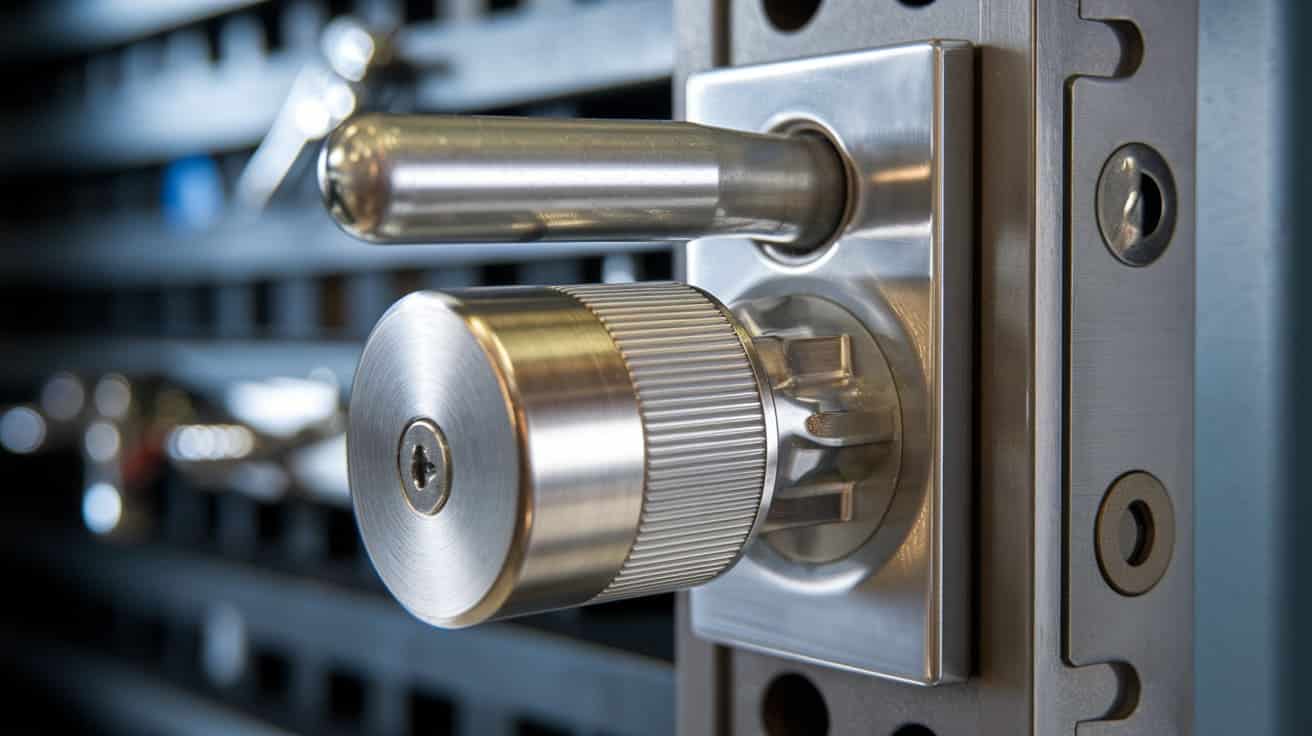
Double cylinder locks are mechanisms that secure a door using two separate locking cylinders, one on each side, which must both be opERAted with a key. These locks are designed to enhance physical security by eliminating the vulnerability associated with thumb-turns in single cylinder locks, thereby preventing tampering from within the premises.
Physical Characteristics and Internal Mechanism
Double cylinder locks are meticulously engineered to incorporate two independent yet interconnected locking systems. Each cylinder contains a set of precisely arranged pins—commonly using a pin tumbler mechanism—that must align perfectly with a cut key for the lock to disengage. The following sections detail the core components and functioning:
Construction and Materials
- Casing and Body:
The lock’s housing is typically constructed from high-quality brass or steel. These materials are selected for their durability, resistance to corrosion, and ability to withstand considerable mechanical stress. - Locking Cylinders:
Each cylinder within a double cylinder lock is independently keyed yet synchronized to operate as one unit. The dual-cylinder design ensures that even if one side is compromised, unauthorized access is mitigated by the requirement of a proper key insertion on both sides. - Pin Tumbler System:
The internal mechanism employs a series of pins and tumblers. When the correct key is inserted, each pin aligns at the shear line—allowing the cylinder to rotate smoothly. The precision required in this alignment is critical to the overall security. - Deadbolt Integration:
Many double cylinder locks incorporate a deadbolt mechanism that provides an additional layer of resistance. The deadbolt extends into the door frame, making it more challenging to force open the door, even with power tools.
Operational Dynamics
- Key Operation:
When the correct key is inserted at either end, the unique cuts lift the pins to the exact height needed to form a shear line, allowing both cylinders to rotate. This simultaneous action retracts the bolt, enabling the door to open. - Synchronization:
The design demands that both locking systems function in parallel. If one cylinder fails to operate correctly, the lock remains engaged, underscoring the importance of regular maintenance. - Resistance to Tampering:
The dual-key requirement significantly reduces the risk of internal manipulation. Intruders cannot simply rotate a thumb-turn from inside, as the mechanism demands precise key operation from both sides—a feature that inherently enhances security against common attacks such as bumping or picking.
Historical Development and Evolution
The evolution of double cylinder locks is deeply rooted in the historical quest for increased security. Initially, door locks with a single cylinder were predominant; however, as the methods of forced entry became more sophisticated, the need for an improved mechanism became apparent.
Early Developments
- Genesis of Lock Technology:
Early locking systems were rudimentary, often relying on basic mechanical principles with limited precision. As metallurgy advanced, locks began to incorporate more intricate designs, including basic pin tumbler systems. - Emergence of Dual-Key Concepts:
The concept of double cylinder locks emerged in response to vulnerabilities inherent in single-cylinder designs. Early adopters in commercial and residential sectors recognized that a single internal thumb-turn could be easily manipulated; thus, designers sought to eliminate this risk by requiring a key on both sides.
Technological Milestones
- Advancements in Precision Engineering:
With improvements in machining technology during the Industrial Revolution, the production of double cylinder locks became more feasible. Tighter tolerances and better quality control allowed manufacturers to produce locks that offered superior resistance to common forms of attack. - Integration of Enhanced Security Measures:
Over time, double cylinder locks evolved to incorporate complex features such as anti-pick pins, anti-lock bump mechanisms, and specialized coatings to deter corrosion. These innovations were often driven by both market demand and advancements in related fields such as metallurgy and mechanical design. - Adoption in High-Security Environments:
As cities grew and crime rates increased, double cylinder locks gained prominence in high-risk areas. Their enhanced design made them a favored solution for securing commercial establishments, apartment complexes, educational facilities, and heritage properties where both security and preservation of aesthetic integrity were critical.
Evolutionary Impact
The continuous improvement of double cylinder locks has had significant repercussions on the broader field of security. The iterative nature of their development reflects a proactive approach toward countering emerging threats in urban environments. The refinement of key-cutting processes and the standardization of pin tumbler configurations have elevated double cylinder locks to become an essential component of modern security systems.
Applications and Use Cases
Double cylinder locks are commonly installed in environments where high security is paramount. Their application spans various domains, each demanding a delicate balance between functionality and safety.
Residential Security
In residential contexts, double cylinder locks are predominantly used to provide enhanced protection for entry doors. Their dual-key system is particularly beneficial in situations where internal manipulation of a thumb-turn may compromise safety. For example:
- Front Door Security:
Homeowners install double cylinder locks to prevent unauthorized access from both outside intruders and potential internal threats. These locks add a layer of verification at the point of entry, ensuring that the door cannot be easily forced open. - Upgraded Home Protection:
For properties in high-crime neighborhoods, the increased security offered by double cylinder locks makes them an attractive option. They provide a solid defense against burglary, particularly in homes where additional physical barriers are already present, such as security doors or window grilles.
Commercial and Institutional Applications
Double cylinder locks are equally prevalent in commercial settings, where their robust design supports a reliable and secure environment:
- Office Buildings and Retail Spaces:
Businesses often deploy double cylinder locks as part of a comprehensive security solution. These locks are integrated with other systems—such as CCTV and alarm systems—to establish a multilayered defense against potential intrusions. - Educational Institutions:
In settings such as schools and universities, where both access control and safeguarding assets are critical, double cylinder locks contribute to maintaining orderly security measures without compromising on operational efficiency. - Heritage and Public Buildings:
Historic buildings and public institutions, which require careful preservation of architectural integrity, benefit from double cylinder locks. These locks can be discreetly integrated into existing structures, thereby offering modern security without disrupting aesthetic appeal.
Emergency Use Scenarios
While double cylinder locks provide superior security benefits, they also cater to specific emergency scenarios that require a finely balanced approach:
- Controlled Access During Crises:
In facilities such as hospitals or public shelters, double cylinder locks are often paired with emergency protocols that ensure controlled egress while preventing unauthorized entry. - High-Risk Areas:
In environments where rapid response is essential, the dual mechanism of these locks can be configured to afford temporary overrides under strictly regulated conditions. Such configurations underscore the importance of coordinated security systems that are capable of integrating both manual and automated controls.
Contextual Use by Various Stakeholders
- Homeowners:
You, as a homeowner, gain substantial protection for your property without extensive modifications to the overall design. The reliability of double cylinder locks instills a greater sense of security, ensuring that both external and internal compromises are minimized. - Property Managers:
For property managers, the consistent performance of these locks helps in standardizing security protocols across multiple properties. Their robust design meets regulatory requirements and provides a clear framework for regular maintenance. - Facilities Directors:
When managing complex or multi-unit properties, the integration of double cylinder locks into an overarching access control strategy ensures that operations remain secure and streamlined. The ability to synchronize these locks with digital monitoring systems further enhances their utility.
Installation Guidelines and Maintenance Practices
Correct installation and maintenance are paramount to maximizing the efficacy of double cylinder locks. The following sections provide a detailed exposition of best practices in these areas.
Professional Installation Techniques
Proper installation of a double cylinder lock requires precise alignment and careful calibration. Failure to install the lock correctly can undermine its security features and operational reliability.
Key Considerations During Installation:
- Precise Measurement:
Measuring the door and frame accurately is essential. Components must align perfectly with the door’s structure to ensure that the shear line is maintained, allowing smooth operation. - Calibration of Cylinders:
Both cylinders must be synchronized meticulously. Professional locksmiths employ specialized tools for aligning the pin stacks and ensuring that the lock operates uniformly from both sides. - Material Compatibility:
The door material—be it wood, metal, or composite—must be assessed to determine the best method for anchoring the lock. Different materials may require unique installation techniques, such as the use of specific screws or reinforcing components. - Observation of Manufacturer Guidelines:
Each lock model comes with installation instructions that specify torque settings, placement of screws, and guidelines for recess depth. Adhering to these guidelines is crucial to prevent malfunction or vulnerability.
Recommended Best Practices:
- Use of Professional Tools:
The installation process should be carried out with high-quality tools, including drill machines, levelers, and specialized calibration devices. These tools ensure that the lock is installed without compromising its internal components. - Testing Post-Installation:
After installation, the lock must be tested multiple times to verify that both cylinders operate cohesively. Any misalignment detected should be immediately corrected. - Documentation:
Recording details regarding the installation process, including measurements and any adjustments made, can be invaluable for future maintenance and troubleshooting.
Maintenance and Troubleshooting
Maintaining the optimal functionality of double cylinder locks requires periodic inspection and upkeep. Regular maintenance not only prolongs the life of the lock but also prevents unexpected failures during critical moments.
Routine Maintenance Measures:
- Lubrication:
Periodically applying a manufacturer-recommended lubricant helps reduce friction between the internal components. Adequate lubrication minimizes wear and tear, ensuring smoother operation. - Cleaning:
Dust, debris, and other contaminants can accumulate within the locking mechanism. Regular cleaning using a soft brush and mild cleaning solution can prevent buildup and maintain operational efficiency. - Inspection of Moving Parts:
Inspecting the pins, springs, and tumblers for signs of wear is essential. Identifying and replacing worn components before they cause a malfunction minimizes the risk of complete lock failure. - Adjustment and Calibration:
Over time, environmental factors such as temperature changes or humidity may cause slight misalignments. Routine calibration ensures that the lock maintains optimal performance by realigning the pin stacks as needed.
Common Troubleshooting Scenarios:
- Difficulty Inserting the Key:
Resistance during key insertion may indicate debris accumulation or worn-out key grooves. Cleaning the key slot and verifying the integrity of the key can resolve this issue. - Inconsistent Lock Operation:
Variations in the operation of either cylinder can hinder proper alignment. A detailed inspection should be conducted to ensure that both cylinders function synchronously, and any disparities must be carefully recalibrated. - Excessive Wear or Corrosion:
Over time, continuous use and exposure to environmental factors may lead to visible signs of wear or corrosion on the lock body. Replacing or servicing worn components in a timely manner preserves the security features.
For all these measures, it is advisable to engage a professional locksmith with expertise in advanced locking mechanisms. Their specialized knowledge ensures that the lock is maintained to the highest standards, minimizing the risk of security breaches.
Security Features, Benefits, and Limitations
Double cylinder locks offer a distinctive blend of enhanced security features and inherent limitations, which must be carefully balanced by property owners and managers.
Enhanced Security Features
- Dual-Key Requirement:
The fundamental design mandates that a key be used from both sides of the lock, eliminating vulnerabilities associated with internal thumb-turn manipulation. This significantly reduces the risk of unauthorized entry, as the lock is not solely dependent on an internal release mechanism. - Resistance Against Common Attacks:
The complex internal mechanism, particularly when combined with anti-pick and anti-bump features, provides robust resistance to attempted forced entries. The design makes it significantly more difficult for unauthorized individuals to bypass the locking system with conventional tools. - Integration with High-Security Systems:
Double cylinder locks are compatible with other security measures, such as reinforced door frames and integrated alarm systems. This compatibility enhances overall property protection and contributes to a layered security approach.
Benefits for Various Stakeholders
- For Homeowners:
Double cylinder locks provide a tangible upgrade to property security, offering peace of mind by ensuring that entry cannot be forced from within. Their design is particularly advantageous in high-risk neighborhoods where enhanced protection is essential. - For Landlords and Property Managers:
These locks help meet stringent security standards in multi-unit dwellings. They mitigate risks associated with unauthorized internal modifications and enhance the overall safety profile of a property, thereby supporting compliance with relevant regulations. - For Facilities Managers:
Integrating double cylinder locks into a broader security protocol supports controlled access in institutions where the balance between protection and emergency egress is critical. Their robust design contributes to a reliable access control system without unnecessary complexity.
Limitations and Trade-Offs
- Emergency Access Challenges:
A significant limitation of double cylinder locks is the potential difficulty in emergency situations. Because a key is required on both sides to operate the lock, escape during urgent scenarios may be hindered if the necessary key is not immediately accessible. - Complexity of Key Management:
Managing two keys for a single locking mechanism can complicate daily operations. For property owners and managers, ensuring that both keys are securely stored and readily available when needed is an ongoing challenge. - Maintenance Considerations:
The increased mechanical complexity necessitates more rigorous and regular maintenance. Misalignment or wear in one cylinder can affect overall lock performance, requiring professional intervention to recalibrate or replace components.
Detailed Comparison Table
| Feature | Double Cylinder Locks | Single Cylinder Locks |
|---|---|---|
| Key Requirement | Keys required on both sides | Key required on one side, thumb-turn used internally |
| Security Level | High, due to dual-lock mechanism | Moderate, vulnerable to internal manipulation |
| Ease of Emergency Exit | Lower; dual-key requirement can slow escape | Higher; thumb-turn facilitates faster exit |
| Installation Complexity | Higher; precision alignment needed | Lower; simpler installation process |
| Maintenance Needs | Regular calibration essential | Minimal maintenance required |
Regulatory and Compliance Aspects
Adherence to established standards is a critical consideration for double cylinder locks. Regulatory guidelines ensure that the locks not only provide dependable security but also meet the requirements necessary for property safety and insurance.
Applicable Standards and Certifications
- BS3621:
This British Standard outlines the criteria for effective deadlock performance, including resistance to forced entry. Compliance with BS3621 is a strong indicator that a lock meets high-security benchmarks, providing assurance to property owners regarding its reliability. - BS EN 1303:
Focused on cylinder locks, BS EN 1303 specifies the performance requirements, including resistance to tampering and environmental factors. Locks that adhere to this standard demonstrate robust design and durability. - Additional Certifications:
In certain contexts, manufacturers may seek certifications from organizations such as Sold Secure or the British Standards Institution (BSI) to further validate the security performance of double cylinder locks.
Legal and Regulatory Implications
- Property Management Standards:
Regulations governing housing, particularly in multi-occupancy dwellings, often mandate the use of locks that meet specific security criteria. Double cylinder locks, when correctly installed, can fulfill these requirements, reducing liability for landlords and property managers. - Insurance Considerations:
Properties equipped with certified high-security locks may benefit from reduced insurance premiums, as stringent security measures are considered a risk-mitigating factor by insurers. - Compliance in Commercial Settings:
Commercial properties are subject to comprehensive security audits and must adhere to strict standards regarding access control. Utilizing double cylinder locks that conform to recognized standards can streamline compliance processes and support overall health and safety policies.
Table of Key Compliance Metrics
| Standard | Focus Area | Key Requirements |
|---|---|---|
| BS3621 | Deadlock performance | Forced entry resistance, durability |
| BS EN 1303 | Cylinder lock performance | Tamper resistance, operational reliability |
| Sold Secure | Overall lock security | Compliance with multiple security tests |
| BSI Kitemark | Quality assurance across security products | Reproducibility, consistent performance |
Comparative Analysis and Technical Considerations
A comparative analysis reveals that double cylinder locks offer distinct advantages over single cylinder designs, particularly in scenarios where internal access poses a significant security risk.
Security and Operational Efficiency
- Enhanced Protective Measures:
The dual-key operation significantly elevates security. By requiring keys on both sides, the system eliminates the vulnerability associated with an accessible internal thumb-turn. However, this benefit comes at the cost of potentially slower egress in emergency situations. - Technical Metrics:
Technical evaluations involve measuring the force required to compromise the lock, the precision of the pin-tumbler alignment, and the durability of the lock under varied stress conditions. Laboratory tests provide empirical data confirming the heightened security levels of double cylinder locks. - Installation and Maintenance Considerations:
While double cylinder locks are more complex to install and maintain, their performance under stress often justifies the additional effort. The necessity for periodic recalibration and meticulous maintenance routines is offset by the increased resistance to common forms of assault.
Decision-Making Factors for Stakeholders
- For Homeowners:
When evaluating locking options, homeowners must balance security with the potential inconvenience of delayed emergency egress. In high-risk neighborhoods, the benefits of enhanced protection may outweigh the operational drawbacks. - For Landlords and Property Managers:
The increased security provided by double cylinder locks supports regulatory compliance and insurance requirements. However, the additional complexity in key management requires robust procedural controls to ensure reliability. - For Facilities Managers:
The integration of double cylinder locks into broader security systems, including digital monitoring and access control, creates a cohesive security ecosystem that enhances both operational efficiency and regulatory adherence.
Technical Considerations and Performance Metrics
- Durability and Longevity:
The materials and precision engineering employed in double cylinder locks can significantly extend their operational lifespan, making them a favorable investment for long-term security. - Resistance to Tampering:
Comparative studies have demonstrated that double cylinder locks offer superior resistance to techniques such as lock picking, bumping, and drilling when compared to their single-cylinder counterparts. - Ease of Operation:
Despite their enhanced security features, double cylinder locks may impose operational challenges during emergency situations. These trade-offs must be carefully considered in environments prioritizing rapid egress.
Comparative Performance Table
| Parameter | Double Cylinder Locks | Single Cylinder Locks |
|---|---|---|
| Security Level | High; dual key requirement | Moderate; accessible thumb-turn |
| Operational Complexity | Higher; requires dual calibration | Lower; simpler activation |
| Maintenance Frequency | Increased; due to dual mechanism | Lower; fewer moving parts |
| Emergency Egress Efficiency | Lower; key required on both sides | Higher; thumb-turn enables faster exit |
Copyright © 2025 Prime Alert Locksmith. All rights reserved.


