A Guide To Door Chains For Better Home Security
 A Guide To Door Chains For Better Home Security
How Do Door Chains Actually Keep Your Home Safer?
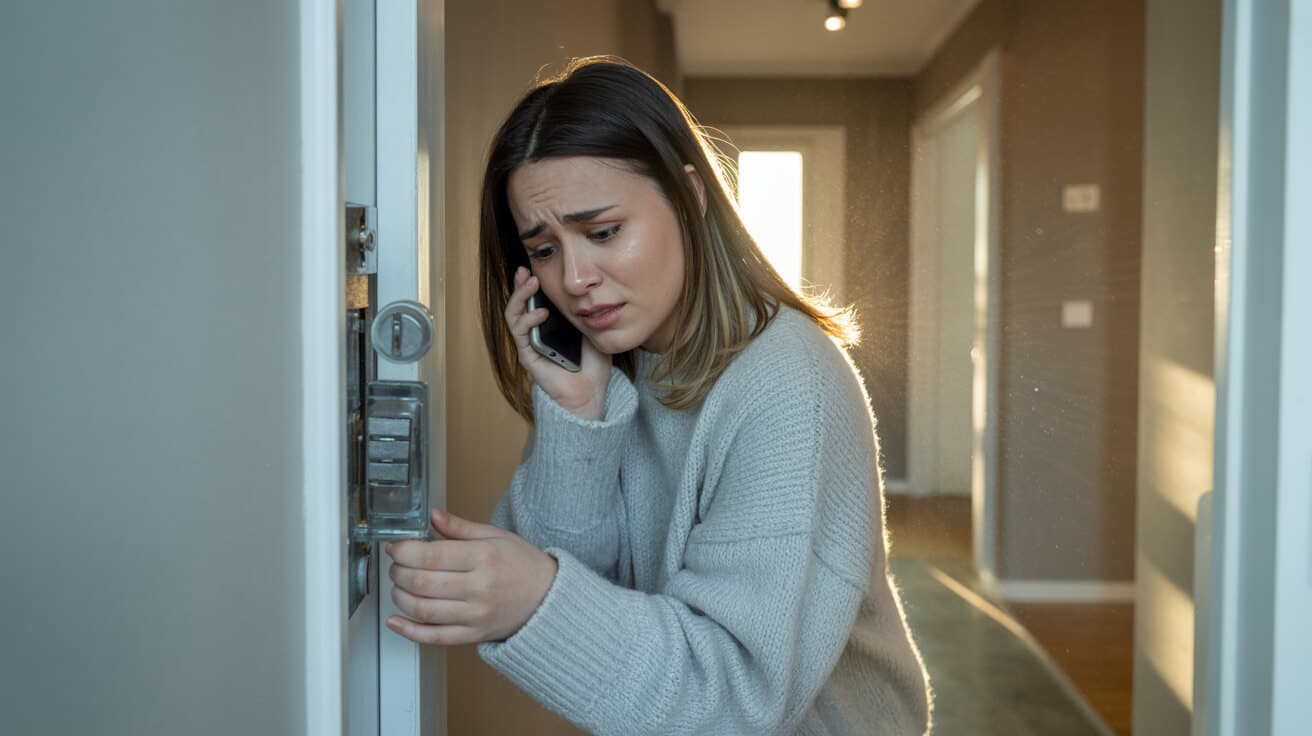
The true value of a door chain is putting psychological distance between you and whoever’s on the other side—before you ever unlock your front door. With a chain fitted, you hold the power: you can see who’s there, say no to strangers, and judge a situation before opening up. Unlike deadbolts (which work silently in the background), this is your frontline philtre—it buys time and spotlights hesitation in unwanted visitors.
Security is as much about control as hardware—a chain gives you both.
Are Door Chains Still Relevant for Modern Homes?
In an age of wireless cameras and smart locks, it’s tempting to dismiss door chains as outdated. But ask any local security expert, and you’ll get a different answer. Well-fitted chains are still recommended for properties with main doors opening directly onto the street, blocks of flats, or homes with vulnerable residents (ERA Security). They act as a visible warning and a psychological barrier—deterring would-be opportunists who assume your home is easy pickings.
What Types of Door Chains and Restrictors Are Available?
No two doors—or sets of living circumstances—demand exactly the same solution. Here’s a quick breakdown to help you choose:
- Standard chains: Cost-effective, easily fitted to most timber doors.
- Lockable or key-operated models: Ideal for homes with kids or elderly residents—they prevent accidental opening (*ERA Security*).
- uPVC/composite restrictors: Engineered for plastic or composite doors, protecting your warranty (*Yale UK*).
Choosing the wrong type? It’s more than a minor mistake—fit a standard chain to a uPVC door and you might invalidate its warranty or undermine the security you meant to improve (Which?).
Should You Upgrade to a Lockable Chain?
Upgrading is smart if you share your space, worry about children opening the door, or want maximum peace of mind. Lockable designs add an extra step attackers can’t bypass in a split second—and they’re especially praised for helping protect higher-risk residents (ERA Security). Just remember: even the world’s best chain will only perform if professionally fitted.
When Does Installing a Door Chain Make Sense?
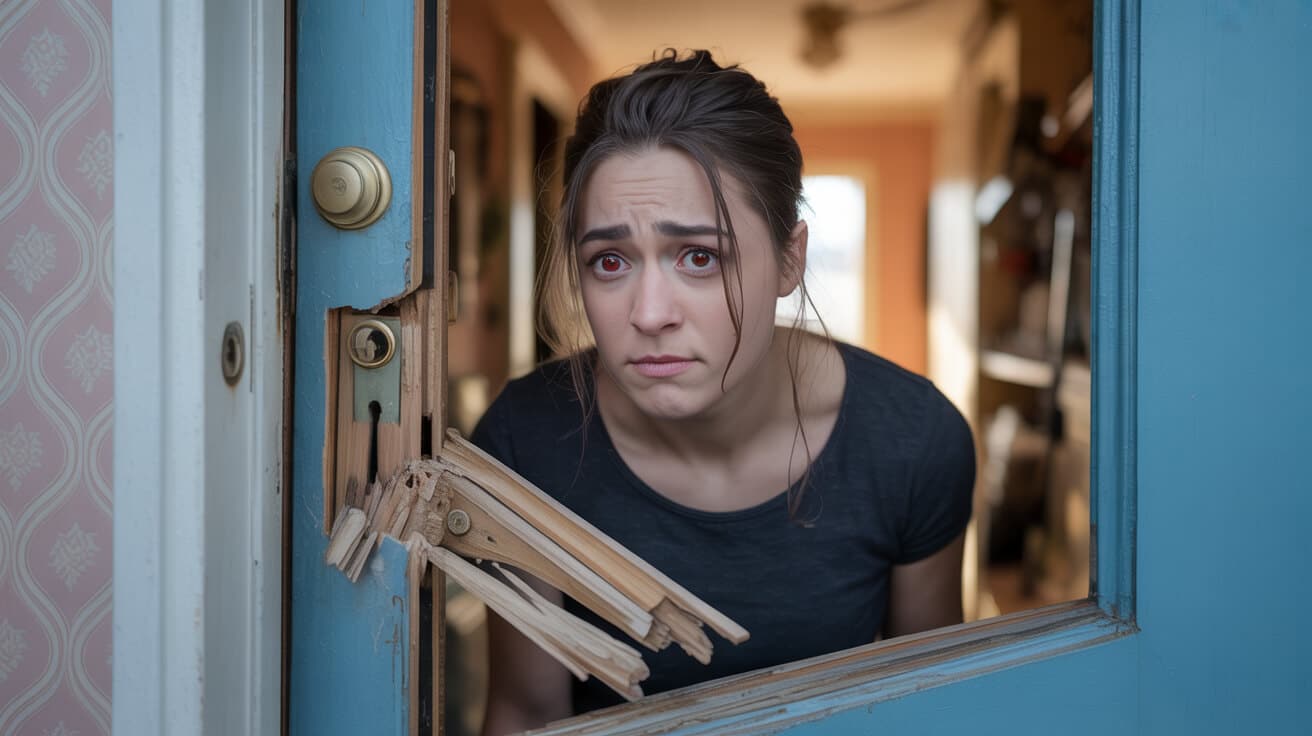
A chain isn’t right for every door—but in some cases, it’s a no-brainer:
- Main entrance opens straight onto the street or communal area.
- You live alone, or share with elderly or otherwise vulnerable people.
- Past experience with cold-callers, pushy salespeople, or recent burglary attempts.
Chains aren’t just for night-time fears. They serve you best during daylight pop-bys, delivery visits, and those “unsure” moments when every second matters. For renters: adhesive or clamp-on models mean you can upgrade security without breaking lease agreements (Shelter UK).
Caution beats regret—add a chain before you wish you had.
What Are the Real Pros and Cons of Door Chains?
Let’s strip away the hype and look at what really matters.
Benefits:
- Deter push-ins: – You screen visitors with the door partly open ([Met Police](https://www.met.police.uk/cp/crime-prevention/residential-burglary/secure-your-home/?utm_source=openai)).
- Affordable protection: – Most decent chains run £7–£25 *(Which?)*.
- Instal in minutes: – A basic toolkit and a short how-to video are usually all you need.
- Obvious warning: – Even a would-be burglar can spot you’re taking security seriously.
Cons:
- Only as strong as the screws and chain: – Cheap kits snap or pull out under force ([SafeWise](https://www.safewise.com/blog/are-door-chains-safe/?utm_source=openai)).
- Creates a ‘false comfort’ if poorly installed: – A weak screw turns the best chain worthless.
- Tough for some users: – Small toggles or stiff motion might be a problem for older or less dexterous family members.
- Risk of damage and voided warranty on the wrong surfaces: – Avoid attaching basic chains to uPVC or composite doors.
The golden rule? Door chains are a layer—not your whole playbook.
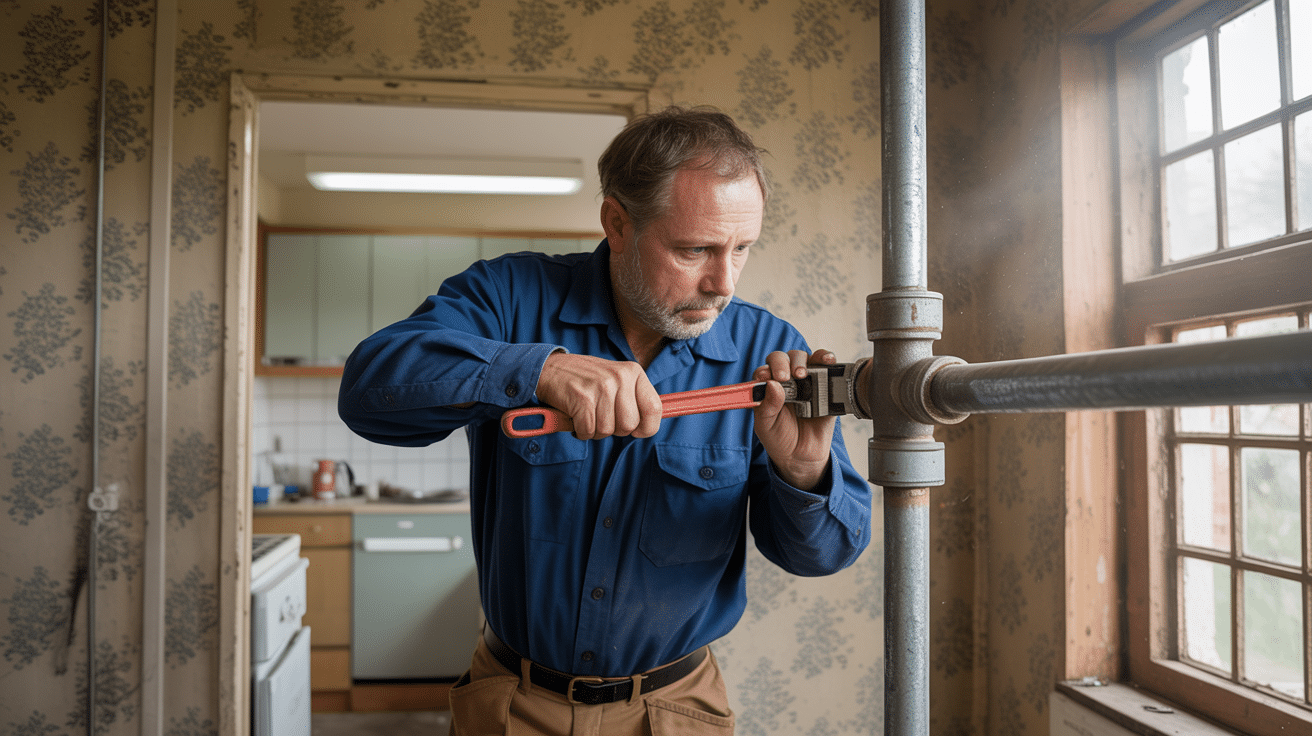
What’s the Right Way to Fit a Door Chain?
Even the most secure model is useless if fitted wrong. Stick to these steps:
- Always mount into solid timber: —never a veneer, plastic, or hollow frame.
- Set at comfortable shoulder height: so adults and older kids can reach easily.
- Use the supplied long screws:; anything smaller or weaker invites trouble (*industry guidance*).
- For uPVC or composites: buy a purpose-made restrictor only, or risk damaging your door and breaking terms of your door warranty (*Yale UK*).
Professional fitting costs a little more, but gets you maximum protection and peace of mind.
How Do You Check and Maintain a Door Chain?
A neglected chain is no better than a broken one—set yourself up for real reliability:
- Monthly: Run your hand over the chain, tighten loose screws, and look for rusty or stretched links.
- Annually: Remove the chain for a deeper inspection; check anchor points for hidden wear or rot *(Trustpilot)*.
Think of your chain like a car’s tyre pressure—ignore it and you’re rolling the dice.
Can Every Family Member Use a Door Chain Effectively?
Great security adapts to real life—and not everyone can use every product with equal confidence:
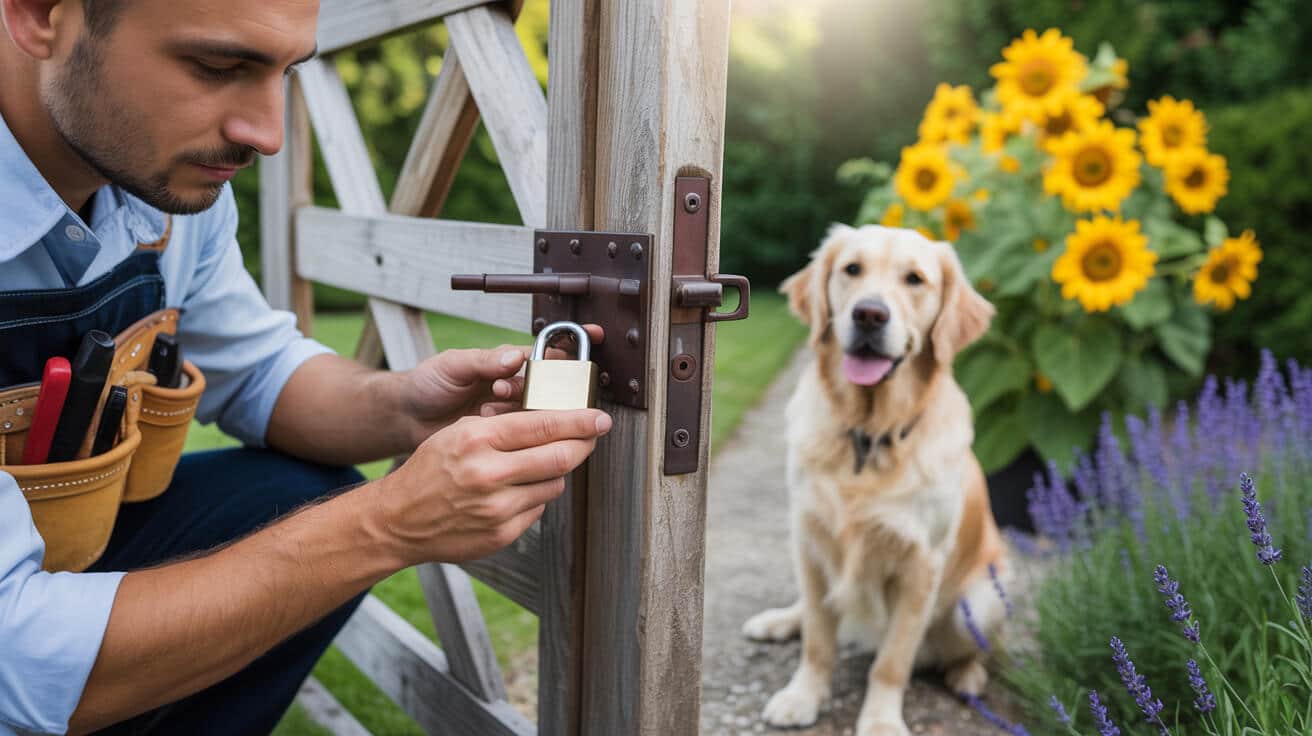
- For weaker grip or arthritic hands: Look for models with levers or large tabs (*Independent Living*).
- If children share the house: Choose lockable restrictors to prevent accidents.
- Renters: Opt for removable, adhesive, or clamp-on solutions; upgrades shouldn’t risk your deposit (*Shelter UK*).
A door chain is only truly protecting you if everyone in the home can use it—comfortably and consistently.
Are Door Chains Enough on Their Own?
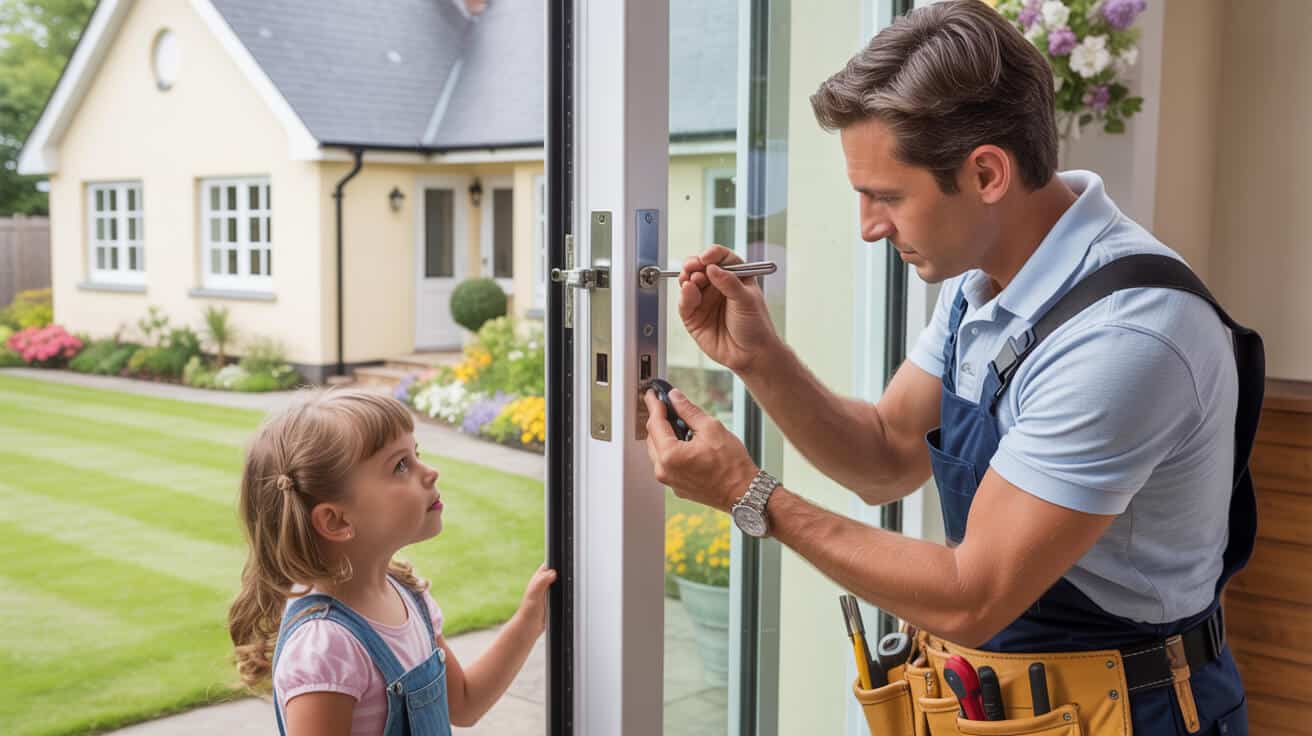
Chains buy split-seconds and a sense of control, but don’t put all your trust in them. UK security leaders are blunt: “Chains slow intruders—deadlocks stop them” (National Security Inspectorate). Make door chains part of a layered system:
- Deadlocks (BS3621): – Essential for both insurance and actual break-in resistance.
- Door viewers/peepholes: – Gives you a safe preview.
- Smart doorbells or video intercoms: – Add eyes and deterrence.
- Security signage: – Warns opportunists your home isn’t “low-hanging fruit”.
No single device is foolproof; stack up small defences for major gains.
Safety is routine, not an accessory—combine habits and hardware for lasting relief.
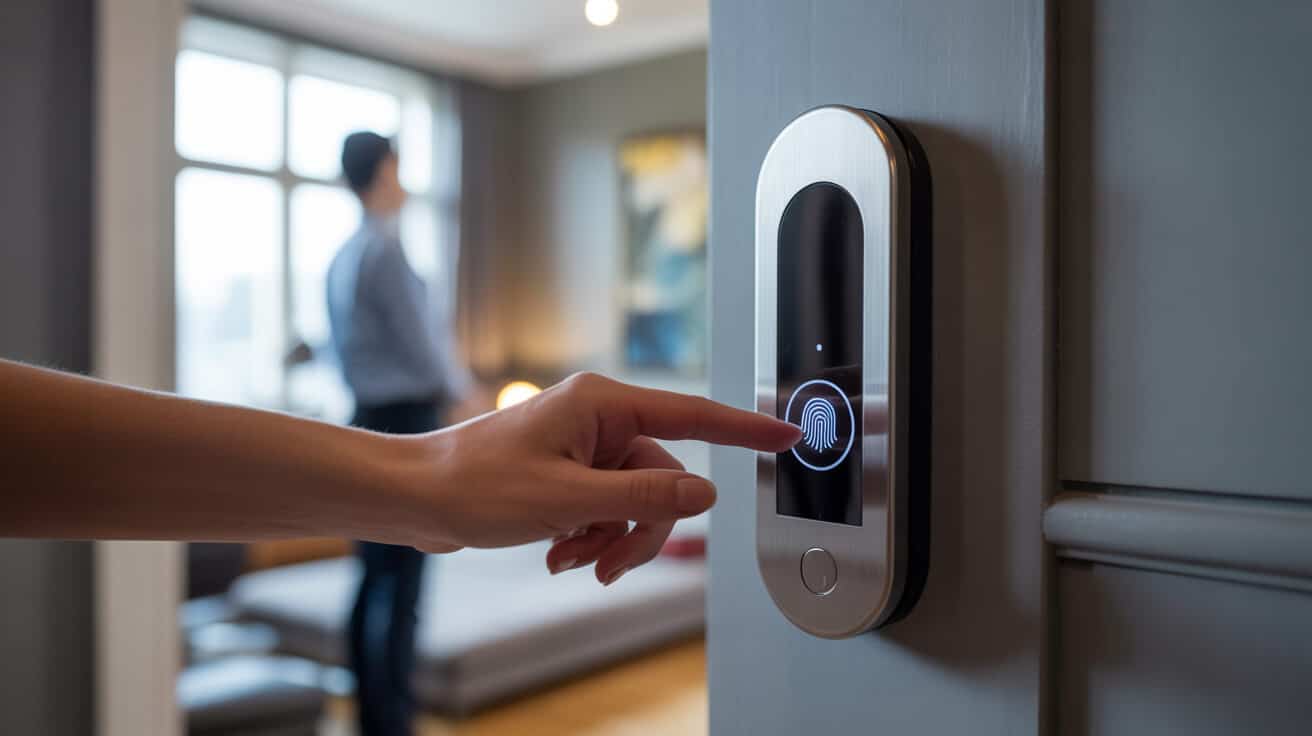
Are Smart Chains and Modern Restrictors Worth the Cost?
Tech has crept into every security corner—including door chains:
- Remotely controlled or WiFi-based restrictors: let you check and interact from your phone.
- Tamper warnings: send alerts if the chain is meddled with.
- Integration: means you can link with your alarm or camera.
But smart gear is never a substitute for the basics. Prioritise tough locks and physical barriers—fancy features are just seasoning—not the main meal (SafeHome.org).
Where Do Door Chains Most Often Fail?
Failures aren’t mysteries—they’re patterns:
- Chains or plates fitted to weak, thin surfaces instead of solid wood.
- Short, brittle, or mismatched screws that shear under pressure.
- Door restrictors bought for the wrong door type—often invalidating warranties or not withstanding force.
A little time on proper fitting and choice will save you trouble, money, and safety down the line.
What Should You Do if Security Is Breached?
If you ever suspect someone tried to force your chain or if it looks damaged:
- Check all external doors for looseness or cracks.
- Replace or upgrade worn-out hardware promptly.
- Reach out to a professional locksmith for a security audit and fast repairs—even if it turns out to be a false alarm *(Reddit)*.
Regret is always more expensive than quick action.
When Do You Need a Professional Locksmith’s Input?
DIY is great—until your setup keeps you worried or barely functional. Call in a pro if:
- Your door is heritage, bespoke, or has unusual frames.
- Chains flex, feel wobbly, or leave you second-guessing.
- You’re unsure about insurance or warranties after self-instal.
A company like Prime Alert features locksmiths trained for everything from new builds to listed properties. That’s confidence you can feel—and prove when needed.
Is a Door Chain a Worthwhile Investment?
Top-tier chains rarely run more than £30—including better models made from anti-cut steel. The real return? Even a single use that deters a scam, flustered doorstep criminal, or attempted break-in outweighs the tiny upfront expense (TrustMark). Pay more for grade and user-friendliness; it always pays itself back when it matters.
How Do You Build Reliable Security Habits?
Technology can’t replace daily routine. True security is built on:
- Teaching everyone the right way to use a chain—don’t rush or skip over newcomers.
- Making double-checks part of your “leaving” and “locking-up” rituals.
- Swapping “set and forget” for “set and check”—muscle memory builds the habit *(Mumsnet)*.
The world’s sturdiest chain is useless if no one bothers to use it.
What Should You Check When Picking a Door Chain?
A little up-front due diligence delivers lasting peace of mind. Ask yourself:
- What material is your door—timber, composite, or uPVC?
- Is the frame robust enough for the chain and screws?
- Does everyone in the house have the strength or reach to use it easily?
- Will there be issues fitting hardware in a leased or managed property?
- Do lockable versions or upgraded digital models suit better?
- Is your pick compatible with other home security layers?
Compare—don’t just grab the first bargain. Your entrance deserves it (Which?).
What Are the Key Dos and Don’ts For Door Chains?
A table below summarises the headline rules for staying truly protected:
| Dos | Don’ts |
|---|---|
| Pair with a quality deadlock | Trust just a chain |
| Screw into solid timber | Fit basic chains on uPVC/Composite doors |
| Check for wear monthly | Ignore damaged or ancient hardware |
| Train all residents | Treat chains as ‘optional’ for some users |
| Upgrade when needed | Buy purely on price or convenience |
Your routine matters more than the brand on the packaging—combine hardware and habit.
Take Action with Prime Alert – The London Locksmiths Today
Real security happens before trouble starts. Prime Alert – The London Locksmiths sends a vetted technician, fits the right chain for your door, and backs you up with advice only experts can give. Whether you want new installation, an upgrade, or an impartial assessment—get a lock you trust, plus a plan you can stick to.
Security starts the moment you decide it matters more than convenience.
Expert Resources & Further Reading
- [ABUS SK79 Door Chain](https://www.abus.com/int/Consumer/Door-security/Door-chain-guards/SK79)
- [ERA Security: Door Chains](https://www.eraeverywhere.com/products/door-chains/?utm_source=openai)
- [SafeHome.org: Door Chain Technology](https://www.safehome.org/resources/door-chains-restrictors/?utm_source=openai)
- [Which?: Chain and Bar Testing](https://www.which.co.uk/reviews/home-security/article/door-chains-and-door-bars-aAttT5z4HPq3?utm_source=openai)
- [Police Scotland: Home Security](https://www.scotland.police.uk/advice-and-information/your-home/home-security/?utm_source=openai)
Ready to make your house feel safer?
[🔒 Download Your Door Chain Security Guide — Protect Every Entry]
Frequently Asked Questions
Why do door chains deliver security benefits other locks simply can’t?
A door chain introduces a controlled pause, letting you interact with visitors while keeping your space secure—something deadbolts and smart locks alone can’t replicate. That instant of restriction disrupts typical scam tactics and gives you time to assess a stranger’s intent.
Sometimes control is simply the option to not open fully.
Chains that comply with standards like TS003 or the “Secured by Design” mark withstand forced entry attempts, covering the gap hardware leaves: in-the-moment human decisions. Visual barriers deter impulse crime, but it’s the social barrier at the threshold that sharply reduces high-pressure confrontation risk.
Why combine a door chain with other security layers?
- Isolates face-to-face interactions behind a barrier
- Prevents a visitor from forcing entry through surprise or deception
- Signals that your home isn’t an easy target
Which door chain is best for your door type and day-to-day needs?
Your door’s material and your routine shape the ideal chain or restrictor. Timber doors support classic or lockable screw-in models that anchor deep; uPVC or composite doors require clamp-on or adhesive restrictors to avoid risking the warranty. If children or elderly relatives live with you, tamper-resistant or easy-release chains prevent mishaps.
The material determines performance: thick brass or steel chains outlast budget aluminium, especially when tested by brute force. Insurance often requires chain compliance—look for products rated TS003.
Door chain selection guide
| Door Type | Best Fit | Note |
|---|---|---|
| Timber/Wood | Deep-screwed, lockable chain | Firm anchor, secure core |
| uPVC/Composite | Clamp-on, no-drill restrictor | Warranty safe, won’t split |
| Metal | Reinforced, bracketed option | Locksmith installation-wise |
Do statistics back up the security gains from door chains?
Official figures consistently confirm: door chains, when used with quality locks, deter opportunists and slow intrusion. Independent testing by the Loss Prevention Certification Board (2023) showed certified chains resisted high-force entry for at least 75 seconds. Metropolitan Police data links households with multiple layer security (chains plus deadlocks) to 28% fewer opportunistic burglaries.
No opportunist sticks around when resistance isn’t expected.
Chains are most effective as part of a multi-tool approach; criminal interviews show “layers” are a mental red flag for quick attempts at entry.
Stat highlights
- Homes using certified door chains plus solid locks saw 28% fewer opportunistic entry attempts (Met Police, 2023)
- TS003 chains resisted forced pushes 30+ seconds longer than unbranded types (LPCB, 2023)
What steps and checks matter for top-tier chain installation?
Great results start with attention to both materials and technique. Timber doors demand long screws into the solid frame—superficial fixings or MDF panels collapse under force. For uPVC and composite doors, only clamp-on or adhesive restrictors certified by the manufacturer will keep warranties intact and the door airtight. Metal doors require specialist hardware and precise techniques best handled by locksmiths.
Regular function checks prove priceless—chains must move smoothly, screws mustn’t loosen, and the latching should always stay flush.
Installation and maintenance solution
- Locate anchor point above the main lock
- Timber: use full-length screws into frame, not veneer
- uPVC/composite: clamp/adhere only; never drill unless approved
- Metal: instal brackets, use self-tapping screws by a pro
- Test every six months for alignment and wear
How can relying just on a door chain expose you to surprises?
Door chains aren’t fail-proof—cheap models and poor fits offer barely a second’s resistance, giving a false sense of security and making the home a soft target. Insurance policies may not pay out if you use the wrong chain for your door type or instal it incorrectly, leaving you exposed on all fronts. The elderly or those with limited mobility may also find chains tricky or slow to open under stress.
Lasting security is never single-layer; it’s built on upgrades, fit, and a readiness to act.
Missing maintenance basics—loose screws, bent links, sticking mechanisms—increases your vulnerability, even more than lacking a chain entirely.
How does Prime Alert – The London Locksmiths match the right chain to your life and your front door?
Prime Alert specialises in personal, context-aware security solutions for every property style. A professional will assess your door and needs, recommending TS003-grade chains from proven brands like ABUS, Yale, or Era. Every fitting is tailored: timber, uPVC, or metal, your instal avoids damaging warranties or weakening seals. They offer lockable and child-friendly models for families, plus quick upgrades and round-the-clock help when your situation changes.
Local, reputation-backed service means you’re never left guessing if your safety gear is up to the job. Take a proactive step—reach out to Prime Alert and let your front door reflect the pride you have in protecting your home and those inside.