Broken Key In The Lock Here’S How To Remove It
 Broken Key In The Lock Here’S How To Remove It

Why Is a Broken Key in the Lock More Than an Annoyance?
A broken key in your door isn’t just an inconvenience—it’s a blinking warning about your property’s security and future hassle. When a key snaps off inside a lock, it’s often your system’s way of exposing hidden wear, neglected maintenance, or outdated parts that have quietly been letting you down. Ignore this flag, and you risk going from awkward interruption to outright vulnerability—higher chances of forced entry, denied insurance claims, or being locked out when you least expect it.
What looks like a tiny mishap is a big green light for intruders and a fast track to big bills.
Most people downplay the problem: DIY attempts push the fragment even deeper, bending pins and turning a minor headache into a full lock replacement or costly emergency call-out (Cambs Lock & Safe; Yell.com). Meanwhile, a wedged key is an open invite for opportunists—your security just got much easier to sidestep (Yell.com). In this game, what you don’t do can cost you most.
What Causes Keys to Snap in the First Place?

Keys aren’t built to last forever, and most don’t break without warning. Pinpointing what leads to a broken key means you can sidestep emergency costs and keep your security airtight.
How Worn or Inferior Keys Put You at Risk
The key in your pocket quietly takes a beating every day. Cheap blanks, well-worn edges, or the same original key for years—these all ramp up your risk. If your key is thin, bent, or peppered with pits, take the hint and get a fresh copy before it leaves you stranded (Absolute Security Locksmiths).
When Lock Neglect Becomes Expensive
Locks gather dust, moisture, and grime—little by little, that adds resistance every time you turn the key. Each click is extra stress, right until fatigue wins. Skimping on care is a direct line to an urgent (and usually pricier) repair (Elocal.com).
Weather’s Hidden Toll on Locks and Keys
Outdoor locks endure a year-round assault. Moisture, rain, humidity, and even mild cold create corrosion or make metal brittle. The weather you barely notice is quietly building a case for the next 3 a.m. lockout (United Locksmith).
Brute Force: The Fastest Route to Failure
If a key starts to resist, yanking harder is the last thing you want. Years of stress plus a little extra grunt equals snap. Be patient—haste almost always turns one problem into two (Keytek).
Why Using the Wrong Lubricant Backfires
Household sprays like WD-40 work for a minute, then attract dust and gum up your lock. Instead of solving the problem, you just multiply it underneath the surface (SureLockKey). Stick to dry graphite or PTFE-based lubricants if you want your lock to keep working smoothly.
If a Key Snaps, What Steps Should You Take Immediately?

The minutes after a key breaks count. What you do next decides if this solution is quick and cheap or spirals out of control.
Never Yank or Twist
Resist the instinct to force the key. Grabbing or twisting can push broken shards deeper into the lock, deform pins, or even break the lock’s core. Suddenly, a £30 repair becomes a new lock and door hardware.
DIY When There’s a Chance—But Know When to Stop
If the broken end is sticking out, you’ve got a slim window to gently extract it (Keytek). If at any point you meet resistance, walk away. Carry on and your next stop will be a complete replacement (Cambs Lock & Safe).
Inspection First: Light, Magnification and a Steady Hand
Give the lock a close look—torchlight and maybe a magnifier. Clean breaks can sometimes be coaxed out, but if you’re left guessing, or nothing is visible, it’s time for a professional. Don’t double the trouble by gambling with your security (Yell.com).
Trying to save a few pounds now often adds up to a much more expensive fix.
Does WD-40 Actually Help With Broken Keys?
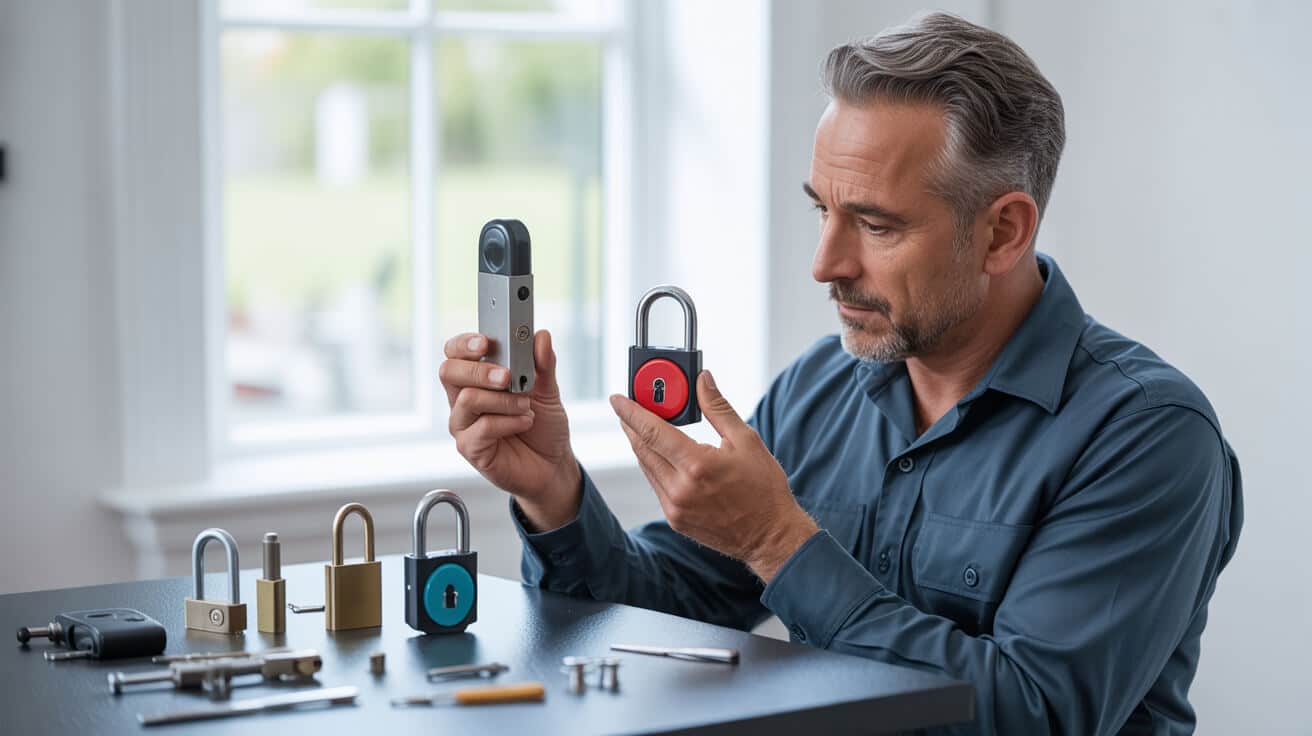
Despite its popularity, WD-40 inside locks is always a bad bet. Experts and lock brands consistently warn against it for every type of modern lock.
Why Household Oils Do More Harm Than Good
WD-40 and off-the-shelf oils pull in grit. This sticky mess gums up delicate pins, jams tumblers, and can even void your warranty (SureLockKey; Keytek). The instant smoothness is short-lived; what stays behind is a much bigger headache.
The Specialist’s Approach—Use Only What Pros Trust
Locksmiths back one solution: dry graphite or PTFE-based lubricants. These repel dust, don’t leave sticky residue, and respect your lock’s fine tolerances. If you want to future-proof your lock, only use what they use (United Locksmith; Absolute Security Locksmiths).
What’s the Smart Way to Try Key Extraction at Home?
Not every DIY trick is worth the hassle—or the risk. The best approach is determined by how much of the broken key you can access and what tools you have on hand.
Best Tools for a DIY Attempt (And When to Avoid Them)
Tweezers or needle-nose pliers are the go-to if you can grip the metal. Leave pins, wires, or sharp objects in the drawer; those only turn a small fix into a major repair (United Locksmith).
Prepare the Scene: Lubricate Carefully, Pause If Stuck
A quick squirt of a dry lubricant can help—absolutely never oil-based sprays. If the fragment budges within 10 minutes, you might get lucky. If it won’t budge, stop before you escalate the damage (Keytek; Cambs Lock & Safe).
Digital and Smart Locks? Don’t DIY
Smart locks are another beast entirely; try extracting a broken key without training and the risk is permanent device failure or voided warranties (Absolute Security Locksmiths). Always call a professional first for any digital system.
What feels like “being handy” can quickly get you into more trouble than you bargained for.
How Can You Prevent Broken Keys and Costly Lockouts?
A handful of small habits squash most key emergencies before they ever start.
Easy, Proactive Habits for Everyday Security
- Ditch any key that’s bent, thin, or rusty.
- Lubricate every lock twice per year with only dry graphite or PTFE spray.
- Test every key and lock monthly—including those forgotten spares.
- If anything feels stiff or gritty, stop; don’t push it.
Forming these habits now means you’re far less likely to wind up outside in the rain calling for help (Keytek).
Why a Professional Locksmith Visit Lets You Relax
Professional maintenance means subtle issues get caught early, before you ever notice a problem. Top locksmiths realign, tweak, and replace just-in-time—saving your lock from a premature end. A scheduled check is the most affordable way to avoid surprises and keep your security on point.
What Makes Prime Alert – The London Locksmiths a Reliable Choice for Broken Key Emergencies?

Trust counts when you’re locked out or staring at a snapped-off key. Prime Alert – The London Locksmiths stands out because they put your interests first, every step of the way.
You get honest, jargon-free advice and real transparency on pricing—no nasty shocks. Their extraction and repair techniques are designed to preserve your existing hardware whenever possible, not upsell you into expensive replacements. With 24/7 emergency cover across London, their team restores your access fast, with zero judgement and zero drama.
Every visit wraps up with clear advice on how to prevent it happening again—so you avoid repeat calls and future stress.
What’s the Most Sensible Next Step When a Key Snaps?

The moment a key breaks, forget hacks and clever tricks. Don’t yank, shake, or bathe the lock in oil. The quickest path to peace of mind is to protect your home or business—and stop the damage from spiralling.
The few pounds you think you’re saving by forcing a fix usually cost much more in the end.
Bringing in a seasoned locksmith means you’re back inside fast, your lock is protected, and your bills stay grounded. If you want it sorted first time, with no drama or hidden extra costs, call a proven expert. Prime Alert – The London Locksmiths are prepared, experienced, and genuinely on your side.
Ready to Solve It? Prime Alert – The London Locksmiths Today
There’s no need to let a broken key ruin your day or risk property security. Prime Alert – The London Locksmiths brings you speed, skill, and trusted advice—giving you a simple way out of the mess and protecting you from bigger hassles later. Reach out and turn an annoying problem into a solved one—securely, fairly, and fast.
Frequently Asked Questions
What should you never do when a key breaks off in your lock?
Trying to yank, jab, or spray random substances into the keyway instantly risks making things worse—most home extractions double the odds of lock replacement or rejected insurance. Sharp objects jam debris deeper or bend pin stacks, and standard oils attract dust, turning a fixable snag into a stuck core. Industry research shows over 70% of premature lock changes come from DIY attempts rather than the original break (industry research). If you meet resistance, stop immediately and contact a professional like Prime Alert – The London Locksmiths to avoid permanent damage or costly mistakes.
Why do household “quick fixes” backfire?
• Jabbing with metal objects bends parts and buries shards
• Oils and greases trap grit, clogging precision mechanisms
What is a safer first move?
Pause and assess: if the key fragment is barely visible or won’t budge with light pressure, only a certified locksmith can safely extract it.
What types of lubricants actually support emergency lock health?
PTFE and graphite dry sprays protect mechanisms without residue—oil-based products do the opposite. A single oil application may make a lock sticky within weeks, as found in annual industry reviews (Keytek 2023). Smart locks, especially, can short-circuit when sprayed with the wrong formula—always follow the brand’s manual or reach out to a vetted pro. For busy properties, dry lubricant twice a year maintains fluid action and defends your warranty.
Does it matter for insurance and warranty?
Yes—insurers and manufacturers frequently require proof of “approved” lubrication for continued covERAge.
Can using the wrong spray get expensive?
Improper products often trigger full hardware cleaning or replacement, especially with high-security or digital locks.
How do locksmiths safely remove broken keys where DIY attempts fail?
Locked-out specialists such as Prime Alert – The London Locksmiths work with ultra-thin extractors, borescopes, and spiral hooks—all designed for non-destructive, precision work even when fragments are buried. They clean out old debris, diagnose subtle lock damage, and often duplicate keys right there. This approach preserves your existing hardware and nearly always comes with a guarantee, something self-fixes can’t match. For tough jobs, cylinders are serviced offsite to restore full integrity—minimising property downtime.
It’s a strange relief to see calm, expert hands resolve in minutes what could have ruined your weekend.
What tools do pros use that DIY doesn’t match?
Specialised extractors and scopes far outrank paperclips or glue tactics in both safety and results.
Is oil ever used in professional extraction?
Only dry lubricant or PTFE spray—never standard oils, which can compromise the lock over time.
When is it safe to try removing a broken key yourself—and when should you stop?
If 2mm or more of the broken key is exposed, and you have fine tweezers or pliers, a gentle tug after a quick burst of dry graphite is usually okay—just never force. A slim jigsaw blade can sometimes help with flush fragments, but ten minutes of careful effort is the upper limit for non-professionals. Stepping past this threshold risks damaging internal pins or binding the fragment permanently. If tension builds or nothing moves, make the call to Prime Alert instead.
Are there DIY tactics that locksmiths actually recommend?
Light attempts with no force, using dry lube and quality tools—never glue, household oils, or anything improvised.
Which items should you absolutely avoid?
Superglue, screwdrivers, wire hooks, or anything putting sideways pressure—all can wreck the lock or trap the key deeper.
Can a failed DIY attempt damage your warranty, insurance, or property sale prospects?
DIY repairs almost always leave a paper trail that insurance companies, rental managers, and home buyers organise against you. Policies from top UK providers frequently exclude coverage for self-inflicted faults, especially for digital or “smart” locks voided by unauthorised tampering. Receipts from trusted locksmiths like Prime Alert are expected for claims, and trying to fix things solo can complicate resale if hardware isn’t certified or warranty-backed.
Are digital/smart locks even more sensitive to DIY?
Yes—any sign of tampering can instantly void all manufacturer support and legal warranty protections.
What keeps you safely covered?
Always use certified locksmiths, save receipts, and maintain proof of scheduled service and approved methods.
What maintenance habits save you from future key breakages and late-night locksmith calls?
- Replace any key appearing bent, faded, or unusually thick—these are weak spots.
- Use graphite or PTFE spray on locks twice a year, especially for high-use doors.
- Test every key monthly; stiffness signals overdue maintenance, not “bad luck.”
- Store Prime Alert – The London Locksmiths’ details in your phone now—waiting until an emergency is the costliest mistake.
These simple routines can keep your hardware working flawlessly, minimise replacement needs, and uphold the security and value of your property or business.
Your routine prevention today is your insurance for tomorrow—being prepared costs nothing compared to a full lock replacement at 3am.