Can A Locksmith Open A Safe Without The Original Key
 Can A Locksmith Open A Safe Without The Original Key

Lost Your Safe Key? Here’s the Real Cost of Being Locked Out
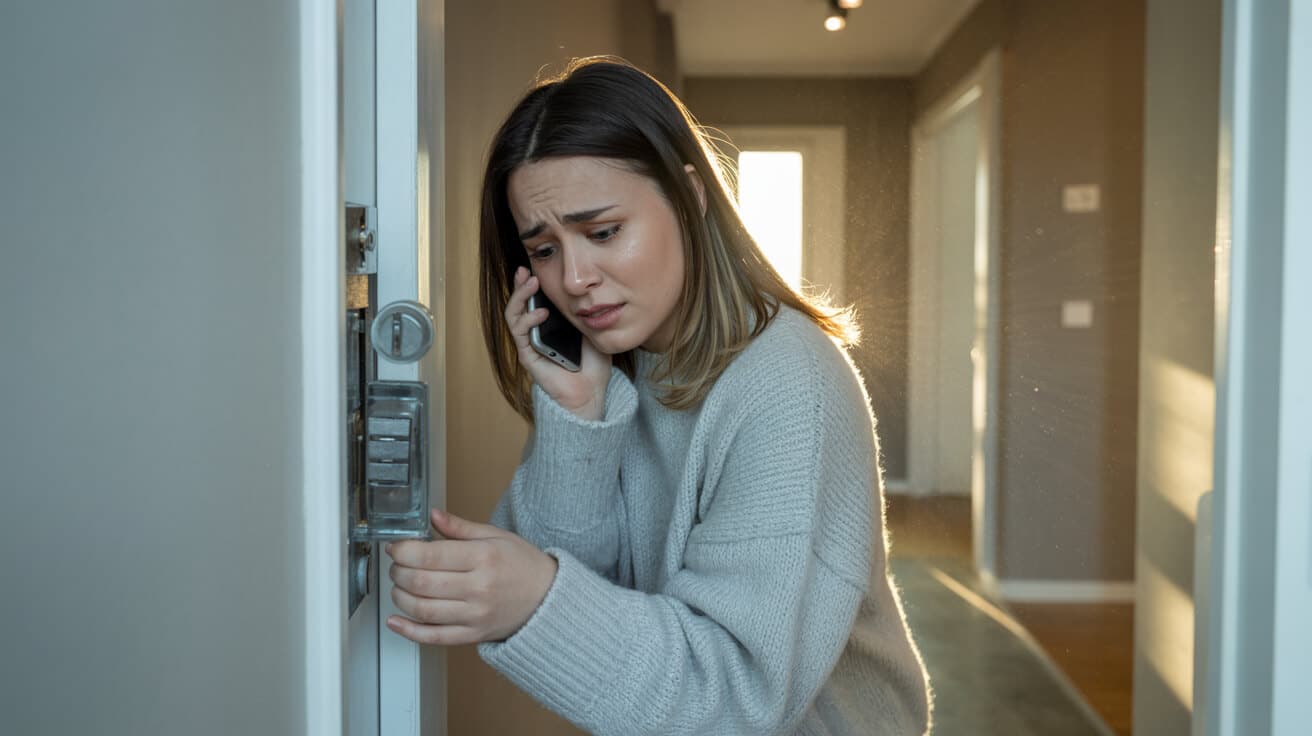
Losing the key to your safe isn’t simply an inconvenience—it exposes you to hidden financial, legal, and privacy headaches that linger far beyond the moment you realise you’re locked out. Those vital documents, emergency cash reserves, or irreplaceable items you set aside for a rainy day? Suddenly out of your reach, just when you need them most.
A single mistake—like DIY forcing or hiring a bargain locksmith—often spirals into insurance nightmares, expensive repairs, or legal disputes that can haunt your finances far longer than you expect.
What you do in the next hour determines whether you regain access with your reputation intact or trigger a cascade of problems you can’t undo.
What Proof Does a Locksmith Need Before Opening a Safe?

Locksmiths committed to protecting your property—and their own reputation—will not touch your safe without rock-solid proof you have a legal right to entry. Expect requests for photo identification, invoices or receipts tied to the safe, and, in a shared or business setting, written authority or confirmation from management. In some scenarios, especially with commercial safes or contested ownership, you may need consent from law enforcement before any action is taken.
No real locksmith will skip these checks. Bypassing them puts your assets—and theirs—at risk, potentially inviting criminal allegations or invalidating insurance protection. If someone promises “no questions asked,” they’re not safeguarding you, and you should walk away.
Do Locksmith Credentials Really Protect You and Your Assets?

They do. While the UK doesn’t enforce mandatory licencing, true locksmiths display recognised qualifications and credentials, undergo police background checks, follow industry codes of conduct, and show proof of insurance. These aren’t empty badges—they’re the only real barrier between your valuables and opportunists who see lockouts as an easy payday.
Ask to see documentation before you allow anyone near your safe. Credentials are more than a box ticked—they mean accountability if anything goes wrong and a higher standard of workmanship from the first callout to the last repair.
Credentials are your only shield from fraud, botched jobs, and expensive surprises.
What Risks Do You Face With an Unqualified Safe Locksmith?
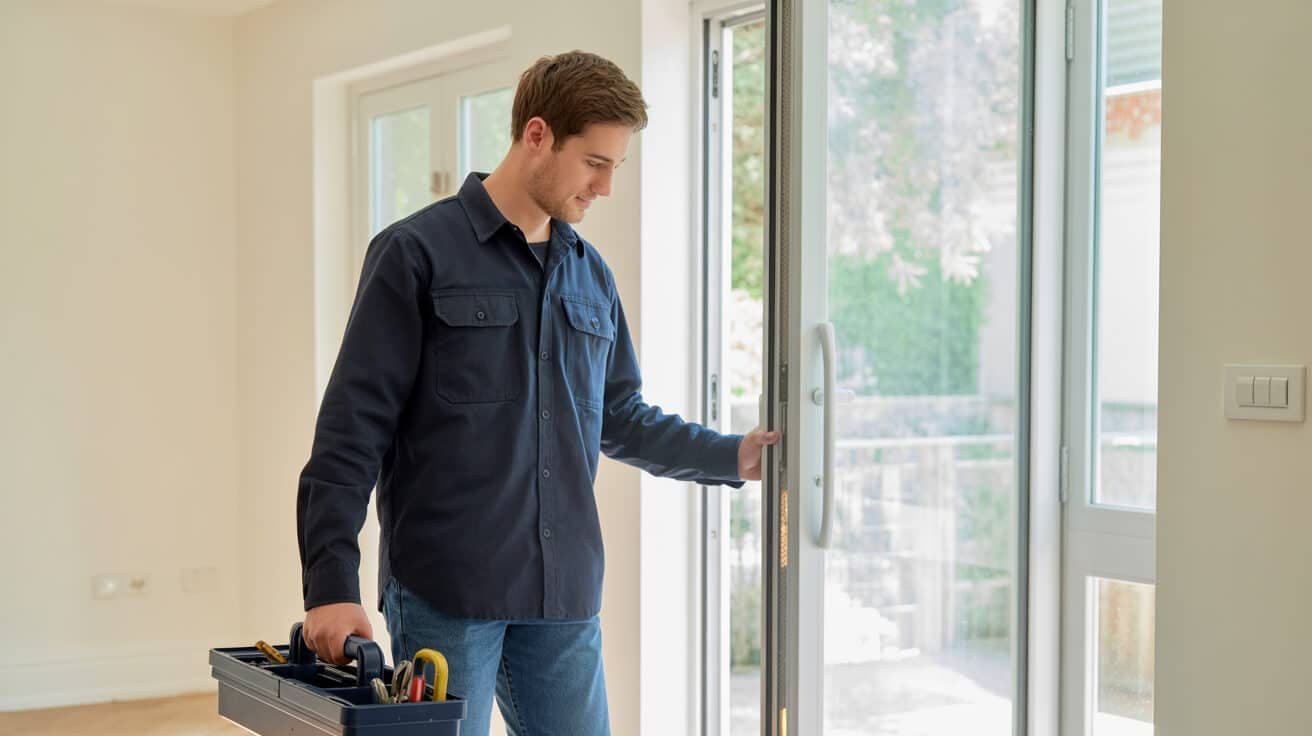
The temptation to go with the cheapest emergency fix is strong—but risky. Untrained or unregulated operators can cause permanent safe damage, void existing warranties, or use forceful methods that leave your valuables in jeopardy. Worse, insurance claims for either the contents or the safe itself may be denied if you don’t use a recognised professional. Every hesitation about credentials, insurance, or written receipts is a red flag.
Unqualified locksmiths not only fail to fix your problem—they often create bigger, more expensive issues than being locked out ever did.
Can a Locksmith Open a Safe Without Causing Damage?

In most cases, yes. Trained locksmiths have non-destructive techniques—like lock-picking, decoding, or precision bypass tools—that allow safe opening without harming the lock or the valuables inside. For most household and small business safes, these skills are enough to restore access without leaving a mark. Only advanced, high-security, or severely damaged safes might need more invasive procedures, but those are rare with the right expert.
Real expertise is measured by what isn’t broken, not the number of tools a locksmith brings.
How Are Tough or High-Security Safes Opened?
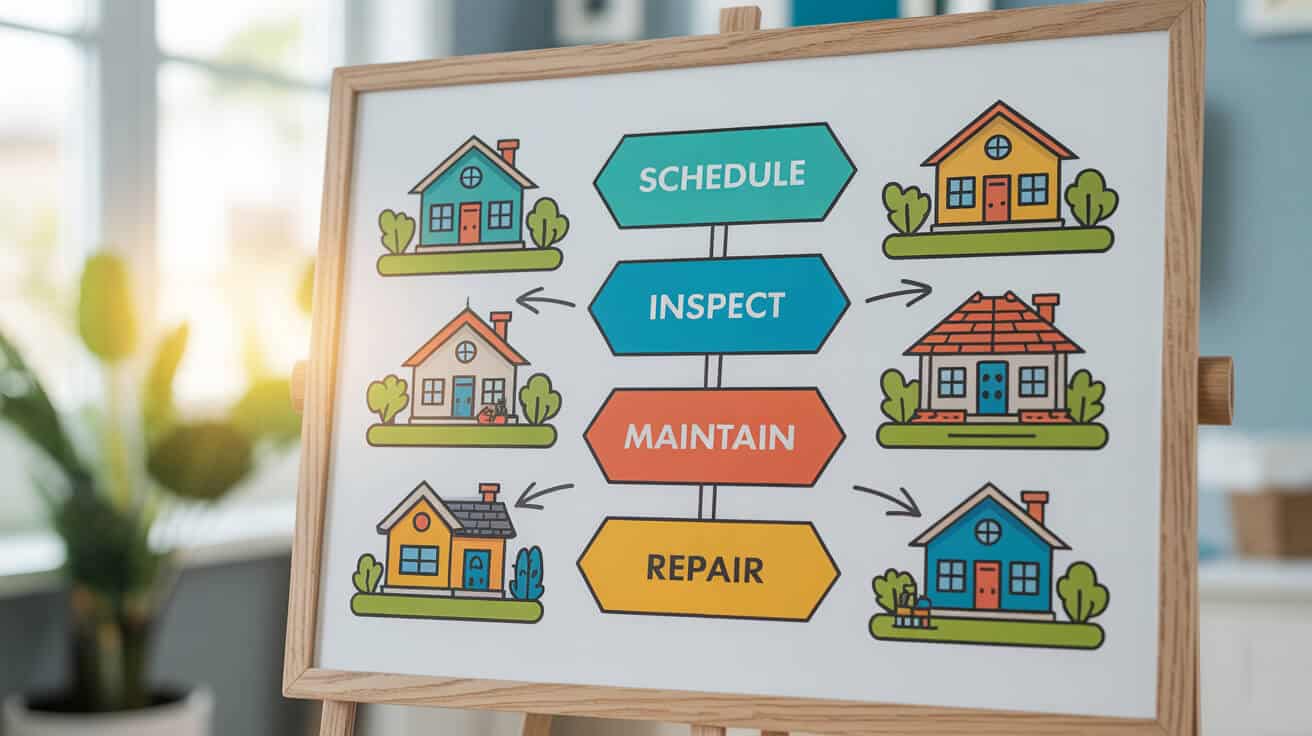
When it comes to high-security or digital safes, blunt force never works. Qualified locksmiths leverage advanced tools, specialist training, and access to manufacturer resources to diagnose and solve the problem. If all approved techniques fail, and only with your documented permission, a responsible professional might use surgical drilling—complete with detailed explanations, a transparent quote, and a repair plan that keeps your valuables protected even after entry.
Safes designed for banks or commercial facilities demand this level of expertise—shortcuts are a ticket to disaster.
When Is Drilling into a Safe Necessary, and What Are the Risks?
Drilling happens only when every non-destructive method fails, typically with malfunctioning mechanisms, lost override codes, or ultra-secure commercial safes. Professionals use guided, pinpoint drilling to avoid damaging valuable contents, working off precise templates and often recording the process for insurance reports. The right locksmith will restore or even upgrade the lock after access, but demands transparency around the process and a detailed, written scope of work. Never authorise drilling unless you understand why and receive guarantees in writing.
Surgical drilling is precise restoration, never reckless force.
What Does Professional Safe Entry Cost?

Professional, credentialed opening for a domestic safe can start around £150–£200, though more complex cases or commercial models add expenses for parts or extra time. Attempting to “save” by choosing an amateur or going DIY often multiplies your eventual bill: insurance claims denied, contents damaged, or total replacement of the safe required. Honest locksmiths provide written estimates upfront and stand behind their work—don’t accept vague costs or open-ended hourly rates.
In lockouts, the cheapest path is almost never the safest or least expensive over time.
Does Your Insurance Cover Locksmith Safe Entry and Contents?
In most cases, only if you work with credentialed, insured professionals, and keep detailed documentation: receipts, photos, method descriptions, and the locksmith’s credentials. Insurers may deny claims for damage or theft if you used unqualified help or skipped adequate paperwork—regardless of your intent.
Organised paperwork is the difference between a settled claim and excluded loss.
Make insurance and lockout preparation a package deal—your future self will thank you at audit time.
How Do Locksmiths Protect Your Privacy During a Safe Opening?
Genuine professionals opERAte with total discretion. Their focus is on restoring your access while respecting your privacy—they never photograph valuables or discuss what’s inside with anyone. If a locksmith shows curiosity about your contents or offers to “look after” items, shut it down—true professionals know their job is the lock, not the loot.
Your valuables aren’t part of the conversation. Any deviation should immediately erode trust.
Will a Locksmith Also Repair and Re-Secure Your Safe?
Absolutely. The job isn’t just about opening—reliable locksmiths inspect, repair, and upgrade mechanisms as necessary, and can provide recertification documents to restore your safe’s security rating for insurance. Some will even suggest upgrades if your current system showed weaknesses during the lockout. Don’t settle for “entry only”—get full protection reinstated the same day.
What Documentation Should You Always Ask For?
Before your locksmith leaves, demand a full set of documentation: itemised receipts, method explanations, before-and-after photos, and copies of all credentials. These aren’t just for reference—they protect against future disputes, streamline insurance claims, and support warranties or resale. A professional who shies away from thorough paperwork is waving a giant warning flag.
Proper documentation is invisible armour for your finances and peace of mind.
When Is Police or Authority Involvement Required?
If ownership is in dispute—or if your proof is unclear—a reputable locksmith insists on police presence or written approval from authorities before opening the safe. This is non-negotiable in inheritance matters, business disputes, or where potential criminal intent exists. Don’t attempt to shortcut these processes, as it’s not just your valuables at stake—your legal liability is, too.
The right process keeps your reputation untarnished and your claims defensible.
Can You Have New or Spare Safe Keys Made?
Yes—if you have the safe’s make, model, and proof of ownership, new or spare keys can often be sourced from the manufacturer or through specialist locksmiths. The turnaround is frequently faster and cheaper than a forced entry, provided you register your safe details and keep all paperwork secure (but not stored with the safe itself).
Good records today prevent emergencies tomorrow.
How Are Digital, Electronic, and Biometric Safes Handled?
Advanced safes require advanced care. Manufacturers will work only with registered, verified owners, supplying override codes or reset instructions upon confirmation. Locksmiths facilitate this process, guiding you through verification and, if necessary, handling complex resets, all while protecting your warranty. Regularly check batteries or power supplies—many lockouts stem from avoidable power issues.
Skip guessing and protect both your safe and its warranty with professional help.
What Happens If You Wait Before Addressing Your Safe Lockout?
Waiting multiplies the headache. Batteries fail, mechanisms seize up, paperwork gets lost, and costs escalate as urgency grows. The longer you put off a solution, the more likely you’ll pay extra for emergency openings, complicated repairs, or denied insurance claims.
Each day you wait raises the barriers to a clean, affordable fix.
How Do You Prepare to Make Safe Opening Quicker and Cheaper?
Prepare before you pick up the phone: clear the area around the safe, assemble ID and proof of purchase, and have all documentation at hand. Notifying your insurer or property manager about the situation in advance also speeds up approval for repairs or claims.
Proactive prep turns hours of stress into minutes of easy resolution.
Simple organisation pays back every time—especially in a crisis.
Should You Upgrade Your Safe or Security After a Lockout?
A lockout offers a clear opportunity to rethink your security. Upgrading to better locks, new digital entry pads, or smarter biometric systems prevents future shutouts. Proactive upgrades can even earn insurance discounts and streamline claims if issues arise later.
Turn a security headache into a win for your peace of mind.
Where Should You Turn for a Safe Locksmith in London Right Now?
Trust only locksmiths with a physical address, visible reviews, and proof of qualifications and insurance. Avoid anyone who dodges proof-of-insurance or identity checks—if they’re uncomfortable being scrutinised, imagine what happens to your valuables.
Proven local specialists are your only shortcut to trust—and peace of mind.
A quick online check beats urgent regret by miles.
How Can You Avoid Getting Locked Out Again?
Develop straightforward habits: store backup keys offsite, keep codes updated and documented, and set regular reminders for battery checks and lock maintenance. Routine beats emergency—lockouts are rarely the result of bad luck, but almost always of bad habits.
Treat your next lockout as the last one you’ll ever face.
Do Professional Locksmiths Really Offer 24/7 Safe Services?
The top professionals do. Around-the-clock locksmiths respond quickly (even late nights and holidays) and arrive equipped for your specific safe. Make sure you’re clear on after-hours rates, response time, and gear readiness—anything less is an invitation for future frustration.
You deserve rapid relief, no matter the hour trouble strikes.
Why Is Business Safe Access More Complicated?
Business and commercial safes add layers of complexity: expect demands for board-approved authorisations, third-party witnesses, and insurer pre-notifications before any work begins. In the event of a problem, established relationships with trusted locksmiths—and clearly defined protocols—pay off with faster, seamless crisis management and happier auditors.
The cost of unplanned emergency action in business is never just the lost time—it can be regulatory and reputational ruin.
What Are Your Responsibilities After Safe Access Is Restored?
Act quickly: update who has keys or codes, secure all locksmith and repair paperwork, and notify your insurer of the intervention. Your responsibilities don’t end once the safe opens—sloppy follow-up is how small mistakes breed big losses on your next audit or insurance claim.
Stay organised and proactive—don’t let relief become complacency.
Does It Matter Which Safe Brand You Own?
Yes. Top brands like Yale, Chubb, and SentrySafe restrict technical support or replacement services to fully registered owners with documented records. Register your safe immediately upon purchase and store backup paperwork offsite for full access to support or warranty benefits.
Without proof, even legitimate claims are dead on arrival.
How Should You Handle the Stress and Worry of Safe Lockouts?
Step back and breathe before you act. Rash decisions in panic mode usually make problems worse. Gather your identification, find every receipt or manual, and approach the situation methodically. Confidence and clarity—never urgency—put you in control.
Calm choices fix safe lockouts faster than panic ever will.
How Do You Build a Resilient Safe Access Strategy for the Future?
Turn today’s frustration into tomorrow’s solution. Assign backup key responsibilities, keep vital documents offsite and accessible, and maintain an up-to-date shortlist of trusted local professionals. Periodic reviews—especially after staff changes or household moves—ensure your system stays reliable and ready.
Proactive, repeatable routines beat emergency heroics every single time.
Can a Locksmith Open a Safe Without the Original Key?
With clear proof of ownership, an accredited locksmith nearly always finds a non-destructive way back into your safe—even if the key never resurfaces. From advanced picking and decoding to surgical restoration, your valuables stay safe while your control returns.
Trust, expertise, and solid paperwork are the three essentials for a clean, secure resolution—every time.
Why Trust Prime Alert – The London Locksmiths With Your Safe?
When security, privacy, and your reputation are on the line, Londoners trust Prime Alert – The London Locksmiths to recover access quickly, discreetly, and with minimal risk to your assets. Our fully qualified, insured team navigates complex proofs of ownership, insurance requirements, and sensitive situations—whether you’re a homeowner or a business, we provide thorough documentation and offer upgrades to keep you ahead of future lockouts.
When locked out, count on London’s steadiest hands to protect your valuables, close the door on stress, and get your peace of mind back—fast.
Frequently Asked Questions
Who can legally open a safe in the UK, and what proof do you have to show?
A safe can only be legally opened by a professional locksmith who rigidly checks your authority—requiring photo ID and paperwork that ties you to the safe. This includes a government-issued ID, proof of purchase, insurance documents, or executor’s letters if you’re handling property for an estate. If that paperwork isn’t available, locksmiths will often insist on police presence or verified witnesses before starting. Trusted firms never “bend the rules”; these steps are non-negotiable and protect your assets and legal standing.
Which documents will make safe access smoother?
• Government-issued photo ID
• Proof of safe purchase or insurance
• Executor or business authority letter
When you gather your documents upfront, you get in faster and sidestep legal hassle.
How do credentialed locksmiths open safes when keys or codes are missing?
Certified locksmiths start with precision, using non-destructive tools—picks, decoding devices, or digital diagnostics—to access most domestic and small business safes without harm. Drilling is reserved for advanced or severely jammed models, and only after every other option fails. Leading locksmiths also repair any minor marks, so the safe looks as good as it functions.
Is opening a safe always damage-free?
Most standard home and commercial safes can be unlocked without leaving a scar. However, top-security models may require minor, clearly explained invasive work—and honest locksmiths repair everything before closing the job.
Could opening a safe invalidate its warranty, or cause insurance issues?
If you use an accredited, fully documented locksmith, your warranty and insurance should remain valid—because procedure and identity checks show authorised access. Problems arise if shortcuts are taken: DIY tactics or budget “fixers” often trigger voided insurance or invalidate the safe’s warranty. Always insist on full records and a clear audit trail to reassure insurers later.
Why are records so vital after a safe is opened?
Manufacturers and insurance companies demand strict documentation—an itemised invoice, entry-method log, and engineer credentials—to affirm your claim and prove compliance.
What makes locksmith accreditation critical for safe opening?
Licenced locksmiths (like Prime Alert – The London Locksmiths) are subject to ongoing background checks, industry training, and regulatory oversight, so you’re not relying on a gamble. They’re listed in trade directories, display credentials, and offer clear audit trails. Trusting an accredited specialist protects you from service denial, financial loss, and legal disputes.
What warning signs should make you walk away?
• No professional ID or branded vehicle
• Reluctance to provide an estimate in writing
• Cash-only payment demands
• Refusal to supply references or credentials
A genuine locksmith welcomes your questions and proves their legitimacy at every step.
What paperwork should a reputable locksmith provide after opening your safe?
You’ll receive a detailed invoice, an entry methodology statement, proof of the locksmith’s ID, their insurance information, and before/after photos of the safe’s status. This paperwork is your defence if you ever face insurance queries, audits, or decide to resell the safe or property.
Which records are must-keep for future safety?
- Itemised invoice and method statement
- Engineer’s credentials and proof of insurance
- Clear before-and-after photographs
How can you prevent future lockouts and emergencies with your safe?
Simple habits matter: register your safe with its manufacturer, keep backup keys or codes in a secure offsite spot, and ensure anyone else with legal access (family, business partners) knows the procedure. Schedule maintenance every few years—mechanisms degrade, even in the best brands. Modern safes often offer features like digital resets or biometric entry for authorised users, lowering future risk.
What everyday steps actually work?
• Photograph your safe’s serial number for quick reference
• Have periodic checks by a trusted locksmith
• Keep the number for Prime Alert – The London Locksmiths—your reliable resource for secure, fully compliant help in London.