Do Video Doorbells Actually Deter Burglars
 Do Video Doorbells Actually Deter Burglars
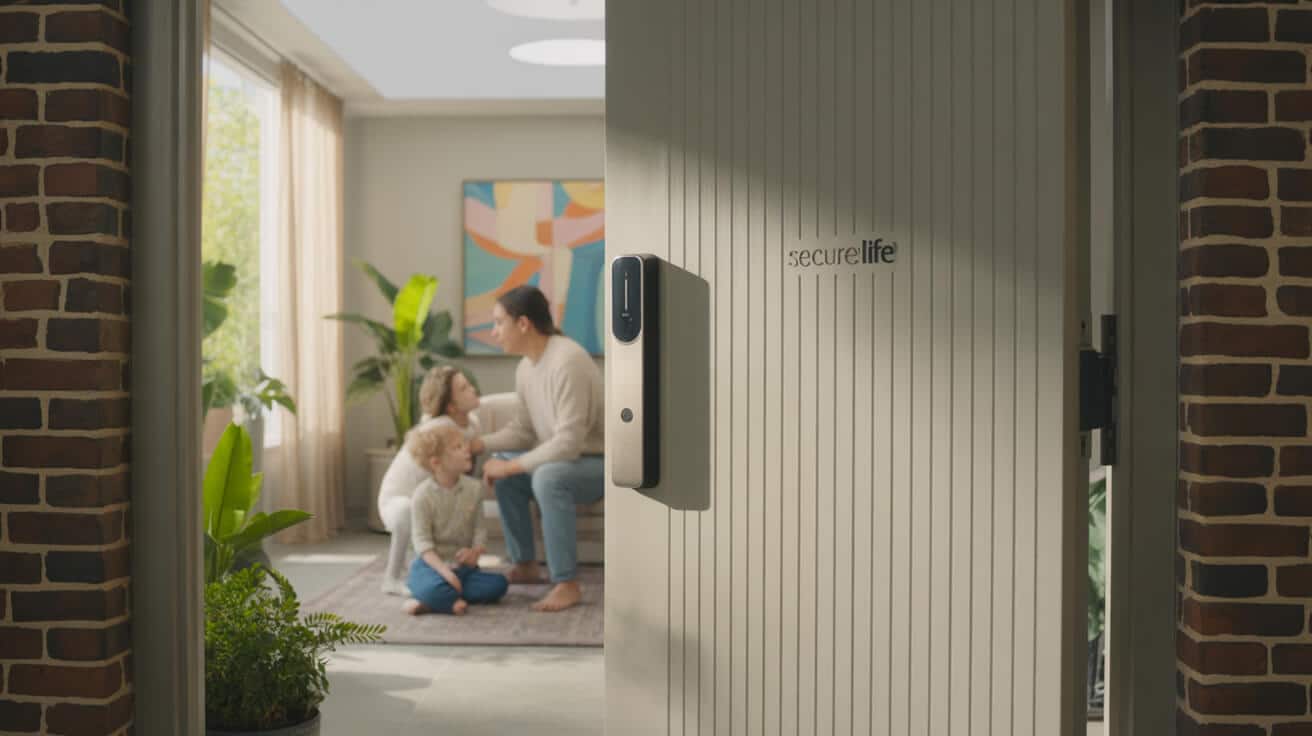
Do Video Doorbells Genuinely Deter Burglars—or Is That Just Marketing?
Security anxieties spike every time you see another “instant crime alert” ad, yet results matter more than hype. Video doorbells look like the answer—streaming, notifying, and promising a digital front-line. But Londoners, you know the reality: clever tech solves nothing if break-ins keep happening. Burglars aren’t fooled by marketing language, and your safety depends on hard evidence, not claims.
If the device is smarter than your locks, you’re still vulnERAble.
Every year, thousands rush to buy the latest doorbell gadget hoping it’s the silver bullet. But true security in a city like London demands more. A camera isn’t a lock. Safety isn’t just about what you’re watching—it’s about what you’re preventing.
What’s Inside
• The real function (and limits) of video doorbells
• Independent research, not just product claims
• Mindset of opportunists versus pros
• Mechanical, cyber, and legal holes in the system
• Why only a layered defence—expert-guided—actually delivers
How Do Video Doorbells Actually Work—and Where’s the Catch?
Video doorbells give you live video feeds, pings on your phone, and saved clips whenever someone comes to the door (Ideal Home). The box promises “peace of mind,” as if notifications could stop an intruder at the threshold. But here’s the kicker: when Wi-Fi drops or you miss an alert, the doorbell is just a silent witness.
Feature vs. Reality: Weakest Links
- Every alert depends on Wi-Fi stability and split-second human reaction.
- Saved clips only matter if you catch them—and if your device or cloud stays online.
- Filming doesn’t block break-ins. No camera triggers physical intervention.
So, while the product spotlights convenience, your real need is prevention, not just surveillance.
Do Real Burglars Care If You Have a Video Doorbell?
Manufacturers love splashy stats—“55% fewer burglaries!”—linked to pilot tests in American cities. But London isn’t LA. Independent reviews show those drops often match what happened in neighbourhoods without smart doorbells during the same period (Tech Review). Translation: correlation isn’t causation, and headline numbers rarely tell the full storey.
Headlines comfort buyers, not burglars.
The real test isn’t sales volume—it’s fewer addresses showing up in police logs.
Can Universities or Experts Prove Doorbells Reduce Crime?
Let’s cut through the noise. Frontrunning studies from University College London, MIT, and others dissect thousands of break-ins. Their verdict? “No strong, consistent evidence that video doorbells alone reduce overall crime” (Scientific American). Sometimes there’s a small, local improvement for a season, then burglar tactics adapt and normal service resumes.
What Happened in London When Thousands Got Free Video Doorbells?
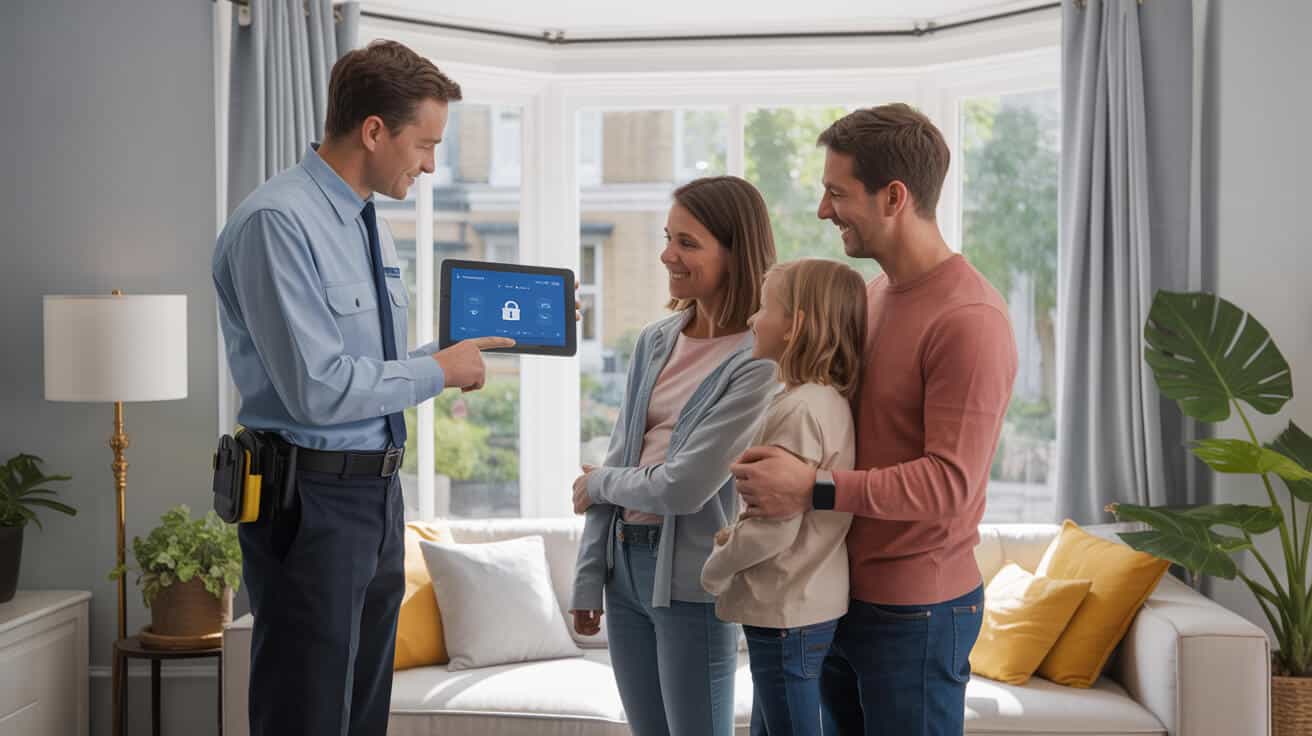
It’s the perfect lab test. London ran a grand experiment: hand out thousands of smart doorbells, see if burglaries go down. The initial headlines were hopeful—but the Metropolitan Police and UCL evaluations found no solid drop directly tied to cameras (London.gov.uk, UCL). If anyone tells you otherwise, ask to see the source.
Why Are Results So Mixed—And Who’s Winning the PR Battle?
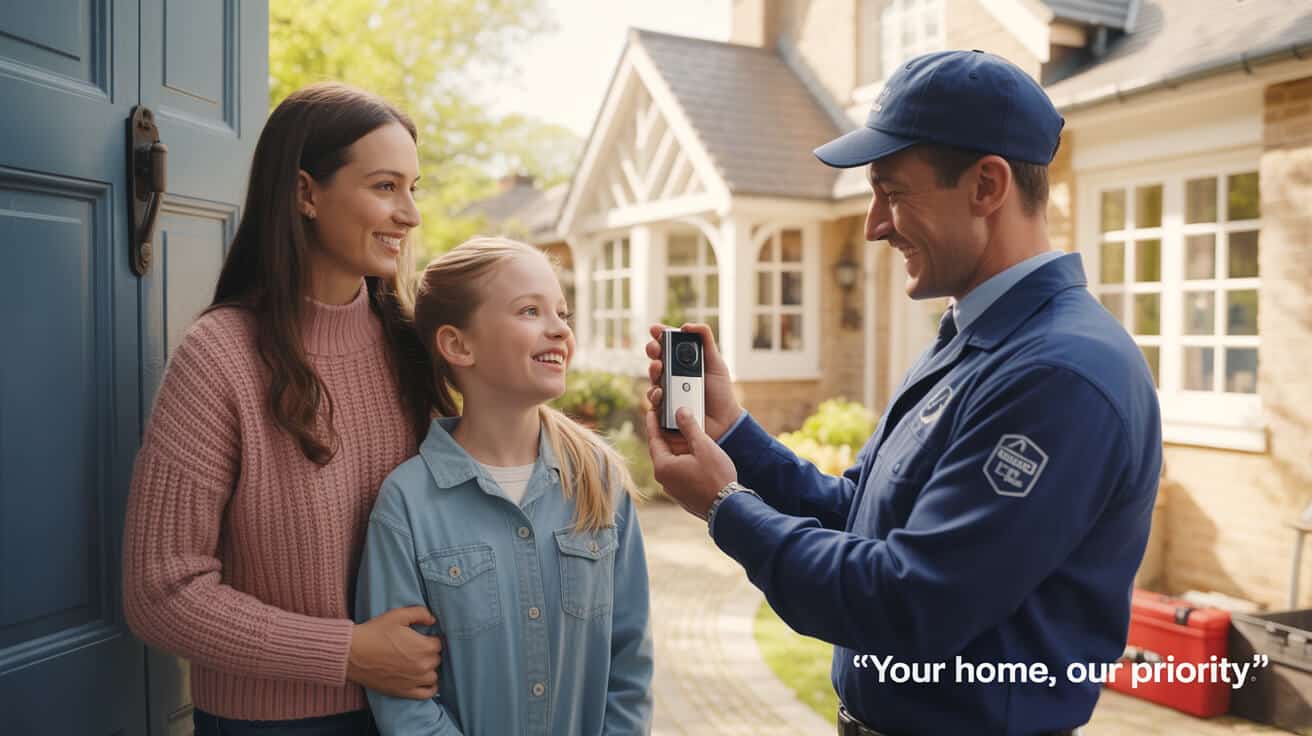
Short studies, selective narratives, and marketing budgets outpace sober, long-term evidence. Reality gets blurry when a “breakthrough device” makes the news. Marketers fill gaps with confident promises while security pros stay cautious (Scientific American). Remember: new products sell faster than data develops.
Do Opportunists and Pros React the Same Way To Cameras?
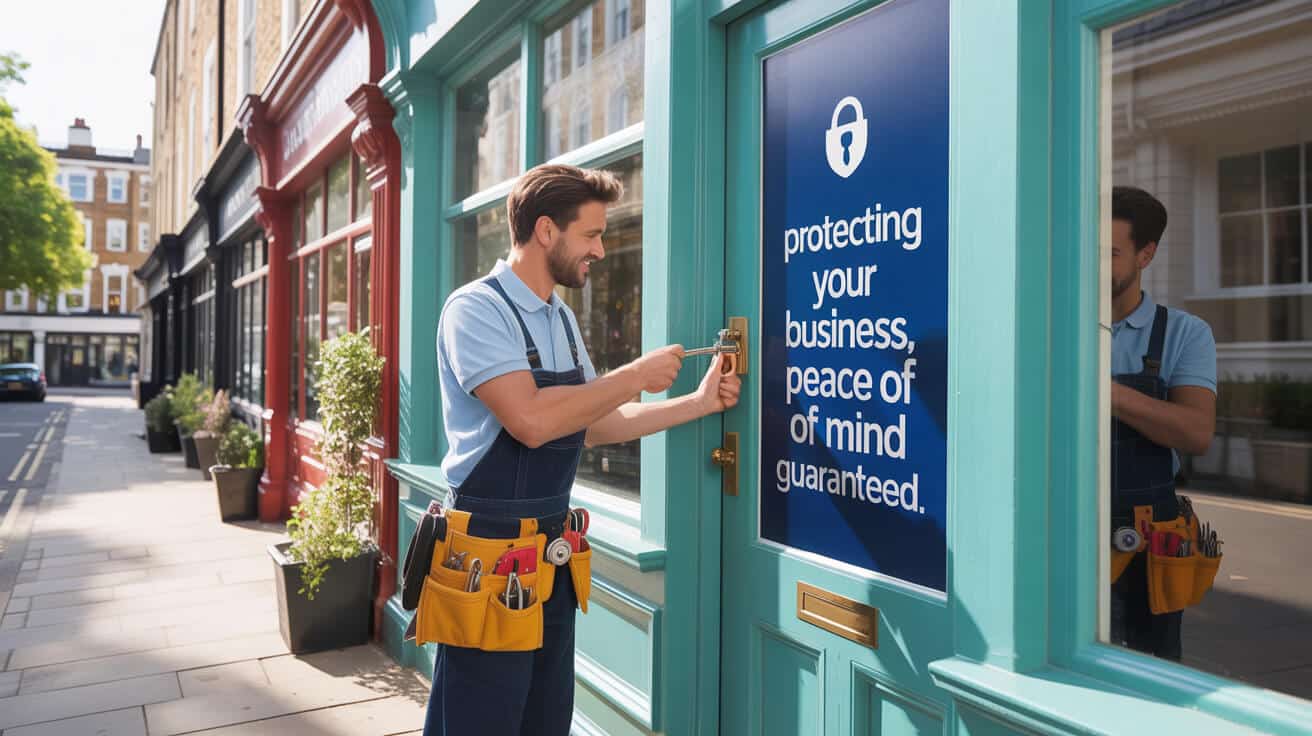
An opportunist checks for open windows or unlocked doors, maybe spooks at a camera’s blinking red light. But professionals? They study habits, spot camera blind spots, kill Wi-Fi, or just target homes with weak locks (Secom PLC). If entry’s quick and out of the lens’ reach, the camera is a spectator, not a referee.
Why Might Doorbell Tech Paint a Target on Your Home?

Odd truth: some burglars see visible doorbell tech as a sign there’s something worth stealing (The Register). Fresh gadgets = fresh assets. In dense, gadget-rich cities, the wrong kind of attention is one tap away.
How Do Blind Spots and Placement Kill Security Hopes?
Most doorbells monitor the front door. In London, that’s often not the entry point: rear doors, side alleys, garden access, and windows are prime targets (Ideal Home). One camera cannot replace a real audit of your property’s weaknesses.
What Happens When Wi-Fi or Power Vanishes?
Here’s what burglars know: yank the router or kill the mains, and your “always-on” gadget is out cold (RD.com). Security built on a single point of failure is just asking for trouble. Mechanical, layered barriers backstop you when tech fails.
Why Are Cyber Security Gaps So Risky at the Door?
A camera with an out-of-date password is an open invitation. Hacked video feeds and remotely disabled devices are happening (The Register, UCL). Treat smart products as you would your bank app: update, lock down, monitor.
Do Mechanical Locks Still Outperform Smart Devices?
Physical security wins. Professional grade deadbolts, BS3621-certified locks, and reinforced grilles are as strong as your last test. Insurers require them, claims are paid on them (Ideal Home). A lock does not rely on your Wi-Fi invoice.
You can’t hack a bolt—only neglect it.
Do Insurers Give You Credit for Smart Doorbells?
In the UK, premiums only drop for certified physical upgrades: locks, windows, alarms. Video footage alone holds little value with insurance (Ideal Home). Policy: secure your property by the book—the camera is backup, not a discount.
Do Neighbourhood Watch Groups Still Matter More Than Gadgets?
Time after time, research and police agree: a neighbour who spots and flags trouble is worth more than any gadget (London.gov.uk, UCL). Security is a team sport, not an app download.
Are Authorities or Police Making New Calls in 2024?
Policymakers keep reviewing the data—new guidance will only follow hard evidence (London.gov.uk, UCL). No agency gives smart cameras special status. The advice: review your layers, update your routine, and check your hardware.
Why Does Tech Marketing Outrun the Facts?
It’s easier to sell hope than sell work. One viral “catch” video or dramatic testimonial spirals through headlines—meanwhile, daily break-in stats don’t budge (Secom PLC). Marketers win on emotion, but only layers win on prevention.
Can Anecdotes Ever Stand in For Evidence?
Confidence-building stories about “scaring off” an intruder are everywhere, but try building a policy—or a prosecution—on them. The data is brutally clear: professional burglars skip, block, or disable cameras (Secom PLC).
What Is the Real Answer: Are Layered Strategies Non-Negotiable?
No security pro in London, or anywhere, places all their faith in cameras. Strong locks, alarms, community vigilance, and regular upgrades keep burglars guessing (UCL). One layer is a distraction; all layers put you in control.
Where’s the Smart Money for Upgrading Security in London?
The fastest, hardest improvements come from fixing what burglars actually exploit: old locks, weak doors, and unprotected windows (UCL). Get a proper audit before chasing gadgets—then let technology support, not substitute, a real perimeter.
Do Motion Lights and Alarms Still Outperform New Gadgets?
Yes—and the reasons are old but undefeated. Motion lighting, proper alarms, and reinforced entries force burglars to risk time and exposure (Secom PLC). Complexity favours you, not them.
Are Integrated Smart Security Systems a Good Bet?
When locks, alarms, and sensors “talk,” you see more, faster. But these setups are only as strong as their weakest point—bad lock, default password, or a lazy update can unravel everything (UCL). Don’t lean on convenience; invest in robustness.
Should You Treat Cybersecurity as Seriously as Old-School Locks?
Every digital doorway needs the same attention as your front door: unique passwords, active updates, user access control (The Register). Your Wi-Fi is now a lock, too—maintain it or risk getting picked.
Are There Legal Risks in Filming Doorstep Visitors or Neighbours?
Yes—GDPR and privacy laws are as real as the bolts on your doors (The Register). You’re responsible for what your camera records. Check those warning zones, inform neighbours, and adjust angles. The wrong recording can cost you.
Can Devices Provide False Confidence, Masking Real Gaps?
Notifications can feel empowering, but safety is never digital alone. Tech diverts attention from the slow leak: a back gate without a lock, an ageing sash window, a code everyone knows (Secom PLC). Burglars love homes where owners are distracted by gadgets.
Will Tech Ever Fully Replace Physical Security?
No trusted source says it will—or should. The magic is in combined layers: hard hardware, smart routines, and quick human response (UCL). When you own every link, you keep control.
So What Actually Protects London Property Owners From Break-Ins?
Trade false assurance for a proven approach. Cameras are a tool, not a solution. The properties that avoid break-ins blend certified locks, reliable barriers, vigilant routines, and—yes—smart tech as a supporting player (Scientific American). That’s how you defend what matters.
The right layers deny opportunity—before a burglar even thinks about testing you.
Where Can Londoners Get Certainty Instead of Hype?
Prime Alert – The London Locksmiths delivers old-school trust combined with new-school solutions. We work only with certified, insurer-approved locks; our team gives you the straight storey on risks, upgrades, and what’s actually proven to work in London. Whether it’s your home, shop, or building, we design and deliver security you can count on. Never let a gadget be your only defence—trust the people who put physical results first.
Ready to Make Your Security Real?
Stop relying on hope. Get Prime Alert – The London Locksmiths to assess your property, spot every weak link, and recommend a plan that goes beyond showy tech. We build robust, layered defences for Londoners who want certainty, not headlines. Protect your property now—so every night feels secure, every morning is proof that prevention worked.
Frequently Asked Questions
What unique benefits do homeowners in London experience by installing both video doorbells and British Standard locks?
Installing both a video doorbell and British Standard locks provides a dual approach: you deter opportunistic intruders while meeting the insurance and legal requirements for physical security. Video doorbells offer instant awareness and help spot suspicious visitors, but claims data and police guidance repeatedly highlight that insurers expect BS3621-approved locks as the non‑negotiable baseline. Without proven locks, even high‑definition footage rarely satisfies insurance claim standards.
How does this combined system reshape risk?
- Professional burglars avoid homes with visible multi-layered defences.
- Insurers reward property owners who invest in both detection and physical resistance.
- Neighbours collaborate better through shared video footage—especially where robust locks have prevented attempted entries.
Security systems can warn you—but only strong locks can save you from regret.
When do video doorbells fail to protect London homes—and why?
Video doorbells serve as a first warning and a psychological barrier for would-be burglars, but recent cases in London show their limitations against persistent or prepared intruders. Skilled offenders may use tools to bypass visible tech, cut power or Wi-Fi, or simply pick less monitored entry points. In such scenarios, only properly installed, insurance-graded locks delay access long enough for an alert or police response—and often decide if a break-in is stopped or just recorded.
Vulnerabilities that tech alone can’t close
- Cameras become powerless during blackout or network outages.
- Burglars are often deterred only if they see additional physical reinforcements.
- Insurance investigators need proof of forced entry, not just video, to process claims.
How do you decide between upgrading locks or adding a smart video doorbell first?
Start with your home’s risk profile. London locksmiths and insurers agree: obtain BS3621 locks for all external doors as your foundation. These locks are not only prerequisites for many insurance policies, but also dramatically reduce successful break-in attempts—by over 60% according to industry research (2023). Video doorbells serve best as a visibility upgrade and evidence tool, but their value multiplies only when robust lockwork is already in place.
What questions guide your choice?
- Are your main locks British Standard certified?
- Does your neighbourhood report frequent break-ins?
- Would footage alone satisfy your insurer if an incident occurs?
Why does visible surveillance repel some burglars, but not all?
Most inexperienced intruders will look for easier targets when confronted with obvious cameras and alarm signage near secure doors. However, repeat or professional offenders treat surveillance as only one hurdle; they’re more concerned by mechanical upgrades that challenge their speed and escape. These individuals study blind spots, search for vulnerable entry points, or use distractions. British Standard locks raise the time and noise required, often making the risk unacceptable.
How do different criminals react to layered security?
- Casual thieves move on when cameras and locks create multiple points of resistance.
- Pros test reactions but avoid properties that demand extra effort or carry legal risk for forced entry.
Tech makes you visible—locks make you untouchable.
Which steps do police and expert locksmiths recommend for comprehensive protection in London?
Police and certified locksmiths agree: rely on a tiered approach—certified locks, reinforced doors and windows, then electronic deterrents like video doorbells. Regular security audits from professionals (such as Prime Alert – The London Locksmiths) uncover weak spots, including neglected side or garden doors, which are common entry routes. Community groups and neighbourhood alerts complement these measures, helping everyone respond faster if trouble arises.
Checklist for resilient London homes
- Upgrade every external lock to BS3621 or higher.
- Inspect and reinforce frames, sashes, and outbuildings.
- Add video coverage to high-traffic and isolated access points.
- Tap into local security networks for real-time updates.
Which locksmith and insurer-approved upgrades yield the strongest insurance outcomes and return on investment?
Insurer analysis shows that properties equipped with British Standard locks, reinforced doors, and certified alarm systems receive better premium rates, lower deductibles, and faster claims processing. London insurers demand certified locks as the starting defence; additional security features act as evidence and sometimes as bargaining chips for improved terms. Video doorbells and alarm systems help with incident documentation and community response, but cannot replace physical upgrades for claims approval.
What are insurers looking for before lowering your rates?
- Proof that all perimeter locks and vulnerable windows meet BS3621 or above.
- Evidence of professional fitting for all hardware.
- Documentation of a recent security assessment by a reputable firm.
- Physical upgrades paired with video proof for airtight claims and peace of mind.
A consultation with Prime Alert – The London Locksmiths locks in your eligibility, sets you apart as a proactive homeowner, and builds confidence that your home stands ready for any challenge.