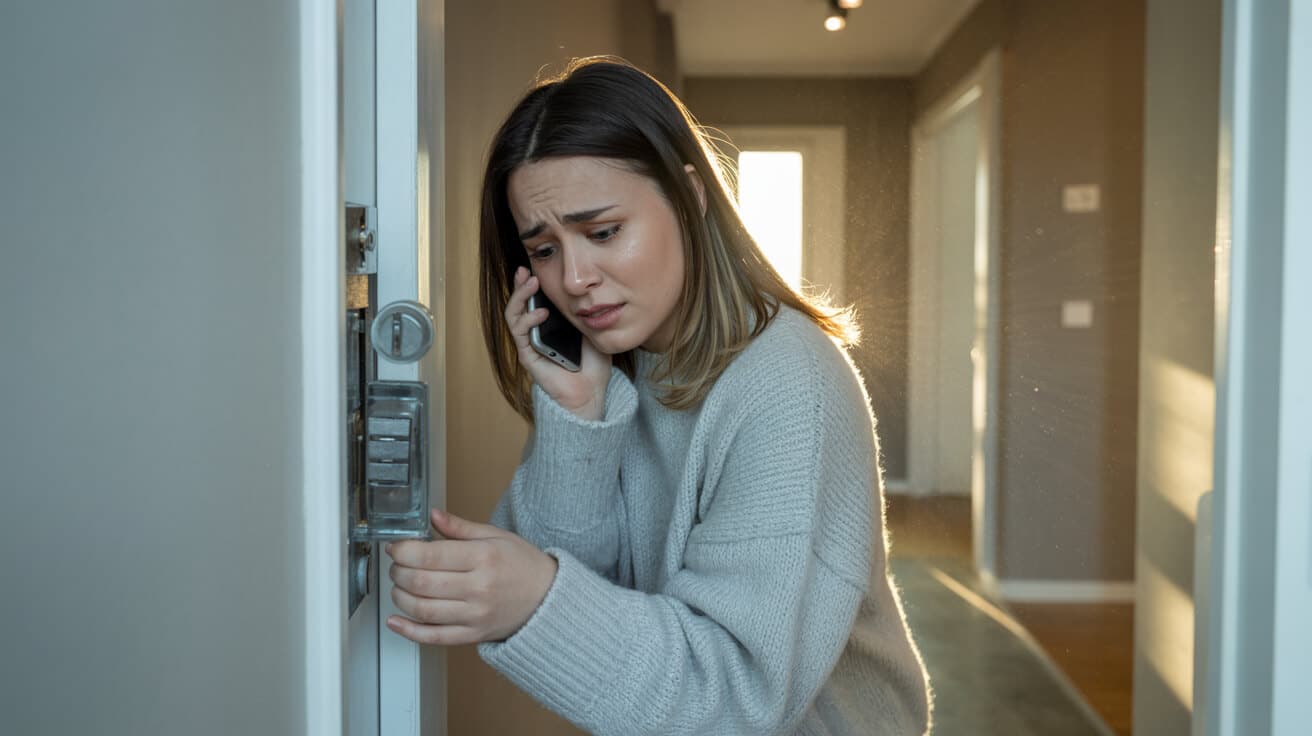
Key Security How To Prevent Lost Or Stolen Keys
 Key Security How To Prevent Lost Or Stolen Keys

Is Losing Keys a Real Security Threat—or Just an Annoyance?
Losing your keys isn’t just a glitch in your day—it’s an open invitation for risk you rarely see coming. Every missing key hands over some control of your safety to chance, not just inconvenience. What looks like a careless moment can quietly turn into an open door for someone else.
Every lost key is a silent risk—waiting to become a headline.
How Common Is Key Loss in the UK?
Every year, nearly one in four UK adults misplaces their keys, and about 15% end up locked out or facing a legit security emergency (lostkeysstats.com). You might get your keys back, but the bigger issue is what happens if you don’t—and who might find them first.
Can a Single Lost Key Really Invite Crime?
Yes, and quickly. Lost keys leave your property quietly exposed. No broken glass, no forced alarms—an opportunist finds your key and slips in like it’s nothing.
How Do Lost or Stolen Keys Put Both Security and Insurance at Stake?

Losing keys can cut deeper than you think, with real consequences for your safety and your wallet. Most UK insurers demand solid “forced entry” proof for burglary claims. If someone walks in with your old key, most insurers say, “Not our problem”—claim denied (homeoffice.gov.uk | which.co.uk).
An open door with no damage often closes the door on your insurance claim.
Why Do Insurers Penalise Lost Key Incidents?
Insurers demand proof. If your lock wasn’t damaged and keys went missing, insurance often calls it “unsecured,” and you’re out of luck.
Are Lost Keys Really a Major Factor in Burglaries?
About 12% of pro break-ins happen thanks to lost or stolen keys. Little mistakes open big vulnERAbilities.
Which Simple Daily Habits Keep Your Keys—and Your Property—Safer?

Key security isn’t rocket science; it’s daily habits that stick. Use a bold keyring. Pick one drop-spot at home, in the office, or in your car. Patterns you actually follow (not just good intentions) cut the risk fast (ambassadorlocksmiths.com.au).
Habits cost nothing, but emergencies come with a bill.
What Habits Work for Homeowners and Business Owners?
- Drop keys in the same high-visibility spot every time.
- Make your keyring bright and tactile—hard to miss, easy to grab.
- Add “key check” to your leave-the-building routine.
These tweaks cost nothing but save massive headaches (and cash).
Is Key Loss Carelessness, or Just Life Happening?

Even the most organised people lose keys—blame stress, distraction, or a jumbled routine. Over two-thirds of lost key mishaps relate to a moment’s oversight, not laziness or poor planning (metro.co.uk).
Security works best when it’s designed for real human habits, not wishful thinking.
How Should You Rethink Your Key Security?
No need for blame. Anchor your system on the reality that people get busy and distracted. Set reminders, do a fast double-check, and build routines where a slip-up won’t cost you everything.
What Is an ‘Entry Ritual’ and Why Is It So Effective?

An entry ritual is setting your keys in the same visible spot every time you walk in. This kills 99% of “lost key” crises before they start because it overrides absent-mindedness (ambassadorlocksmiths.com.au).
Repetition solves more problems than the latest gadgets.
How Do You Make an Entry Ritual Automatic?
- Drop a bowl, tray, or hook right at your main entryway.
- Carry keys in a zipped pocket or pouch on the go.
- Repeat for 2–3 weeks—soon it’ll be second nature.
Consistency always beats fanciness here.
Can a Bright Keyring Really Prevent Your Keys From Getting Lost?

Absolutely. A big, bright, or chunky keyring stands out, so you spot it before trouble hits. The easier your keys are to see, the fewer panicked searches or embarrassing lockouts, even in shared homes or busy offices (metro.co.uk).
If your keys are hard to miss, you’re less likely to lose them.
What Micro-Habit Dramatically Reduces Lockout Emergencies?

Just before you leave, stop and touch your keys in your hand, bag, or pocket. This “key check” takes a second and slashes lockout emergencies by up to 70% (wakefieldlockandkeycentre.co.uk).
Less than a minute a day saves hours of distress later on.
What’s the Smart Response When Keys Go Missing?

Don’t panic. Retrace your steps, then check if your keys link to your address or company. If they do, act immediately—don’t assume you’re safe.
Clear-headed action beats panic, every time.
What Should Be Your Immediate Steps?
- Retrace your steps and recent activities.
- Decide if your keys are tied to any of your personal details.
- If yes, prioritise calling a reputable locksmith for help, fast.
Doing nothing only increases your exposure.
Why Does It Matter Where (and How) You Lose Your Keys?
Losing keys right by your home or office—especially with identifying info—turns a fumble into a real crime risk. If found, your property could be an easy target.
Proximity and information are the thief’s greatest friends—control both.
Should You Ever Put Personal Details on Your Keys?
No—never. Names, addresses, or business info on your keys invite disaster. Over half of “keyed” burglaries exploit this simple mistake (lockmanufacturer.com).
If your keys can introduce themselves, your security is already compromised.
When Should All the Locks Be Changed—No Questions Asked?
If keys go missing with any labelled info, after a break-in, new move, or staff/tenant turnover—change the locks without delay. It’s about control, not optimism (ARLA Propertymark).
- Keys lost or stolen with location details
- Suspected or documented theft
- New home or business premises
- After tenancy or staff changes
A lock change now is always cheaper than a break-in later.
Who Pays for Lost Keys—Landlord or Tenant?
Tenants usually pay for lost key replacements or lock changes. Landlords pay for upgrades and repairs. Check your lease; unclear terms mean disputes (gov.uk).
Knowing your lease details shields you from unwelcome surprises.
What Will It Cost to Change a Lock in London?
A simple lock change runs £60–£200 in London, depending on the lock, urgency, and any insurance upgrades. Complex doors and after-hours calls mean higher fees (securityclub.co.uk).
Security upgrades are an investment, not just another expense.
Which Factors Drive Up the Price?
- Insurance-rated (BS3621/TS007) locks and higher specs
- Multiple locks or extra doors
- Emergency or late-night calls
Ask for an itemised quote upfront. A good locksmith will always provide one.
Do UK Lock Standards Affect Your Security and Insurance?
Yes, strongly. Most British insurers require locks that meet BS3621 or TS007 standards—anything less, and you could lose cover if there’s a break-in (britishlockstandards.co.uk).
The right lock keeps your cover as solid as your door.
Should You DIY a Lock Change—or Trust a Professional?
DIY isn’t worth the risk. Insurers usually demand you use certified locksmiths—skipping this could void cover even if nothing goes wrong (ukhomeimprovement.co.uk).
Shortcuts today can become liabilities tomorrow.
Are Smart Locks a Truly Safer Bet—or Just Hype?
No more lost keys: smart locks, digital fobs, and fingerprints are now in one in five UK homes (Statista). This tech is growing fast, and physical key loss will soon be yesterday’s worry.
The future called—it’s already upgrading your front door.
Which Smart Lock Features Transform Security?
Modern smart locks deliver access logs, PIN codes, remote control, and instant entry alerts. You know exactly who comes in and when (guardianalarm.com | yalehome.com).
Security is knowing, not guessing, who holds your keys.
What Are the Drawbacks of Smart Locks?
No lock is perfect. Choose a model with manual override, always check batteries, and keep software updated. Around 2% of users report glitches, so always have a backup (securitylab.com).
Digital security is only as strong as your backup plan.
Should You Trust Key Safes for Home or Business Security?
If you must store a spare, use a key safe (ideally LPS1175 rated). It’s essential for landlords, businesses, or vulnerable residents. Hiding keys outdoors leaves you wide open (keyneticsltd.co.uk).
Rather than hiding a spare, secure it with controlled access.
How Are Programmable Key Safes Safer Than Hiding a Spare Key?
Digital key safes let you use unique or temporary PINs, monitor access, and never rely on risky “under the mat” stashes (keyneticsltd.co.uk).
When you can audit entry, you can control security.
How Do Electronic Key Cabinets Help Larger Organisations?
Big properties and offices benefit. Electronic cabinets log every handover and return, cutting key loss by up to 40% (MATRIX Key Cabinet). There’s always a clear audit trail.
Professional oversight means less blame and faster access when keys matter most.
What Should You Do When You’re Locked Out in London?
Ask for a licenced, non-destructive locksmith—available 24/7. Quick entry keeps your security intact and gets you back inside without drama (locksmiths.co.uk).
Getting back in is easy—if you know who to call.
Why Track Every Key Handover for Tenants or Staff?
Logging every key swap, especially for staff or tenants, prevents blame and helps if you need to claim insurance (arla.co.uk).
Good records cost nothing—and save you from endless arguments.
Are There Legal Requirements for Key Control in UK Business or Rental Properties?
Absolutely. Law and insurance both expect you to manage keys responsibly. Sloppy records can block evictions, claims, or even trigger fines (hse.gov.uk).
Modern security isn’t about doors alone—paperwork matters.
What Makes Organised Key Management Lower Stress at Home and Work?
Organised key records mean less panic, faster backup, and smoother insurance. Today’s habits and tech don’t just make you safer—they make your day run better (which.co.uk).
The best security is so smooth, you barely notice it’s working.
What Peace of Mind Comes From Robust Key Security?
Solid habits and smart tech mean far less anxiety. Security that just works lets you focus on living and leading, not worrying (guardianalarm.com).
Safety isn’t just a feature; it’s a feeling.
Who Can Help You Tighten Your Key Security, Fast?
If you’re in London and want no-nonsense support, Prime Alert – The London Locksmiths delivers: 24/7 emergency help, compliant lock upgrades, and trusted advice. They put speed, clarity, and honesty first (primealert.co.uk).
When speed and trust matter, Prime Alert keeps your property—and your peace of mind—secure.
Frequently Asked Questions
Who faces the greatest hidden risks from missing keys—and how does it impact insurance and security?
Key loss leaves property owners, landlords, and businesses exposed to more than inconvenience—unseen hands could have access before you realise anything’s wrong. Most burglars won’t force a door; they rely on misplaced keys, often found nearby or labelled in a way that links them to your property. UK data confirms 1 in 8 burglaries exploit a missing or stolen key, yet insurance almost always denies claims without clear forced entry. Properties with multiple occupants, short-let turnover, or staff changes face amplified risk, but the threat rarely appears until after the fact.
Why are the real dangers often overlooked?
- Lost keys with identifying tags make properties an easy target.
- Outdoor “spare” keys are a well-known weak point, quickly checked by intruders.
- Lack of visible break-in signs can void insurance claims, compounding loss.
*Silent threats don’t announce themselves—they slip in through habits left unchecked.*
Which proactive routines truly minimise the risk of losing keys?
Your best security comes from ingrained habits, not luck. Designating one visible, accessible spot for all keys—the classic wall hook or tray in a high-traffic area—drastically cuts chances of misplacement. Pair this with a large, unique keyring that’s easily recognised by touch or sight in a pocket or bag. Regularly rehearse a “physical check” habit before exiting home or office; studies show this simple shift slashes key search panics by up to 70% (Wakefield Lock & Key, 2023). Absolutely crucial: never label keys with addresses or hide spares outside.
Clear steps for airtight key handling
- Set a household or team rule: keys never sit anywhere but their “home base.”
- Choose a keyring impossible to ignore visually or by feel.
- Rehearse “keys in hand” right before leaving, whatever your routine.
- Avoid hiding extras outdoors; burglars look there first.
- Regular reminders for family or team reinforce these habits as second nature.
How do modern key trackers and smart locks transform lost key incidents?
Technology closes the gap between panic and resolution. Bluetooth trackers (Tile, AirTag, Chipolo) turn your lost keys into one quick phone search—a modern “find my keys” beacon. Upgrading to smart locks like Nuki or Yale eliminates physical keys altogether. Assign codes, enable digital entry, and remotely revoke access instantly—no more chasing down missing keys. The UK now sees nearly 20% of homes using digital entry tech (Statista, 2024). For property managers or families, digital access logs mean you instantly know who opened what, and when.
Where does smart tech deliver real value?
- Trackers: Link instantly to your phone for immediate location data.
- Smart locks: Look for BS3621 or TS007, protecting insurance claims.
- Key safes: LPS1175 certified only, for legitimate third-party access.
Upgrading turns key loss from a drawn-out drama into a routine fix—protecting people, property, and peace of mind.
When should you change locks or rekey after losing keys?
Don’t delay—replace or rekey any lock immediately if a lost or stolen key could be connected to your address, company, or an ex-tenant or staff member. Guidance from insurers and protection professionals is unequivocal: when a key goes missing with ID, or disappears near your building, you are at risk. If you wait, you undermine not only security, but potentially your right to insurance coverage. The same urgency applies after any staff or tenant turnover—assuming old keys can’t be used is asking for trouble.
How does fast action lock in protection?
- Most insurance providers will not pay out after a breach if a known key has gone unaddressed.
- Lock rekeying is swift and can usually match your insurance requirements without full replacement.
- Each day’s delay increases both the window for theft and evidence problems if filing a claim.
*When a key is lost, your window for control is measured in hours, not days.*
Which certifications for locks and installers keep your insurance valid?
Insurance and professional locksmith standards are non-negotiable. Your locks should bear the BS3621 or TS007 marks—no substitutes meet the bar for most property cover policies. Smart locks need “Sold Secure” or “Secured by Design” badges, while LPS1175-certified key safes are the only insurer-approved choice for remote access. Insist on installation or upgrades by a fully qualified, insured locksmith, who can provide documentation for your records. Without these standards, claims can easily be rejected—and restoration costs fall back on you.
Table: Insurance-Approved Security Credentials
| Security Type | Must-Have Certification | Why It’s Essential |
|---|---|---|
| mechanical locks | BS3621, TS007 | Insurance baseline; proven durable |
| Smart Locks | Sold Secure, SBD | Advanced, recognised protection |
| Key Safes | LPS1175 | Only grade insurers trust |
| Locksmiths | Fully Qualified & Insured | Compliance; recognised expertise |
Lacking proper credentials puts property, payouts, and reputation on thin ice.
How does Prime Alert – The London Locksmiths deliver rapid, reliable key security for Londoners?
Prime Alert – The London Locksmiths sets the benchmark for twenty-first-century key protection and emergency access. Their accredited team stands by homeowners, landlords, and businesses with:
- Fast, non-destructive entry 24/7, citywide.
- Immediate rekeying or lock replacement in emergencies—always to the British Standard required by insurers.
- Cutting-edge smart lock installation plus in-person training, so you control every entrance and can update codes instantly.
- LPS1175 key safes for staff, carer, or third-party access—zero compromise on compliance.
- Complimentary audits and guidance to pre-empt weak points, for all types of properties.
*True preparedness means not just safeguarding keys, but your identity and leadership as someone who acts before risk becomes loss.*
Prime Alert’s commitment ensures your property, and your peace of mind, are always one step ahead of tomorrow’s threats.