

 Letterbox Security Tips To Prevent Key Fishing
 Letterbox Security Tips To Prevent Key Fishing

Could Thieves Really Steal Your Keys Through Your Letterbox?
Picture this: Your front door is locked, alarm set, lights on—and yet, your keys are still vulnERAble. Key fishing is the method burglars use to reach through your letterbox with rods, hooks, or magnets, snatching car keys or valuables without ever crossing your threshold. In London, where most homes and flats face the street, this trick happens far more than you might think—especially when keys and fobs are placed within arm’s reach of the door.
The quietest break-in often leaves the biggest mess—lost cars, insurance nightmares, and weeks of headaches.
Most people don’t realise it’s happening until their vehicle is gone. Even flats and business premises are not immune, especially if your letterbox is visible, accessible, or has glass panels nearby. Police and insurers in London report rising numbers of these stealthy “no-entry” burglaries (Bath Chronicle; Irish Examiner).
How Do Burglars Target Homes for Key Fishing?
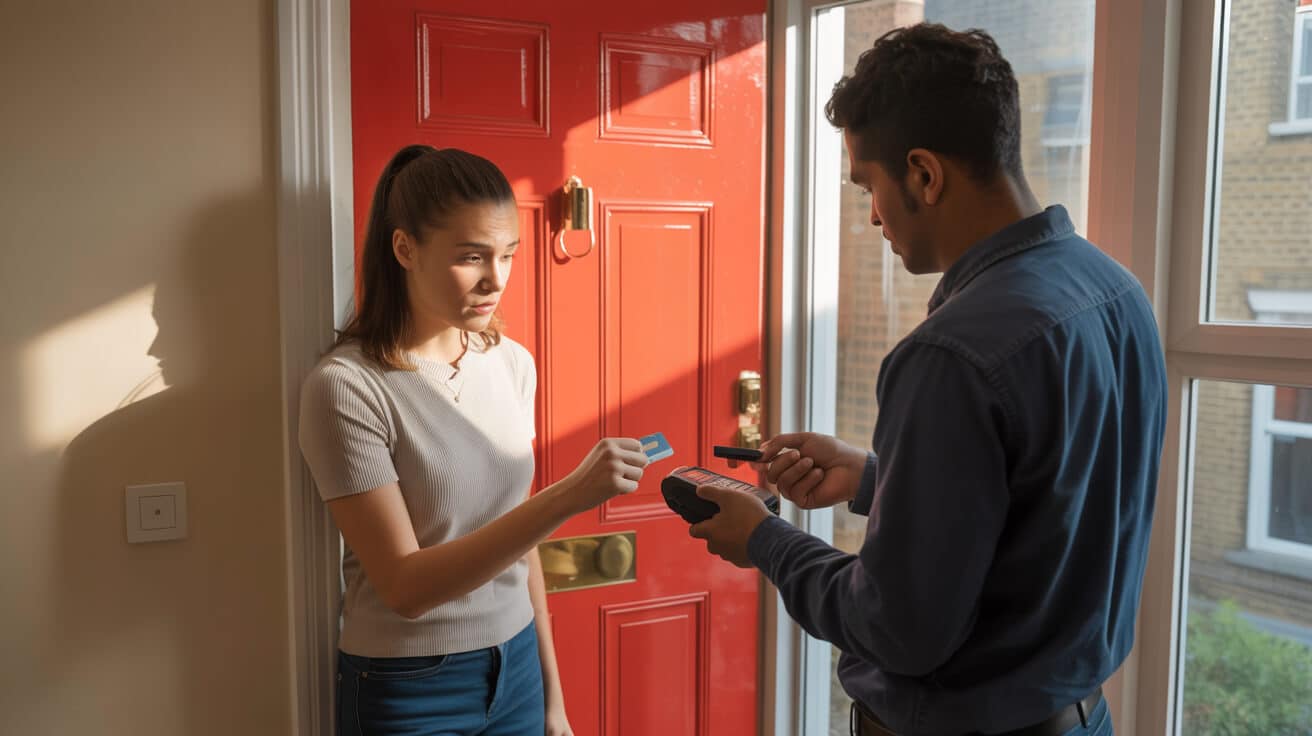
Key fishing thrives on small, everyday habits. Thieves always take a quick scan—do keys dangle on a hook, rest on a table by the door, or sit in a bowl on the shelf? If they spot anything promising through the letterbox or window, your property goes to the top of their list.
A key left by the door isn’t just convenience—it can be a glaring invite.
Busy streets and high footfall only make it easier for criminals to blend in. After one successful theft, surrounding homes often get targeted next (Bath Chronicle). That means one neighbour’s carelessness can put the entire block at risk.
What Signs Make a Flat or House Appealing to Thieves?
Burglars look for:
- Keys, wallets, or bags left visible close to the entry.
- Unprotected letterboxes—especially those at arm height.
- Glass side panels that reveal contents behind the door.
- Routine package or post piles signalling valuables nearby.
Once they spot an easy target, word gets out quickly via social channels and chat groups.
Could Your Alarm or Door Camera Stop Key Fishing?
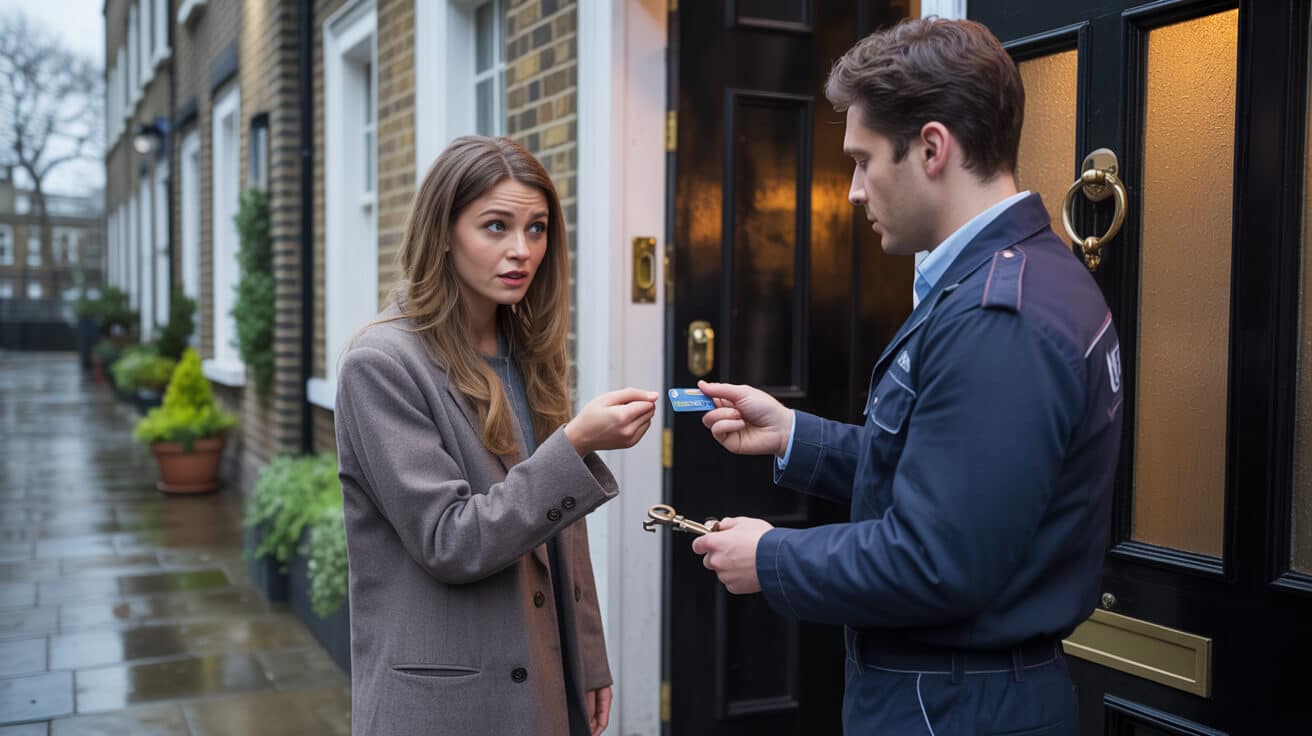
Alarms and smart cameras are designed for break-ins, but key fishing slips right past. Why? Because the criminal never steps inside—sensor beams aren’t triggered, and there’s no forced entry to record or alert. Often, you’ll find no visible signs until you notice your car’s gone.
Cameras aren’t enough—compare your defences to what today’s thieves are actually doing.
With claim refusals on the rise, many major insurers now require a physical letterbox guard, restrictor, or internal shroud for full coverage (UAP Corporate).
What Really Happens When Keys Go Missing Due to Letterbox Theft?
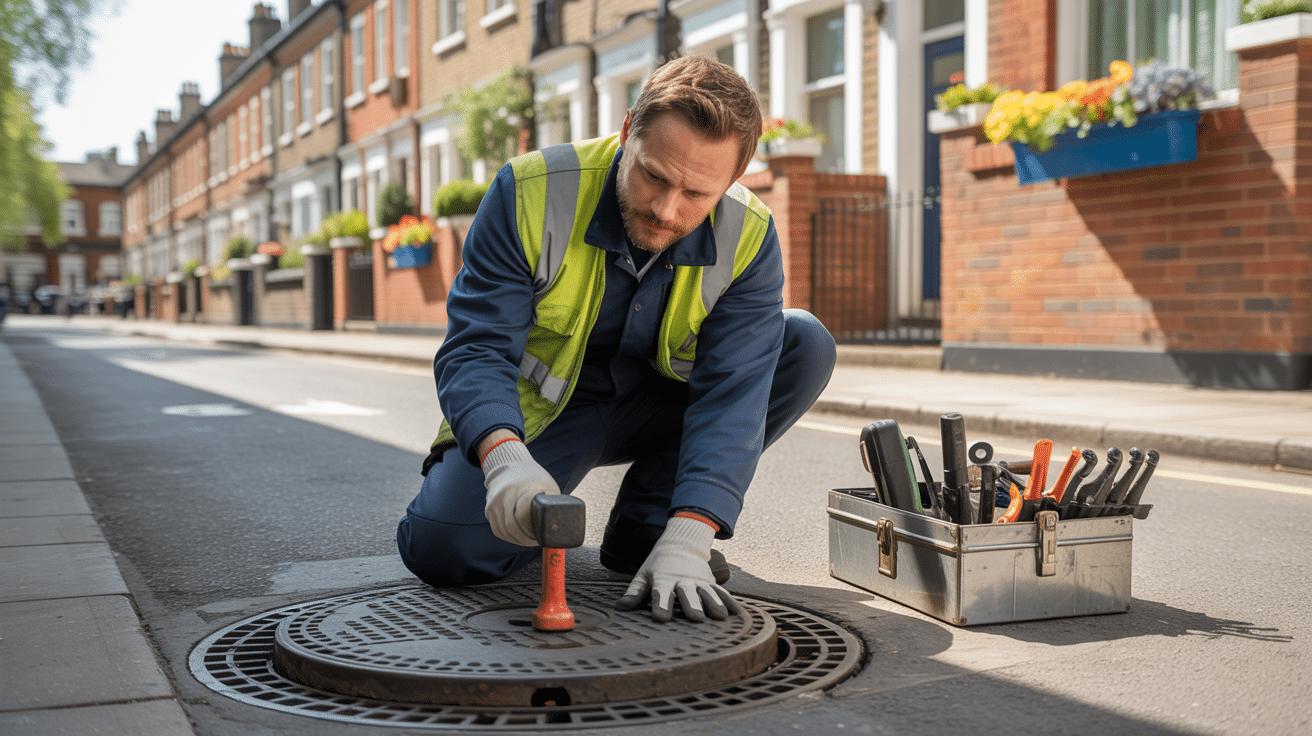
A stolen set of keys through your letterbox can mean far more than a missing car. Losses may include irreplaceable items, identity documents, and days spent fighting for an insurance payout most homeowners assume will arrive automatically. With no forced entry, insurers sometimes decline claims entirely, or hike your premiums in the aftermath.
Routine shortcuts can cost more than just your morning—one slip can sabotage your insurance and peace of mind.
Even if you live in a “good” area, one incident tends to snowball: increased insurance rates and new crime sprees often ripple through the community.
Are Certain Properties or Streets in London at Greater Risk?

Letterbox fishing targets:
- Street-facing terraced houses and converted flats.
- Entrance doors with large mail slots or side lights.
- High-value cars visible nearby, often parked out front.
- Areas with recent burglary incidents broadcast on Nextdoor or WhatsApp.
If your property ticks any of these boxes, it pays to think ahead before your address becomes the next easy headline.
Is Key Fishing a New Threat—or Just More Common Now?
It’s not new, but it’s exploding. The mix of “keyless” cars, viral social media videos showing how easy it looks, and simple tools sold online have spiked London’s numbers. Data from several boroughs now show nearly a third of all break-ins involve key fishing (Bath Chronicle).
Your best protection isn’t hoping technology will catch up—it’s blocking the method entirely.
What Practical Steps Should You Take to Prevent Key Fishing?

Small changes stack up:
- Move keys, wallets, and electronics at least a metre from the front door daily.
- Instal a letterbox guard, cowl, or internal shroud fitted from inside.
- Vary your routines—don’t leave valuables in the same place every night.
Shifting your routine today does more than any camera ever could.
A professional locksmith can audit your set-up, identify weak points, and instal hardware rapidly—often with compliant documentation for insurance.
Are Visible Security Devices Enough to Stop Most Thieves?

A visible, well-fitted barrier—like a cowl, steel restrictor, or slimline guard—sends one message: this property is more hassle than it’s worth. Research shows even opportunists avoid homes with clear obstacles, preferring easy wins elsewhere.
Sometimes, showing you’re ready is enough to send trouble next door.
For many households, this one upgrade pays for itself the first night—often less than the price of a takeaway.
Should You Consider Alarmed or Lockable Letterboxes?

For maximum security, lockable internal cages or alarmed letterboxes add another ring of defence. These prevent thieves from grabbing valuables that might slip through—keys, bank cards, or official mail that could aid identity theft.
For people who can’t change routines, or who travel often, this peace of mind is priceless.
Modern models integrate seamlessly, and a locksmith can ensure you don’t accidentally void your door’s warranty or insurance rating.
Do These Solutions Work for Renters and Shared Flats?
Absolutely—landlords and renters alike have options. Removable adhesive guards, clip-in restrictors, or rental-friendly shrouds can be installed and removed without leaving a trace.
Your lease isn’t a licence to risk; temporary fixes mean you don’t have to leave your security behind.
Many landlords approve simple, non-permanent upgrades—especially when property insurers encourage them.
Can “DIY” Solutions Work as Well as a Locksmith?
DIY devices are tempting and often cheaper upfront—but fitment errors can make a home less secure or even invalidate claims. If documentation and compliance matter (for insurance or peace of mind), a licenced locksmith is the safer choice.
The details you miss—or can’t prove—are the ones insurers and criminals notice.
If you do DIY, double-check with your property manager or insurer first, and never skip the fitting guide.
What Makes Prime Alert – The London Locksmiths Different?
Prime Alert isn’t just a hardware installer. Their local team knows the patterns of London theft, and their solutions get the sign-off from both police and major insurers. Your audit covers the latest burglar trends, physical device options tailored to your type of property, and post-service support—guaranteed.
When it’s your safety or claim on the line, it pays to work with local, insurer-aligned experts.
This kind of experience means they know the latest tactics—so you’re ready before criminals or insurers catch up.
Are There Proof Points That These Steps Actually Protect Londoners?
Yes—and fast. After rolling out restrictors and visible guards, Londoners report burglary attempts failing and entire neighbourhoods experiencing less crime. Police data confirm that incidents drop in areas adopting these basics, while those who delay see quick repeats.
Your action doesn’t just protect yourself; it helps the whole street breathe easier.
A single home’s upgrade can create a domino effect in local crime statistics.
What If Style or Cost Is a Barrier?
Today’s solutions are both discreet and affordable. Slimline, adhesive, or removable devices blend into period and modern doors; prices range to accommodate every property—often less than the excess on a typical car insurance claim.
Great security doesn’t have to stand out or break your budget.
Ask your locksmith which options comply with your policy and look right for your entryway.
Should You Be Worried If You Think Key Fishing Is Rare?
Ignore the myth—key fishing is among London’s fastest growing home crime methods (Bath Chronicle). It’s highly targeted, often clustered locally, and rarely publicised. One incident is a red flag for the whole street or block.
Early action stops the cycle before it becomes your problem—or your neighbour’s.
If you know anyone who’s been hit, treat it as your warning to upgrade.
How Do Shared Spaces or Multi-Occupier Homes Impact Security?
Risk multiplies as the number of residents increases. More routines, more keys, and less consistency make shared homes easier prey. Establishing a routine—backed by signage and shared checklists—closes gaps.
- Assign roles to ensure nightly lock-ups and key removal.
- Agree on physical upgrades with consensus from all tenants or roommates.
Simple, visible changes often beat even the fanciest alarm system.
professional locksmiths can advise on entry solutions that keep everyone’s routines covered.
Can Security Habits Really Become Effortless?
Yes—make the process habitual, not forced. Place simple reminders on doors, use “fit-and-forget” barrier devices, and add backup checklists by the exit. When small security steps join your routine, you eliminate the weaknesses thieves and insurers alike hope for.
Security doesn’t need to be a chore. The best upgrades happen automatically.
Habit, hardware, and reminders combine to mean fewer gaps.
What Three Steps Should Every Londoner Start Tonight?
- Remove all valuables and keys from the entrance before bed.
- Lock internal doors—boosting security for flats and shared spaces.
- Fit or check a rated restrictor or internal guard on your letterbox.
This three-minute routine can block up to 99% of letterbox attacks (Halifax Courier).
Small actions compound into lasting peace of mind.
How Does a Letterbox Upgrade Pay for Itself?
A well-fitted guard or restrictor may save you thousands—cutting insurance premiums, boosting property value, and best of all, delivering that “finally safe” feeling. If it prevents one claim, it pays back tenfold.
Tonight’s small investment could save years of regret—security is affordable compared to loss.
And it’s not just for owners; renters can benefit too.
Why Do Security Strategies Need to Evolve with Criminal Tactics?
Criminals copy each other and adapt fast—what worked last year will be outdated soon enough. By updating your defences and routines every few months, you ensure you don’t fall into the “easy target” group.
Staying alert is your best investment. Complacency is the real risk.
Reading safety bulletins or booking a re-check with your locksmith is time well spent.
Can Community Action Multiply Your Home’s Security?
When one neighbour upgrades, the rest take notice—community WhatsApp groups, Safer Neighbourhood Teams, and word-of-mouth all trigger faster, wider adoption. Crime rates dip when the community moves together, not just one by one.
Safety compounds when neighbours take action, even if you start small.
Group discounts or bulk installations push costs down for everyone, too.
When Should You Get a Locksmith’s Help?
Any sign of tampering near your letterbox, missing post, or knowledge of local incidents is a signal: call the pros. Speed matters—criminals act fast, so should you. An expert intervenes before damage multiplies.
When in doubt, don’t gamble—secure your entry before trouble turns up.
Any hesitation now could be costly, both in lost property and peace of mind.
Ready to Protect Your Home? Why Prime Alert – The London Locksmiths Is London’s Trusted Solution
Prime Alert offers trusted, insurance-compliant upgrades, tailored risk audits, and rapid service. Their expert fitters not only instal but certify solutions that satisfy both police and insurers. Book a home or business inspection, schedule modern security updates, or get immediate advice after an incident—all from a team that knows London’s real risks. Your safety travels further when local knowledge and proven solutions meet.
Don’t wait for a scare to act—secure your home, business, and reputation now.
[Contact Prime Alert – The London Locksmiths for a free security assessment or a bespoke letterbox upgrade. Your best defence starts with one quick step.]
Frequently Asked Questions
Why does London’s design make key fishing a persistent threat?
London’s housing stock combines street-facing doors, legacy layouts, and high pedestrian churn—perfect cover for key fishing, where tools slip through letterboxes to snag valuables left near the entry. Unlike typical burglaries, these silent thefts leave no sign until your car or keys have vanished, and insurance is suddenly complicated. Recent statistics from Metropolitan Police show letterbox-aided thefts up nearly 20% year on year—now a favoured method in multiple boroughs.
Secure entryways begin with habits—not just hardware.
What architectural quirks increase this exposure?
- Letterboxes sited within easy reach of door tables and hooks
- Flatted buildings where strangers rarely draw suspicion
- Older doors with thin profiles or wide, accessible apertures
How do modern habits unknowingly expose you to theft?
Just placing keys or wallets by the entry—on that hall table, on a ledge for deliveries, or even in a visible basket—hands thieves an easy win. Insurance bodies have flagged a jump in claims where “no forced entry” is reported; the common link is valuables left within arm’s reach through the letterbox. Whether it’s your evening bag drop-off or prepping for tomorrow’s school run, routine convenience is being weaponised by opportunistic burglars.
Common patterns that increase your risk
- Dropping keys or access cards beside the front door
- Hanging bags, coats, or work passes within plain view
- Letting post or parcels pile up in the window or slot
- Keeping spare keys for family or sitters in letterbox range
What upgrades actually prevent letterbox fishing attacks?
physical letterbox restrictors—especially those certified TS008—form a concrete barrier against rods and hooks. Internal cowls and steel cages, required by many insurers, add further layers: even if a tool gets through, it can’t reach valuables. Alarmed cages and keyed letterbox covers deliver insurance-friendly compliance and offer peace of mind to property managers and residents alike. Prime Alert – The London Locksmiths custom-fits all solutions, issuing detailed compliance paperwork every time.
Choosing a compliant, reliable barrier
- Always prioritise TS008-certified guards for insurance acceptance
- Pair internal cages with outer restrictors for layered protection
- Match finish and fit to your property’s age and style for seamless security
Which everyday changes make the biggest difference to entryway security?
Removing temptation beats adding technology. Store keys, wallets, and fobs at least a metre from the door and out of sight lines—this alone blocks the majority of fishing attempts, proven in insurance claim audits. Co-ordinate a nightly “clear and check” routine with all residents, including lodgers and maintenance staff, and have physical or digital reminders to sweep the hall at lock-up.
Actionable habits for every household
- Tuck keys away in a non-glass drawer, not on display
- Create a bedtime checklist that includes locking down valuables
- Regularly clear post to show presence and undo targeting
Discipline in small details stops break-ins before they begin.
What are police and insurance standards for letterbox theft prevention in 2024?
Police crime prevention units now strongly recommend visible, insurance-rated guards for letterboxes, especially TS008 restrictors—listed in most borough-level burglary guides. Insurers increasingly view absence of such upgrades as “preventable loss,” leading to a surge in declined claims where theft occurred with no force. A written record from a reputable locksmith like Prime Alert supports smooth claim resolution and reassures block managers or letting agents.
Why does audit-grade documentation matter now?
- Insurance payouts now pivot on proof of “reasonable precautions”
- Police routinely reference physical upgrades in burglary follow-ups
- Estate and block managers demand paperwork as standard compliance
How can renters and landlords upgrade security with minimal disruption?
Flexible, tool-free letterbox restrictors and cages, installed with clamps or adhesives, resolve security gaps without drilling—a key condition for heritage or leasehold properties. Tenants gain reassurance and leverage for rent discussions, while landlords benefit from reduced risk, smooth handovers, and enhanced property value. Prime Alert offers move-friendly kits and provides all supporting compliance documentation, which travels as easily as the barrier itself.
Upgrade strategies for any property arrangement
- Request removable kits suitable for listed properties or strict leases
- Retain compliance documents for insurance and handover audits
- Choose solutions that travel with you between homes or tenancies
The most resilient addresses reflect pride in prevention—protect yours by acting before risk becomes regret.


