Re Keying Vs Changing Locks What’S The Difference And Which Is Better
 Re Keying Vs Changing Locks What’S The Difference And Which Is Better
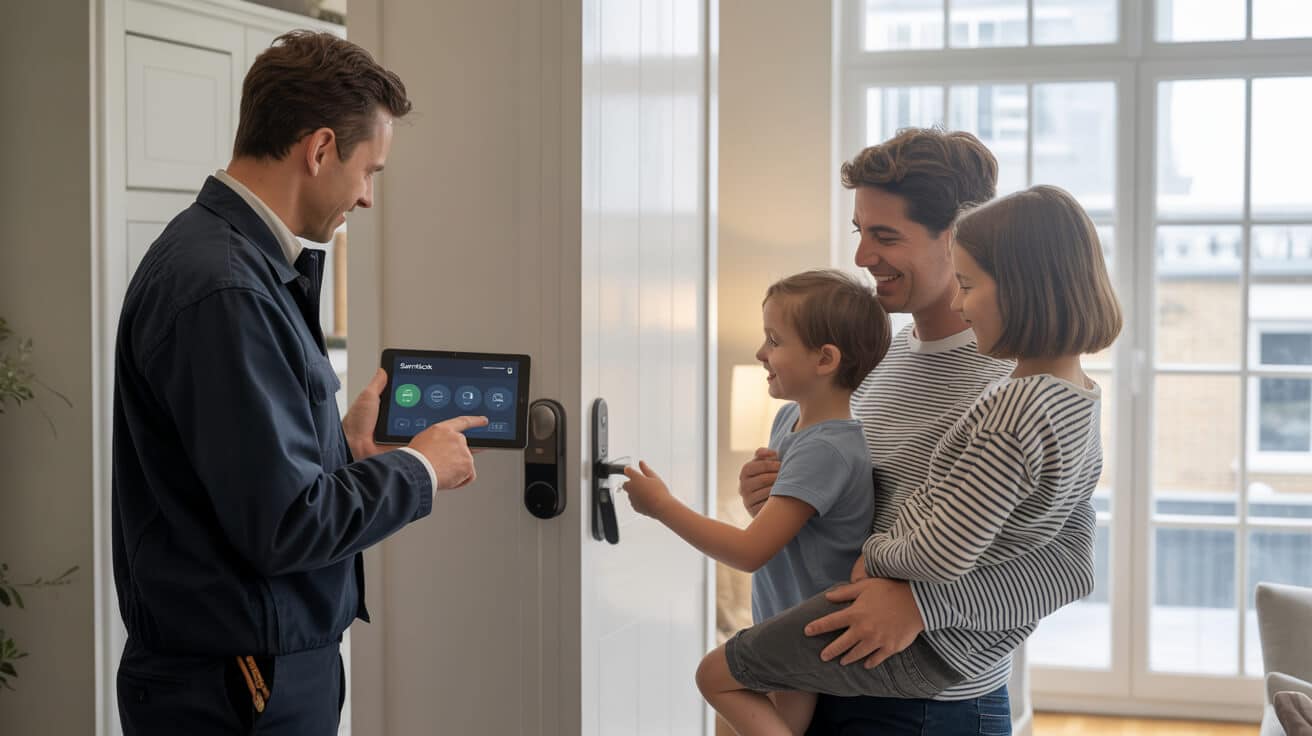
Who Still Has Access to Your Property—and Why It Should Worry You
Handing out spare keys feels harmless—until you realise you don’t remember who else might be holding a copy. Former tenants, ex-partners, contractors, the cleaner who came just once—every set in circulation is a risk to your doors, your insurance, and your peace of mind. If you haven’t intentionally controlled access, you’re counting on luck, not security.
Control means knowing that only you decide who can step through your door.
Most break-ins aren’t movie-style forced entries; they happen because someone, somewhere, still has a key you forgot you handed out. According to industry reports, key complacency is one of the main causes of unauthorised entry for property owners in London (locksmithmiami24hour.com), and even a single overlooked spare can blow open the door to liability.
What Does “Re-Keying” a Lock Actually Involve?

Re-keying is a quiet reset for your property’s access. A qualified locksmith swaps out the tiny pins and tumblers inside your existing lock, instantly making every old key useless. You keep the hardware. Visually, nothing changes. But now only your new key works—making lingering spares obsolete.
It’s a silent revoke for every forgotten key you ever handed out.
As security specialists explain, “re-keying means a locksmith replaces the lock’s pins or tumblers so only a new key works; the hardware itself stays put” (en.wikipedia.org). The process is simple, efficient, and leaves no trace for outsiders to spot.
When Should You Consider Completely Changing Your Locks?

Sometimes a fresh key isn’t enough. Full replacement means ripping out the old hardware—cylinder, handles, mechanism—and fitting new ones, often with upgraded security features baked in. If your locks are damaged, missing components, showing corrosion, or involved in a suspected break-in, you want them out—no half measures.
“A full lock change swaps out all mechanisms, not just internal pins—necessary if the current lock is damaged or outdated” (caldersecurity.co.uk).
If your insurance company demands British Standard locks, or your current set fails compliance, a complete replacement isn’t just smart—it’s often required.
Can You Tell the Difference Between a Re-Keyed and a Changed Lock?

Re-keying hides its tracks; only you know the difference. The door’s appearance doesn’t change, but old keys stop fitting. A replaced lock is obvious—a new handle, new finish, maybe even a new key style. This invisibility makes re-keying attractive after tenant changeover, staff departures, or for discretion.
Real security often works best when you can’t see what changed.
In short, “only a new key will operate a re-keyed lock, but visually nothing appears different; a changed lock is easy to spot” (lowratelocksmith.com). Your approach should match whether you value discretion or want a visible show of force.
Do Professionals Recommend Re-Keying After Moving or Tenancy Changes?

Ask any experienced letting agent, property manager, or locksmith—re-keying right after a move or tenant change isn’t just “nice to have”, it’s policy for a reason. Former tenants, their cleaners, or even a friend’s old flatmate could have unreturned copies. A quick re-key severs all ties to your property, stopping awkward situations before they start.
“Landlords and homeowners routinely re-key to regain key control and reduce legal liabilities” (rpmclarity.com).
Given the modest cost compared to the scraping headache of post-theft investigations, most see it as the cheapest peace of mind money can buy.
Is Re-Keying the Best Value for Money, or Is Changing Locks Cheaper in the UK?

When it comes to pure access control, re-keying is by far the smarter financial move. Average prices in London range from £40–£85 per lock for re-keying, while full replacements can shoot up to £175 or higher for high-security or smart locks (checkatrade.com). Unless your hardware is shot, worn, or non-compliant, a re-key beats replacement every time.
Does Re-Keying Make an Existing Lock ‘More Secure’?

Resetting the key control doesn’t change the strength of the lock itself. If the cylinder is outdated, missing anti-snap or anti-drill features, or made from low-grade metals, re-keying will not solve the underlying weakness.
“Re-keying restores lost key control, but physical lock strength won’t improve—if the lock’s weak, it stays so” (caldersecurity.co.uk).
It’s the perfect fix for an access problem; it’s not a hardware upgrade.
When Is It Unsafe to Settle for Re-Keying Alone?

Never bet on a cosmetic fix if the hardware is past its prime. If your lock turns stiff, feels loose, shows rust, or lacks the British Standards Kitemark (BS3621 or TS007), re-keying could leave you exposed. Some insurers even make payout contingent on the right standard being installed.
“Re-keying cannot fix a damaged, old or substandard lock—replacement is mandatory for safety and (often) insurance” (which.co.uk).
The safe play? Ask your locksmith to check compliance before you decide.
Are Your Locks Up to Standard for Insurance and Compliance?
Insurers typically demand externally-facing locks reach at least BS3621/TS007 standard. Anything less could void a claim—even if you’ve kept up with premiums. Your peace of mind is only as good as your weakest lock.
“Insurance claims can be denied if locks don’t comply with appropriate British Standards” (caldersecurity.co.uk).
Getting a specialist to tick this box protects your finances as well as your entryways.
In Which Everyday Scenarios Is Re-Keying the Smart Move?
Re-keying prevents small oversights from spiralling into big regrets. Some classic situations:
- Just moved in and unsure who had a key before
- Misplaced keys or think one was copied without your knowledge
- Staff or tenant turnover (commercial or letting property)
- A family, friend, or partner no longer needs access
- Want to merge sevERAl keys into one for simplicity
“Most landlords and new homeowners re-key after move-in, lost keys, staff turnover, or divorce” (bham-locksmith.com).
It’s a straightforward reset—before hidden issues surface.
What to Expect During a Typical Professional Re-Key
Expect a tidy, rapid operation. The locksmith removes your lock’s cylinder, replaces the internal pins, cuts your new keys, and pops everything back in. On average, it’s under 30 minutes per lock.
“A locksmith removes the lock, resets the internal pins/tumblers and reinstalls—typically in under 30 minutes” (locallockman.com).
Bulk jobs for landlords or large homes are planned in batches—no time wasted, no mess left behind.
Can All Locks Be Re-Keyed, or Are There Exceptions?
Most modern UK locks, especially pin-and-tumbler styles, can be re-keyed without fuss. Budget or very old models sometimes force a hardware swap, while many smart locks either support a digital “re-key” or demand a full replacement if compromised.
“Most pin-and-tumbler types can be re-keyed; lower-cost or specialist digital models sometimes cannot” (en.wikipedia.org).
A trustworthy locksmith will spot what’s possible before you commit.
For Landlords and Businesses: Does Routine Re-Keying Reduce Liability?
Absolutely. Each time keys change hands—for a new staff member, tenant, or after a builder’s visit—your exposure grows. Routine re-keying closes that window, keeping your insurance valid and your compliance record clean.
“Routine re-keying between tenants or staff is cost-effective and vital for legal risk management” (rpmclarity.com).
Prevention is outrageously cheaper than legal drama or lost assets.
Can Your Keys Be Unified Across Multiple Doors?
If you’re tired of juggling a fob, a fat keyring, and a “mystery silver one,” you’re not alone. Many locks can be “keyed alike,” so a single key opens every door you choose—simplifying access for you or authorised users.
“Re-keying enables multiple locks to share a single key for convenience—a popular landlord perk” (popalock.com).
The days of panic-hunting for the right key, in the rain, at night? Over.
Is Re-Keying Faster Than a Full Replacement?
Time counts when property access is urgent. A skilled locksmith can re-key most domestic locks in around 30 minutes; replacing the hardware usually takes longer—and may prompt unplanned door adjustments.
“Most re-keying jobs finish in half an hour per lock—much quicker than full replacements” (lowratelocksmith.com).
If speed matters, re-keying is the winner.
Re-Keying vs. Upgrading: Does One Outperform the Other on Security?
Think of re-keying as resetting who gets in, not making it harder to break in. If you’re worried about lock snapping or picking—the infamous “bump” attacks—then upgrading to new hardware with anti-snap or bump-proof tech is non-negotiable.
“Re-keying stops old keys working, but doesn’t upgrade anti-snap or bump-proof features” (caldersecurity.co.uk).
Combining both (a re-key plus an upgrade) leaves nothing to chance.
Which Warning Signs Mean You Need to Replace, Not Re-Key?
Don’t ignore these—replacement is your fix if you notice:
- A lock that wiggles, sticks, or resists turning
- Difficulty inserting or removing keys; keys snapping
- Any physical sign of tampering or attempted entry
- Failed a compliance check (e.g. for BS3621 or TS007 standard)
“Replace locks if components are damaged, loose, or failing compliance with standards like BS3621” (which.co.uk).
A failing lock is an urgent replacement job—not a re-key opportunity.
Do Modern Locks and Standards Actually Deter Crime More Effectively?
Insurer-preferred standards like BS3621 and TS007 exist for a reason. Modern locks meeting these certifications are tested to resist common break-in tactics—picking, bumping, snapping, and forced entry. For any access point that matters, settling for less is risky.
“Modern British Standard (BS3621, TS007) locks add protection required by insurers and deter break-ins” (checkatrade.com).
Post-break-in, investing in a new, certified lock is money rescued—not spent.
Should You Upgrade Your Locks Even If Yours Still Work Fine?
If your locks turn easily and carry the right standard, save your upgrade budget—just re-key and move on. Most locksmiths will confirm when your current setup is “good enough” for your needs.
“If your lock is sound and meets standards, re-keying restores full control without wasteful upgrades” (locallockman.com).
Unnecessary upgrades drain funds without lifting actual security.
How Do Smart Locks and Digital Systems Change Things?
Digital locks bring both ease and complexity. Some let you “re-key” with a tap—revoking or adding codes on the fly. But if a smart system is breached, the required fix may be a full hardware swap or software reset, depending on the model.
“Some digital locks support re-programming; others require hardware changes—confirm with your locksmith” (en.wikipedia.org).
For business operators and tech-forward homes, check the digital paperwork and use a specialist for configuration.
Does a Professional Security Audit Really Add Value?
Absolutely. A professional audit exposes risks you’ve missed—outdated locks, compliance gaps, even clever bypasses you’d never imagine. The point isn’t upselling; it’s clarity. Armed with a report, you decide if re-keying or replacement is next.
“A reputable locksmith will audit your property, confirm standards, and recommend the right solution” (checkatrade.com).
One conversation can save years of worry—not just reactively, but proactively.
Quick Comparison: Re-Keying vs Full Replacement
Straight to the point:
| Option | Key Benefit | When to Choose |
|---|---|---|
| Re-Keying | Rapid key control | Lost keys, new tenants, intact hardware |
| Replacement | Full security reset | Damage, failed standards, hardware upgrades |
Both options reclaim your control—just be clear about the source of your risk.
Does Regaining Key Control Actually Give Real Peace of Mind?
When your access list resets to “just me and those I trust,” the feeling is real—not just insurance peace, but that deep, physical relief. With one move, you know there aren’t mystery keys floating out in the wild. That’s ownership.
Owning your keys means owning peace of mind.
“Intangible peace of mind is among the biggest reasons customers choose to re-key after life changes” (popalock.com).
And when life gets complicated, peace is priceless.
What Do Most Londoners Choose, and Why?
The London approach is pragmatic. Unless you’ve suffered a break-in or the hardware’s seen better days, most homeowners and landlords choose re-keying. It’s quick, affordable, discrete—and satisfies compliance for rented properties.
“In London, most letting agents and owners opt to re-key unless the lock’s quality is substandard or there’s been a break-in” (checkatrade.com).
Think of replacement as a reset button; re-keying is your routine tune-up.
What Service Journey Can You Expect from a Quality Locksmith?
You should expect zero pressure, clear explanations, upfront quotes, and—above all—solutions that suit your circumstances, not a script. A competent pro won’t try to sell a replacement if a re-key is the smarter, more ethical call.
“With a reputable locksmith, you’ll get an upfront quote and clarification on every option—no obligations or upsells” (which.co.uk).
If you sense any dodging or hidden costs, walk away—your trust is the priority.
When Time Is Ticking: Emergencies and Rapid Lock Service
Lost keys, midnight lockouts, or post-break-in panic: the job is urgent, not optional. A responsive outfit like Prime Alert – The London Locksmiths can usually dispatch within the hour, day or night, resolving most issues on the first visit.
“Most locksmiths can offer emergency re-keying or replacement—ideal after lost keys, breakups, or security events” (bham-locksmith.com).
Speed is security. Minutes matter when control is on the line.
What Makes a Locksmith Worth Your Trust? How to Choose Wisely
Don’t get caught out by cheap websites or unvetted “experts.” Look for Checkatrade reviews, proof of qualifications and insurance, up-to-date insurance, and verified credentials for every technician. Prime Alert is a multi-award winner, rated 4.9+ stars across Greater London.
“Look for Checkatrade, proof of qualifications and insurance, and visible city reviews—Prime Alert ticks every box” (checkatrade.com).
If the paperwork’s not there, they shouldn’t be at your door.
Take Charge: The Actionable Steps to Strengthen Your Security Today
Security starts with a single step—sometimes it’s a re-key, sometimes a replacement, often just a frank security check. Book one today (with no pressure to buy), get the facts about your lock setup, and breathe easier tonight.
“One quick call for a free audit can confirm if re-keying or replacement fits your needs—on your schedule” (rpmclarity.com).
Ownership means making the call before someone else answers your door.
Secure With Prime Alert – The London Locksmiths Today
Security isn’t a feeling; it’s a track record. Prime Alert – The London Locksmiths is trusted by hundreds of landlords, businesses, and homeowners, rated 4.9+ across reviews, and solves 87% of issues same-day. You get vetted experts, price transparency, and work backed by a satisfaction guarantee.
“Prime Alert – The London Locksmiths are trusted across Greater London, rated 4.9+ on Google, and resolve 87% of jobs same-day. Every call is handled by vetted professionals, no hidden costs, and every job carries a robust satisfaction guarantee” (primealert.co.uk).
Real security means control—and with Prime Alert, you always know who holds the keys.
Frequently Asked Questions
What silent dangers come with holding onto old or unaccounted-for keys?
An untracked key is a security blind spot waiting to become a crisis. Most owners picture a lost key as a one-off risk, yet countless homes and businesses have keys floating among ex-tenants, contractors, even past cleaners—each a point of entry you no longer control. With every year and every routine changeover, that invisible network grows. Insurance assessors routinely flag claims where unknown copies mean forced entry can’t be proved. Prime Alert – The London Locksmiths restore certainty by showing you exactly how to close these silent gaps and eliminate loopholes you didn’t know you had.
“It only takes one stray key to undo years of vigilance.”
Commonly missed moments for re-keying or upgrade:
- Recently completed property sales or new tenancy periods
- Staff transitions in shops, clinics, or office spaces
- Homes accessed during renovations or viewings
- Family or business distress events (inheritance, split, vacancy)
How does re-keying differ from full lock replacement in terms of actual security and flexibility?
Re-keying refreshes internal locking pins so only new keys work—simple, fast, and keeps the current lock body in place. Full replacement swaps the entire assembly, creating a path to add high-security cylinders, smart tech, or fresh compliance. Re-keying fits those focused on restoring access control fast, while a full replacement is ideal when you want to raise security headroom or meet new insurance benchmarks. Prime Alert – The London Locksmiths can make both routes seamless, tailoring the process to minimise disruption yet maximise your risk reduction.
When re-keying vs. replacement fits best:
- Re-key: Lock is reliable but control is lost
- Replace: Upgrading standards, after break-in, or hardware shows wear
What is the real cost spread between re-keying and replacing locks in 2024?
Today, London homeowners can expect professional re-keying from £45 to £90 per cylinder, a cost-efficient method for regaining security with minimal downtime. Full lock installation starts closer to £100, heading up to £200 or more for premium cylinders or smart-enabled units, especially if you need anti-snap or insurer-mandated upgrades. The type of door, age of the hardware, and any special compliance work will heavily influence the ending total. With Prime Alert – The London Locksmiths, clear upfront quoting avoids unwelcome cost surprises, and guidance is tailored to both budget and risk.
| Task | Typical Price | Best Use Case |
|---|---|---|
| Re-key Existing Lock | £45–£90 | Modern, undamaged hardware |
| Replace Entire Lock | £100–£200+ | Outdated, worn, or upgrading |
Does re-keying satisfy insurance and modern security standards, or is new hardware needed?
Re-keying restores full key control, cancelling risk from missing or stray copies. But it doesn’t uplift old or damaged locks to today’s required British Standard or TS007 compliance—those certifications demand new hardware. Even a perfectly working lock may lag behind anti-snap or anti-bump requirements written into many new policies. Only new, compliant locks guarantee payout eligibility and the latest forced-entry resistance. Prime Alert – The London Locksmiths always review compliance and never leave you with a false sense of security when proof matters most.
“Insurance won’t cover what your hardware can’t certify—never assume control is enough.”
Security hinges on:
- Age and mechanical health of current locks
- Whether anti-snap, anti-bump, and anti-drill features are present
- Explicit insurer, local council, or scheme requirements
When is a full lock change absolutely unavoidable for a UK property?
Full replacement is not negotiable if your lock jams, feels loose, or is physically damaged—a weak point will always attract trouble. Law changes and policy updates also mean even functional but old locks will fail claims if not upgraded (especially after a burglary). Smart upgrades, owner changeovers, or insurance-mandated audit points all trigger the need for new systems. Prime Alert – The London Locksmiths rapidly assess whether your lock still fits the bill—or if taking chances is a risk you can’t afford.
Immediate triggers for full replacement:
- Failed or corroded mechanisms resist repair
- Upgrading for smart access or multi-user control
- New insurance, council, or letting requirements
- security audit or post-break-in recommendations
Are every type of UK lock and digital system suitable for re-keying, or are limits common?
Most pin-cylinder and standard rim locks on UK homes, flats, and modern offices allow expert re-keying—a go-to for most property transitions. But some low-grade, heavily worn, or specialist models (including many electronic, digital, and patented smart systems) need more: factory reset, full replacement, or even certified installer attention. Relying on guesswork or DIY fixes often ends up more expensive and less secure. Prime Alert – The London Locksmiths use on-the-spot diagnostics to determine exactly what’s possible, keeping your property risk-free and your costs focused where they count.
| Lock Type | Re-key Feasible? | Exceptions |
|---|---|---|
| Pin Cylinder / Yale / Eurocylinder | Usually | Not if badly worn/damaged |
| Mortice and Rim Locks | Often | On very old/mechanically failing units |
| Digital and Smart Locks | Sometimes | Some require specialist or full reset |
When you want confidence that only the right hands hold your keys, trust Prime Alert – The London Locksmiths to upgrade you beyond guesswork—security moves that last, impact you can measure.