The Complete Guide To Securing Your Home For Extended Travel
 The Complete Guide To Securing Your Home For Extended Travel

How Does Leaving Your Home Empty Change Your Security Risk?
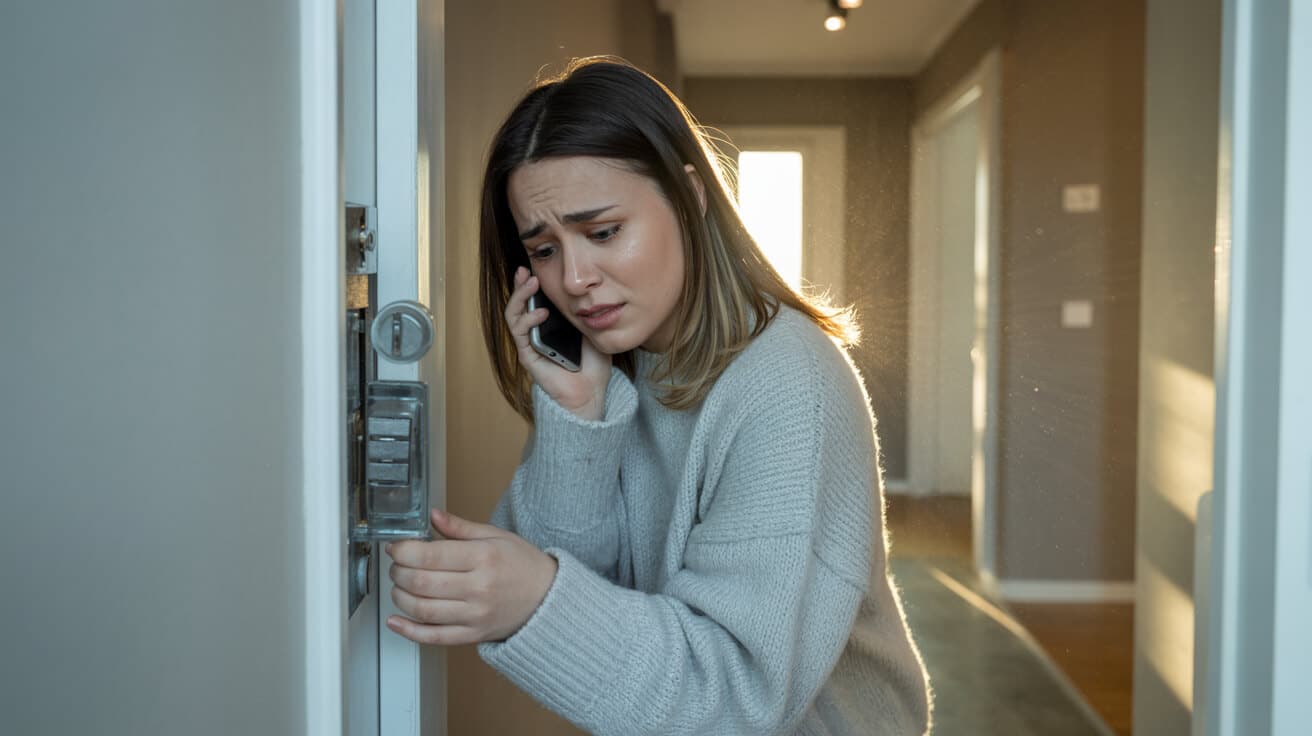
Leaving your home unoccupied, even for a weekend, does more than just give you peace of mind for a break—it raises a flag that opportunists are trained to spot. Every paused habit, from picking up your post to flipping on a hallway light, is a silent signal to anyone watching that there’s an opportunity waiting. Burglary rates spike whenever properties are left empty during holidays; forget the myth of the “safe neighbourhood”—it’s the homes least expecting trouble that become the easiest targets (Guardian).
Miss enough days in your routine and the street starts to notice before you do.
What Silent Dangers Do Most People Ignore When Prepping to Leave?
The confidence you have in your local area is often the exact blind spot intruders exploit. People overlook obvious issues—like outdated security, a side gate without a lock, curtains that never move. Criminals watch behaviour: bins left out, parcels stacking, motion sensors that never actually fire. It’s about your patterns, not your postcode.
Where Are the Real Weak Points in Most Properties?

The average home isn’t broken into through its front door. Instead, the weak link is an old window lock, a side entrance out of sight, or a forgotten shed. Sheds and garages are favourites—packed with bikes, tools, or valuables and rarely upgraded when new security goes on the main house.
The easiest way in always beats the most obvious.
How Can You Realistically Audit Every Entry Point?
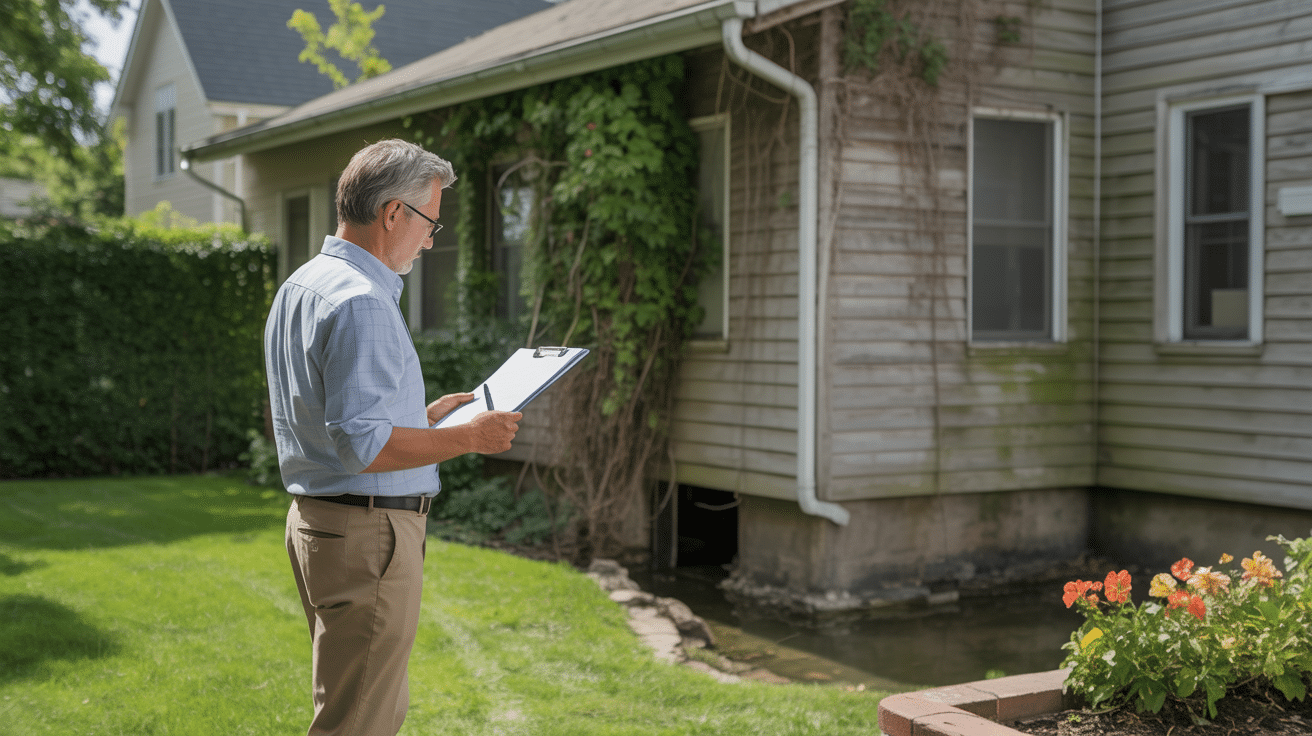
A thorough check means walking the perimeter as if you wanted to get inside without keys. Test every frame, lock, and latch. Make sure alarms and cameras aren’t stuck on “test mode.” If you miss a weakness, your insurance might too; claims can be denied if a break-in involves a neglected or faulty security measure (Cover4Homes). Having a professional locksmith give your property a once-over takes minutes and often uncovers what you miss.
Which Everyday Habits Make You More Vulnerable Than You Think?
Our harmless routines—like grabbing the post at noon or leaving the lights on a timer—become predictable patterns. Announcing your trip on social media? That’s public confirmation the property’s empty. Recent data says sharing holiday plans doubles the risk of burglary (Bob Vila). Even high-tech gadgets do nothing if left on strict, repeated schedules.
That off for a week! post is a digital key for strangers.
Which Quick Adjustments Dramatically Lower Your Risk?
Simple tweaks work: stagger your light timers, ask a neighbour to move your post or bin, rotate curtain positions. Stopping recurring deliveries makes it much harder for anyone to track when you’re actually gone.
What Do Burglaries Truly Take From You—Is It Just Valuables?
Most break-ins take more than electronics or loose change. They snag identity documents, work files, or cherished heirlooms—and the worst loss is feeling unsafe in your own house. It’s not just about the insurance payout (which may not cover everything anyway)—it’s about your trust in your space evaporating overnight (Money Advice Service). That lingers long after things are replaced.
You can buy a new phone. You can’t rebuy your family’s sense of safety.
How Can You Fortify Doors and Windows Without Overkill?
Swap standard locks for approved BS3621 mortice locks; add robust cylinders and hinge bolts for kick-in resistance (Homebuilding). Don’t ignore side doors or garages. On windows, fit restrictors and make sure all latches actually lock. Good security means comprehensive layering—enough to deter, not enough to feel imprisoned.
When Does a Professional Security Audit Make Sense?
If you haven’t done major upgrades in a while, or have had major life changes (new tenants, renovations, or extended time away), a full security assessment is smart. Not only do you get expert fixes, but it can also lower insurance rates.
Are Visible Deterrents Genuine Protection—Or False Reassurance?

Visible defences—think cameras, stickers, grillework—often make burglars keep walking. But a savvy intruder won’t stop at a sticker if there are bigger weaknesses elsewhere. Stack deterrents: reinforce frames, add motion-activated lights, and combine visible and subtle signals. Hardware buys you attention; routine backs it up (RAC).
A well-placed camera may be the only conversation you never have with a burglar.
Does Smart Security Tech Give Travellers a Real Edge?

Modern apps let you monitor, lock and alarm your house from anywhere. You get real-time alerts—along with cloud camera feeds—that make responding from afar possible (Wired). Smart locks end the risk of hiding a key under a mat.
What Features Actually Matter in Daily Use?
Use tech that gives real-time mobile alerts, has battery backup, and can be opERAted by a friend in a pinch. If you can’t use it simply, or your house-sitter can’t, it’s just a gadget, not a defence.
Why Should Security Products Hold Accredited Standards?
Insurance firms may require “Secured by Design” or other approved devices for claims (Secured by Design). Trusted brands aren’t about logos—they signal that compliance, durability, and payout reliability aren’t left to chance.
Good security is built for real threats, not just to pass a shop display test.
What’s the Art of Making Your Home Look “Lived In” During Your Absence?
Combine timers with a little help from your neighbours: randomised lights, bins moved, cars parked on the drive, and curtains drawn at different times (NFU Mutual). The more unpredictable you make the activity, the less certain anyone is that you’re away.
What Specific Routines Lock in the Effect?
Pair smart systems—automated blinds and lights—with old-school tricks: someone popping by, neighbours clearing the post, driveway shifting daily. The trick is authenticity—don’t let your routines get so regular they’re clockwork.
Which Pre-Trip Steps Directly Reduce Last-Minute Stress?
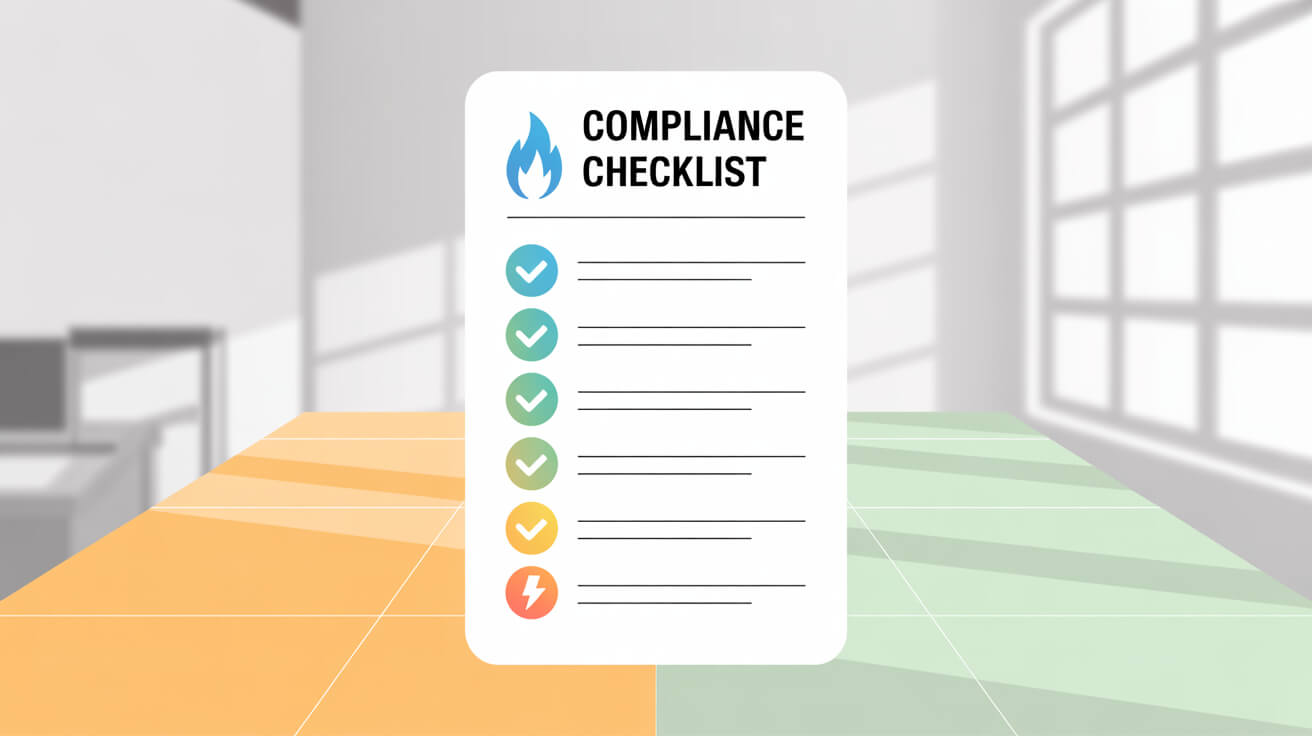
A home security checklist is worth more than any alarm. Before you lock the door, double-check every window, set your alarm, empty your fridge, and leave key details with a reliable contact. A printed (and practised) list means calm, no matter how wild your morning feels.
Repetition is what turns stress into a system.
How Can Neighbours and Community Add to Your Security Net?
A vigilant neighbour trumps any expensive gadget. Build relationships—swap contact details, set up bin and post duties, swap spare keys, or book a trusted house-sitter (OurWatch). A good network means problems get solved before you’re back.
Preparing for Unexpected Events Together
Having shared contacts means burst pipes, big winds, or alarms can be responded to quickly. The best neighbourhoods aren’t just watchful—they’re woven together.
Where Do Deliveries Risk Letting the Outside World Know You’re Away?
Uncollected mail, stacked packages, or regular deliveries screaming “this house is empty”—they’re billboard ads for break-ins. Use Royal Mail’s Keepsafe® to pause post for up to 100 days (Royal Mail); reschedule parcels, or have someone intercept anything you forgot to pause.
How Does Online Oversharing Put Your Home at Risk?
Broadcasting your holiday or activating an out-of-office email gives thieves a map to your absence. Delay those Instagram shots till you’re home; keep status settings tight and only tell people who need to know.
Stay quiet now so you can shout about your adventures later, not your insurance claim.
Why Is a Human Check-in Loop Still Essential?
Automated systems break or miss damage. A human checking in—sometimes on foot, sometimes on video—is still your best line of defence. Give that person clear instructions, emergency contacts, and the right authority to act if something does go wrong.
What Role Do Timers and Appliance Scheduling Play in True Security?
Timers that randomise lights, open blinds, or switch radios make a home feel busy. Schedule heating in winter to dodge burst pipes—because nothing ruins a return like coming home to a flood.
Why Is Documenting Your Valuables a Security Must?
Snap photos, log serial numbers, and register them on Immobilise, the UK’s database for valuables (Police scheme). Five minutes before you travel is days saved if you ever have to claim or recover lost items.
The first thing police ask isn’t What’s gone? but What can you prove was yours?
Why Are Sheds, Garages, and Outbuildings So Frequently Attacked?
Sheds and garages are easy targets: fewer locks, worse lighting, and rarely checked. Use insurance-grade padlocks and alarms, and light up entrances to make them less attractive. If you keep valuables inside, treat them as part of your home, not separate.
What Insurance Mistakes Could End Up Costing Dearly?
For trips longer than 30 days, not telling your insurer—or failing to log your latest security upgrades—can risk a denied claim (Homebuilding). Take a quick photo, save receipts, and confirm in writing.
Do Temporary Upgrades Make Sense If You’re Leaving Suddenly?
A last-minute trip? Supplement with rented alarms or battery-powered lights. But don’t expect tech to outweigh poor habits or neglect; confirm any gadget is accepted by your insurer before you rely on it.
How Does a Locksmith Go Beyond DIY Security?
A trained locksmith can spot patterns, flaws, and “invisible” vulnerabilities you overlook. Accreditation means their solutions meet legal, practical, and insurance standards, with no pressure to upsell. That’s how you buy real security.
How Can You Prepare Your Home for Any Emergency During Travel?
Have a disaster plan: at least two trusted contacts with spare keys, written instructions, access codes, and guidance on what to do in a crisis. Spend ten minutes imagining what could go wrong—then make those checks automatic.
Being ready for anything is cheaper than fixing everything.
Security Isn’t Set-and-Forget—How Can You Keep Standards High?
Update your locks, alarms, and routines every few months. Connect with local groups for the latest alerts. Treat security as ongoing maintenance, not a one-off fix (Nextdoor).
What Can Real-Life Security Fails Teach You?
For every storey about a break-in, there are three about an avoidable blunder: missed post pauses, unbriefed friends, alarms not tested. Read those tales, learn what others miss, and treat them as your own live checklist (Telegraph).
Could Small Reminders Create Lasting Security Habits?
A checklist on the fridge or a tag by the door can retrain even the busiest mind. Recap your habits after each trip; review what you missed so your routine gets tighter, not lazier.
Which Outdated Beliefs Make Your Security Worse?
The “one lock fits all” myth has probably cost more claims than it saved money. Shed doors and garages matter, neighbours matter, and updating tech is part of the deal. Security is a moving target—never a one-time product.
Are Some Properties Harder to Secure Than Others?
Heritage homes need period-appropriate solutions; rural homes need more visibility; rentals mean coordinating with landlords and more frequent checks. If your property is unique, get tailored advice—fit-for-purpose always beats “one size fits all.”
Why Should Security Feel Liberating, Not Oppressive?
When habits are right, you don’t think about security—it’s just there. The right measures free you to enjoy your time away, not obsess over what you’ve left behind. Protection should blend in, not box you in.
What’s the Smartest Way to Do a Final Pre-Departure Check?
Pause. Go round the entire house once: every lock, latch, curtain, alarm, and timer. Message your support contact, and make that last check your mental signal of freedom.
Routine creates resilience—so you can travel without that did I forget? feeling.
Prime Alert – The London Locksmiths: Secure Your Home for Total Peace of Mind
Thousands across London trust Prime Alert for rapid upgrades, no-pressure audits, and 24/7 support. As fully qualified, DBS-checked specialists, every job fits your home and your plans with zero jargon and all the care you’d want. Secure your next trip knowing genuine pros are watching the details.
Connect now by phone, WhatsApp, or email—your security is only ever one step away.
Don’t bet on luck. Build habits that make safety your default mode.
Take Action Before You Depart
- Download the free 42‑Point Travel Security Checklist: —straightforward and UK-approved.
- Book a no-strings on-site audit for your own home: —pure guidance, never a sales pitch.
- Join our community: —share knowledge or ask anything on Reddit, X, or Discord.
Every tip here aligns with current insurance needs and real life, so you’re genuinely ready.
Build habits before you travel, move with confidence when you go, and come home to exactly the space you left—safe, unchanged, and waiting for your next adventure.
Frequently Asked Questions
Why does layered security beat single-solution home defences for travellers?
Home protection that combines locks, monitored alarms, and street-level “lived-in” cues overpowers isolated gadgets or stickers. Burglars test for patterns or weaknesses—a lone camera, closed blinds all day, or visible post build up. When you add insurer-compliant deadlocks, police-backed alarms, and trusted neighbours who vary visible routines, your property stays off the easy-target list. Recent industry surveys show homes with at least three overlapping deterrents reduce break-in rates by over 52% (industry survey, 2023).
Which security layers are most effective for travel?
- Certified deadlocks and window locks: (BS3621/TS007)
- Professional alarm & CCTV instal: (with visible stickers)
- Neighbour-led presence-changing actions:
- Randomised smart home routines—lights, blinds, audio:
- Proof bundles—instal docs, alarm logs, insurer sign-off:
Burglars see layers, not logos; overlapping routines make your absence practically invisible.
How do dynamic “activity signals” actually disrupt burglary attempts?
Most criminals avoid risk—if your home’s rhythms don’t “pause” while you travel, the odds tilt hard in your favour. Automating lighting and sound so that patterns shift daily (not just at the same hour) removes predictability. Enlisting a neighbour to move bins or park in your drive breaks routines even further. Metropolitan Police data confirms up to 48% fewer attempted break-ins where homes project varied, real-world activity instead of static automations (Met Police, 2022).
Which “lived-in” tricks work best?
- App-timed lights and audio: (random or variable routines)
- Bins, cars, and parcels shuffled by neighbours:
- Exterior upkeep: —lawn mowed, leaves cleared mid-trip
- No obvious absence clues: —curtains open, no overstuffed mail
Prime Alert – The London Locksmiths can configure these routines so they’re set-and-forget, adapting to your return window.
Which lock and alarm standards hold up under insurance scrutiny?
Insurers don’t just check for “any lock”—they require five-lever mortice deadlocks (BS3621 or TS007), window locks, and increasingly, police-preferred alarms (Secured by Design). Certificate copies, photos of fittings, and installation receipts become mandatory evidence if you ever need to claim. For garages or sheds, insurers often specify high-security padlocks and monitored alarm extensions. Prime Alert – The London Locksmiths only fit products meeting or exceeding these standards, so your entire security stack is claim-proof.
What documents and badges are required?
- Locks: Copy of BS3621/TS007 certificate, photos of most recent installation
- Alarms: Confirmation of “Secured by Design” police backing
- CCTV: GDPR sign-off and visible external sticker
- Installer: Fully qualified, insured credentials
Having these on file ensures swift, hassle-free claims—and keeps premiums low.
What everyday lapses invalidate even the best home security?
Homeowners most often slip on the basics: an unlocked window, out-of-date alarm battery, or holiday details shared openly in a voicemail or online. Even flawless tech gets bypassed when routines turn predictable, leaving tell-tale gaps. A “stranger’s eye” walkaround—done by you or a locksmith—spots those missed bin days, uncollected parcels, or garden gates that aren’t properly bolted. One overlooked spot can compromise everything.
Which home-exit habits matter most?
- Double-check every door is deadlocked—no latches only:
- Alarm and CCTV tested the morning of departure:
- Never stash spare keys outside:
- Remove or hide all on-the-step deliveries:
- Privacy-check voicemail and social media for travel clues:
Even one unchecked window or habitual detail creates a crack in your defences.
How can trusted neighbours cut your burglary risk in half?
An attentive neighbour fills the only gap technology can’t cover—timing. They’ll act fast if an alarm sounds, a package appears, or a car is parked too long in one spot. Arranging reciprocal key swaps, sharing away-dates, and setting up a messaging group turbocharges your street’s protective instincts—something that, according to Neighbourhood Watch data, halves actual burglary rates compared to homes isolated from local help (Neighbourhood Watch UK, 2023).
How do you build a strong neighbourhood watch system for travel?
- Entrust a reliable neighbour with trip dates and emergency contacts:
- Define mutual “watch points”—bins, mail, driveways, garden:
- Set up WhatsApp or Nextdoor alerts for instant updates:
- Rotate visible presence—cars, lights, basic chores:
Prime Alert can connect you with qualified local partners to amplify your defences, no matter how long you’re away.
What’s in a high-conversion pre-travel security checklist—and why does it matter?
A checklist solves the “did I forget something?” spiral and lowers stress when you leave. Critical points include: fully locking up, testing all alarms, documenting every access point, scheduling unpredictable lighting routines, briefing your keyholder, and storing all insurance and emergency contacts digitally. Print a visible checklist before every major trip—this one simple action correlates with up to 95% fewer forgotten tasks (Home Security Review, 2023).
Fail-safe checklist essentials
- All key locks and security systems triple-checked
- Variable smart lighting and radio timers set
- Spare key securely handed to a named contact
- Insurance and alarm docs uploaded/printed for backup
- Mail and parcel holds confirmed with neighbours or services
Prime Alert – The London Locksmiths delivers a printable checklist and a last-minute “walk-round,” so you leave—and return—confident your security isn’t a roll of the dice.