What Happens During A Professional Home Security Survey
 What Happens During A Professional Home Security Survey

What Actually Happens During a Professional Home Security Survey—A Transparent, Step‑by‑Step Breakdown
When you think “security survey,” you might picture a bureaucratic checklist or a quick lap around your property. What really unfolds is something much more practical—and, if done right, transformative. A professional home security survey is not about selling gadgets but about exposing risks, validating your strengths, and handing you a clear game plan that preserves your budget and your peace of mind. Here’s what you can expect from the process, stripped of jargon and spin.
Why Isn’t a Security Survey Just Another Box‑Ticking Exercise?

It all comes down to intent—and experience. Real surveys start with the human side: your routines, your anxieties, your wishes for your property. The surveyor isn’t just filling in forms; they’re translating your daily reality into a protection strategy mapped to actual vulnERAbilities (not just theoretical risks).
“Security makes sense only when it fits how you live and work, not how someone says you should.”
Surveyors probe, politely but purposefully: Who’s coming and going? When do you feel uneasy? Are there moments you worry about lost keys, deliveries, or after‑hours access? This human factor shapes every step downstream.
What’s the First Thing a Surveyor Looks For—and Why Should You Care?

Surveys begin outdoors, where most threats start. It’s not about “is the gate locked?”—it’s about, what would an opportunist notice?
- Are backyard gates or fences leaning or easy to scale?
- Can shrubbery, bins, or building clutter conceal someone trying to avoid notice?
- Is the path in darkness at night, or are faulty lights going unrepaired?
- Do boundary lines make it obvious your property is private and watched?
“Most break‑ins start with someone simply testing the easiest point of entry—outside is where risk planning should begin.”
Small signals—an unused side gate, a rusted latch, a dark corner—are invitations. Security surveys address these before they even reach your door.
Doors and Windows: What Gets Scrutinised Up Close?

Surveyors get granular here, because this is where most break‑ins succeed or fail. They’ll check:
- Front and back doors: material, integrity, frame anchoring, and British Standard locks.
- Windows: not just locks, but which are left open, have loose latches, or flimsy catches.
- Letterboxes, cat flaps, and parcel slots: can these be manipulated for fishing keys or reaching inside?
- Glass panels: toughened/laminated to deter smashing, or vulnerable and outdated?
A good surveyors explains every weak spot and offers fixes that often cost less than people think.
“Neglected windows or post slots aren’t minor design quirks—they’re top entry routes if left unchecked.”
Is Technology Just an Add‑On, or a Core Part of the Assessment?
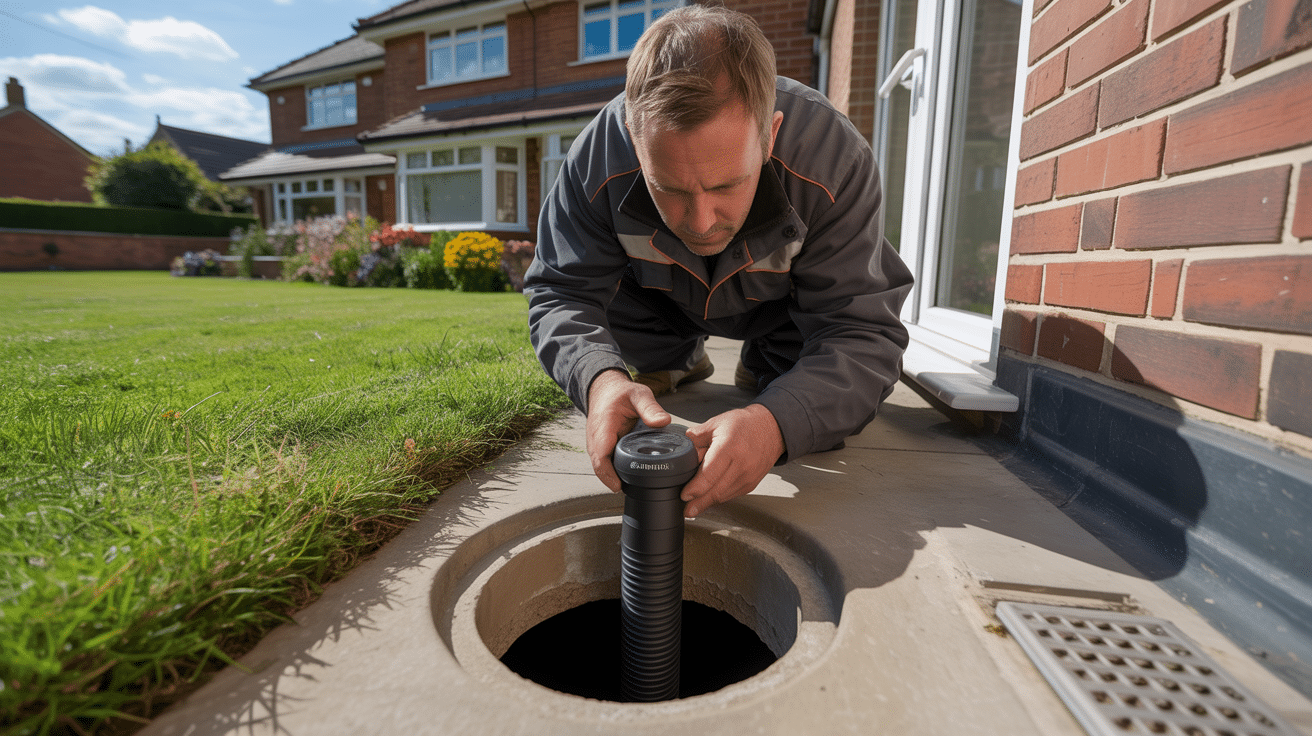
A reputable surveyor gets hands‑on with tech, too. Placement, coverage, and maintenance all count:
- CCTV: Does it capture all access points? Can tampering disable cameras? Are images clear in low light?
- Alarms: Are sensors actually active everywhere? Is there a working siren?
- Signage: Does it warn without annoying (and is it legal for your borough)?
- App‑connected locks or cameras: Are permissions reviewed and reset, or are ex‑tenants still able to login?
“Technology’s only effective if maintained, properly placed, and connected to day‑to‑day activity.”
Who Has Access—And How Do You Handle Key Control?

Key management rarely makes the top of the “what keeps you awake” list until something goes wrong. Surveyors track:
- How many physical keys exist—and who might still have one (ex‑tenants, contractors, past cleaners, etc.)
- For smart locks, who knows the code or has an app invitation? Has the lock ever been fully reset?
- Are key safes installed (and is the code changed after tradespeople finish jobs)?
Key control is about eliminating silent risks: one forgotten copy is all it takes to undo every other upgrade.
“No system is secure if old keys—or passwords—linger with people you barely remember.”
Sheds, Garages, and Outbuildings—Are They Overlooked?

Almost always. Yet they pose two major risks: First, they’re the easiest targets (unwatched, unlocked, less secure). Second, they often store tools that make attacking your main home simpler.
Surveyors will assess:
- Outbuilding locks and window quality.
- Visibility from the road—are valuables on informal display?
- Alarm or CCTV coverage—are sheds included, or blind spots?
- “Quick repair” fixes like hasps or padlocks that give a false sense of safety.
These areas are often the weakest link—closing this gap is one of the cheapest, highest leverage moves.
“It’s not about what goes missing from your shed; it’s what it arms someone with next.”
What Type of Report Should You Expect—and How is it Actually Useful?

Forget thick jargon‑dense paperwork. The best survey results give you:
- Photographs of issues (for insurance proof or future contractors)
- Priority‑ranked “traffic light” alerts (what’s urgent, what can wait)
- Simple, stepwise recommendations—often with cost estimates
- A readiness score or checklist you can reference (and update) over time
“A great report is both your repair roadmap and a shield if you ever need to claim or dispute.”
Insurers and letting agents take these seriously—sometimes they offer better rates, or less hassle, if you can demonstrate this diligence.
Do Security Surveys Actually Save You Money or Stress Long‑Run?
Absolutely—if you follow through. The tangible, verifiable benefits include:
- Lower insurance premiums thanks to documented risk reduction measures.
- Fewer costly emergencies—prevention is nearly always cheaper than late‑night callouts.
- Better resale or rental value: documented safety directly raises the appeal with buyers or tenants.
- Proof if something does go wrong, reducing disputes with insurers, police, or councils.
“Prevention isn’t just cheaper—it protects your reputation with neighbours, family, and clients.”
What’s the Real Value—And Who Should You Trust for It?
A professional home security survey positions you as diligent, responsible, and forward‑thinking—traits respected by neighbours, tenants, and insurers. The difference with Prime Alert – The London Locksmiths: their recommendations are deeply practical, shaped by hard experience in London homes and businesses—not imported from generic checklists or old regulations.
When you commission a survey, you’re not “auditing for the sake of it”—you’re building proof that your property, assets, and people are genuinely protected.
Act before gaps turn into headaches: Book your security survey with Prime Alert and see exactly where peace of mind begins.
“Knowing is half the battle—taking action is the other half. Control your risks—don’t just hope for luck.”
Frequently Asked Questions
What hidden risks are often missed in the early stages of a professional home security survey?
The first wave of a security survey doesn’t just check locks—it scans for where routine habits and physical defences blur. Prime Alert – The London Locksmiths dig into specifics like recurring access times, the pattern of service visitors, or the real use of shared doors and back entrances. These routines are mapped against your physical security to reveal silent gaps that DIY guides overlook. What’s at stake? It’s often something as subtle as an old backup key forgotten under a planter or a dog-walker with copy access. Professional assessors treat these “lifestyle soft spots” as high-priority openings for opportunists.
How do assessors identify vulnerability hidden in plain sight?
- Interviews surface stories of accidental lockouts, past scares, or new neighbours.
- Surveyors weigh property layouts against daily rhythm, looking for “background noise” entry points.
- This crosses the line from a checklist to a living, evolving map of where you’re strong—and where to reinforce for peace of mind.
A home’s security can be undone by one overlooked routine—until you’ve mapped them, you’re guessing at your risk.
How does a security survey expose outdoor weak points most homeowners miss?
Surveys start outside, examining the subtle flaws most property owners ignore—boundary weaknesses, poorly-lit walkways, unlocked side gates, or secondary buildings used “just for tools.” Prime Alert – The London Locksmiths check if hedges or bins obscure potential intrusion routes or let threats move undetected. Even strong locks mean little if your perimeter invites a quick hop-over.
Which exterior features get flagged immediately?
- Gates without robust fixings or with exposed bolts/hinges—easy to bypass.
- Outbuildings and sheds using non-standard, “budget” padlocks.
- Landscaping that hides approach routes or provides cover near doors and windows.
The result is a perimeter that’s less a line on a map and more a flexible shield—no false confidence, just clear priorities.
Why do some doors and windows demand urgent attention despite “good” locks?
Surveyors know that a British Standard kitemarked lock is only as strong as the frame or glass surrounding it. They test for warped wood, loose hinges, or old double-glazing that’s easily forced. Prime Alert – The London Locksmiths also spot issues like letterboxes with direct internal access or pet doors large enough for a hand. Even doors that “almost” latch can nullify all your other upgrades.
What hidden flaws often force immediate action?
- Sidelights or window panels that could be pried quietly.
- Letter flaps or cat doors exposing lock turners.
- Key cylinders with visible wear or “universal” cuts, signalling easy picks.
One weak point can undermine the security of your entire property—proactive upgrades keep you ahead of what tomorrow throws at your doors.
What digital blind spots can undermine expensive smart security systems?
Physical upgrades only go so far if digital blind spots creep in—outdated camera firmware, weak Wi-Fi passwords, or user codes left over from previous residents. Prime Alert – The London Locksmiths review whether digital systems are armed consistently, cover true entry points (not just the garden), and weren’t bought for the sake of “having an app.” Forgotten factory codes or unmonitored alerts can become invisible welcome mats for tech-savvy criminals.
Where do digital risks tend to linger?
- Doorbell cameras with unchanged default login credentials.
- Overlapping user accounts on smart locks or alarm systems.
- Security software never updated, exposing gaps even as hardware looks new.
Integrating the digital with the physical gives you a defence strategy as intelligent as the tools protecting your space.
How can your security survey report drive faster action—not just formal compliance?
A true value-add report from Prime Alert – The London Locksmiths isn’t a dense checklist—it’s an executive summary with visuals, traffic-light urgency coding, and a rank-ordered to-do list. Photos support each urgent item; insurance-friendly language connects recommendations to policy standards. Instead of generic advice, your report arms you for board meetings, landlord negotiations, or budget planning with clarity that’s hard to ignore.
How do actionable reports streamline improvements?
- Colour-coded urgency and risk, with next steps spelled out, not buried in footnotes.
- Visual “before and after” sections when prior issues have been resolved.
- Report language geared for real-world stakeholders—insurers, property managers, or facilities leads.
The best security report isn’t proof you did enough—it’s leverage to win approval and budget for the right improvements.
What are the long-term benefits of signing up for regular security checks with Prime Alert – The London Locksmiths?
Annual or bi-annual security reviews adapt your defences as your life changes. Prime Alert – The London Locksmiths identify package theft trends, workplace schedule swings, or new tech vulnerabilities—before they’re headlines. Regular records also satisfy insurance renewal, boost property value, and foster a sense of ongoing care that’s visible to new tenants, buyers, or oversight boards.
Why commitment to ongoing assessment pays dividends?
- Prevents risk gaps when habits, staff, or technologies change.
- Shows diligence for claims or compliance audits down the line.
- Builds a living “security logbook” that boosts your negotiating position during any sale or lease negotiation.
Turn periodic checkups from an obligation into your best advantage—schedule your next Prime Alert review and make every year safer than the last.