

 How To Adjust Upvc Door Hinges To Fix Alignment Issues
 How To Adjust Upvc Door Hinges To Fix Alignment Issues
How Can You Fix uPVC Door Alignment Problems Without Guesswork?
A misaligned uPVC door isn’t just a mild annoyance—it’s bleeding away warmth, inflating bills, and sending subtle signals that security might not be airtight. If your door sticks or won’t lock effortlessly, don’t chalk it up to “character.” Smart property owners and managers tackle these hints fast, locking in comfort and value without falling into repair roulette.
That stiff handle is your house’s way of saying, Pay attention now, or pay double later.
What Makes uPVC Doors Lose Alignment—and What’s at Stake?
uPVC doors wage a daily battle against shifting temperatures, determined kids, and settling buildings. Every slam, every heatwave, every cold snap—all inch hinges out of perfect alignment. Nearly 70% of uPVC doors need some adjustment within five years of installation (windowfixers.london). Leave a misaligned door alone, and you welcome draughts, water ingress, and in worst cases, invalidate your home insurance if a break-in exploits that gap.
Most repairs get expensive when you keep ignoring the just a little draught stage.
How Do You Spot the Early Warning Signs of Door Misalignment?
Get ahead of trouble—don’t wait until the door jams.
- Difficulty closing or locking the door smoothly
- Uneven gaps or visible daylight around the edges
- Scraping or grinding noises as you open or close
- A wobbly, stiff, or “gritty” handle
- Using a spirit level, a gap of even 2mm means you’ve got a shift ([yell.com](https://www.yell.com/know-how/how-to/how-to-adjust-a-upvc-door-a-step-by-step-guide.html?utm_source=openai))
If you hesitate every time you lock up, your door’s asking for your help.
Do Weather and Everyday Use Cause Most uPVC Door Problems?
Absolutely. Sun heats door frames until they swell; cold snaps pull materials tighter, especially on south-facing entryways. Everyday traffic compounds the effect—every push, every pull means hinges creep out of spec. Combine that with occasional rough installation, and you’ve got the recipe behind at least 30% of all first-year door issues (atcl.co.uk). Prevention is cheaper than the annual “Why is my door stuck?” drama.
How Can You Visually Check uPVC Door Alignment—No Tools Needed?
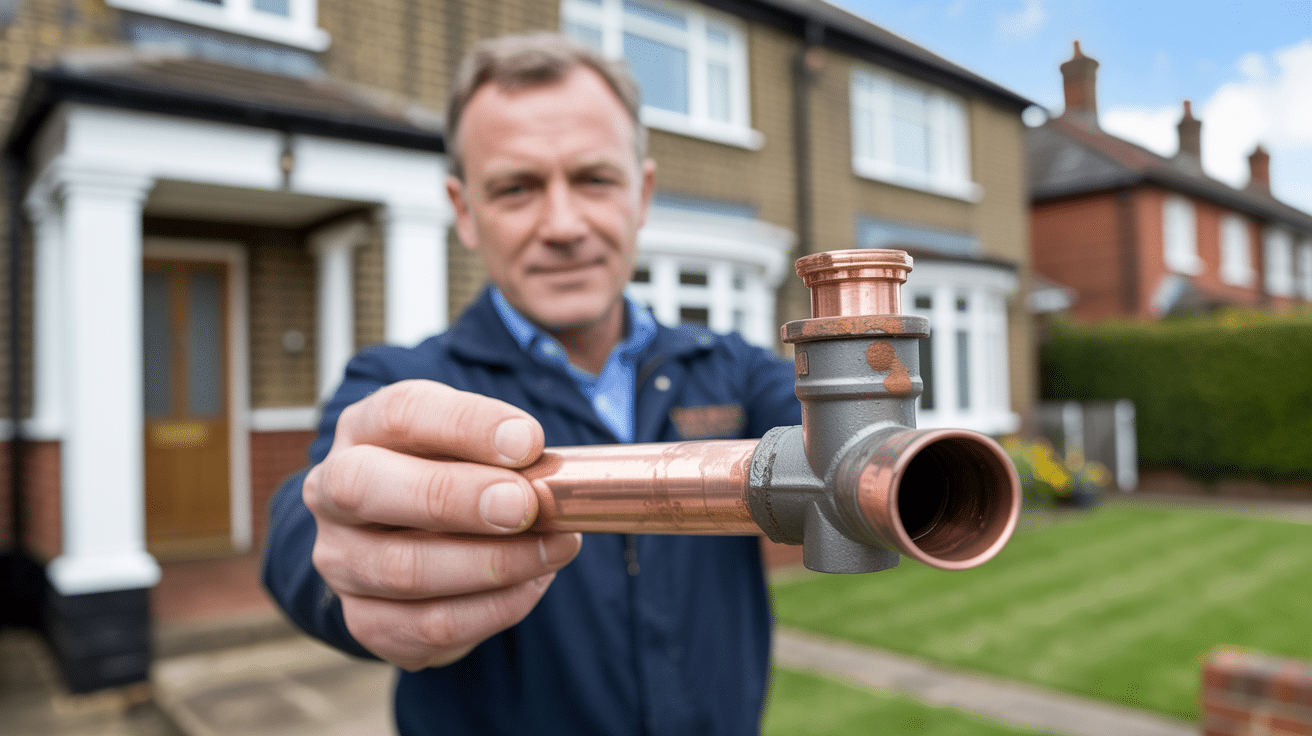
Skip the trade jargon—use your eyes and instincts.
- Gaps: Are they uniform? Twins on both sides?
- Light leaks: See daylight at corners or along edges?
- Draught: Wave your hand near the seals; feel a chill?
- Handle: Should run smooth as silk
Snap a quick photo today—it’s the perfect “before” shot if you ever need to check for changes (ironmongerydirect.co.uk).
What Tools Will Make Adjusting a uPVC Door Hinge Much Easier?
Resist the urge to improvise—lowest hassle comes from the right kit:
- 4mm or 5mm Allen keys: (the industry workhorses)
- Standard cross/flat-head screwdrivers: for cover plates and trim
- Spirit (bubble) level: for true readings
- A lamp or torch: reveal minuscule misalignments
- Silicone spray: (never regular oil)—keeps things gliding ([checkatrade.com](https://www.checkatrade.com/blog/how-to/adjust-upvc-door-hinges/?utm_source=openai))
Ten minutes finding proper tools means you won’t spend Saturday hunting for misplaced screws.
What Are the Real Risks of Ignoring Door Misalignment?
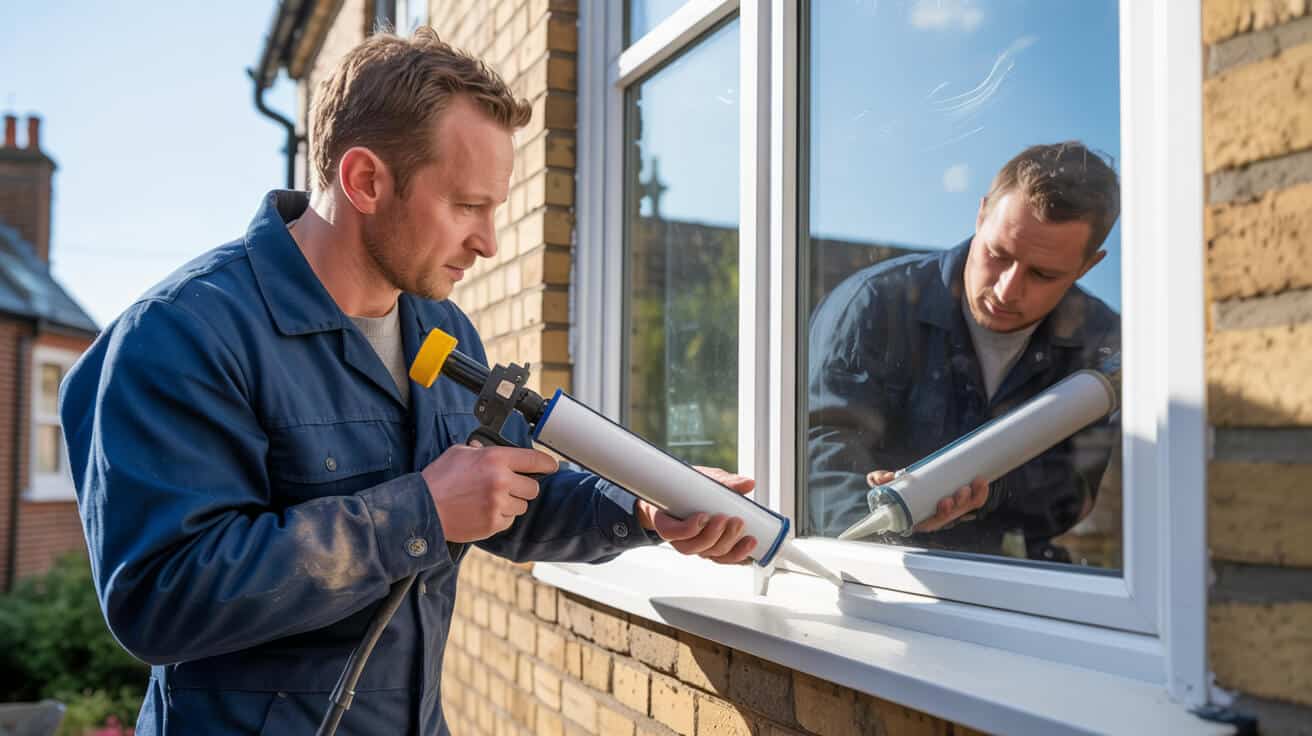
The costs multiply: lost heat equals higher bills; water and wind mean hidden structural decay; a loose fit invites both unwanted guests and insurance headaches (countysecure.co.uk). Even your home’s first impression drops a notch. When small tools could have fixed it, don’t let pride write you a bill for a new frame.
Should You Attempt DIY Adjustment—or Is a Locksmith Safer?
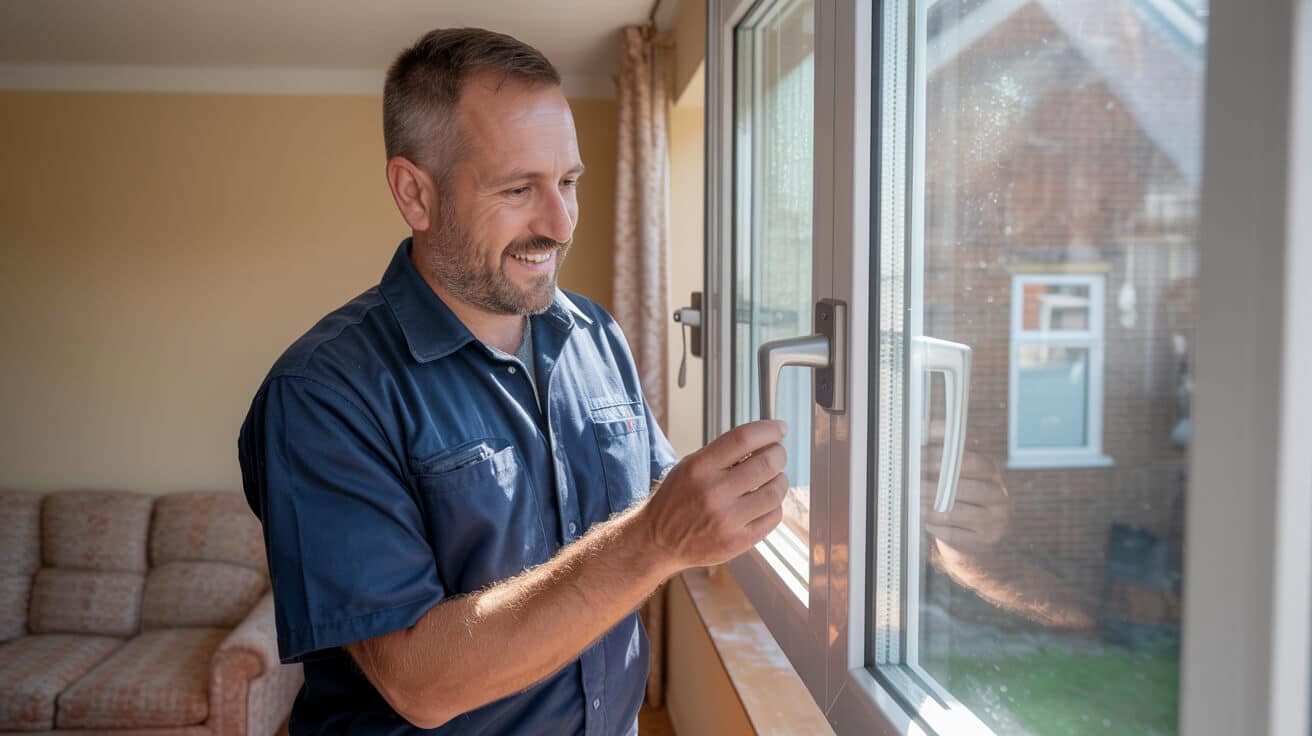
DIY is smart—if the door mostly lines up and you’re handy with small tools. However, call the pros if:
- The lock refuses to bite, or the misalignment returns days later
- Visible damage: cracks, bulges, or warping
- Rental and shared properties (compliance beats shortcuts)
Your insurance (and sleep) both value a documented, professional fix (windowfixers.london).
Peace of mind shows up quicker when you don’t guess.
Why Is Hinge Type Important for Effective Door Adjustment?
Because not all hinges offer equal fixes:
- Flag hinges: Top marks—allow multi-direction adjustments (height, latERAl, compression)
- Butt hinges: Traditional, minor tweaks only (often limited to small height changes)
- T-hinges: Found on heavier, often older doors; some side-to-side play
- Concealed or specialty hinges: May demand unique tools and expertise ([ironmongerydirect.co.uk](https://www.ironmongerydirect.co.uk/blog/how-to-adjust-upvc-door-hinges?utm_source=openai))
Match your adjustment to the hardware—or risk stripping expensive fittings.
What’s the Safest Way to Prep Before Adjusting uPVC Hinges?
Think “prevent disaster; don’t create one.”
- Keep the door braced to prevent accidents mid-fix
- Lay dust sheets to catch errant screws
- Photograph each hinge position—snapshots make reversals easy
- Stash screws and little bits in a bowl, not your pocket
- In shared spaces, get the green light from all parties ([atcl.co.uk](https://www.atcl.co.uk/upvc-doors-not-closing-properly/?utm_source=openai))
Missing one prep step usually means doubling your workload.
How Do You Identify the Type of Alignment Issue? – Step 1
- Bottom sag: Looks and acts like a vertical drop
- Scraping, especially sideways: Indicates lateral misalignment
- Draughts or seal gaps: Means compression is off (tightness against the frame)
- Door looks twisted: Might require frame repair, not hinge tweaks ([yell.com](https://www.yell.com/know-how/how-to/how-to-adjust-a-upvc-door-a-step-by-step-guide.html?utm_source=openai))
Get your diagnosis right—don’t adjust blindly hoping for the best.
Which Tool Does What in the Door Adjustment Process? – Step 2
- Allen key: For up, down, left, and right adjustments. The MVP
- Screwdriver: Removing covers and tuning trim
- Level: Constantly checks your success
- Force: Is never required—stop, check, and reconsider if you’re straining ([checkatrade.com](https://www.checkatrade.com/blog/how-to/adjust-upvc-door-hinges/?utm_source=openai))
The best repairs feel easy—if you’re fighting, you’re not fixing.
How to Move Hinges for Alignment—Step 3
Precision, always.
- Use the Allen key gently—quarter turns, never cranks
- Vertical adjustment: Start with the screws at the hinge’s top or base
- Lateral tweak: Find the side screws, nudge as needed
- Compression: Adjust for snug fit—just enough, never forced ([windowfixers.london](https://windowfixers.london/fixing-upvc-door-issues/?utm_source=openai))
After each change, test the swing. If the improvement isn’t obvious, stop and reassess.
How Do You Know You’ve Fixed the Alignment?
When the door swings closed, seals tight, locks sweetly, and sits flush—all without resistance, you’ve nailed it. Run a quick level check and scan every seal for gaps or daylight (sdmdoors.co.uk).
The right adjustment makes a stiff door feel showroom-fresh.
Final Touches: Lubrication and Clean-Up
Wrap up how you started—carefully.
- Apply silicone spray to keep everything slick and corrosion-proof
- Reinstall every screw and trim cover; open covers become water traps ([doorsuppliesonline.co.uk](https://www.doorsuppliesonline.co.uk/blogs/news/how-to-properly-adjust-the-hinges-on-a-upvc-door?utm_source=ope))
- Take a quick post-repair photo for future reference
If the lock or swing still fights you, bring in backup.
Are Small Adjustments Really Better Than Large Ones?
Always. Over-adjusting stresses frames, strips expensive hardware, and breeds new problems. Fixes should be small, reviewed between tweaks, and checked a week later. Five minutes yearly beats five hours “someday” (yell.com).
If the Problem Keeps Returning, What’s Really Going Wrong?
Repetition is a warning. Recurring misalignment can signal foundation issues, warped frames, or deeper property movement. In flats, rentals, or communal doors, repeated problems demand a survey—sometimes, only a pro can resolve root causes (atcl.co.uk).
Why Are Routine Hinge Checks Worth the Effort?
Annual “door health” runs—level, gap check, and light lube—give enormous payback. They prevent dodgy seals, stuck locks, and landlord headaches before move-out inventories. Landlords score higher with tenants, and property owners show buyers a home cared for (windowfixers.london).
Troubleshooting Table: Fast DIY Guide
Quick reference:
| Symptom | Likely Fix | Tool |
|---|---|---|
| Bottom draught | Raise hinge | Allen key |
| Side scraping | Lateral adjust | Allen key |
| Loose closure | Tighten compression | Allen key |
| Lock won’t close | Adjust vertical | Allen key |
| Uneven corners | Call pro | — |
No progress after two rounds? Bring in the experts (checkatrade.com).
Which DIY Mistakes Do Homeowners Make Most?
- Over-tightening screws: Leads to cracks and stripped threads
- Skipping the level: “Guess and check” is a losing strategy
- Wrong lubricant: WD-40 degrades seals; use silicone-based only
- Leaving off trims: Means water ingress and future rust
- Fixating on hinges for lock issues: Sometimes the culprit is a fatigued lock cylinder ([doorsuppliesonline.co.uk](https://www.doorsuppliesonline.co.uk/blogs/news/how-to-properly-adjust-the-hinges-on-a-upvc-door?utm_source=ope))
The I’ll just give it one more turn trap costs more than calling for help.
Will Upgrading Hinges Prevent Future Alignment Problems?
Modern flag hinges and self-lubricating models offer smoother adjustments, last longer, and deter wear-and-tear. Insurers may discount for upgraded, rated fittings. For best results and less drama, leave upgrades to the pros (ironmongerydirect.co.uk).
Do Legal and Safety Standards Affect Your Responsibility?
Yes. Landlords and building managers must document working exterior doors—noncompliance voids insurance, flouts fire regs, and confuses emergency responders (checkatrade.com). Keep records, share work logs, and don’t cut corners—tenants, agents, and regulators are watching.
Will Alignment Help Improve Energy Efficiency?
A perfect seal reduces heat escape, stops draughts, and improves both comfort and monthly costs. Proper alignment can shave up to 15% off heating bills (windowfixers.london). A good EPC rating isn’t just marketing—it’s money in your pocket.
Are Secure Hinges a Real Barrier Against Burglaries?
Burglars love opportunity. Gappy, rattling doors shout “Easy pickings” even louder than an old lock. Properly aligned hinges stop casual force and reinforce your insurance compliance (countysecure.co.uk). Security starts when the door fits perfectly.
Does Proactive Upkeep Pay Off for Homeowners and Landlords?
Properties with smoothly operating doors impress everyone—buyers, tenants, even agents. Maintaining hinges helps with deposit disputes, cuts cold complaints, and raises valuations (sdmdoors.co.uk). Quiet, tight doors are a sign of ownership that cares.
What Changes for Shared Doors, Rentals, or Blocks of Flats?
For communal entryways or shared doors:
- Share work plans and maintenance logs
- Notify every resident (or tenant) before adjusting
- Hire accredited professionals for anything affecting safety or compliance
Proactive moves here aren’t just smart—they might be required.
Why Should Landlords and Managers Lead with Preventative Care?
Fast, honest fixes win tenant trust, appease insurers, and keep deposits whole. Leaders don’t wait for problems to explode—they stamp them out early, earning a compounding reputation for hassle-free living (sdmdoors.co.uk).
Where to Go for Help, Advice, and Further Support?
Pick from:
- Vetted locksmiths—many respond via WhatsApp or phone
- Community forums for first-hand tips
- Visual guides and step-by-steps—ideal for first-timers
- Always ask for Checkatrade credentials or proof of qualifications for real fixes ([checkatrade.com](https://www.checkatrade.com/blog/how-to/adjust-upvc-door-hinges/?utm_source=openai))
The right advice at the right time saves far more than the callout fee.
Where Can You Find Visual Step-By-Step Guides?
Reputable suppliers, YouTube creators, and user-reviewed guides offer:
- Clear diagrams and step lists
- Walkthroughs showing real fixes on real doors
- Forum feedback for crowd-tested solutions ([lovehandles.uk.com](https://www.lovehandles.uk.com/blogs/articles/how-to-adjust-upvc-door-hinges?utm_source=openai), [yell.com](https://www.yell.com/know-how/how-to/how-to-adjust-a-upvc-door-a-step-by-step-guide.html?utm_source=openai))
Record your own repair—you’ll thank yourself next spring.
Get Expert Help from Prime Alert – The London Locksmiths Today
Still fighting sag, sticking, or draughts? That’s your sign—get it sorted with no fuss. Prime Alert – The London Locksmiths are fully qualified, DBS-checked, fully insured, and rated by over 250 five-star reviews. They deliver fixed pricing, diagnosis via phone or WhatsApp, and real warranties that stand the test when others don’t. With same-day local service, you gain peace of mind and a door that feels brand new.
Free alignment checks with straight talk—no hidden fees, just results. Don’t wait for disaster—secure your comfort and safety with Prime Alert – The London Locksmiths.
Frequently Asked Questions
What causes a uPVC door to go out of alignment, even if it was just fitted?
uPVC doors shift over time due to natural house movement, routine use, and thermal expansion—regardless of flawless installation. Everyday factors like heavy winds, direct sun, or repeated slamming gradually pull hinges out of sync with the frame. Recent building surveys found that over two-thirds of UK homeowners need at least one professional hinge tweak in the first three to five years—often when unexpected sticking or draughts appear.
A hairline shift today can become tomorrow’s sticking point—small changes add up faster than you think.
How can real-world stresses cause misalignment?
- Consistent sunlight warms then cools the uPVC, subtly warping it
- Foundations settling, especially in older or converted properties
- Normal family use: energetic kids, delivery drops, or frequent opening
Which signals suggest your uPVC door hinges need prompt adjustment?
You’ll sense it if the door starts dragging against its frame or feels tougher to lock at certain times of day. A once-tight seal letting in a faint breeze or slice of daylight signals early movement. The handle needing a stronger pull—or making a faint creak—also means the hinges are inching out of alignment. Don’t ignore even a mild shift: left unchecked, minor resistance becomes a stuck door or failed lock.
What subtle clues demand attention before a breakdown?
- Handle needs lifting higher to engage deadbolt
- Light visible around the frame that wasn’t present before
- Occasional scraping at the base or sides
What are the safest tools for fine-tuning uPVC hinges at home?
You only need a 4mm or 5mm hex/Allen key, a medium Phillips screwdriver, and a small bubble level for most UK models. A torch exposes micro-gaps, while low-residue tape helps mark your starting point. Crucially, use silicone spray, never WD-40 or mineral oil—they degrade plastic and seals. Consult the manufacturer’s guide if uncertain; using a mismatched tool risks stripping vital adjustment screws.
Which tools protect, not damage, your door?
- Fit-to-size Allen keys (not universal sets)
- Clean, non-powered manual screwdrivers
- Soft work cloth to avoid surface scratches
How can you adjust each hinge axis without harming the frame or seals?
Start with the door at natural rest—prop it open and cushion the threshold. Photograph each hinge as a baseline. Adjust only a quarter turn at first: vertical screws raise or lower the panel, lateral ones shift it sideways, and compression screws control tightness against the seal. Always test the swing after every adjustment. Patience pays—over-rotating throws off the frame and compresses seals unevenly.
It’s precision, not muscle, that keeps your home protected—move slow, get it right, and double-check your work.
What’s the sequence for safe and smooth realignment?
- Vertical (height) tweak first, followed by lateral, then compression last
- Use the level to confirm both axes are true
- Leave nothing forced; a properly adjusted door glides closed
How do you identify which hinge screw controls up/down, sideways, or seal pressure?
Flag hinges on modern doors are coded: top screws usually adjust height, the main central set shifts left or right, and rear or hidden screws adjust how tightly the door meets its frame. If working from a guide, match the screw shapes and positions to your door’s model—manufacturers and local locksmiths can provide exploded diagrams or even phone support. Over-tightening just one axis often causes a fresh problem elsewhere.
What practical tips help you target the right adjustments?
- Label each screw’s function with sticky notes as you expose it
- Check diagrams online before trial-and-error
- If a minor tweak causes major trouble, stop and consult a trusted pro
When is it smart—or simply safer—to bring in a locksmith for uPVC alignment?
Persistent sticking, new locking problems, or doors that suddenly won’t close point to deeper issues than basic hinge drift—like warped uPVC, damaged locking gear, or sub-floor movement. For landlords and business owners, a misaligned entry can break compliance, threaten security, or void insurance. Prime Alert – The London Locksmiths swiftly resolve stubborn alignment issues using specialist diagnostics—saving you money and reputation risks.
You rarely get a warning before your door locks you out—professional help restores order and protects your property’s true value.


