

 What To Do After A Break In First Steps For Home Security
 What To Do After A Break In First Steps For Home Security
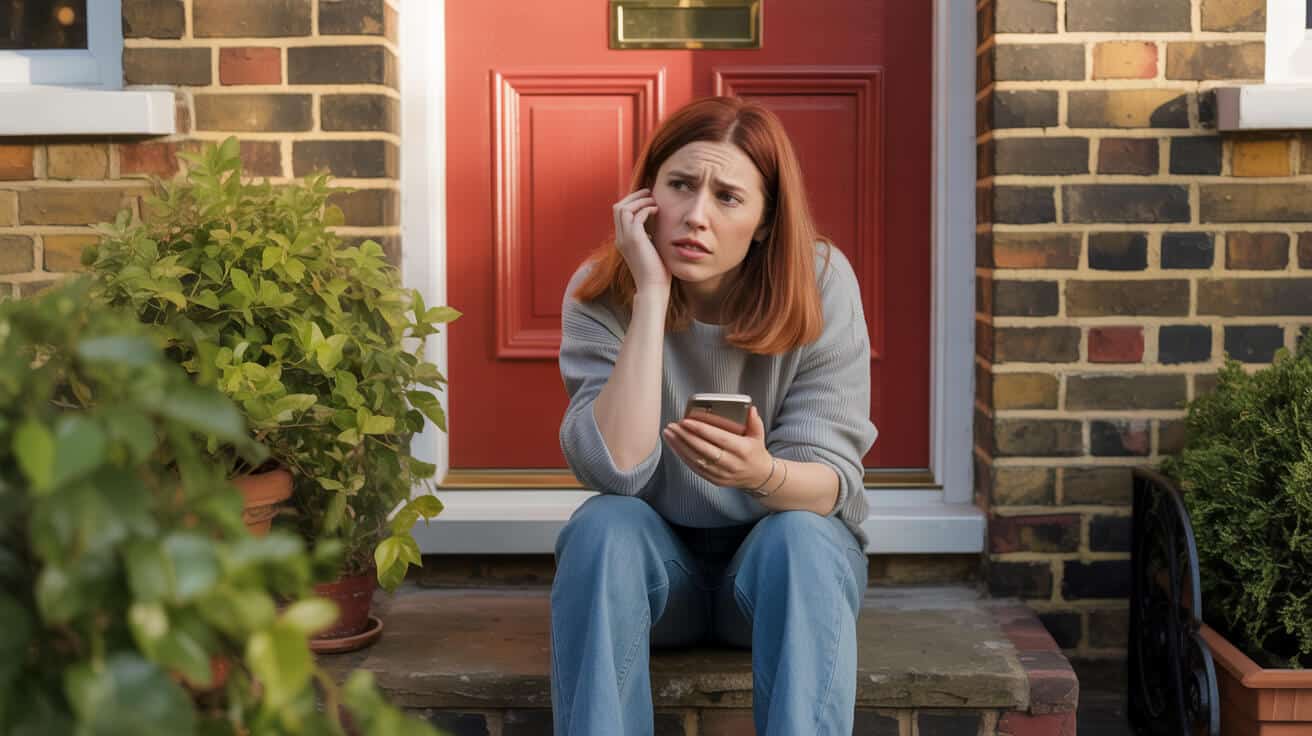
What Should You Do First After Discovering a Break-In?
A break-in flips your world upside down in a split second—suddenly, your home or workplace feels exposed. What you do in the next moments will lay the groundwork for your safety, your recovery, and how fast you feel in control again.
*Every minute you act smart, you take your power back from the intruder.*
Start with your immediate safety. Don’t go charging in—survey the area from a distance. Look for damage—broken glass, a forced door, or a kicked-in lock means risks are still present. Get family, housemates, or colleagues away from the scene. Your gut is your best tool: if something feels wrong, trust it and find somewhere safe like a neighbour’s home or a public spot. This isn’t just about property—your safety comes first, every time.
Should You Go Inside If Someone Might Still Be There After a Break-In?

That urge to run in and check everything? Ignore it. Never enter if you think someone could still be inside. The risk isn’t just losing stuff—it’s putting yourself in danger.
*No object is worth your life—playing hero only helps the criminal.*
Instead, watch the property from a safe vantage point and dial the police immediately. If you absolutely must check on kids, vulnERAble people or pets, do it with backup—never alone, always with your phone and a plan to retreat. Most importantly, don’t touch anything. Let police take the lead until they say you’re clear.
Who Should You Notify First When You Find a Break-In?

Once you’re safe, call the police first—that’s your top priority. If the break-in is in progress or just happened, dial 999. If you’ve come home to discover it after the fact, use 101. This gets official eyes on the scene quickly—boosting the chances of catching the culprit and supporting your insurance claim.
Keep the crime reference number the police give you. Insurers, landlords, and the authorities will need this for any next steps, so write it down and keep it close.
What Details Do Police Need from You?
- When you last locked up or checked in
- Anything unusual you noticed—sounds, scents, or out-of-place objects
- Details of any vehicles or people spotted near your property recently
Don’t clean up or “fix” anything before police say so—details matter, and a chaotic scene often holds the evidence that helps solve the case.
Why Is It So Important Not to Clean Up After a Break-In?
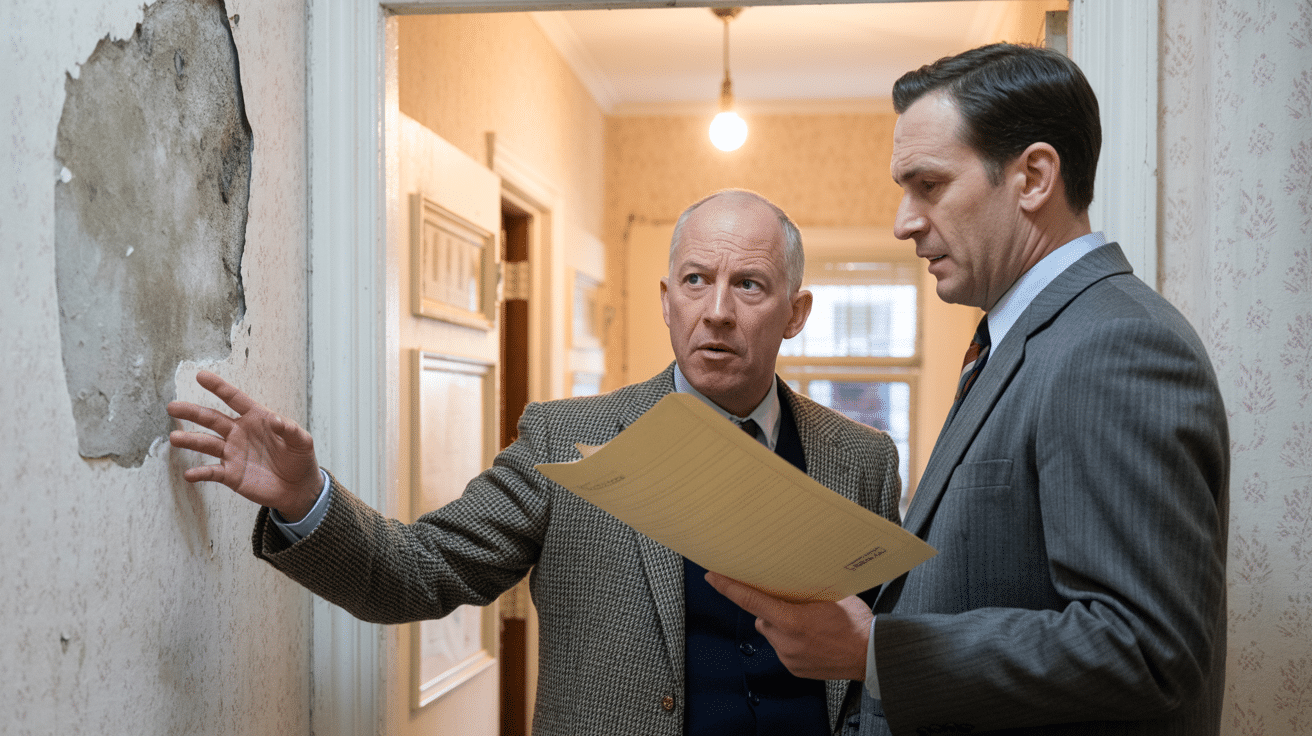
Your instinct will tell you to put things right—fight it. Touching, tidying, or moving things destroys the clues police need to help you. Fingerprints, footprints, and tool marks all vanish with a single wipe or step.
*Leave the mess; every smudge could point to the culprit.*
Let the police and forensics team do their jobs first. Inform any helpers—employees, family, friends—and wait for the all-clear before you start setting things straight.
What Documentation Should You Gather Immediately After a Break-In?

Documentation sounds boring until you’re dealing with insurance stress or police paperwork. Strong records turn confusion into compensation.
Take your phone and photograph every entry point, all visible damage, and the state of every room. Make a written list of anything missing—even “minor” things like keys or passports. Note makes, models, serial numbers, and—if you’ve got them—previous photos or receipts.
Why Are Details and Evidence So Valuable?
- Insurance pays faster: when proof is ironclad.
- Police can track stolen goods: with serial numbers and images.
- Your memory fades—photos and lists stay sharp.
When Should You Contact Your Insurance Company?

As soon as the police give you a crime number, get on the phone to your insurer—ideally, do it the same day. Waiting only slows things down and can raise red flags that stall or block payouts.
*Speed means you start healing—financially and emotionally—faster.*
Have your crime reference, photo evidence, and lists ready. Document every phone call, email, or letter, so you never get tangled in “he said, she said” if a dispute pops up.
Which Repairs Take Priority for Security After a Break-In?

Securing your property comes before anything cosmetic. Replace, repair, or barricade broken locks, doors, and windows with urgency—this not only defends your space but also shows insurers you’re serious about risk.
*The sooner you’re secure, the sooner you shrug off the intruder’s shadow.*
Best move? Use a vetted, fully qualified locksmith—most insurers insist on it for claims and future coverage. Save every receipt, snap photos before and after repairs, and file these away in case questions come up later.
What Steps Help Prevent Another Break-In?

One harsh truth: if your property looks vulnerable, thieves might return. Acting immediately and making changes—visible ones especially—shows outsiders your place isn’t an easy target anymore.
Quick Security Upgrades That Deter Next-Time Offenders
- Upgrade to British Standards (BS3621) locks
- Fit or update visible alarms and cameras
- Add external lighting and security grilles as needed
Insurers love this attention to detail—it can cut premiums or give you added peace of mind.
Does Booking a Security Audit Actually Help After a Burglary?
Absolutely. A professional security audit spots weak points you might never notice—especially when you’re frazzled from the break-in. Locksmiths and police bring calm, practical expertise that translates to real-world upgrades.
*A single overlooked flaw can make lightning strike twice—fix it now, not after.*
What Happens During a Security Audit?
The expert checks every entryway, window, lock, and alarm, compares them to current threats and standards, then hands you a tailored action list—from fast fixes to long-term upgrades.
How Do You Handle the Emotional Aftershocks of a Break-In?
No one talks enough about the emotional fallout. Shock, anger, fear, even the urge to move—it’s all normal. Ignoring it only lets the stress linger.
*Your security isn’t just bricks and bolts—it’s your ability to sleep at night.*
Take care of your mental state. Talk to someone—a friend, support group, therapist, or even your GP. Neighbours or colleagues who’ve “been there” can also help you process what happened.
Who Offers Emotional and Community Support After a Burglary?
You’re not alone, even if it feels isolating. Organisations like Victim Support, local crisis lines, or even community Neighbourhood Watch groups can provide guidance, practical steps, and a steadying voice.
Stay plugged into your community—shared vigilance raises everyone’s guard and makes future risks less likely.
How Do You Maintain Security After the Dust Settles?
Recovering is about more than a new deadbolt; it’s about building habits that keep you covered in the months that follow. Set calendar reminds for regular security checks—on doors, locks, codes, and alarm batteries. Talk through any changes or weird incidents with family or staff.
*The best security system is the one everyone uses, every time.*
Smart Maintenance for Lasting Safety
- Change locks and codes when moving or rotating keys
- Update who’s allowed inside as circumstances shift
- Scan alarm logs and camera footage regularly
Buffering your habits this way means you’re always a step ahead.
Who Should You Trust for Post-Burglary Help?
Not every so-called “expert” is trustworthy. Always choose fully qualified locksmiths and police-vetted trades for all work. This ensures your insurance stays valid and, more importantly, that your home or business is truly secure.
- Ask for proof of credentials before any work starts.
- Check reviews and local reputation—you deserve real peace of mind.
- Seek advice from trusted support groups if in doubt.
*Bottom line: trust is earned—let your team prove it on day one.*
How Do You Actually Regain Your Sense of Security and Control?
Here’s the real reset: A break-in isn’t who you are—it’s just something that happened. Your steps afterward decide how “normal” returns and how much power you reclaim.
Fast police response, clear documentation, professional repairs, community connection, and solid routines all drive home the message: you’re back in charge.
Your choices replace panic with action. Your network and professional experts repurpose worry into relief. And every new lock, alarm, or habit tells the world (and yourself) that you don’t just endure—you rebuild, smarter and stronger.
Regain Confidence after a Break-In—Prime Alert, The London Locksmiths
No one expects to be targeted—but Prime Alert – The London Locksmiths is always ready. Call us any time, day or night. We’ll rapidly secure your home or business, upgrade locks to meet today’s standards, deliver real-world advice, and guide your next moves. Take back your control, your safety, and your peace of mind. When the worst happens, trusted help is only a call away.
Frequently Asked Questions
What steps safeguard your safety when you suspect a burglary on your property?
Staying outside and alerting police immediately is the safest way to protect both your wellbeing and your future claim. Law enforcement should always verify the scene before you re-enter, ruling out hidden threats and keeping evidence untouched. This protocol ensures that you avoid dangerous encounters while also meeting every insurer’s first requirement: a police-confirmed incident.
Why is this order non-negotiable?
- Police check for lingering intruders before you risk re-entering.
- Early reporting gives you a traceable timeline for insurance.
- Preserved evidence boosts the credibility of your claim.
The hardest step can be the most valuable: patience at the threshold protects you and your recovery.
How should homeowners document all burglary damage for insurance recognition?
Photograph every damaged lock, forced door, or missing item after police clear the scene. Use your phone to capture wide and close-up shots; list every affected item with details—brand, serial number, and proof of ownership if possible. Digital receipts, emails, or an old photo can strengthen your position—UK insurers increasingly crosscheck these details when processing claims.
What separates a strong claim from a questioned one?
- Images from several angles for every damaged entry point.
- Inventories matched with receipts, emails, or registration docs.
- Digital records make uploading or sharing with insurers frictionless.
Why must you call police and insurers in this exact sequence?
Contact law enforcement before speaking to your insurance company—this crime reference number is essential for most UK property or business claims. Calling insurers first can lead to denied coverage or bureaucratic headaches. Only after notifying both should you reach out to a locksmith, like Prime Alert – The London Locksmiths, for emergency repairs and documentation.
What risks emerge if the order is reversed?
- Insurers may reject claims lacking a police report.
- Premature repairs could limit evidence for both police and loss adjusters.
- The right sequence speeds up recovery and avoids costly setbacks.
Why leave any burglary damage untouched until officials complete their review?
Resist the urge to tidy up broken locks or disturbed rooms before both police and insurers have finished their checks. Investigators depend on details—fingerprints, forced latches, item placement—to reconstruct what happened. Tampering too soon erases clues that support your case and can jeopardise your rightful claim.
What gets lost if you act too soon?
- Evidential value disappears in minutes.
- Adjusters may question or reduce your payout.
- Successful investigations rely on an unaltered scene.
Which locksmith actions rapidly restore security while satisfying insurers’ standards?
Engage accredited locksmiths, like Prime Alert – The London Locksmiths, for emergency lock changes, door reinforcements, and upgrades to British Standard (BS3621, TS007) locks. These measures are not just best practice—they’re now routinely expected by insurers and can be the difference between fast restoration and a disputed claim. Professionals provide itemised receipts and evidence to support your claim.
What upgrades secure both your claim and your entry points?
- High-security deadbolt replacement and fresh cylinders.
- Door frame reinforcement for added resistance.
- Security add-ons: visible cameras, alarms, deterrent signage.
Visible upgrades tell both insurers and would-be thieves this address isn’t an easy target.
Who provides support if you feel vulnerable or unsettled after a burglary?
Beyond material loss, burglary can shake your sense of security. Victim Support (08 08 16 89 111), assigned police liaisons, and mental health resources are equipped to help you regain balance—confidentially and without judgement. Reaching out speeds up emotional recovery and gives you practical advice on bolstering your property’s security.
How can you actively rebuild your resilience?
- Call Victim Support for confidential, tailored assistance.
- Consult police teams for updated safety recommendations.
- Use experienced locksmiths to restore both security and your sense of control.
Regaining your safety starts with decisive action—Prime Alert, The London Locksmiths stands ready to rebuild your security and confidence whenever you need it most. Protect what’s yours without compromise.


