What’S The Difference Between A 3 Lever And A 5 Lever Lock
 What’S The Difference Between A 3 Lever And A 5 Lever Lock

What’s the Difference Between a 3-Lever and a 5-Lever Lock?
The difference between a 3-lever and a 5-lever lock isn’t small talk—it directly decides whether your insurance protects you, your valuables are safe, and if you’re leaving the door wide open or quietly locking out risk. Many people only notice after a break-in or during a claim that the wrong lock left them exposed from the start.
Why Should You Care Which Lock Is Actually On Your Door?
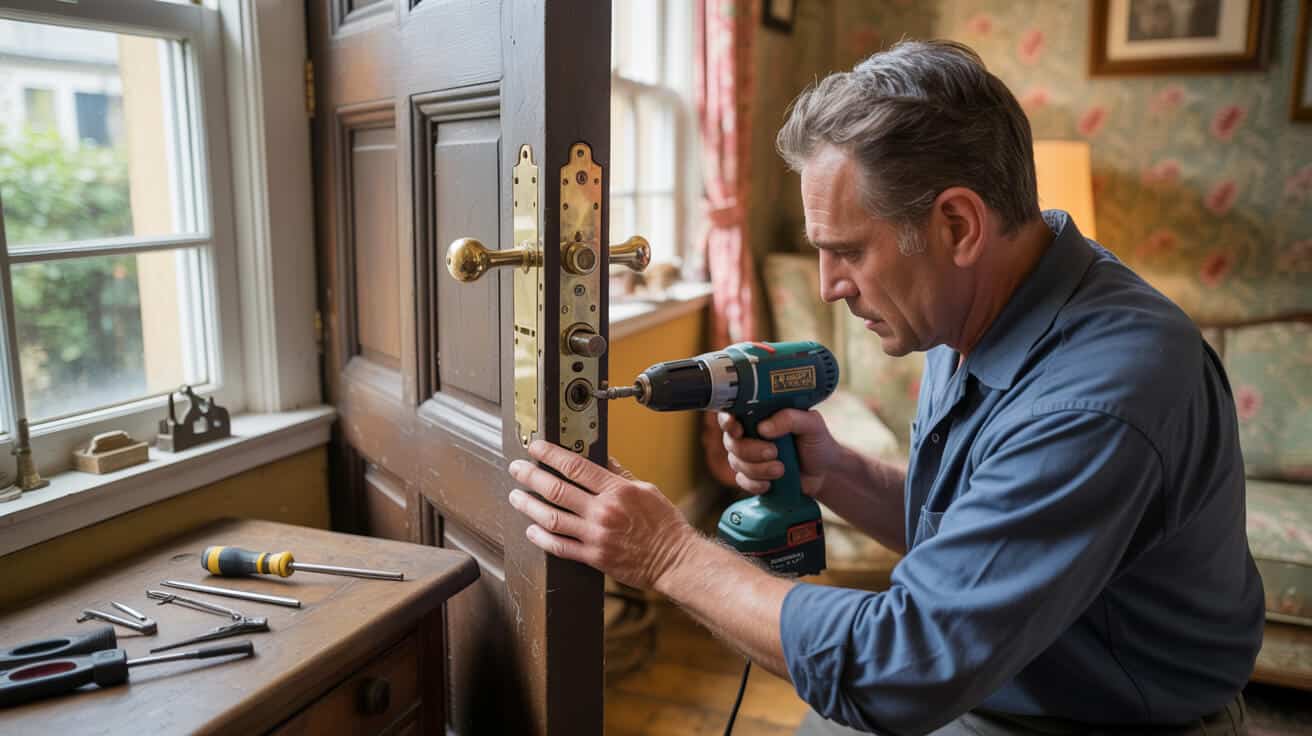
Most people think a locked door means they’re covered, but the type of lock guarding your home or business decides a lot more than you might think. This isn’t “paranoid insurance-speak”—your policy may require a specific, police-approved lock, and missing the mark could void your payout even if you’ve always paid on time.
It’s not the lock you have—it’s the one your insurer asks about when trouble hits.
Still using a 3-lever for your front or back door? You’re almost certainly risking both your payouts and your sense of safety. Insurers overwhelmingly demand a 5-lever lock certified to British Standard BS3621 for external timber doors (cipinsurance.co.uk; comparethemarket.com). Fitting a 3-lever often leads straight to claim denial, higher premiums, and hassle.
What Physically Changes Between 3-Lever and 5-Lever Locks?
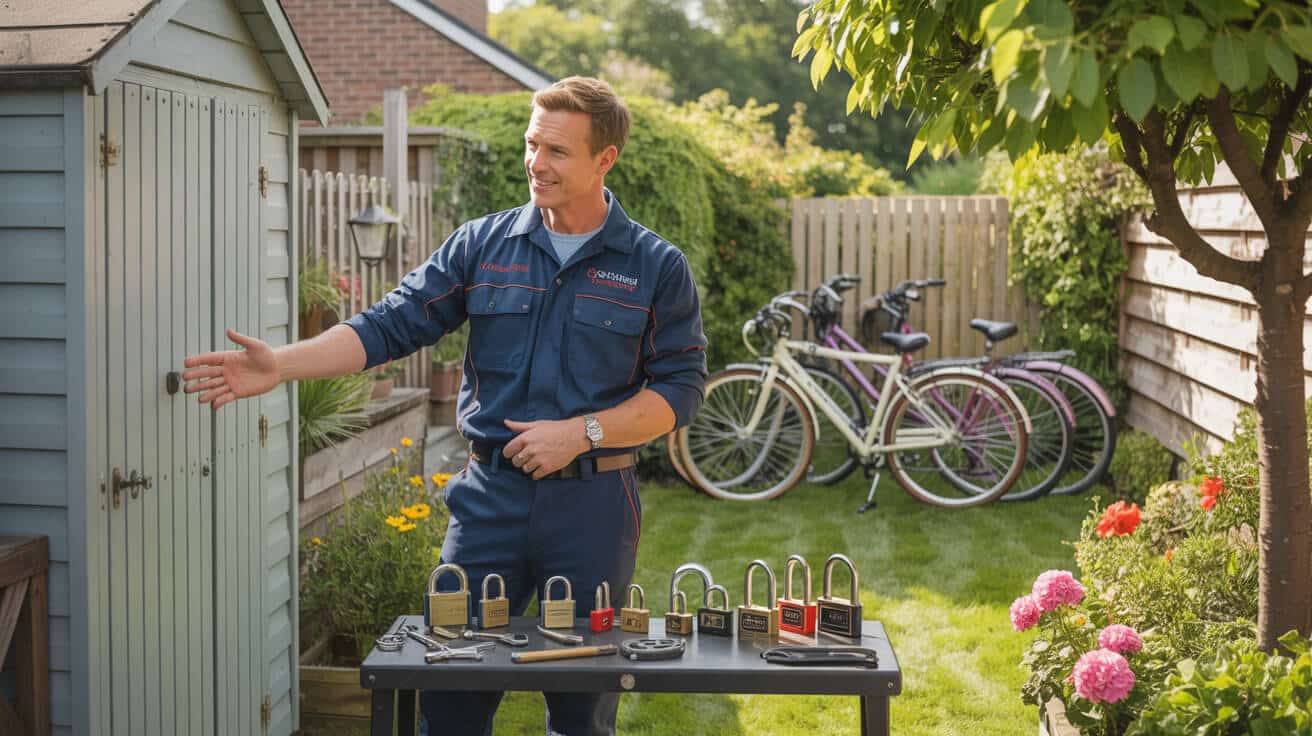
Think of each “lever” as a unique layer a burglar or lockpicker must navigate. A 3-lever lock is simple, with limited combinations—perfect for keeping kids out of the home office, not criminals out of your flat. The 5-lever version, especially one marked BS3621, brings in extra barriers, a beefier bolt, and materials that resist everything from prying to drilling (locksmiths.co.uk; replacementkeys.co.uk).
The transition from 3 to 5 levers marks the move from mild deterrent to trusted defender.
Both the key and the faceplate reveal the storey: deeper, more complex cuts, and usually a Kitemark with “BS3621” stamped right on the lock’s edge. If it’s missing, you’re overdue for an upgrade (duffells.com).
Why Is a 3-Lever Lock Only for Inside Doors?

A 3-lever lock’s main job is privacy, not protection. Use it for bedrooms, closets or staff-only areas—anywhere you want gentle separation but not full security (duffells.com). Most burglars—and every insurance adjuster—immediately spot that these lightweight locks are too easy to bypass for any external entry.
Three-lever locks fend off nosy roommates, not career criminals.
Instal one on a front or back door, and you’re giving both burglars and insurers a swift “come on in.” UK policies routinely state that external wooden doors must have a 5-lever BS3621 lock—anything less means you’re uninsured (cipinsurance.co.uk).
What Makes a 5-Lever Lock (BS3621) the Insurance Standard?
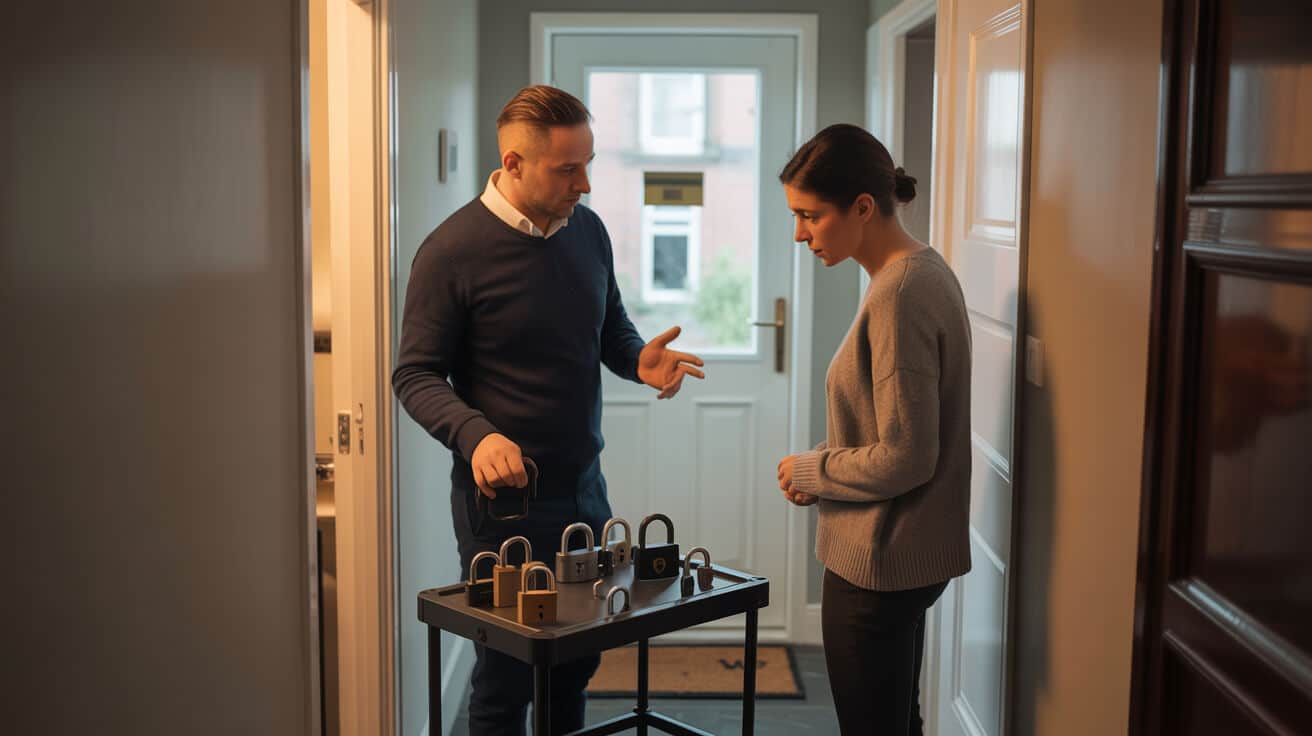
The BS3621 stamp isn’t there to impress—it’s a requirement insurers and police use to philtre out basic, defeat-prone locks. This standard demands the lock resists everything from lockpicks and drills to sawing, providing a formidable roadblock for intruders (toolstation.com). That’s why a basic “5 LEVER” label is no guarantee: only a lock showing the BS3621 Kitemark meets the mark (replacementkeys.co.uk).
BS3621 is your receipt that the lock’s serious about protecting you and your claim.
Adjusters want proof—photos, documentation, or a clear faceplate logo—especially after a break-in (duffells.com). If “BS3621” isn’t on the lock or paperwork, you and your money hang by a thread.
How Do You Instantly Check Which Lock You Have?

Step to the edge of your door and look for a small metal plate. You should see “5 LEVER” plus the BS3621 logo for full peace of mind. “3 LEVER” almost always means it’s for interior doors, while a missing or vague marking is trouble (duffells.com).
No obvious wording? Examining your key is a fast second check: complex, varied grooves suggest more levers. If you’re stuck, snap a photo and check with a qualified locksmith (preferably an MLA member) for certainty (locksmithinsights.com).
A minute’s check now beats weeks of regret if disaster strikes.
Skipped this? That’s the number one reason claims get sent to the reject pile (comparethemarket.com).
Do Modern uPVC and Composite Doors Use Lever Locks?

If you’ve got a plastic (uPVC) or composite door, chances are you’ve got a multi-point locking system instead. These use a single key to operate a series of bolts or hooks—not the old lever lock setup (saga.co.uk).
Insurance still cares; now it’s about whether all locking points engage and match documentation (locksmiths.co.uk). If you’re not sure, ask for a professional inspection or paperwork validation.
What Happens if You Use the Wrong Lock?
Using a 3-lever on an external door is a fast-track to trouble. Burglars know it’s the “easy in,” but so do loss adjusters—who almost always inspect after any claim (duffells.com). No compliant lock, no payout. Upgrades cost less than the double loss of burglary and claim refusal.
Most claim refusals could’ve been avoided with a single hardware check.
You wouldn’t leave your wallet on the windowsill—so don’t give burglars and insurers the same kind of opening.
What If You Rent or Own a Flat?
Landlords and freeholders are often required by both tenancy law and insurance to fit BS3621 five-lever locks on wooden entry doors (cipinsurance.co.uk). Tenants, especially in flats, should check that individual unit doors carry compliant locks—even if there’s a more secure communal entry.
Don’t trust verbal assurances; always verify, take photos, and if in doubt, ask your locksmith in writing.
If It’s Not Marked, What Next?
- Check the edge: Find a mark that states “5 LEVER” and the BS3621 Kitemark ([replacementkeys.co.uk](https://www.replacementkeys.co.uk/key-identification-help/?utm_source=openai)).
- Test with your key: Complex grooves show it’s a high-lever lock.
- Document it: Photos are accepted by insurers.
- Ask a locksmith: Written confirmation clears confusion and ticks the “evidence” box ([locksmiths.co.uk](https://www.locksmiths.co.uk/faq/door-lock-types-guide?utm_source=openai)).
The moment to check is *before* your loss, not after.
What Should You Do Now to Protect Yourself and Your Policy?
- Read the edge of every external door: Look for “5 LEVER” plus BS3621.
- If it says “3 LEVER,” act immediately: Replace with a certified 5-lever BS3621 lock.
- Request proof: Ask for written paperwork from your locksmith. Take your own pictures.
- Don’t guess with multi-point locks: Ensure they’re properly certified and all bolts engage.
- For landlords and business owners: Keep a records folder with lock certificates and regular checks.
It’s not just that the right lock keeps out the wrong people—it ensures you’re not left vulnERAble to both criminals and the fine print.
Book Prime Alert – The London Locksmiths, and Lock Out Regret
Feeling unsure? Prime Alert – The London Locksmiths are the safe bet. We handle compliance checks, urgent upgrades, and iron-clad documentation for every property type in London. Don’t let one missed detail cost you your peace of mind or ruin your insurance claim. Whether you’re a homeowner, property manager, or business owner, you deserve a yes on your next payout, not a “sorry, you used the wrong lock.”
True security is knowing you’re protected—even after the worst happens.
Prime Alert offers 24/7 service, fast site visits, and honest, practical advice—no jargon, no scare tactics, just the facts and the solution. Book an assessment today and sleep with the confidence that your locks—and your policy—are everything they should be.
Frequently Asked Questions
Why does the lever count inside a mortice lock determine your true security level?
A higher lever count means a lock is far tougher to force, drill, or pick, especially when certified to BS3621. While a 3-lever lock covers privacy for inside doors, a 5-lever mechanism is engineered to resist actual attacks—meeting standards for both insurers and police. London homes with only 3-lever locks on the outside risk both break-in vulnerability and rejected claims, because insurers rarely honour coverage unless that 5-lever standard is met.
How do extra levers strengthen defence?
- Each lever adds a layer of complexity, blocking obvious picking routes.
- 5-lever BS3621 models are built to withstand brute-force and tool-based attacks.
What happens if your external door relies on a 3-lever mortice lock?
Choosing a 3-lever lock for an external door leaves your property exposed—burglaries usually target the weakest link. Home insurance and Metropolitan Police both specify 5-lever BS3621 locks for outside wood doors, not as a suggestion but a baseline. If you’re burgled and the main lock fails this standard, most insurers will lawfully deny your claim, regardless of other precautions at home.
Do insurers check the actual lock?
Yes—claims adjusters often request photos or evidence of a 5-lever BS3621 lock after an incident.
One gap in your security is all it takes for an insurer to walk away.
How can you confirm—instantly—if your door’s mortice lock is 3-lever or 5-lever?
The answer’s usually right on your door: check the faceplate for an etching reading “3 LEVER” or “5 LEVER.” For outside doors, you’ll also want to spot the British Standard Kitemark and “BS3621” on the plate, confirming it meets insurance and police requirements. If there’s no clear marking, or you’re unsure, take a close-up photo and get input from a professional locksmith. This quick check solves most insurance delays in the aftermath of a break-in.
What if there’s no visible marking?
Reach out for expert assessment—uncertified locks cause more payout denials than you might imagine.
Which doors need a 5-lever lock, and when does a 3-lever suffice?
Any external timber door—whether your street entry, back patio, or even a private flat entrance—should have a 5-lever BS3621 mortice, full stop. Only internal spaces, such as bedrooms or storerooms, should use a 3-lever lock for everyday privacy. If you live in a block of flats, remember: the door between your hall and own flat must still hit the 5-lever BS3621 mark for full insurance protection.
Door-by-door guide
| Door Type | Required Lock | Insurance Valid? |
|---|---|---|
| External wood (street) | 5-lever BS3621 mortice | Yes |
| Bedroom, storage | 3-lever mortice | Not for exteriors |
| Modern uPVC/composite | Multi-point (certified) | With proof |
Do uPVC, composite, or modern doors ever use mortice lever locks?
No—modern uPVC and composite doors rely on multi-point locking systems, which secure your entry across several points in one simple closure. These typically need to be certified under TS007 or SS312 Diamond standards for insurer acceptance. The days of mortice lever locks on modern front doors are largely over, but traditional timber doors still depend on their reliability.
Where do mortice lever locks remain standard?
Older or period homes with timber external doors, plus side doors or back entrances, usually require mortice lever solutions.
What steps should you take right now if your external lock isn’t a marked 5-lever BS3621?
Don’t wait for a policy denial—act now. If your lock is marked “3 LEVER” or carries no clear standard, arrange a swift upgrade from a qualified locksmith like Prime Alert – The London Locksmiths. Always keep records: before-and-after photos and the installation certificate are vital if you ever have to make a claim. For uPVC or composite doors, double-check multi-point lock certification. Landlords and tenants: securely document any changes for future reference.
The upgrade you make today is the safety net you’ll thank yourself for if trouble comes knocking.
Book your lock upgrade or compliance review with Prime Alert – The London Locksmiths to secure both your property and your insurance future, all with documentation ready for any scenario.