What’S The Difference Between A Rim Deadlatch And A Mortice Deadlock
 What’S The Difference Between A Rim Deadlatch And A Mortice Deadlock

What’s the Real Difference Between a Rim Deadlatch and a Mortice Deadlock?
Your front door is more than a slab of wood and a metal latch—it’s the silent barrier standing between your family or business and the chaos no one budgets for. When you hear “rim deadlatch” or “mortice deadlock,” you might think the terms are interchangeable. In reality, the choice defines everything: daily convenience, legal compliance, and whether your insurance payout survives scrutiny. One lock closes with a nudge; the other is the security benchmark your insurer quietly expects. Overlook this—and you risk learning the hard way that fast isn’t always safe.
Miss the right lock now, and you might miss your payout later.
How Does a Rim Deadlatch Operate and Where Does It Fit in London Homes?
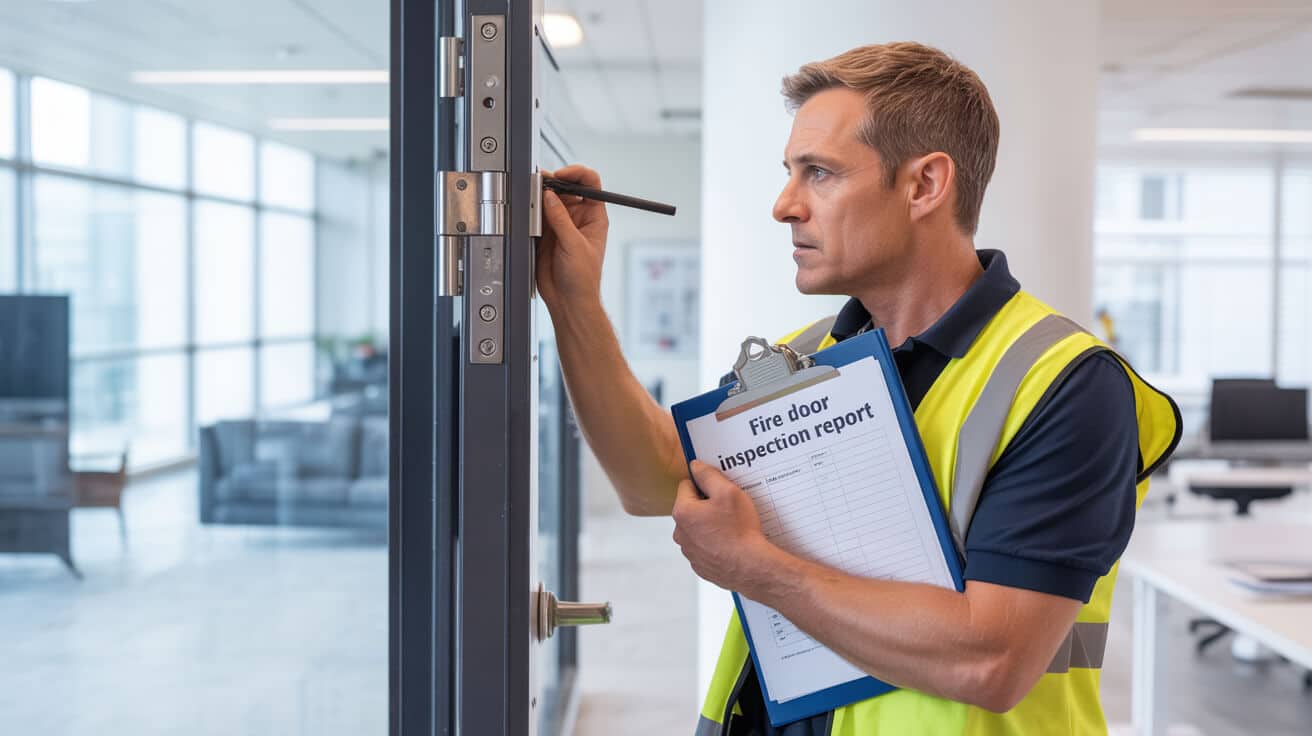
A rim deadlatch mounts onto your door’s inner surface. It locks automatically when you close the door: people outside need the key, but you can open it swiftly from the inside. This “Yale-style” lock—famous on London flats and communal entrances—suits doors too thin, glazed, or ornate for embedded hardware. It’s as London as red buses: fast, familiar, and everywhere (Wikipedia – Rim Lock).
Locked without thought, but sometimes unlocked by the wrong hands.
Why Might You Choose a Rim Deadlatch?
- Fits where a deep “mortice” cut isn’t safe (thin, glass, or period doors)
- Convenient for shared entryways or homes with quick in-and-out traffic
- Auto-latching (no key needed to lock on exit)
But here’s the catch: insurers and police don’t view this as a stand-alone defence for front doors.
What Are the Strengths and Weaknesses of the Rim Deadlatch?
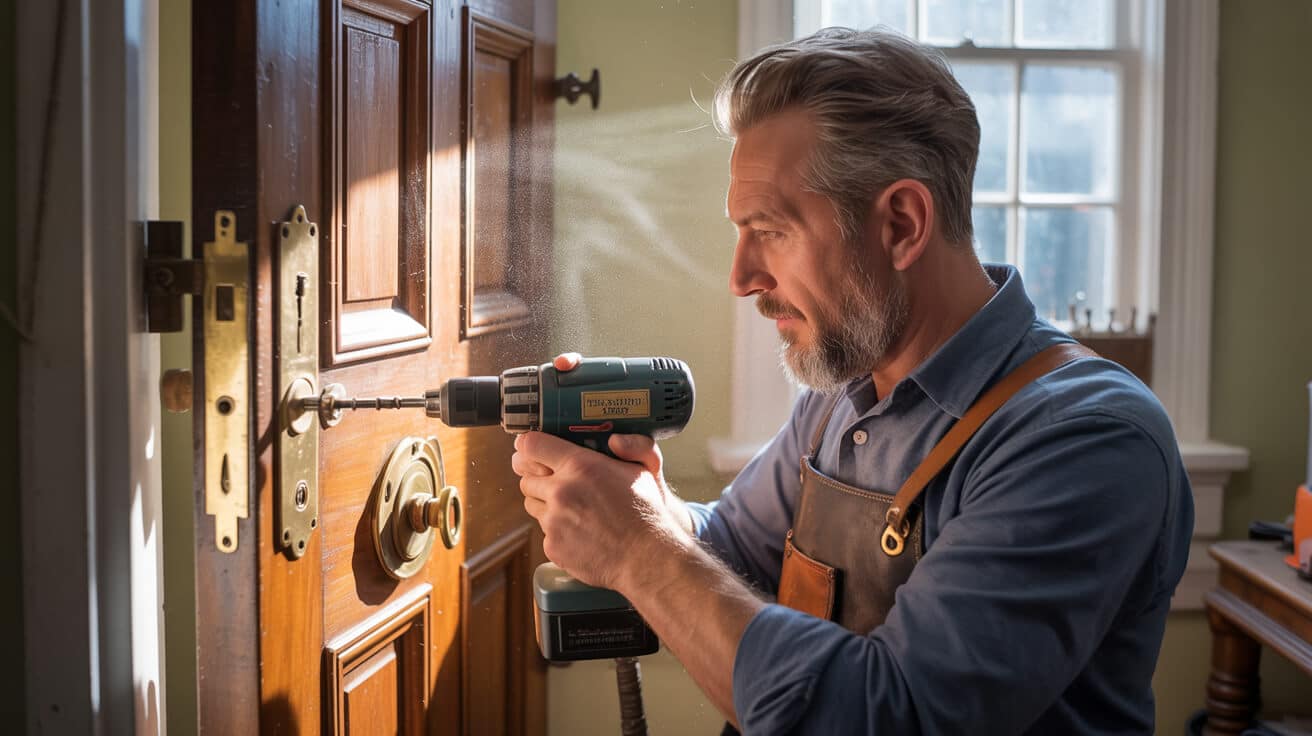
Rim deadlatches shine for speed and hassle-free day-to-day living. Step out, and the door secures behind you—no “did I lock up?” second-guessing. Yet this surface-fit design is also its weakness: stronger attacks or manipulations can defeat it more easily than deeper-set options.
- Strengths:
- Instantly locked on closing
- Allows quick exit without fiddling for a key
- Good for retrofitting on heritage or thin doors
- Weaknesses:
- Only as strong as the screws and surface—less resistant to brute force
- May lack the “deadlatching” bar (anti-card, anti-slip) feature
- Rarely alone meets insurance rules for main entrances
Most Londoners discover the real limits of rim deadlatches only when something goes wrong—or worse, when their insurer gets involved.
What Defines a Mortice Deadlock and Why Is It Critical?
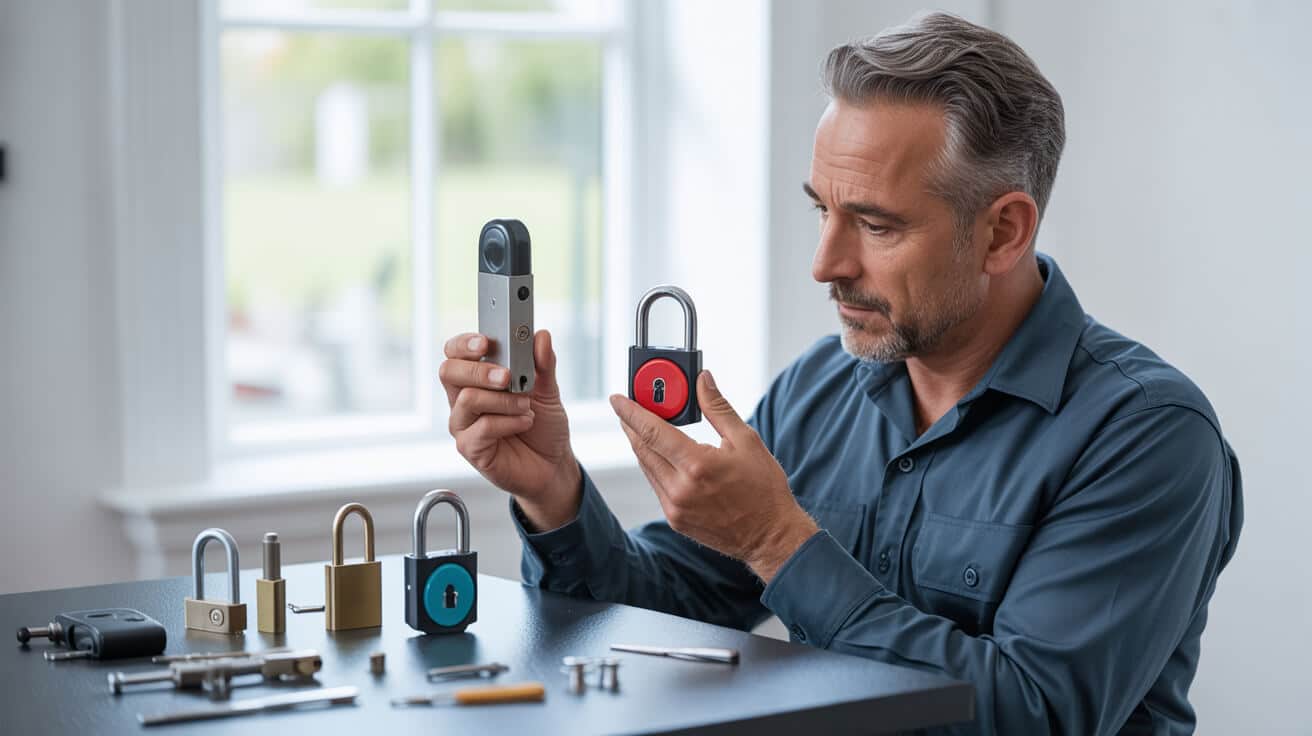
A mortice deadlock sits inside a pocket (the mortice) cut into your door’s edge, with only a keyhole and faceplate visible. You lock or unlock it intentionally, using its key every time; there’s no auto-lock shortcut. What sets it apart is depth: the steel bolt slides well into the frame, making forced attacks, slipping, and manipulation much harder for burglars.
Insurers don’t just prefer mortice deadlocks—they demand them, usually with 5-lever mechanical strength and a visible BS3621 badge (Lockforce).
The best locks work in silence—until the day you need them.
Why Do Insurers and Police Prefer Mortice Deadlocks?
- Anchored for strength: Bolt embedded into the frame, not just the door
- Manual key action: No risk of accidental lock-in or easy override
- Less visible hardware: Attacks are harder—less to grip, twist, or force
- Legally compliant: Required by most insurance, and checked after break-ins
Why Does BS3621 Certification Matter for Mortice Deadlocks in the UK?
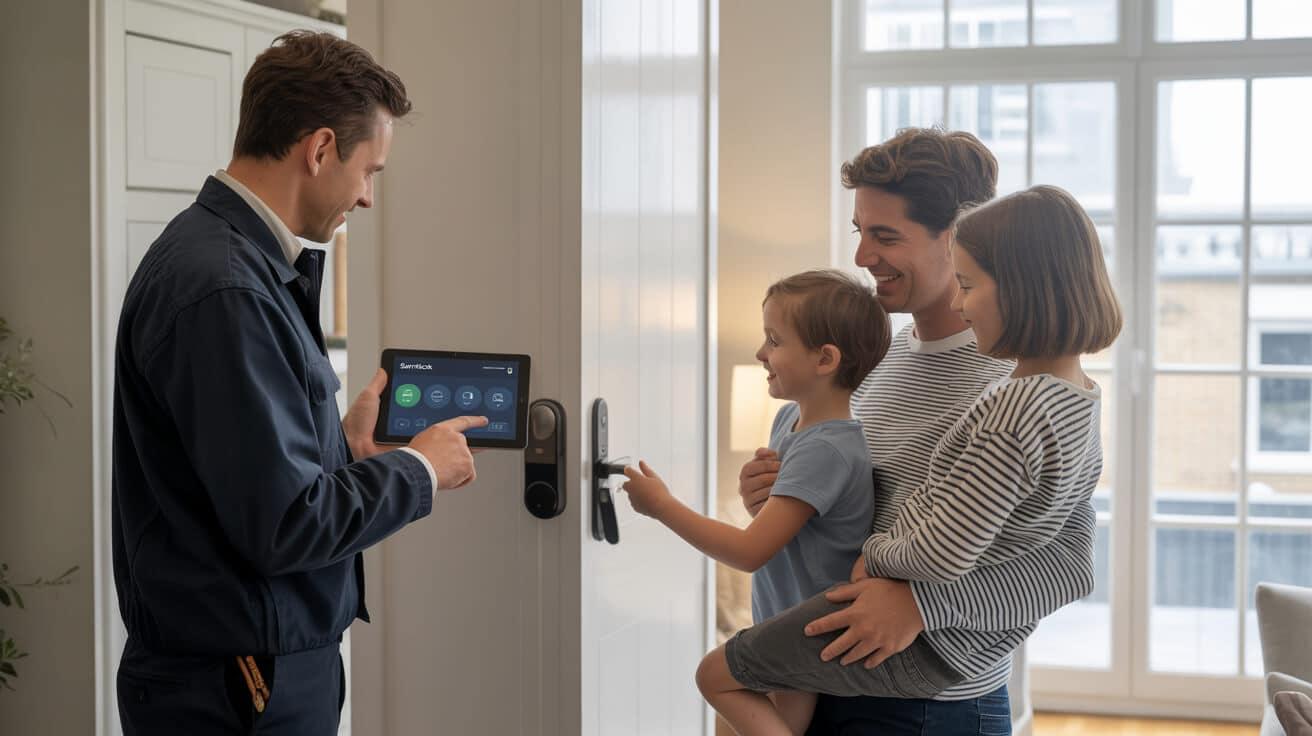
BS3621 means your lock passes rigorous anti-pick, anti-drill, and anti-force tests. This isn’t marketing—it’s the yardstick for most British insurance policies. If your mortice deadlock isn’t BS3621 stamped, you risk automatic claim rejection, even if your door “looks solid” (MoneySuperMarket).
That little kite-mark on your lock is worth more than any sales pitch.
How Can You Check for BS3621?
- Look for the British Standard “kite” logo on the lock’s edge plate
- “5 lever” and “BS3621” text should be stamped and clearly visible
- Unsure? Ask a certified locksmith to confirm on-site—insurance adjusters do
Which Lock Suits Which Door—and Does Insurance Actually Care?

Your choice depends on the door’s construction and purpose:
| Lock Type | Where Best? | Insurance-Grade? |
|---|---|---|
| Rim deadlatch | Interior, period, or thin doors | Rarely (by itself) |
| Mortice deadlock | Main, exterior doors | Yes, if BS3621 |
In practice, rim deadlatches are backup or add-ons; mortice deadlocks are the foundation. Only one is treated as “security” during a claim.
What you inherited may not pass muster—always verify what’s actually compliant.
What Are the Real-World Risks of Only Installing a Rim Deadlatch?
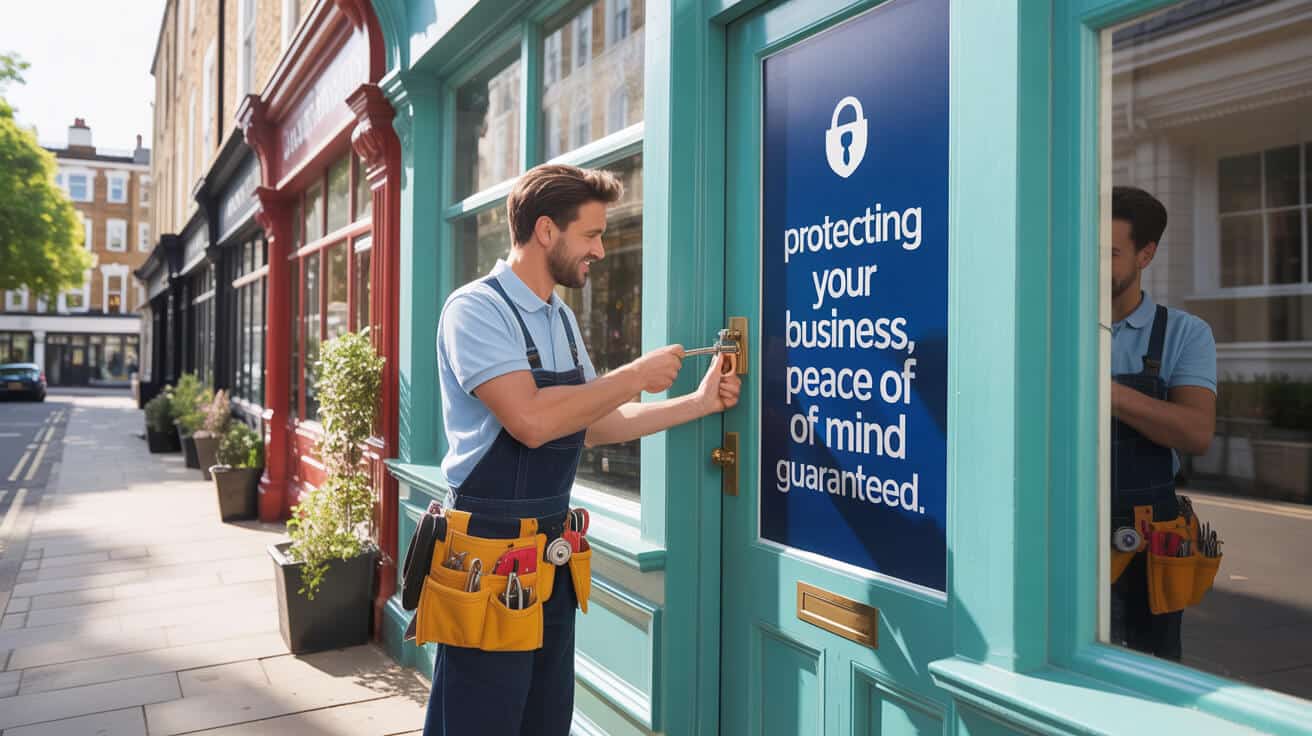
Too many Londoners trust a single rim deadlatch (or, worse, an old “night latch”) as primary security. But insurance investigators—and burglars—know better. Entry techniques that defeat rim deadlatches are widely known and easy with the wrong tools. The payout you expect after a break-in? That depends on the right mortice deadlock.
- Insurance policies are clear: “Main doors require a BS3621 mortice.”
- A break-in with only a rim deadlatch often leads to denied claims
Security only works when reality, not just routine, is on your side.
How Do Rim Deadlatches Stack Up Against Mortice Deadlocks in Forced Entry?

Let’s break down attack scenarios:
| Attack | Rim Deadlatch | Mortice Deadlock (BS3621) |
|---|---|---|
| Card/slip/bump | ModERAte–high risk | Resistant–negligible |
| Crowbar/force | High risk | Low risk |
| Picking/manipulation | Moderate risk | Resistant if maintained |
Basic rim deadlatches fold under pressure. Mortice deadlocks, especially certified ones, force burglars to get loud and waste time—raising the chance an attempt fails outright (ASSA ABLOY).
Thieves bet on shortcuts; stop making it easy for them.
Isn’t a Night Latch Just a Fancy Rim Deadlatch?
In essence, yes—but with catches. Not all night latches are deadlatches; many older and low-budget versions lack anti-slip bars, which means a flexible card could pop them open. Names don’t guarantee performance—specifications do (Wikipedia – Rim Lock).
Technology’s name means little if the specs don’t back it up.
What Can Go Wrong Without an Insurance-Approved Mortice Deadlock?
Denied claims. Stressful phone calls. Unplanned costs that dwarf the price of a professional lock upgrade. Whether you’re a homeowner, landlord, or managing a business estate, it’s cheaper to check before you need to challenge an insurer.
- Replacing valuables post-burglary often costs 10x a lock upgrade
- “But it looked strong enough” is not a valid argument in insurance appeals
It’s not just the cost of a lock; it’s the cost of starting over.
Could You Benefit from Having Both: Rim Deadlatch and Mortice Deadlock?
Dual protection is the new standard—fast latching for daily convenience, deep-set mortice for real security and compliance. Police, insurers, and London locksmiths all recommend pairing both locks on high-risk entries (Keyprint Locksmiths). One for ease, the other for absolute peace of mind.
- Rim: Instant closure & exit
- Mortice: Certified, insurer-approved protection
- Both: Layered security, ticked boxes, and a real deterrent
What If Your Building or Door Can’t Take a Mortice Lock?
Period homes or specialist doors often ban morticing by lease or conservation rules. In those cases, commission the highest-rated rim deadlatch (auto-deadlatching, 3-star BSI-rated), and backstop with a chain or door restrictor. Get written confirmation from your landlord or insurer—never assume your workaround will hold up under scrutiny.
Sometimes best possible is all you can legally do—be certain it’s enough.
Are Smart Locks or Keyless Entries a Game-Changer for Security?
Smart rim deadlatches with keypads, cards, or Wi-Fi apps are trending—but UK insurers still only recognise robust mechanical locks for main entry. Convenience doesn’t equal compliance, and break-in claims will always be judged on kitemark hardware, not your phone’s notifications (Keyprint Locksmiths).
Don’t let technology be the reason your claim doesn’t pay out.
Why Should Installation by a Professional Matter to Your Insurance?
The best lock will still fail if installed poorly. Insurers now ask for proof of professional installation after burglaries; DIY jobs are the first thing a loss adjuster looks to blame when rejecting a claim. Police data backs it up: most compromised locks weren’t fitted by experts (Keyprint Locksmiths).
- Credentials matter as much as materials
- Professional invoices act as insurance receipts
- DIY or hiring the cheapest installer saves nothing in the long run
A proper instal is your second layer of insurance.
What Should You Expect to Pay for a Compliant Lock Upgrade?
A BSI-certified mortice deadlock ranges from £80 to £250, fitted. Upgrading a rim deadlatch for restricted doors costs £60–£180, installed by a pro.
| Upgrade Type | Price Range | Meets Insurance? |
|---|---|---|
| Mortice (BS3621) | £80–£250 | Yes |
| Premium rim deadlatch | £60–£180 | Sometimes, backup only |
A single claim rejection, or the cost to replace stolen goods, is always higher.
How Can You Audit Your Own Security in Five Minutes?
- Look for the BS3621 kite-mark on your door’s mortice lock
- Confirm your rim deadlatch has an anti-slip bar and auto-latches
- Double-check lever count: 5 for most mortice locks
- Review your insurance policy’s minimum lock requirements
- Ask for a written audit if you’re unsure—legitimate locksmiths will provide this
Spend minutes now, not months fixing a problem nobody warned you about.
What Steps Get You From “At Risk” to Insurance-Grade Security?
- Instal or upgrade to a BS3621 (5-lever) mortice deadlock on every main service door
- Pair with an anti-slip, premium rim deadlatch for daily ease
- If your door won’t take a mortice, get written insurance approval for alternatives
- Save every receipt and document—proof now, not a scramble after loss
Paying for expertise solves more than a thousand YouTube tutorials combined.
Is Layered Locking Really Required by Police and Insurers?
Current advice, from both police and almost every insurance company, is clear: single locks are outdated for serious security. Both rim deadlatch and mortice deadlock together slow down every attempt and give you compliance, comfort, and credibility (Keyprint Locksmiths).
Quick-Reference Table for Layered Security
| Lock | Purpose | Who Requires It |
|---|---|---|
| Mortice | Core break-in defence | Insurers & Police |
| Rim Deadlatch | Rapid everyday convenience | Users, backup layer |
| Door restrictor | Added forced-entry delay | Best Practice |
What scares criminals most? Resistance—make them try twice as hard.
What Should Landlords and Commercial Owners Upgrade Beyond the Basics?
You’re not just protecting bricks—you’re responsible for tenants, staff, contracts, and legal exposure. Annual professional lock audits and hardware certifications are non-negotiable for landlords and business operators.
- Schedule annual lock audits for every property/tenancy
- Store retrieval-friendly records: receipts, certificates, insurance compliance docs
- Demand proof of upgrades/maintenance from your suppliers
Responsible management means never letting paperwork lag behind hardware.
How Much Does Delay Increase Risk for You and Your Insurance?
Delay is an unspoken liability. Every day without a compliant, documented mortice deadlock (fitted by a professional) is a window of exposure. Insurance can quietly lapse or outright deny your claims if you “meant to” upgrade but didn’t.
Delay is debt: every day unpaid adds up till it bankrupts your peace of mind.
Why Is Now the Absolute Best Time to Secure Your Property?
Proactive audits, prompt upgrades, and good documentation turn security from a worry into a selling point. Don’t let your property become another case study in claims gone wrong—get ahead and stay ahead with a trusted locksmith.
What you fix today is never the problem standing in your way tomorrow.
Rim Deadlatch vs Mortice Deadlock: Rapid Comparison
Quick reference for the next time you scan your front door:
| Feature | Rim Deadlatch | Mortice Deadlock (BS3621) |
|---|---|---|
| Placement | Surface-mounted | Cut-in, frame-fitted |
| Auto-lock | Yes | No |
| Insurance-grade? | No | Yes |
| Attack resistance | Moderate | High |
| Convenience | High (exit/entry) | High (security) |
The Real Takeaway for Homeowners and Business Owners
Don’t mix up speed with safety. Rim deadlatches are for rapid, routine locking; mortice deadlocks are your fortress (and your policy requirement). Insurance and police care about what’s inside your door, not just on its surface. The best-protected properties in London—and the ones with claims paid quickly—use both. Proactive action beats wishful thinking. Sorting your locks now pays off the next time it feels like the world is knocking at your door.
Secure Your Property or Business With Prime Alert – The London Locksmiths
Book a compliance surgery, immediate lock upgrade, or total security audit through Prime Alert – The London Locksmiths today. Our vetted experts serve every London postcode, ensuring your locks meet both legal inspection and forced-entry resistance. Get insured. Get compliant. Get peace of mind that lasts beyond a single locked door.
The safest moment to resolve your lock question is before urgency finds you.
Frequently Asked Questions
Why do many London properties combine a rim deadlatch with a mortice deadlock?
Most London homes and businesses depend on both a rim deadlatch and mortice deadlock because each serves a different purpose—together, they provide fast daily locking and insurance-approved protection. A rim deadlatch automatically secures your door every time it closes, perfect for households on the go. The mortice deadlock, usually operated by key from both sides, is the system insurers and letting agents look for when assessing risk and compliance. Installing both is no accident: underwriters, safety inspectors, and seasoned property managers see this setup as reducing both liability and claim disputes.
A rim lock shortcuts your routine; a mortice lock safeguards your credibility.
How this combo protects both homeowners and landlords
- Fast, automatic locking for daily use means fewer slip-ups.
- Deadlocking at night, or before leaving long-term, meets your insurer’s expectations.
- Rental agreements and insurance audits favour doors with both installed, often making it a requirement—not just a recommendation.
How do mortice deadlocks guarantee insurance acceptance for London properties?
Only mortice deadlocks stamped with the BS3621 British Standard are typically accepted by major insurers, as these locks are engineered to withstand common burglary methods like drilling and lock picking. When you upgrade or replace your locks, ask for explicit proof that the new hardware is BS3621-compliant; insurers may use this exact language in policy small print. Prime Alert – The London Locksmiths provides physical documentation, high-res images, and transparent invoices to ensure you never have to argue your case under pressure.
What’s essential to have during an insurance claim?
- Photographs showing the BS3621 stamp on your mortice lock plate
- Clearly itemised, branded locksmith invoices
- Documentation for tenants or buyers at move-in, sale, or renewal
What makes rim deadlatches less secure than mortice deadlocks?
Rim deadlatches, especially older or non-upgraded versions, can be bypassed by “slipping” the latch—criminals sometimes use a plastic card or specialist tools to open them without a key. These locks are fitted on the door’s surface, exposing them to manipulation, while mortice deadlocks are set deep inside the door, secured by a solid bolt and complex lever system. Insurance and police case studies repeatedly show that single-lock doors—especially those relying only on a rim deadlatch—are at a higher risk for forced entry and claim appeals.
Scenarios of risk and prevention
- Entry via “credit carding” the latch is a frequent exploit in older London properties.
- Modern mortice deadlocks reduce pushback from insurers and claims adjusters.
- Upgrading to dual locking not only prevents break-ins but also removes excuses for payout denial.
How does the way a lock is installed affect your security and insurance?
Even high-grade locks fail if installed incorrectly. Misaligned catches, exposed screws, or skipped compliance steps leave your doors open to both thieves and insurance rejections after a break-in. Prime Alert – The London Locksmiths emphasises not just supplying Kitemarked hardware, but installing it to spec—delivering the paperwork and digital proof insurers want. Keeping your invoice and records can be the difference between instant compensation and protracted disputes after a loss.
Save every document; losing one slip can delay your claim for weeks.
Why professional fitting beats DIY, every time
- DIY jobs often fail compliance checks due to fitment errors.
- Insurers may decline claims if locks were not installed by a recognised locksmith.
What steps confirm your locks meet legal and insurance requirements?
- Inspect mortice deadlocks for the BS3621 marking and confirm five lever operation by viewing the edge of the lock.
- Check rim deadlatches for anti-slip or British Standard features; consider upgrading if unmarked or outdated.
- Cross-reference with insurance paperwork; policies usually quote required lock types exactly.
- Examine all entrance points, including communal and alternative doors, for compliance—not just the main door.
- Book an inspection or compliance review with Prime Alert – The London Locksmiths to get expert validation and portable documentation.
What actions secure your property if your locks fail an audit or you’re unsure?
Replace non-compliant or questionable locks immediately—waiting until after a break-in or denied insurance claim is a costly mistake. Opt for a certified BS3621 mortice deadlock and professional installation with branded evidence, ensuring legal and policy alignment. For added peace of mind, pair this with a modern rim deadlatch or smart access upgrade, especially in multi-unit blocks or rental properties. Prime Alert – The London Locksmiths can assess, supply, and instal locks with guarantee paperwork, so you’re always ready for audits, tenancy transitions, or resale. Act now and make your home or business a model of security and compliance.