

 Dog Theft In The Uk Preventive Security Tips
 Dog Theft In The Uk Preventive Security Tips
Why Is Dog Theft Skyrocketing in the UK?
Dog theft is surging across the UK, fuelled by criminal gangs targeting breeds that fetch sky-high prices—up to £3,000 for French Bulldogs and Cockapoos (BBC). What once felt like a fringe issue now hits close to home, leaving owners uneasy about their pets’ safety even inside the house.
Safety fails when you trust routine instead of reinforcing it.
Rising demand for certain breeds, the reach of social media, and organised crime have shifted dog theft from rare to alarmingly routine. Understanding what’s changed is the first real step to protecting your companion.
What the Latest Numbers Reveal
New data shows thieves aren’t picky. Dog theft is up in both city and rural areas, affecting every breed—proving that no owner’s risk is zero (Petplan).
How Is Dog Theft Shaping Daily Life for Owners?
Anxiety over dog theft has become a part of everyday decisions for UK dog owners. Over 60% of owners have changed walk routes, shifted routines, or invested in home security (Petplan). The simple pleasure of a walk now means thinking ahead: is this a good time, is anyone watching, is my garden locked?
Even small changes in habit can build a bigger wall against risk.
Decisions you’d never have worried about now demand care due to the evolving threat of theft. It’s an invisible tax on your peace of mind.
The Stress Behind the Scenes
Vigilance means more than just stress—it can sap your confidence. When every outing feels loaded with worry, it’s easy to lose sight of what dog ownership should be.
Why Are Some Dog Breeds Stolen More Than Others?
Certain breeds—French Bulldogs, Chihuahuas, English Bulldogs—top every police report due to high resale value and online demand (Independent). Yet, any dog is vulnerable if left accessible or poorly supervised.
Rarity attracts attention; popularity guarantees a market.
Breed price is just one piece of the puzzle. Predictable routines, careless online sharing, and regular spots all increase risk—regardless of breed.
Crime of Opportunity
Thieves look for soft targets: visible, unguarded, and fast to snatch. No dog is risk-free if opportunity knocks.
How Do Dog Thieves Work in Today’s UK?

Dog theft is run more like a business than you’d think. Organised networks follow owners’ habits, pick up visual cues from social posts, and look for weak points in home security (LEP). Random attacks happen, but most thefts are planned well before the act.
Habits That Help Thieves
Walking your dog at the same time every day or showing your favourite park online gives criminals a head start. Break the pattern—variety slows them down.
What Emotional Price Do Stolen Dog Owners Pay?
Losing a dog to theft leaves scars money can’t heal. Many owners describe long-term stress, trust issues, and trauma that can take months—sometimes years—to fade (Blue Cross).
An empty lead weighs heavier than most realise.
The shock is more than just a missing pet—it’s the sudden loss of family, routine, and trust in your community.
Living With the Impact
Owners report avoiding adoption, withdrawing from familiar parks, and doubting neighbours—fallout that goes beyond numbers and insurance.
Could Everyday Mistakes Be Endangering Your Dog?
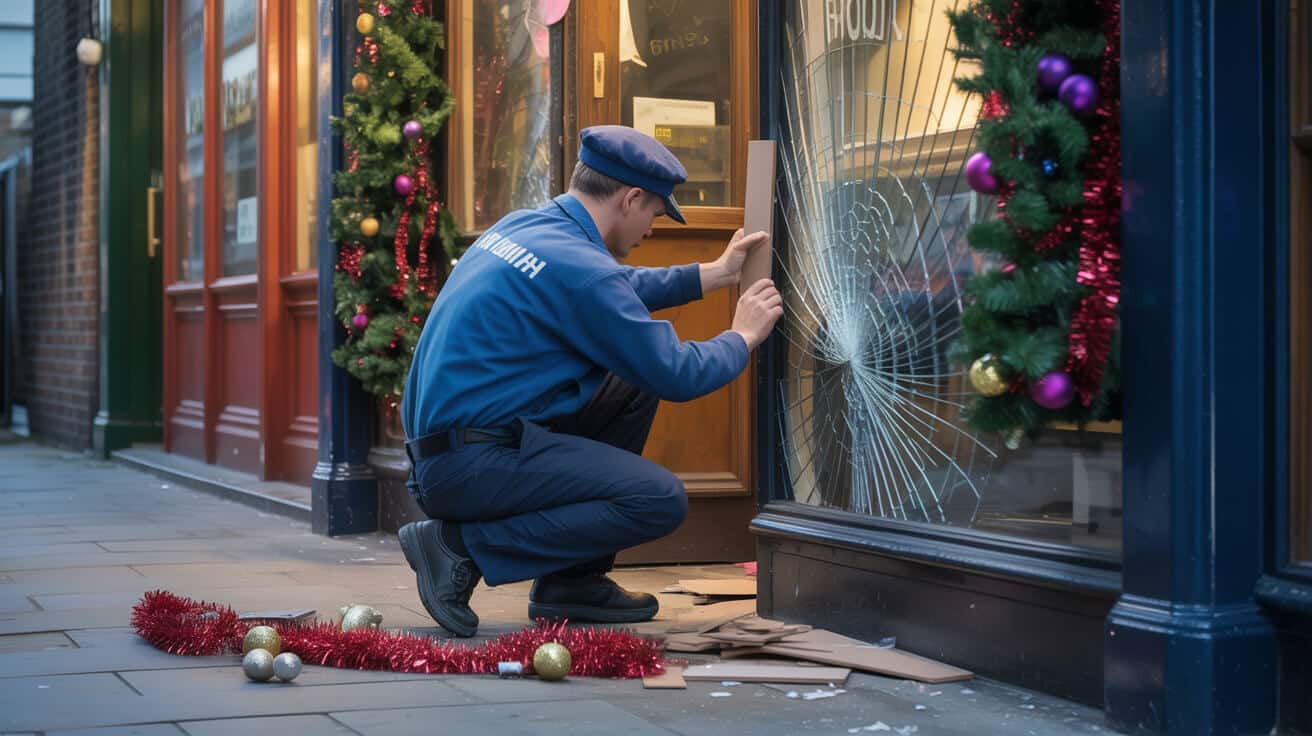
Seemingly simple routines—like leaving a side gate unlocked, sticking to set walk times, or tying a dog up outside a shop—create perfect openings for theft (Met Police). It often takes less than a minute for someone to take action.
Unexamined habits are risk magnets.
Where Vulnerabilities Lurk
- Unlocked garden gates or worn fences
- ID tags showing a pet’s name or location
- Posting location-tagged photos of walks
Reviewing your routine for unseen risks is a simple, lasting fix.
How Does Social Media Invite Extra Risk?
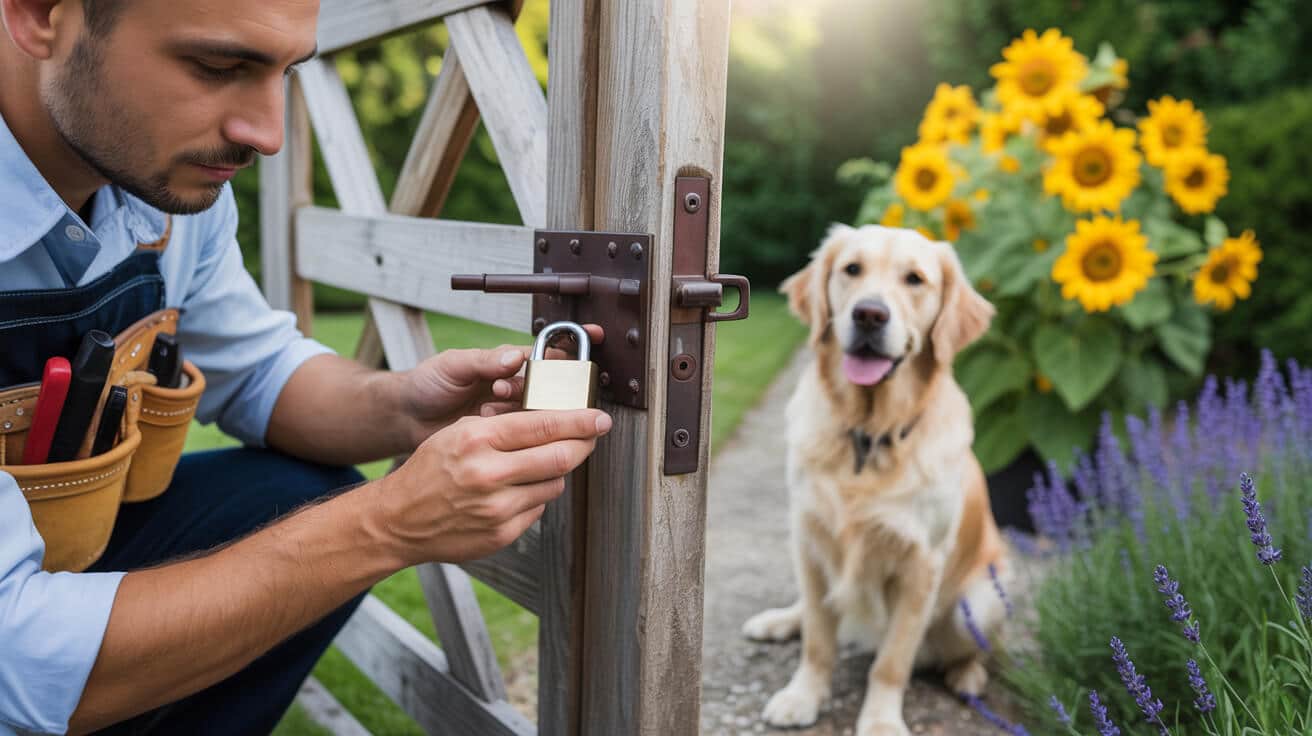
Oversharing about your pets—location tags, birthdays, even simple photos—hands thieves all the clues they need (Kennel Club). A snapshot from the park or a “missing” poster online can show when and where you walk.
If it helps a friend find you, it helps a thief, too.
Go private on pet posts. Only trusted friends need real access; public posts are a liability.
Why Upgrading Security Beats Trusting Luck?
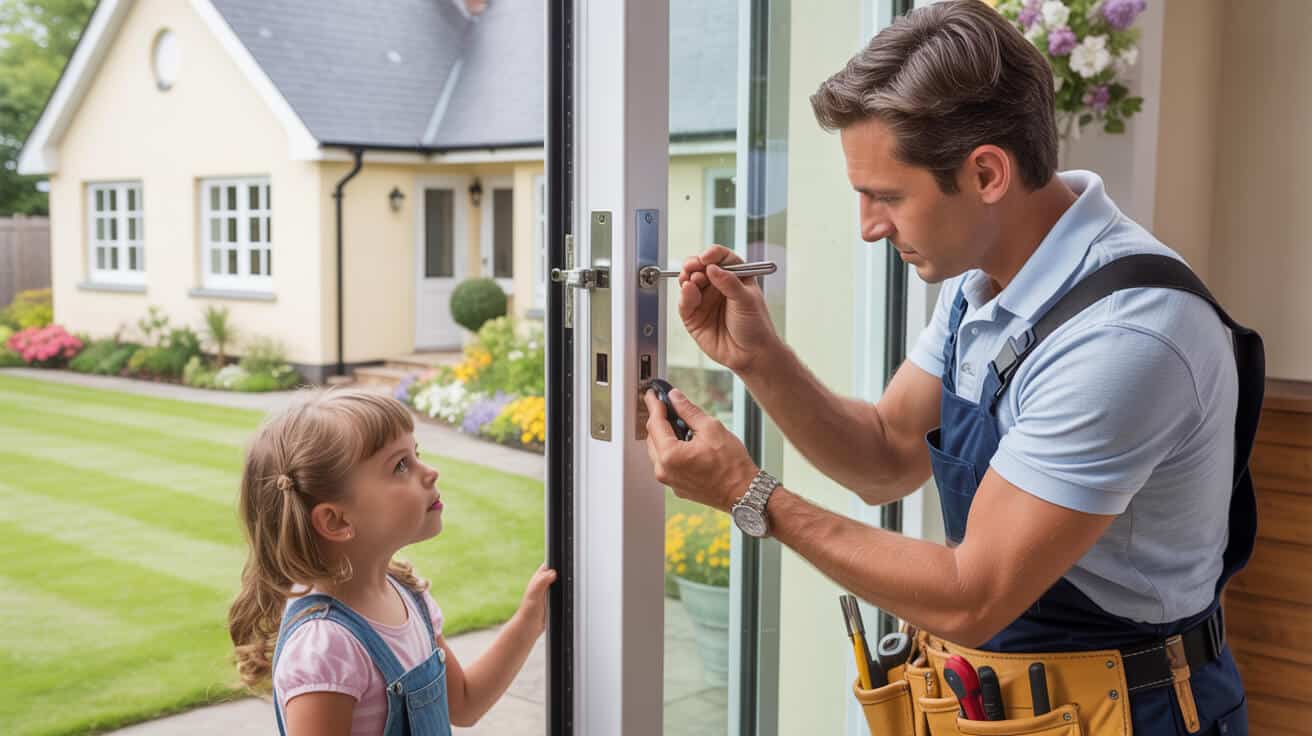
Modern criminals spot outdated locks, basic fences, and weak deterrents from a mile away. Upgrades like British Standard locks, taller fences, and motion-activated lights can quickly halve the risk of home-based dog theft (Which?).
Luck isn’t a security system. Hardware is.
Hardware That Matters
Choose locks and alarms specified for your entrance type; make sure they’re insurance-approved and regularly checked.
What Does a Professional Security Audit Offer Dog Owners?
A locksmith or security expert can spot blind spots owners often miss—outdated deadlocks, rotting gates, or camera blind spots (Checkatrade). Audits need refreshing after a house move, renovation, or even adding a puppy to the family.
Security is not a box to tick—it’s a habit to keep sharpening.
An annual review is the price of peace of mind.
Should You Trust Fences and Gates as Your Main Deterrent?
Tall, locked fences and gates stop many thieves in their tracks (SafeWise). Strong physical boundaries shift attention away from your property—soft targets don’t need climbing, so they get hit first.
Why Physical Barriers Work
A secure perimeter keeps opportunists at bay while letting your dog enjoy the outdoors without extra worry.
Do Motion-Activated Lights Really Deter Thieves?
Lights that snap on with movement expose would-be thieves instantly, ruining any element of surprise (Ring.com). Even basic LED floodlights put a spotlight on lurking risks.
Darkness cloaks bad intentions; light makes them flee.
Good lighting is the cheapest “alarm” you’ll ever instal.
How Do Cameras and CCTV Help Dog Owners?
Visible CCTV systems reduce break-in attempts and help catch criminals if something does happen (PDSA). Simply put, cameras make thieves pause and often move on.
Setting Up for Success
- Focus covERAge on access points and gardens
- Display warning signs
- Frequently test for nighttime reliability
No recording? No protection.
Why Is Supervising Your Dog Outside Still Essential?
The majority of quick thefts happen during unsupervised moments in the garden or yard (RSPCA). It takes less time than making a cup of tea.
You step inside—a thief steps in.
Being present out back with your dog is free, and it’s proven to make a difference.
Is It Ever Safe to Leave a Dog Tied Outside or in a Car?
Even quick errands put your dog at huge risk when left alone outside a shop or in a car (Blue Cross). These are favourite scenarios for thieves—busy settings with distracted owners.
The Only Safe Option
Take your pet inside or leave them at home. Convenience isn’t worth the risk.
Does Mixing Up Your Routine Actually Work?
Repeating walk times and routes is every thief’s dream (Guardian). Mix things up and you’ll break their planning—unpredictable routines are a natural defence.
The less they know, the harder it is to act.
Swapping walk times and routes keeps you unpredictable.
Which Modern Gadgets Actually Help Prevent Dog Theft?
Tech is changing the defence game: anti-theft collars, lockable leads, GPS trackers, and smart dog tags add new layers (Sainsbury’s Bank). Not only do these tools deter thieves—they help with fast recovery.
Building a Barrier of Tech
Use gadgets together: visible deterrents plus hidden trackers multiply protection and peace of mind.
How Does a GPS Tracker Change Recovery Odds?
Live-tracking gadgets let you set safe zones and get instant alerts if your dog leaves the area, giving police real-time leads (InYourArea). Choosing reliable, frequently updated devices is key—cheap imports may fail when it matters.
Quick recovery needs technology you can really trust.
Stick with tested brands and keep subscriptions current.
Why Is Microchipping Essential for Every Dog Owner?
UK law requires microchipping—and this simple step more than doubles your chance of getting your pet back (Gov.uk). But it only works if data stays current.
Microchip Musts
- Update info after every move
- Confirm chip details at each vet visit
- Keep recent photos handy
A chip can be the difference between heartbreak and relief.
Does a Watchful Community Lower Risk?
Dog-walking groups, neighbourhood forums, and watchful neighbours catch trouble before it lands on your doorstep (Nextdoor UK). Community vigilance creates more eyes, more warnings, and more happy endings.
Share info locally—it’s direct, fast, and proven to work.
Start a chat group or join one. Security multiplies with connections.
What Scams Lurk After Dog Thefts—and How Do You Avoid Them?
Fake “finders,” bogus police, and scams often hit in the hours after a theft (DogsBlog.com). Real authorities do not demand payment or confidential info before sharing details.
Watch for Red Flags
Hang up on payment requests, stall tactics, or pressure to share banking details. Always verify identity before following up.
Is Your Door Lock a Weak Link?
Home insurance claims fall flat if your locks aren’t up to British Standard BS3621. An old lock doesn’t just risk your pet; it can cost you coverage.
Unchecked security is wasted security.
A professional reassessment keeps both pets and policies safe.
Do Smart Burglar Alarms Offer More Than a Warning?
Modern alarms alert your phone instantly, trigger visible warnings, and speed up police response (Which?). Paired with physical upgrades, they’re a strong deterrent.
Combine layers—don’t let a lone system convince you to relax.
Why Are Home Rules (“Red Zones”) Vital for Pet Safety?
Establish house-wide agreements about where and when dogs are watched or left alone (Blue Cross). Written, visible rules work best—everyone needs to know and respect them.
Consistency by everyone means security for everyone.
Make rules public and reinforce them often.
Do Household Members Share and Follow Security Protocols?
Dog security is as vulnerable as the least-alert person in your home (Dogs Trust). Repetition makes protocol stick—never assume others know what you know.
Sharing responsibility increases every layer of safety.
Go over rules with everyone. Each reminder fights risk.
Could a Security Pro Make the Difference for Your Home?
A fully qualified locksmith brings knowledge you won’t find in a YouTube tutorial. They spot loopholes, bring your system up to code, and can even lower your future insurance costs.
The time to ask for help is before something happens.
Get a pro in and let them put their expertise to work for you.
What Immediate Actions Bring the Best Chance of Recovery?
If the worst happens, act instantly: contact police, update the chip registry, alert local vets, and use trusted lost-dog networks (Lost Dog UK). Speed wins more recoveries than wishful thinking.
The Playbook for Fast Response
- Call all authorities at once
- Have photos and chip info ready
- Share details only with credible networks
Every minute matters.
Why Trust Prime Alert – The London Locksmiths for Dog-Safe Home Security?
Keeping your pet safe isn’t about hoping; it’s about engineering security that adapts before risks appear. Prime Alert – The London Locksmiths have protected over a thousand Londoners by combining certified British Standard locks, smart alarms, and thorough home audits (Prime Alert). They catch the gaps you miss, fix what’s weak, and certify your upgrades so you sleep easier.
Schedule a free Prime Alert home security review—protect your dog, protect your peace.
A secure home is never an accident. Make sure yours is designed for it.
Share these strategies now. When you raise your game, you invite your neighbours to do the same.
Frequently Asked Questions
Why have dog thefts become more targeted in recent years?
Dog thieves now zero in on homes where high-value breeds like French Bulldogs, Cockapoos, and Chihuahuas are visible—both on the street and on social media—because resale prices have surged over £2,000 per animal. This shift isn’t just about expensive pets, though. Urban properties with open gardens and easily observed routines have become hotspots, as thieves learn patterns from daily walks and Instagram posts as much as pedigree lists. What really tips the balance is exposure: you can own a mixed-breed and still be at risk if your habits and property advertise easy access.
What patterns and exposures do thieves exploit?
- Predictable walks from the same gate signal opportunity to those watching.
- Public posts about dog routines and photo backdrops reveal home locations.
- Houses with visible gardens and little security are flagged by scouts as easy marks.
What feels like just another day for you could be a mapped opportunity for someone with an agenda.
Which homeowner habits most increase risk of a theft?
Routine shortcuts and unguarded moments tend to give criminals their opening. Leaving a side or back gate unlocked—even briefly—or letting your dog outside unsupervised, even as you fetch a delivery, can instantly erase the security advantage of good locks and alarms. On top of physical lapses, overlooked social media habits—like posting a morning walk route—make it easier for prowlers to find their next target without ever visiting your street.
Key security gaps to watch
- Untested gate and fence locks that give way to minimal effort
- Daily posts that include outdoor spaces, signage, or doors
- Leaving tools or step-ladders near perimeter walls
- Not using signage (CCTV, security company) to warn would-be thieves
Owners who “think like a thief” by routinely checking their own boundaries spot issues before the wrong visitor does.
How do modern security measures actually prevent dog thefts?
Upgrading to certified BS3621 locks on all potential entry points is statistically proven to drive offenders elsewhere, cutting attempted thefts by as much as 80% (Home Security Survey 2024). The deterrent only grows with CCTV and alarm signage, which signal active monitoring and rapid police notification. Integration of smart home systems—like mobile alerts when gates are opened—means owners are less likely to respond late. Finally, GPS tags and tamper-resistant collars help ensure a stolen dog is quickly recoverable, discouraging theft altogether.
High-impact security moves for dog owners
- Fit BS3621 locks on gates, sheds, and all outside doors.
- Deploy wide-angle CCTV and connect to real-time mobile monitoring.
- Add visible alarm, monitoring, and security brand signage at multiple points.
- Attach a GPS-enabled, tamper-alert collar registered with a national database.
The type of lock on your gate says more to a thief than any warning sign. Make yours a challenge they don’t want.
What daily changes protect your dog from becoming a target?
Thieves build their plans on routine. Dog walks always at 7am, garden time at noon, or pre-lunch trips to a favourite park provide a blueprint for when homes—and dogs—are left exposed. Breaking those patterns throws off would-be thieves, forcing them to gamble rather than strike with certainty. Even small changes—switching up walk times, using different gates, or mixing up family dog-walker roles—matter. Delaying social posts until you’re securely home creates one more blind spot for the observer.
Effective habit disruptors for owners
- Flip walk times across mornings and evenings throughout the week.
- Vary dog-walking routes; don’t stick to the same park day after day.
- Use a friend, partner, or service to occasionally swap roles.
- Share outing photos hours later, never in real time.
Unpredictability is your hidden shield; thieves rarely invest in what they can’t predict.
How should you react if your dog is stolen?
The clock matters. Reporting to the police within the hour, updating microchip records immediately, and blasting clear photos to lost dog sites, local vets, and nearby owner groups—these steps enable faster recovery and limit ransom scams. Most success stories link quick digital action to safe returns, as thieves realise the dog is too “hot” to sell. Document every response, keep your phone ready, and send your details—including a police reference number—to trusted platforms only.
Urgent recovery checklist
- File a full report with police, noting breed, colour, last seen location, and unique features.
- Mark your pet’s microchip record as “stolen” on registration databases.
- Email clear, head-on, recent photos to local clinics, DogLost.co.uk, and active owner groups.
- Print recent images for posters and supply your case ID.
- Question any “return” arrangement demanding upfront payment—always.
You can rehearse emergency steps on your calendar before you need them. Preparation wins back your advantage.
Where do professionals recommend homeowners invest for long-term dog safety?
Invest where it matters: layered defences and proactive communities. Yearly security checkups and certified lock upgrades (BS3621 everywhere), joined by full CCTV coverage and modern alarm sensors, create a compound barrier. Ongoing updates to microchip data, refreshed images for every move or trip, and regular reminders for neighbours foster shared vigilance. Community networks on WhatsApp or Facebook, and GPS tags for pets spending time outdoors, are 2024’s top strategies—recommended by security professionals and prevention coordinators alike.
Long-lasting protection strategies
- Instal BS3621 locks, reinforce fences, and deploy motion-trigger lighting.
- Book an annual security assessment with Prime Alert – The London Locksmiths to stay ahead of evolving threats.
- Frequent microchip updates and photo refreshes are vital after house moves or significant travel.
- Become a visible presence in neighbourhood safety or pet owner groups.
- Fit GPS-enabled collars and anti-tamper ID tags before letting your pet roam.
The strongest investment isn’t just in gadgets—it’s in a security culture where every homeowner knows which threats to outsmart. Your actions today deliver confidence for every day ahead; start your security upgrade with Prime Alert for expert-driven peace of mind.


