

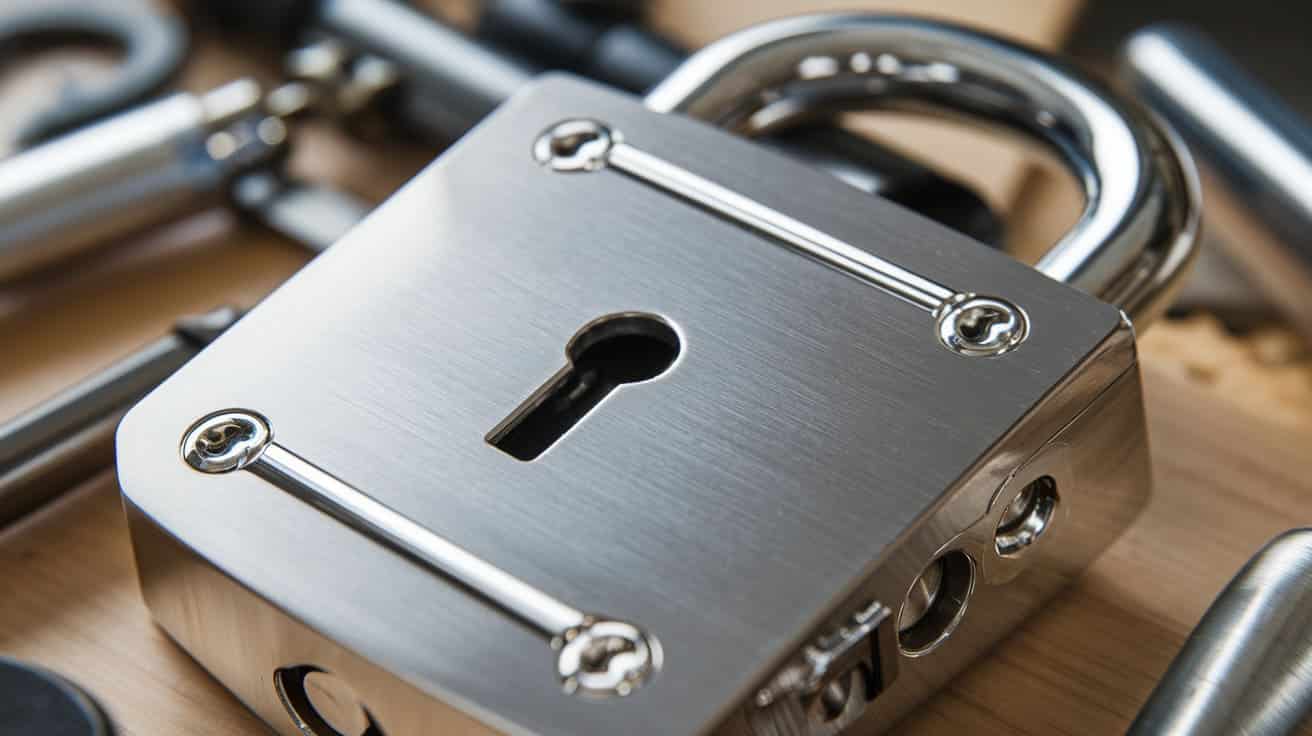
ASSA ABLOY Locks are a suite of advanced security systems that blend traditional mechanical mechanisms with state-of-the-art electronic technologies to secure access points across varied properties. These locking systems form a core aspect of modern security, integrating robust design with rigorous industry standards and a comprehensive regulatory framework to deliver reliable protection in multiple environments.
Scope and Purpose
ASSA ABLOY Locks serve a multifaceted role in enhancing property security by offering solutions that are versatile, durable, and compliant with contemporary regulatory standards. They are designed not only to prevent unauthorized entry but also to support a range of applications that span residential settings, commercial installations, institutional environments, and emergency scenarios.
Key purposes include:
- Optimized Security Performance: Harnessing both mechanical strength and digital precision to secure premises.
- Regulatory Compliance: Adhering to international standards such as TS007, BS EN, and Sold Secure certifications, ensuring that the locks are tested and validated for high-security performance.
- Versatile Application: Suitable for various environments including private homes, office buildings, healthcare facilities, and high-risk public spaces.
- Integrated Technology: Combining traditional locking elements with smart technology solutions—such as biometric and keyless access—to adapt to evolving security needs.
ASSA ABLOY Locks are engineered to meet the dynamic demands of modern security, ensuring that your properties, assets, and personal safety are maintained through a combination of reliability, technological innovation, and legal conformity.
Regulatory History
The evolution of ASSA ABLOY Locks is deeply interwoven with advancements in industry standards and regulatory frameworks. Historically, the development of security solutions has been driven by the need to counter increasingly sophisticated methods of unauthorized entry. From the early days of mechanical locks, there has been a continuous progression towards integrating digital enhancements to meet evolving security challenges.
Historical Milestones
- Early Mechanical Innovations: In the mid-20th century, the foundational designs for mechanical locks, such as pin tumbler and mortise mechanisms, were established. These early systems laid the groundwork for the subsequent incorporation of advanced materials and design enhancements.
- Adoption of Regulatory Standards: With the advent of more sophisticated break-in techniques, regulatory bodies introduced standards like TS007 and BS EN. These standards have since become benchmarks for evaluating lock performance, emphasizing the need for resistance to physical tampering and digital exploitation.
- Expansion of Certification Programs: Initiatives such as the Sold Secure certification have further refined product evaluation, ensuring that locking systems meet both consumer expectations and stringent safety regulations.
- Incorporation of Smart Technology: The transition into the 21st century witnessed the merging of mechanical systems with electronic innovations, giving rise to smart locks that combine physical robustness with digital intelligence. These advancements have required continuous updates to regulatory protocols to maintain consistency in safety and performance.
Impact on Design and Quality
The evolving regulatory environment has directly influenced the design and engineering of ASSA ABLOY Locks. By adhering to rigorous standards, these products are continuously tested under simulated environmental conditions and security threats. This iterative process drives improvements in material selection, mechanism precision, and integration of additional features such as anti-pick, anti-drill, and tamper-proof functionalities.
Standards such as the TS007 rating provide clear guidelines for quantifying resistance levels, while the BS EN series ensures comprehensive compliance with European safety and performance requirements. As regulatory requirements evolve further, ASSA ABLOY has maintained its commitment to aligning design innovations with emerging global security mandates, ensuring that its locks remain effective and trustworthy.
Key Terms and Definitions
Locking Systems
- Locking System: A mechanical or electronic arrangement designed to secure entry points by preventing unauthorized access.
- Mechanical Lock: A system that opERAtes via physical keys and utilizes components such as tumblers, pins, and cylinders.
Product-Specific Terminology
- Mortise Lock: A robust locking mechanism that is embedded into a door, providing enhanced strength and resistance against forced entry.
- Pin Tumbler Lock: A type of lock where the correct key aligns a series of pins within a cylinder to permit rotation.
- Rim Lock: A surface-mounted lock that typically provides an additional layer of security on doors or access panels.
Industry Standards and Certifications
- TS007: A performance standard for locks indicating a high level of resistance to manipulation through advanced bypass techniques.
- BS EN: A series of European standards that prescribe specifications for performance, safety, and durability of locking systems.
- Sold Secure Certification: A certification awarded to locks that meet strict testing criteria for security and durability.
Technological Components
- Smart Lock: An electronically controlled locking system that integrates with digital devices for remote management and keyless operation.
- Biometric Authentication: A security method that leverages unique biological characteristics, such as fingerprints or facial recognition, to verify identity.
- Keyless Entry: A method of access that eliminates the use of physical keys by employing alternative authentication means, often via electronic interfaces.
Auxiliary Components
- Cylinders: Integral components within many locking systems which house the operating mechanism and pins.
- Escutcheons: Decorative or functional plates that cover the gap between the lock and the door, often serving both aesthetic and protective purposes.
- Anti-Tamper Features: Design elements incorporated to thwart attempts at bypassing the lock through physical or technical means.
Product Categories and Technologies
ASSA ABLOY Locks span a diverse range of products that cater to varying security needs. These products are broadly categorized into mechanical, electronic, and specialty solutions, each offering distinct advantages based on their underlying technology and intended application.
Mechanical Lock Systems
mechanical locks continue to serve as the backbone of physical security due to their simplicity, reliability, and proven performance over decades.
Pin Tumbler Locks
Pin tumbler locks are among the most prevalent locking mechanisms. They work by aligning a series of pins to match the unique profile of a key, allowing the lock’s cylinder to rotate. ASSA ABLOY enhances these systems by incorporating improved anti-pick designs and high-grade materials to ensure resistance against sophisticated bypass techniques. Key characteristics include:
- Robust Metal Construction: Utilizes hardened steel and brass components.
- Precision Engineering: Ensures accurate fit and smooth key operation.
- Enhanced Security Features: Incorporates measures such as anti-drill and anti-pick mechanisms.
Mortise Locks
Mortise locks are designed to be fitted into a mortise, or pocket, cut into the door edge, providing integrated strength and improved resistance to physical attacks. These locks have evolved with enhanced internal mechanisms that increase their durability and reliability. Notable attributes include:
- Integrated Design: The lock is built into the door structure, reducing the risk of prying.
- Complex Mechanism: Often features multiple locking points for higher security.
- Durability: Suitable for high-traffic and high-security installations.
Rim Locks and Deadbolts
Rim locks and deadbolts are generally employed as secondary locking mechanisms to reinforce entry points. Rim locks are mounted on the door surface, while deadbolts provide added resistance to forced entry. These systems are characterized by:
- Ease of Installation: Particularly useful where full door integration is not feasible.
- Enhanced Resistance: Deadbolts typically feature a robust, single-point locking mechanism that is difficult to bypass.
- Supplementary Security: Often used in tandem with other locking systems for layered protection.
Electronic and Smart Lock Systems
The integration of digital technologies into locking systems has transformed the security landscape by providing enhanced control and ease of use.
Smart Locks
Smart locks represent a synergy between traditional locking methods and state-of-the-art electronics. They offer features such as remote access management, real-time monitoring, and integration with home automation platforms. Prominent features include:
- Remote Operation: Control locks via smartphone applications or web interfaces.
- Keyless Entry Options: Eliminates the need for physical keys, reducing the risk of lost or duplicated keys.
- Enhanced Encryption: Utilizes digital encryption protocols to secure communication between devices.
Biometric Locks
ASSA ABLOY incorporates biometric technology into its lock systems to provide an additional layer of security that relies on unique physiological characteristics. These systems typically use fingerprints or facial recognition to authenticate users. Benefits include:
- High-Security Assurance: Difficult to replicate, providing a strong deterrent against unauthorized entry.
- User Convenience: Enables secure access without the need for keys or codes.
- Integration with Other Systems: Can be paired with smart locks to offer a comprehensive security solution.
Electronic Keypad Interfaces
Electronic locks equipped with keypads provide a middle ground between traditional keys and fully digital authentication. These interfaces require the input of a numerical code to operate the lock. Their advantages include:
- Ease of Use: Simple interface that can be easily updated with new codes.
- Flexibility: Allows multiple users to access the same installation without needing multiple physical keys.
- Audit Trails: Some systems can log entry attempts, providing valuable information in the event of security incidents.
Specialty Security Solutions
In addition to mainstream mechanical and electronic systems, ASSA ABLOY provides specialty security solutions formulated to address niche applications.
Combination and Time Locks
Combination locks require users to enter a specific sequence of numbers to gain access, offering a level of security particularly valuable in high-containment environments. Time locks further restrict access by allowing the lock to be disengaged only during predetermined intervals. Key aspects include:
- Sequence-Based Security: Reduces dependency on physical keys by relying on memorized sequences.
- Time-Restrictive Functionality: Enables controlled access, critical in applications such as secure facilities or financial institutions.
- Enhanced Protection: Both types are designed to resist forced entry and tampering, contributing to a layered security approach.
Safe and Vault Locks
Designed for high-security storage, safe and vault locks protect sensitive items by combining robust physical security with advanced locking mechanisms. They are engineered to withstand extreme environmental and physical forces. Attributes include:
- High Resistance: Constructed to endure significant physical impacts, vibrational shocks, and forced entry attempts.
- Multi-Layered Security: Incorporate multiple locking mechanisms that work in concert to secure contents.
- Specialized Use Cases: Commonly found in banks, secure storage facilities, and areas requiring maximum protection against theft.
Technical Specifications and Standards
ASSA ABLOY Locks are characterized by a blend of mechanical precision and electronic sophistication, ensuring high performance in terms of durability, ease of operation, and compliance with international standards.
Physical and Electronic Characteristics
ASSA ABLOY Locks are constructed using premium materials and advanced engineering techniques to offer both resilience and precision. The physical components, including hardened steel pins, reinforced cylinders, and durable escutcheons, are designed to resist wear and withstand mechanical stress. On the electronic side, smart lock models incorporate secure microprocessors, encrypted communication protocols, and fail-safe designs that maintain functionality under adverse conditions.
Key factors include:
- Material Composition: Advanced alloys and corrosion-resistant coatings to prolong lifespan.
- Mechanical Reliability: Precision-engineered components that ensure smooth and consistent operation.
- Electronic Security: Use of encrypted digital circuits that offer resistance against hacking and unauthorized access.
Industry Standards and Certification
Compliance with recognized security standards is integral to the quality assurance of ASSA ABLOY Locks. These standards serve as benchmarks for performance and safety.
TS007 Rating
The TS007 rating is a critical metric that assesses a lock’s ability to withstand manipulation and forced entry. Products meeting TS007 criteria have undergone rigorous testing simulating modern bypass techniques, ensuring that they provide robust defense against most forms of attack.
BS EN Standards
The BS EN series comprises European standards that specify requirements for locking systems in terms of durability, strength, and overall security performance. These guidelines help ensure that locks perform reliably under various conditions and meet the legal expectations for safety.
Sold Secure Certification
The Sold Secure certification is awarded after comprehensive testing verifies that a locking system meets established performance benchmarks. This certification reassures users of both the quality and security of the product, and it is often a deciding factor for consumers and insurers.
Performance Metrics and Testing
Numerous performance metrics evaluate the efficacy of ASSA ABLOY Locks:
- Resistance to Forced Entry: Tested through simulated physical attacks, including drilling and prying, to assess the lock’s ability to withstand stress.
- Environmental Durability: Evaluated under extreme temperature, humidity, and corrosive conditions to ensure consistent performance.
- Operational Reliability: Particularly for smart lock systems, metrics include uptime, response times, and resistance to cyber intrusions.
Laboratories and independent certification bodies conduct extensive tests, providing objective data that reinforces the security characteristics of these locking systems.
Applications and Use Cases
ASSA ABLOY Locks are designed to offer comprehensive security solutions across a broad range of applications. Their versatility allows them to be implemented in scenarios that require different levels of protection and operational efficiency.
Residential Security
In residential settings, ASSA ABLOY Locks provide essential safeguarding for private homes and apartments. The systems are engineered to secure entry points while offering convenience and ease of use. Typical residential applications include:
- Front Door Security: Ensuring robust protection against forced entry and tampering.
- Internal Security: Securing individual rooms, offices, or storage areas within the home.
- Smart Home Integration: Enabling remote access control, monitoring via mobile applications, and seamless incorporation with home automation systems.
For homeowners who are particularly concerned with the effectiveness and reliability of their security systems, these locks provide a blend of effortless usability and advanced protection.
Commercial and Institutional Installations
Commercial properties, including offices, retail spaces, and industrial facilities, demand locking systems that can accommodate high volumes of usage while still ensuring top-tier security. ASSA ABLOY Locks are widely adopted in these sectors due to their ability to:
- Facilitate Access Control: Through integration with master key systems and electronic access modules, property managers can efficiently regulate entry across complex premises.
- Support Scalability: Systems are scalable to cover vast areas with multiple access points, maintaining consistency in security standards.
- Enhance Emergency Preparedness: Rapid lockout solutions and the ability to re-secure areas in emergencies are critical features in commercial environments.
Facilities directors and property managers frequently leverage these products to balance cost efficiency with comprehensive, scalable security measures that satisfy regulatory and insurance requirements.
Institutional and Public Sector Deployments
Institutions such as schools, hospitals, and government buildings require security solutions that adhere to stringent regulatory guidelines while ensuring public safety. In these environments, the robustness of ASSA ABLOY Locks is complemented by their ability to integrate with broader security networks, including:
- Integrated Access Management: Coordinated systems that link locks to central control panels for real-time monitoring and intervention.
- Compliance with Public Safety Regulations: Ensuring that all security apparatus meet local and international safety protocols.
- Enhanced Citizen Security: Protecting public assets and ensuring that high-risk areas are adequately safeguarded.
The technology is also adapted for use in settings where both high physical security and digital monitoring are essential, providing a holistic approach to institutional safety.
Emergency and High-Risk Scenarios
Emergency situations call for rapid and effective security measures. ASSA ABLOY Locks are designed to address high-risk scenarios through features that support swift intervention and robust protection:
- Rapid Response Lockout Systems: Ensuring that in the event of an emergency, such as a fire or forced entry, the lock can quickly secure the area.
- Post-Burglary Reinforcement: Systems that can be reinstated swiftly following a breach to prevent subsequent unauthorized access.
- Critical Safety Applications: Special-purpose locks in high-security settings, such as banks or secure government facilities, where every second counts.
In these scenarios, the reliability and quick responsiveness of the locks are paramount, ensuring that security is maintained even under duress.
Installation and Maintenance
The long-term efficacy of ASSA ABLOY Locks depends not only on their design and construction but also on proper installation and regular maintenance. Adhering to established protocols during installation and upkeep enhances the performance, longevity, and safety of the locking systems.
Installation Guidelines
Professional installation of ASSA ABLOY Locks involves several key steps:
- Pre-Installation Assessment:
- Evaluate the structure and material of the door or entry point.
- Determine the most suitable lock type based on environmental conditions and security requirements.
- Precision Mechanical Fitting:
- Carefully align the lock mechanism within the pre-cut mortise or surface mount.
- Utilize specialized tools to ensure that the lock operates smoothly without undue friction.
- Electronic Integration (if applicable):
- Configure smart lock components, including digital keypads, biometric sensors, or remote connectivity modules.
- Test the synchronization with existing digital security systems and home automation networks.
- Compliance Verification:
- Confirm that the installation meets the relevant standards (e.g., TS007, BS EN) and local regulatory guidelines.
- Document the installation process, ensuring that all steps comply with best practices for record-keeping.
Maintenance Protocols
regular maintenance is essential to ensure that ASSA ABLOY Locks continue to function optimally over their lifespan. Key maintenance practices include:
- Routine Inspections:
- Conduct periodic checks to identify signs of wear or potential malfunction.
- Monitor electronic components for firmware updates and security patches.
- Lubrication and Cleaning:
- Apply appropriate lubricants to moving parts such as pins and cylinders.
- Clean the lock assembly to remove dust, debris, and corrosive elements that could impair functionality.
- Scheduled Servicing:
- Follow manufacturer guidelines for service intervals to preemptively address any degradation in performance.
- Update electronic systems regularly to mitigate vulnerabilities and ensure compatibility with contemporary digital security protocols.
- Record Keeping:
- Maintain detailed logs of maintenance activities to support compliance, insurance, and operational audits.
Lifecycle and Durability Considerations
Several factors influence the overall lifecycle and durability of ASSA ABLOY Locks:
- Material Quality and Construction:
- Use of high-grade alloys and robust construction techniques extend the operational lifespan.
- Environmental Impact:
- Exposure to extreme weather, humidity, and other environmental conditions can accelerate wear, necessitating more frequent maintenance in challenging settings.
- Usage Frequency:
- High-traffic areas might experience accelerated degradation, requiring locks with enhanced durability and more regular inspection intervals.
- Technological Updates:
- Particularly in smart locks, technological obsolescence may require periodic upgrades or replacements to maintain security integrity.
A comprehensive lifecycle management strategy combines ongoing monitoring with proactive maintenance, ensuring that the locks remain in optimal operating condition throughout their lifespan.
Safety, Compliance, and Legal Considerations
ASSA ABLOY Locks are engineered with an emphasis on safety and compliance, ensuring that they not only protect against unauthorized access but also adhere to stringent legal and regulatory standards.
Safety Features
The design of ASSA ABLOY Locks incorporates several built-in safety features that enhance both security and user protection:
- Tamper Resistance:
The locks are equipped with anti-drill, anti-pick, and anti-snap mechanisms. These features are integrated into both mechanical and electronic systems to minimize vulnerabilities. - Fail-Safe Systems:
electronic locks are designed with redundant circuitry and backup power options, ensuring that failures or interruptions do not compromise security. - Robust Construction:
Durable materials and precision engineering safeguard the integrity of the lock even under extreme conditions, reducing the risk of premature failure.
Regulatory Compliance
ASSA ABLOY Locks meet and often exceed established international and regional standards:
- European Safety Standards:
Compliance with BS EN standards ensures that the locks meet rigorous performance and durability criteria essential for consumer safety. - TS007 Certification:
As a benchmark for resistance to forced entry, the TS007 rating verifies that the locks can withstand advanced bypass and tampering techniques. - Sold Secure Certification:
This independent certification process validates the reliability and security performance of the locks through extensive empirical testing.
Regular audits and updates to manufacturing processes help the brand maintain alignment with evolving regulatory requirements, ensuring that the locks remain a trusted component in security systems.
Legal and Consumer Protection
The legal framework surrounding locksmith products incorporates a range of consumer protection measures:
- Installation Standards:
Clear regulations dictate installation procedures, ensuring that systems are deployed correctly and function as specified. - Liability and Insurance:
Compliance with recognized standards directly impacts the liability in case of a security breach. Detailed documentation and adherence to certification requirements provide an essential layer of protection for end users. - Data Privacy in Smart Systems:
For electronic and smart locks, maintaining data privacy in accordance with the relevant regulatory frameworks is critical. This includes measures to protect personal data and mitigate risks associated with remote access and digital control systems.
By rigorously adhering to these legal and regulatory frameworks, ASSA ABLOY Locks deliver a high level of reliability and consumer trust.
ASSA ABLOY Locks are part of a broader ecosystem of security measures and technologies that collectively enhance physical security. These interrelated components include:
Access Control Systems
Access control extends beyond individual locks to encompass entire networks of security solutions. Systems that manage access rights, such as keyless entry and master key arrangements, are essential in environments demanding high security.
Surveillance and Monitoring Technologies
Modern security systems integrate locks with surveillance cameras and digital monitoring systems to provide real-time situational awareness. This integration ensures that any security breach is quickly detected and addressed.
Regulatory and Compliance Frameworks
Behind every robust locking solution lies a complex framework of standards and legal guidelines. Understanding the interplay between standards such as TS007, BS EN, and Sold Secure is critical to appreciating the robustness of the product.
Electronic and Digital Security
As the physical security domain converges with digital technology, the boundaries between mechanical and electronic security blur. This convergence introduces concepts such as IoT integration, firmware updates, and digital encryption—essential components that define modern security solutions.
Complementary Security Devices
ASSA ABLOY Locks often work in tandem with other security devices, such as:
- Alarm Systems: Integrated alarms that trigger alerts when a breach is attempted.
- Camera Systems: Video surveillance to monitor secured areas.
- Intercom Systems: Communication systems that provide an additional layer of verification at the point of entry.
This layered approach to security illustrates the comprehensive nature of modern locking solutions and their integration within broader security architectures.
Copyright © 2025 Prime Alert Locksmith. All rights reserved.


