

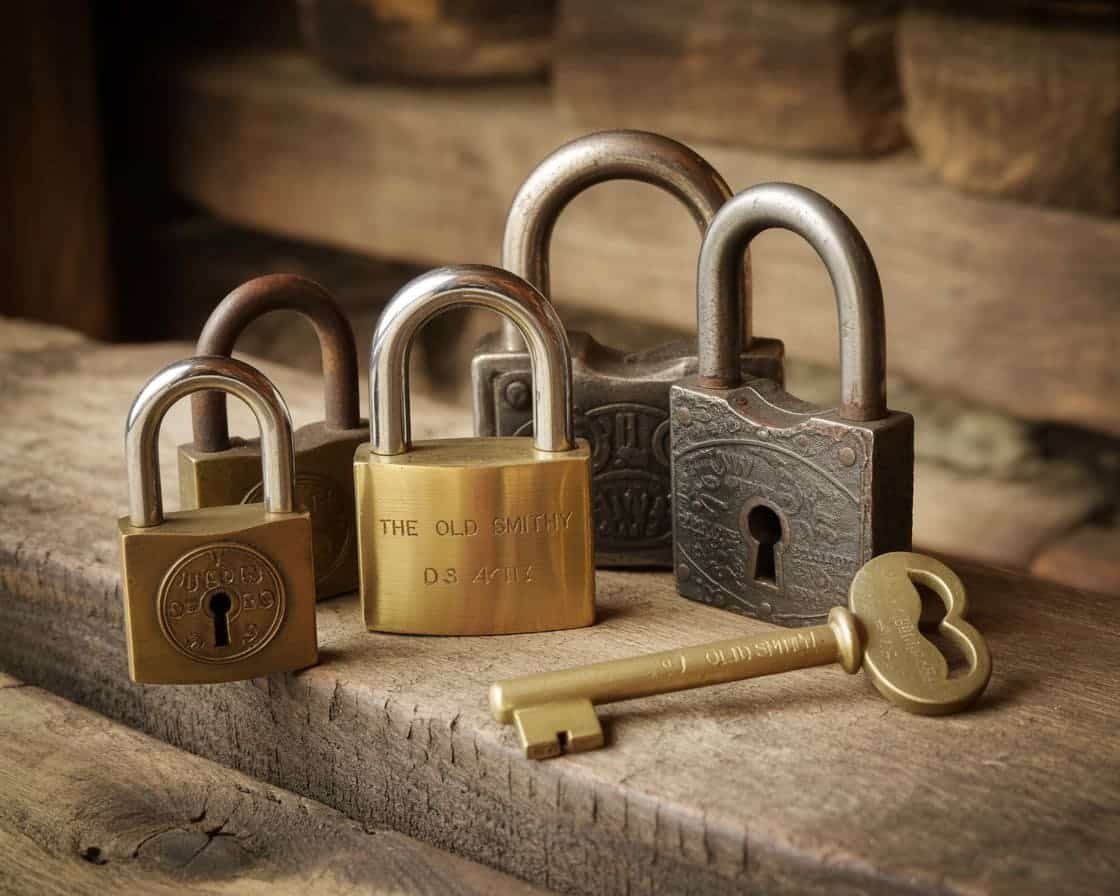
Building regulations for locks are a set of statutory guidelines administered by governmental and industry regulatory bodies to ensure that locking systems installed in buildings adhere to strict criteria for safety, security, accessibility, and energy efficiency. These regulations establish the foundational requirements for design, installation, and maintenance of locks across residential, commercial, and specialized structures, thereby safeguarding occupants and protecting property assets.
Scope and Purpose
Building regulations for locks are developed with the primary objective of ensuring that every locking mechanism used within a built environment contributes constructively to achieved safety and security outcomes. The ovERArching purpose of these regulations can be delineated as follows:
- Safety Assurance: Locks must withstand conditions imposed by fire, attempted forced entry, and environmental stressors, ensuring that in emergencies such as fires, locks aid in the safe evacuation of occupants.
- Security Enhancement: Regulations mandate that locks feature design properties that deter unauthorized access, resist physical attacks, and meet inherently defined performance thresholds regarding durability and strength.
- Accessibility and Energy Efficiency: Compliance extends to ensuring that locks are also designed for ease of access without compromising safety. In modern contexts, regulations integrate energy conservation parameters, particularly where electronic and smart locks are concerned.
- Legal and Financial Protection: Adherence to these regulations minimizes legal risks, ensuring that property owners and managers fulfill both statutory duties and insurance requirements.
The scope encompasses the evaluation of lock design and performance through both mechanical and electronic testing, periodic certification, and robust documentation protocols. Stakeholders, including property managers, landlords, homeowners, and facilities directors, depend on these regulatory frameworks for decisions that affect not only the physical security infrastructure but also the broader operational liability and compliance posture of their properties.
Regulatory History
The evolution of building regulations for locks reflects a progressive response to increasing demands for improved safety and security in built environments. The regulatory frameworks have evolved significantly over the past century as technological advancements and socio-economic factors necessitated stricter safety measures. Key historical developments include:
Early Developments
- Initial Locking Mechanisms and Primitive Regulation:
Early locks were rudimentary, and regulation was minimal, often driven by local customs rather than formalized standards. As urban centers expanded, the need for systematic approaches to security became evident. - Notable Incidents and Shifts:
Fire incidents and burglaries in the early-to-mid 20th century catalyzed the development of stricter guidelines. Historical case studies indicate that instances of catastrophic failures led to public demand for standardized design parameters.
The Emergence of Formal Standards
- Post-War Era and Standardization:
Following World War II, an era marked by increased industrialization and urban development, regulatory bodies began instituting formal standards. For example, the introduction of BS3621 in the late 20th century marked a significant milestone, establishing a benchmark for high-security locks. - Technological Advances:
The integration of electronic and smart-lock technology necessitated further evolutions in regulatory frameworks. Standards evolved from addressing purely mechanical failures to encompassing electrical, digital, and hybrid systems. - Modern Adjustments:
Today, standards such as BS EN 1634-1 and TS007 represent the culmination of decades of refinement and adaptation. They combine lessons from historical experiences with modern technological requirements, ensuring that locks not only secure against physical threats but also align with contemporary energy efficiency and digital integration demands.
Parallel Regulatory Developments
- Sector-Specific Guidelines:
Different sectors, such as residential, commercial, and heritage properties, have seen the development of tailored regulations. For instance, guidelines addressing fire doors (FD30 and FD60) are pivotal in ensuring that locking mechanisms contribute to fire resistance in public buildings. - International Harmonization:
In addition to national standards, international efforts exist to harmonize building regulations. European norms, such as those codified in the BS EN series, help ensure consistency and facilitate cross-border trade and regulatory compliance.
Key Terms and Definitions
A robust understanding of the lexicon surrounding building regulations for locks is essential for both technical professionals and lay stakeholders. Below is a comprehensive list of key terms and definitions:
Major Terminologies
- Building Regulations:
Statutory guidelines that dictate the minimum standards for construction and operation of buildings, including requirements for locking systems. - BS EN 1634-1:
A European standard that specifies methods for determining the fire resistance of door and shutter assemblies. It plays a critical role in ensuring that locking systems do not compromise escape routes during fire events. - BS3621:
This standard sets performance criteria for high-security locks used mainly in residential and commercial settings, ensuring that locks provide a significant barrier to forced entry. - TS007:
A technical standard that assesses lock cylinders for resistance against methods of forced entry, such as drilling and bumping. It categorizes locks based on their security performance. - Part L:
Pertains to the energy efficiency requirements within building regulations, impacting the selection and installation of electric and smart locking systems. - Certification:
The process of evaluating locking systems against established standards, resulting in an official mark or certificate that confirms compliance. - Compliance:
The degree to which a locking system meets the statutory and technical standards set out in building regulations. Compliance is both a legal and operational requirement. - Sold Secure:
A certification scheme widely recognized in the UK for validating the security performance of locks and other security products.
Glossary Table
| Term | Definition |
|---|---|
| Building Regulations | Legal standards for building design, construction, and maintenance to ensure safety and compliance. |
| BS EN 1634-1 | A standard specifying fire resistance for door assemblies and associated locking systems. |
| BS3621 | A British standard governing the performance of high-security locks. |
| TS007 | A technical standard that categorizes lock cylinders based on their resistance to attack. |
| Part L | Energy efficiency requirements affecting modern lock systems and related installations. |
| Certification | The formal process of testing and verifying that a product meets regulatory standards. |
Standards and Certification Processes
The efficacy of building regulations for locks is heavily dependent on rigorous testing and certification processes designed to confirm that locking systems perform safely and reliably in real-world conditions. Several influential standards and certification methodologies shape the evaluation landscape:
Overview of Testing Protocols
- Performance Testing:
Locks are subjected to a series of tests that simulate physical attacks, environmental stressors, and prolonged usage scenarios. This includes:- Force Resistance Tests: Determines the ability of locks to withstand attempts to force entry.
- Fire Resistance Tests: Evaluates how locks perform under high temperatures and exposure to fire, ensuring they remain effective in facilitating safe evacuation.
- Durability Tests: Assess long-term operational integrity, including wear-and-tear, corrosion resistance, and mechanical stability.
- Certification Procedures:
Certification typically involves independent testing by accredited bodies using standardized methodologies. The process can be summarized as:- Initial Product Submission: Manufacturers submit locks for evaluation.
- Preliminary Inspection: A detailed assessment of the design and intended use.
- Rigorous Testing: Locks undergo standardized tests (e.g., simulated forced entry, extended operation cycles).
- Evaluation and Grading: Locks are rated based on performance metrics, and a certification mark (e.g., Sold Secure) is awarded if the product meets or exceeds the necessary standards.
- Ongoing Compliance: Periodic re-testing and audits ensure that products continue to meet regulatory requirements over their lifecycle.
Comparative Analysis of Standards
| Standard | Focus Area | Key Features |
|---|---|---|
| BS EN 1634-1 | Fire Resistance | Determines the performance of doors and locks during fire conditions. |
| BS3621 | High-Security Performance | Tests resistance to forced entry, providing benchmarks for burglary protection. |
| TS007 | Cylinder Robustness | Analyzes resistance to drilling, bumping, and other forms of physical attack. |
| Part L | Energy Efficiency | Sets efficiency standards for electric and smart locking systems. |
Certification and Market Implications
Compliance with these standards not only assures safety but also impacts market dynamics. Certified locking systems are generally preferred by insurance companies, as they minimize risk. Furthermore, compliance certification is often mandated by building regulations for occupancy permits, ensuring that certified locks contribute to the overall safety and integrity of public and private buildings.
Enforcement and Application
The enforcement of building regulations for locks is a critical aspect that bridges regulatory theory and practical application. Regulatory bodies, including local authorities and fire safety inspectors, are responsible for ensuring that installed locking systems meet all statutory requirements. Enforcement strategies include:
Inspection Protocols
- Routine Inspections:
Regular checks are conducted to verify that locks remain compliant with current standards. These inspections include both visual examinations and operational tests. - Audit Procedures:
Detailed audits evaluate the documentation supporting compliance, including certificates, installation logs, and maintenance records. These audits are essential for both newly constructed and renovated properties. - Compliance Verification:
In many jurisdictions, non-compliance resulting from an inspection can lead to mandatory corrective measures, fines, and, in severe cases, restrictions on property usage. Verifiers may utilize digital tools, checklists, and forensic analysis to assess the performance of a locking system under prescribed conditions.
Application in Practice
- New Constructions:
Architects and developers are required to integrate regulatory requirements at the design stage. This proactive approach ensures that the building’s overall safety strategy includes locks that meet the latest standards. - Renovations and Retrofits:
Existing buildings are subject to updates when significant modifications are made. Retroactive compliance is often required during renovations, necessitating the replacement or upgrading of outdated locking mechanisms. - Documentation and Recordkeeping:
Detailed records of installation and periodic testing are maintained to provide evidence of compliance. The ability to produce these records is crucial during audits and in legal disputes. - Professional Engagement:
Engaging certified professionals who understand both the technical and regulatory aspects of lock installation and maintenance is of paramount importance. For instance, Prime Alert – The London Locksmiths offer verification and installation services that align with current standards, ensuring that your property’s security measures are robust and compliant.
Legal and Compliance Implications
The legal framework supporting building regulations for locks imposes critical obligations on property owners, managers, and service providers. Non-compliance can result in significant legal penalties, financial losses, and operational disruptions.
Legal Responsibilities
- Statutory Obligations:
Local authorities and regulatory bodies enforce building regulations rigorously. Property owners are legally mandated to install locks that meet these standards. This legal requirement extends to new constructions as well as renovated premises. - Insurance Requirements:
Insurance providers often incorporate building regulation compliance as a condition for coverage. Failure to use certified locks can lead to the nullification of insurance claims in the event of a breach or accident. - Contractual Liabilities:
When hiring service providers for lock installation and maintenance, there is an implicit covenant that all work will be performed in accordance with regulatory standards. Breaches of this covenant may expose property owners to litigation or claims for damages.
Risk Management
- Liability and Legal Disputes:
In cases where inadequate lock performance contributes to security failures or fire incidents, property owners may face lawsuits or regulatory fines. Maintaining detailed compliance documentation is essential to mitigate such liabilities. - Regulatory Changes and Updates:
As technological and societal changes prompt revisions to building regulations, properties must adapt in order to remain compliant. This dynamic environment necessitates ongoing vigilance, periodic re-assessments, and timely updates to locking systems. - Enforcement Actions:
Regulatory agencies have the authority to perform unannounced inspections and impose penalties for non-compliance. Effective risk management strategies include proactive adherence to updated standards and continuous monitoring of lock performance.
Financial Implications
- Impact on Insurance Premiums:
Properties with certified locking systems are typically rewarded with lower insurance premiums due to reduced risk profiles. Conversely, non-compliance can result in higher costs or even the loss of coverage. - Cost of Upgrades:
While retrofitting non-compliant systems can represent a significant upfront cost, the long-term benefits in terms of safety, legal protection, and financial risk management often justify the expense. - Market Confidence:
Compliance with building regulations enhances market perception, influencing property valuations and the confidence of prospective investors or tenants.
Practical Considerations and Best Practices
Ensuring that locks remain compliant with building regulations necessitates a systematic and proactive approach. The following best practices provide a framework for property managers and facilities professionals to safeguard their assets:
Assessment and Evaluation
- Initial Compliance Audit:
Conduct a comprehensive review of existing lock systems. Evaluate their mechanical properties, verify certification marks (such as those indicating compliance with BS3621 or TS007), and assess their functional integrity under various conditions. - Ongoing Monitoring:
Establish regular inspection intervals to detect any degradation in lock performance. This includes periodic physical monitoring as well as leveraging digital monitoring systems where available. - Utilization of Diagnostic Tools:
Employ tools that measure performance metrics such as resistance to forced entry, operational efficiency, and adherence to defined energy standards. These diagnostic measures help in identifying potential areas of non-compliance before they become serious issues.
Installation and Maintenance
- Certified Installation Practices:
It is critical that installation is performed by trained professionals who have demonstrated expertise in meeting regulatory requirements. Adhering to manufacturer guidelines and statutory installation procedures ensures that locks function optimally. - Retrofitting Guidelines:
For existing structures that do not meet current regulatory standards, a detailed retrofitting plan is necessary. This plan should involve the replacement or upgrading of legacy locks and account for any architectural constraints or heritage considerations. - Maintenance Protocols:
Develop a rigorous maintenance schedule that includes regular servicing, lubrication, testing of mechanical integrity, and re-certification as required by updated standards. Maintenance not only prolongs the lifespan of a locking system but also ensures consistent compliance.
Risk Mitigation and Technology Integration
- Adoption of Smart Technologies:
Modern locksmithing solutions that integrate smart technology provide additional layers of safety. These systems may include remote monitoring, automated alerts for maintenance needs, and digital access controls that complement traditional mechanical security. - Digital Documentation:
Maintain comprehensive digital records of all inspections, certifications, and maintenance activities. This documentation is invaluable during regulatory audits and serves as evidence of ongoing compliance. - Professional Training and Certification:
Ensure that all personnel responsible for installing and maintaining locks are thoroughly trained in both technical and regulatory aspects. Regular training updates help professionals remain current with evolving standards and best practices.
Operational Best Practices
- Standardized Checklists:
Develop and utilize standardized checklists for inspections and maintenance. These checklists should cover key aspects such as lock integrity, certification status, and adherence to installation guidelines. - Benchmarking Performance:
Establish performance benchmarks based on industry standards. Comparing the operational metrics of locks to these benchmarks can help in identifying underperforming units that may require replacement or upgrade. - Cost-Benefit Analysis:
Although upgrades may incur significant costs, performing a cost-benefit analysis helps in understanding the long-term savings in terms of reduced insurance premiums, enhanced property value, and improved risk management.
Industry Collaboration
- Engagement with Certified Professionals:
Collaborate with certified locksmiths and security consultants who have established reputations for meeting regulatory standards. For instance, professionals associated with Prime Alert – The London Locksmiths offer expert installations that align with current regulatory requirements. - Adherence to Evolving Standards:
The regulatory landscape is continually advancing. Stay informed about updates to standards such as BS EN 1634-1, TS007, and Part L, and adjust operational practices accordingly. - Feedback Mechanisms:
Implement systems that capture feedback from maintenance teams and occupants regarding the performance of locking systems. This feedback is crucial for continuous improvement and ensures that practical challenges are addressed promptly.
The regulatory framework for locks is interconnected with several related disciplines that collectively influence building safety and security. Understanding these interrelated topics provides a broader context for the importance of building regulations:
Fire Safety in Buildings
Fire safety regulations, such as BS EN 1634-1, are integral to determining the fire resistance of properly installed door assemblies, including locking systems. The role of locks in maintaining exit routes and optimizing safe egress under fire conditions is a critical aspect of their evaluation.
Security Standards
Security-focused standards, including BS3621, establish performance benchmarks that ensure locks can withstand aggressive physical attacks. These benchmarks are essential for protecting properties against burglary and unauthorized entry, forming the technical basis for lock certification.
Energy Efficiency Requirements
Modern building regulations now incorporate energy efficiency mandates, primarily captured under Part L. These requirements influence the design and selection of electric and smart lock systems, ensuring that security enhancements do not compromise energy conservation goals.
Legal and Insurance Frameworks
Building regulations for locks intersect significantly with legal requirements and insurance mandates. Compliance not only affects property valuation but also plays a central role in reducing liability and ensuring that properties are insurable under current rules. Documentation of compliance is critical when addressing insurance claims and regulatory disputes.
Accreditation and Certification Practices
Certification schemes, such as the Sold Secure mark, validate that locks adhere to strict performance parameters. These independent certifications foster market confidence, guiding property owners and industry professionals in making informed decisions.
Technological Integration
The advent of digital and smart locking systems has introduced new challenges and opportunities. Integration with automated monitoring systems and enhanced diagnostic tools is reshaping traditional locksmithing practices. Such systems not only advance security but also require adherence to both pre-existing and emerging regulatory standards.
Historical Evolution
The evolution of building regulations for locks is marked by a progressive journey from rudimentary security measures to sophisticated, multifaceted standards that govern modern installations. This progression can be segmented into distinct historical phases:
Early Locking Systems and Minimal Regulation
In the early centuries, locking mechanisms were primarily mechanical with minimal standardization. Local customs and informal practices dictated the design and function of locks. As urbanization increased, the demands for reliable security grew, catalyzing the initial formation of basic regulatory guidelines.
Post-Industrial Revolution Developments
The industrial revolution brought about significant changes in building construction and urban planning. With rapid technological advancements, the limitations of existing locking mechanisms became apparent. This era saw the emergence of formalized regulatory bodies tasked with standardizing lock performance, often in response to catastrophic events such as high-profile fires and burglaries. Standards like BS3621 began to be adopted as benchmarks for quality and security.
The Digital Era and Enhanced Regulatory Frameworks
The recent decades have witnessed a paradigm shift with the proliferation of electronic and smart-lock technologies. As locking systems became increasingly integrated with digital infrastructures, regulatory frameworks expanded to include energy efficiency (under regulations like Part L) and data protection standards. The integration of responsive, self-monitoring locks has further complicated the regulatory landscape, requiring continuous updates to standards to keep pace with technological advancements.
Ongoing Reforms and Future Directions
Even as current regulations are rigorously enforced, regulatory bodies continually assess the evolving technological landscape. Future reforms in building regulations for locks may further integrate aspects such as cybersecurity, remote access vulnerabilities, and the environmental impacts of electronic lock systems. Historically, each phase of evolution has been driven by a combination of technological innovation, safety incidents, and shifting societal expectations regarding security.
Key Terms and Definitions (Detailed)
A thorough understanding of the terminology used in building regulations for locks is essential for interpreting the technical and legal texts that govern them. The following definitions provide clarity on the key terms:
Detailed Definitions
- Building Regulations:
Statutory measures that set out the requirements for the design, construction, and maintenance of buildings. These encompass structural integrity, fire safety, energy efficiency, and, critically, the standards for the locking mechanisms used to secure entry points. - Fire Resistance:
The ability of a lock or door assembly to withstand exposure to fire for a specified period, ensuring that exit routes remain accessible and that locks do not become a liability during emergencies. - Mechanical Integrity:
Refers to the physical robustness of locking mechanisms. This includes their resistance to forced entry techniques such as picking, drilling, and bumping. - Certification:
A formal process wherein an independent body tests and verifies that a lock meets or exceeds the performance criteria defined in relevant standards. A certification mark, such as those provided by Sold Secure, serves as an indication of compliance. - Compliance:
The state of conforming to the applicable building regulations and technical standards. Compliance is verified through documentation, testing, and ongoing audits. - Cylindrical Locks:
A type of lock with a cylindrical component that houses internal mechanisms—often evaluated for factors like anti-snap and anti-bump performance using standards such as TS007. - Energy Efficiency Standards (Part L):
Specific regulations aimed at reducing the energy consumption of building systems. When applied to locks, these standards influence the design of electronic and smart systems to ensure low power consumption while maintaining high-security standards. - Accessibility Requirements:
Regulations that ensure that locking systems do not impede emergency egress or contravene accessibility guidelines, such as those outlined in Approved Document M.
Standards and Certification Processes
Building regulations for locks are underpinned by a robust network of standards and certification processes that ensure reliability, safety, and performance. The comprehensive framework is supported by the following components:
Testing and Evaluation Protocols
Locks undergo a rigorous evaluation process which typically includes:
- Mechanical Testing:
Locks are tested for resistance to various forms of physical attacks. This includes procedures to simulate impacts, prying, and forcing techniques. - Thermal Testing:
Particularly for fire-rated locks, testing involves exposure to high temperatures to assess fire resistance performance. - Operational Durability:
Prolonged use, including repetitive cycles, is used to test for mechanical wear and stability. This ensures that locks can maintain performance over extended periods under typical usage conditions. - Environmental Testing:
Locks are also subjected to environmental simulations, including variations in humidity, temperature, and exposure to corrosive elements, to assess their long-term durability.
Certification and Grading
Several independent bodies are responsible for certifying locks through standardized assessments:
- Certification Schemes:
Schemes such as Sold Secure or those administered by the British Standards Institution (BSI) are critical in validating that a lock meets defined performance metrics. - Grading Criteria:
Locks are often graded on a multi-star system (as seen in standards like TS007), which reflects their ability to resist specific forms of attack. Higher grades indicate superior resistance and performance. - Ongoing Verification:
After initial certification, locks are subject to periodic re-testing and audits. This ongoing process ensures that products continue to meet evolving standards, particularly as new technological and design innovations emerge.
Process Flow Summary
| Stage | Activity Description |
|---|---|
| Product Submission | Manufacturers submit locks for evaluation, accompanied by technical specifications and design documents. |
| Preliminary Assessment | An initial inspection determines whether the product meets baseline criteria before in-depth testing is undertaken. |
| Rigorous Testing | Products undergo extensive testing under simulated real-world conditions—including mechanical, thermal, and environmental assessments. |
| Certification | Successful products are awarded a compliance certificate or certification mark, signifying adherence to relevant standards. |
| Ongoing Audits | Periodic re-assessments and re-certification processes ensure continued compliance in line with updated regulatory and technical standards. |
This meticulous process not only ensures product quality but also builds trust within the market and among end users by reinforcing that locks are designed and manufactured to meet the highest standards.
Enforcement and Application
Enforcement of building regulations for locks is a multifaceted process involving local authorities, regulatory agencies, and independent inspectors. Effective enforcement requires a combination of proactive inspections, documentation review, and continuous monitoring, ensuring that all locking systems installed in buildings adhere to the highest standards.
Inspection and Audit Mechanisms
- Routine Inspections:
Checking for compliance is carried out regularly by designated authorities who inspect public and private buildings to verify that all locks conform to the prescribed standards. - Auditing Procedures:
Detailed audits assess whether installation practices have followed manufacturers’ guidelines and regulatory requirements, with particular emphasis on the maintenance of certification records. - Digital Monitoring:
Advanced systems, including remote monitoring and data analytics, are increasingly employed to track the performance and maintenance history of locking systems. These systems help to preemptively identify non-compliance issues prior to formal inspections.
Application in Daily Operations
The practical application of building regulations has a direct impact on day-to-day operations in various property types:
- Newly Constructed Buildings:
Compliance is integrated during the design phase, ensuring that all openings and entry points are equipped with locks that meet current standards. - Renovated or Retroactive Compliance:
Older buildings often undergo retrofitting, where existing locks are replaced or upgraded to align with contemporary regulations. This process involves a thorough assessment of structural compatibility and performance benchmarks. - Role of Certified Professionals:
Engaging professionals who are experienced in regulatory compliance is crucial. Certified locksmiths, particularly those associated with reputable firms such as Prime Alert – The London Locksmiths, offer specialized services that guarantee adherence to regulatory standards. Their work is supported by documented evidence, which forms part of the compliance verification process.
Enforcement Case Studies
Several real-world examples illustrate the enforcement of building regulations:
- Case Study 1 – Residential Compliance:
A multi-unit housing block underwent a mandatory audit following a local fire incident. The audit revealed several non-compliant locks that did not meet the BS EN 1634-1 fire safety standard, resulting in a comprehensive upgrade project led by certified professionals. - Case Study 2 – Commercial Enhancement:
A commercial office building engaged in a retroactive compliance program after local authorities updated the regulatory standards. The improvement program included the installation of advanced high-security locks compliant with BS3621, which subsequently reduced insurance premiums and legal liabilities. - Case Study 3 – Heritage Buildings:
In heritage sites where maintaining the conventional aesthetics is crucial, retrofitting locks required custom solutions that adhered to both historical preservation guidelines and modern safety standards. These cases highlight the careful balance between maintaining character and achieving regulatory compliance.
Legal and Compliance Implications
Compliance with building regulations for locks is not only a safety imperative but also a legal necessity. The responsibilities enjoyed by property owners and managers are wide-ranging and carry significant implications in terms of liability and risk management.
Legal Obligations
- Statutory Requirements:
Building regulations impose clear legal obligations requiring that locks installed in buildings meet standardized performance criteria. These obligations are enforced by local authorities and are a condition for obtaining occupancy certificates. - Insurance Conditions:
Insurers frequently mandate that locks conform to specific standards before issuing coverage. This symbiotic relationship between regulatory compliance and insurance ensures that only systems verified for safety are utilized, thereby mitigating financial risks in the event of a security breach. - Contractual Terms:
When engaging locksmith services, contractual obligations typically include mandates for compliance with building regulations. Failure to comply can result in breach of contract, leading to legal disputes and possible claims for damages.
Risk and Liability Management
- Legal Consequences of Non-Compliance:
Non-compliance may result in substantial regulatory fines, civil litigation, and the potential revocation of occupancy permits. These consequences underscore the critical role that building regulations play in protecting both individuals and property assets. - Documentation and Recordkeeping:
Comprehensive records of installations, inspections, and compliance certificates serve as a legal safeguard in disputes and audits. These records are essential for demonstrating due diligence and adherence to established standards. - Financial Implications:
The interplay between regulatory compliance and insurance directly impacts financial risk. Properties with non-compliant locking systems may face increased premiums or complete denial of claims, thereby emphasizing the importance of maintaining rigorous adherence to standards.
Best Practices for Legal Assurance
- Engage Certified Professionals:
When upgrading or installing locks, it is imperative that maintenance is performed by certified professionals who provide documented evidence of compliance. - Regular Auditing:
Implement periodic audits to ensure that all installed systems remain in line with current regulatory provisions. - Legal Consultation:
Consult with legal experts to remain informed about changes in building regulations and to ensure that your practices continue to meet evolving statutory requirements.
Practical Considerations and Best Practices
Achieving and maintaining compliance with building regulations for locks requires a practical, methodical approach that encompasses careful planning, rigorous execution, and ongoing maintenance. The following best practices represent a synthesis of industry expertise and regulatory requirements:
Comprehensive Assessment and Audit
- Initial System Audit:
Conduct a complete audit of existing locking systems. This involves:- Visual inspections and physical testing of locks.
- Verification of compliance certificates and historical documentation.
- Utilization of diagnostic tools to evaluate the functional integrity of locks under various conditions.
- Periodic Reviews:
Implement a schedule of regular inspections to ensure that locks continue to meet performance standards over time. These reviews reduce the risk of unforeseen failures and support proactive maintenance practices.
Installation and Upgrade Strategy
- Engagement with Certified Professionals:
Ensure that installations and retrofits are handled by technicians with up-to-date certification in building regulation compliance. Professional expertise, especially from reputable organizations like Prime Alert – The London Locksmiths, guarantees that installation practices adhere to both manufacturer guidelines and regulatory mandates. - Retrofitting Legacy Systems:
For older properties, a strategic approach to retrofitting may include:- Detailed assessment of current locking systems against modern standards.
- Selection of replacement products that provide equivalent or improved performance.
- Coordination with heritage preservation specialists when applicable to ensure that aesthetic characteristics are maintained.
- Installation Checklists:
Utilize standardized checklists during installation to verify that all criteria are met. These checklists should cover key performance indicators such as mechanical integrity, certification marks, and proper mounting techniques.
Maintenance Protocols
- Routine Cleaning and Lubrication:
Regular cleaning and lubrication are critical in maintaining the operational efficiency and longevity of locks. Preventative measures reduce wear and tear, ensuring that locks remain functional under stress. - Scheduled Maintenance Visits:
Establish a timetable for scheduled servicing by certified professionals. Maintenance visits should include comprehensive testing, documentation updates, and, if necessary, recalibration or re-certification of the locking systems. - Monitoring Technology Integration:
The advent of digital monitoring systems enables real-time tracking of lock performance. Smart lock systems often incorporate sensors that provide alerts for maintenance needs, thus enhancing compliance management.
Risk Management and Documentation
- Comprehensive Recordkeeping:
Maintaining detailed records of all inspections, certifications, and maintenance activities is essential for regulatory compliance and risk management purposes. Digital logging systems can facilitate easy access and ensure that records are available during audits. - Training and Awareness:
Regular training sessions for property managers and maintenance personnel are crucial. These sessions ensure that personnel are aware of the latest standards, operational best practices, and regulatory changes. - Cost-Efficiency Analysis:
While initial compliance investments may be substantial, the long-term benefits in risk mitigation and insurance savings justify these expenditures. Cost analyses should factor in reduced liability, lower insurance premiums, and enhanced safety outcomes.
Integration of Modern Technologies
The integration of modern locking systems offers opportunities for enhanced security and efficiency, though it also requires strict adherence to regulatory demands. Key considerations include:
- Smart Lock Systems:
These systems incorporate electronic controls and remote monitoring capabilities. While they offer enhanced convenience and monitoring, they must be carefully assessed for cybersecurity and energy efficiency compliance. - Digital Integration:
Digital and automated maintenance systems can streamline the recordkeeping and diagnostic processes. When integrated with building management systems, they offer a holistic view of property security and allow for real-time adjustments. - System Upgradability:
Technology in the field of lock design is rapidly evolving. Systems should be chosen with future upgrades in mind to ensure continued compliance with emerging regulations.
The subject of building regulations for locks is subservient to a broader network of related disciplines that collectively enhance building safety and operational efficiency. Key related concepts include:
Fire Safety Compliance
Fire safety standards, such as BS EN 1634-1, are vital as they directly affect the performance of locking systems during emergencies. The integration of fire resistance with lock functionality ensures that locks contribute to safe evacuation and effective fire containment.
Security and Anti-Theft Standards
Security standards, including BS3621, define the performance expectations necessary to deter burglary and unauthorized access. These standards overlap significantly with mechanical resistance tests and provide benchmarks for evaluating lock durability against various physical attacks.
Energy Efficiency Considerations
Modern regulations increasingly incorporate energy efficiency provisions. As locks evolve to include electric and smart functionalities, they must also meet energy conservation criteria detailed in Part L of building regulations. This ensures that innovations in locking systems
Copyright © 2025 Prime Alert Locksmith. All rights reserved.


