

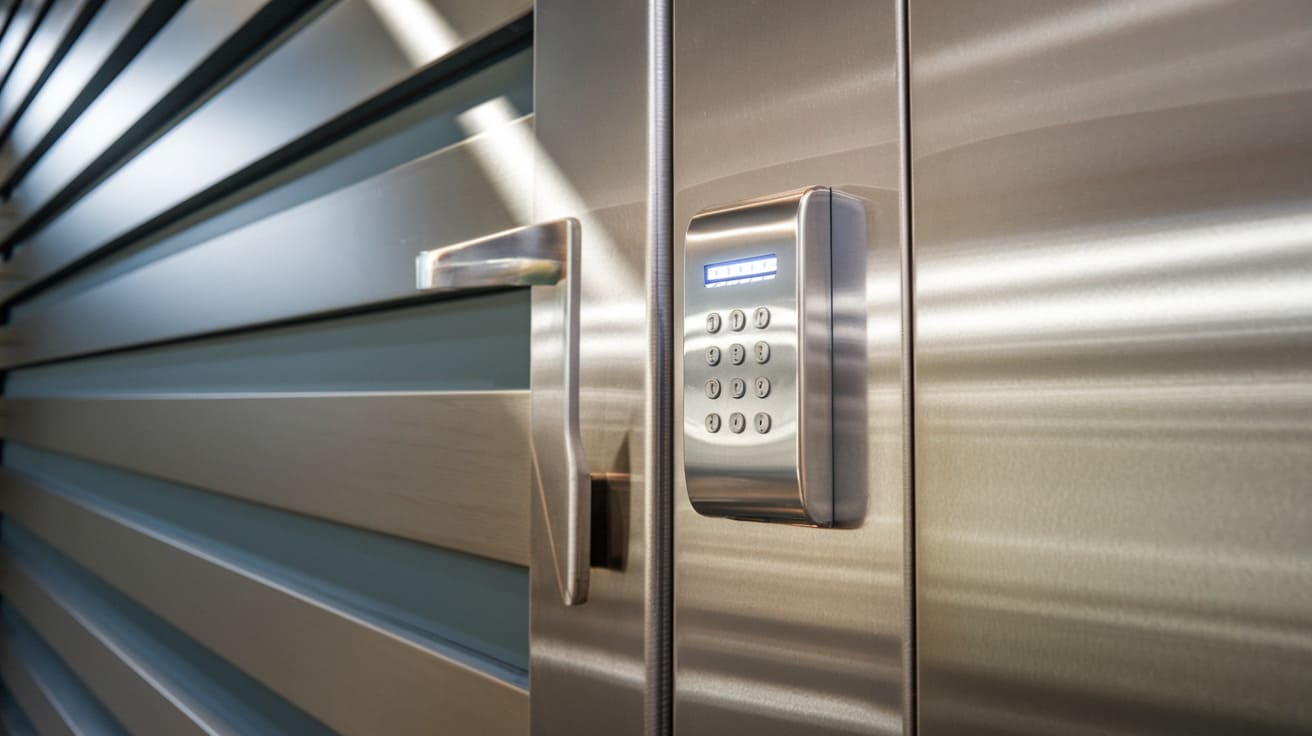
Commercial access control is an integrated system comprising advanced mechanisms, electronic devices, and protocols designed to regulate and monitor access to business premises. It is utilized to secure facilities ranging from office complexes and industrial plants to retail establishments and educational institutions, ensuring that only authorized individuals gain entry to sensitive areas. These systems blend mechanical and electronic components, forming an essential part of modern security infrastructure.
Historical Context and Evolution
The evolution of commercial access control mirrors the broader advancements in security technology over the past century. Traditionally, physical locks using mechanical keys provided basic security; however, they often failed to address the complexities of modern security challenges such as unauthorized duplication and forced entry. The earliest systems were rudimentary, relying on heavy metal constructs and manual key management, which posed significant risks in environments that demanded both scalability and reliability.
With the onset of the digital age, technological breakthroughs spurred the development of electronic access control systems. In the late twentieth century, businesses began integrating magnetic stripe cards and early keypad systems, which offered improved flexibility over conventional key-based locks. These advancements paved the way for the introduction of microprocessor-controlled systems. As electronic components became more reliable and cost-effective, commercial access controls evolved further to incorporate multi-factor authentication methods, including RFID (Radio-Frequency Identification) and biometric verification.
Contemporarily, commercial systems have embraced wireless communication and cloud-managed platforms, signifying a shift towards smart technologies. Innovations such as facial recognition and mobile credentialing are now integral features, offering heightened security through real-time data analytics. The integration of these systems with comprehensive building management frameworks exemplifies a holistic approach to facility security, driven by both technological innovation and stringent regulatory requirements. Today, standards such as BS3621 and ISO/IEC 27001 serve as benchmarks, underscoring the importance of both physical robustness and data integrity in these systems.
System Components and Architecture
Commercial access control systems are characterized by a multifaceted architecture that encompasses both hardware and software elements, forming a robust security network. Each component is designed to contribute to the overall functionality and resilience of the system.
Hardware Components
The primary hardware components include:
- Readers and Credential Devices:
- RFID Readers: Devices that read radio-frequency identification tags embedded in access cards.
- Biometric Scanners: Utilized to capture unique physiological characteristics, such as fingerprints or iris patterns, ensuring a high level of personal authentication.
- Keypad Systems: Enable users to enter a PIN, providing an alternative method for access control in situations where physical credentials may be compromised.
- Mobile Credential Devices: Smartphones and wearable devices serve as modern credentials, integrating seamlessly with digital access control networks.
- Controllers and Processors:
- These serve as the central unit that interprets input from various readers and decides whether access should be granted. Controllers are often networked to a centralized server, which enables real-time monitoring and control over multiple access points.
- Supporting Devices:
- Proximity Sensors: Detect the presence of individuals carrying valid access credentials.
- Alarm Systems: Integrated to provide immediate alerts in the event of unauthorized access attempts.
Software Integration
The integration of software is critical for managing the functionality of the entire access control system. Key aspects include:
- Central Management Platforms:
- These platforms allow facility managers to monitor access events, manage user permissions, and genERAte detailed logs.
- Cloud-based systems offer the advantage of remote management and automatic updates, ensuring that the most recent security protocols are maintained.
- Communication Protocols and Encryption:
- Utilizing standardized protocols (such as TCP/IP) ensures secure, reliable communication between hardware components.
- Encryption algorithms are employed to safeguard the transmission of sensitive data, protecting against cyber threats.
System Architecture
The typical architecture of a commercial access control system is hierarchical. At the lowest level, individual access points (doors, gates) equipped with readers and sensors collect authentication data. This data is transmitted to localized controllers, which then relay it to a centralized management system. The centralized system aggregates data, monitors security status, and facilitates kernel-level decision-making in real time. System diagrams demonstrate these layers clearly, illustrating the interplay between physical devices and digital management software.
| Component | Function | Examples |
|---|---|---|
| Readers and Sensors | Collects access credentials | RFID, biometric scanners |
| Controllers | Processes authentication signals | Microprocessor-based units |
| Central Management | Monitors, controls, and logs access events | Cloud-based security platforms |
| Communication Protocols | Ensures secure data transmission | TCP/IP, encrypted channels |
Applications and Use Cases
Commercial access control systems are deployed across various types of facilities, addressing diverse security and operational needs. The applications span multiple sectors, ensuring a tailored approach to property security.
Office and Corporate Environments
In office settings, commercial access control systems regulate employee and visitor movement. They are integrated with advanced scheduling software, enabling precise control over access based on time and user role. Features include:
- Secure Employee Access:
Systems can restrict entry to sensitive areas such as server rooms or executive offices. - Visitor Management:
Automated systems issue temporary credentials for contractors and visitors, streamlining the check-in process. - Audit Logs:
Detailed records of entry and exit events provide invaluable data for both security monitoring and regulatory compliance.
Industrial and Manufacturing Settings
Facilities in the industrial sector benefit from robust commercial access control systems that address both physical security and operational efficiency. Specific applications include:
- Zonal Access Management:
In environments such as manufacturing plants, different zones are secured based on risk levels and operational priorities. - Integration with Safety Systems:
Access control devices can interface with fire alarms and emergency response systems, ensuring secure egress during crises. - Real-Time Monitoring:
Instantaneous alerts help facility managers address intrusions promptly, reducing downtime and mitigating risk.
Retail, Hospitality, and Mixed-Use Properties
For retail and hospitality establishments, commercial access control systems enhance security while maintaining a customer-friendly atmosphere. Key applications include:
- Asset Protection:
Systems safeguard valuables in areas such as cash rooms or high-value inventory storage. - Operational Flexibility:
Dynamic control allows for changes in access rights in real time, accommodating the fluid nature of such environments. - Multi-Tenant Management:
In mixed-use properties, building owners manage access for various tenants through centralized control systems that ensure both individual and collective security.
Integration with Broader Security Systems
Modern commercial access control is seldom implemented as an isolated system. Instead, it functions as part of a comprehensive security ecosystem, which includes:
- CCTV and Surveillance Systems:
Integration with video monitoring creates a layered security approach, enabling real-time visual validation of access events. - Alarm and Intrusion Detection:
Complementary systems ensure that any unauthorized access immediately triggers alarms, thereby fortifying the overall security posture. - Building Management Systems (BMS):
Synchronization with BMS allows for coordinated control over additional functions such as lighting, HVAC, and fire safety, contributing to enhanced operational efficiency.
Installation and Implementation Processes
Commercial access control systems require meticulous planning and structured execution to achieve optimal performance. The implementation is segmented into several critical phases.
Pre-Installation Planning
Comprehensive pre-installation planning is vital to determine the system’s requirements. This phase includes:
- Site Assessment:
- Evaluation of the facility’s layout, identifying all entry and exit points.
- Analyzing environmental conditions and infrastructure constraints that may impact system performance.
- Requirements Analysis:
- Engaging with stakeholders, including property managers and security teams, to gather detailed operational requirements.
- Defining access protocols aligned with legal and regulatory frameworks.
- Budgetary Considerations:
- Assessing the financial scope, encompassing both initial investment and ongoing maintenance costs.
- Evaluating cost-effectiveness against potential security risks and benefits.
System Design and Configuration
Following planning, the design phase finalizes the specifications and architecture of the system. Key steps include:
- Component Selection:
- Choosing hardware that meets both functional requirements and compliance standards. Examples include RFID readers, biometric scanners, and digital controllers.
- Configuring software platforms to support future scalability and integration.
- Network Planning:
- Designing the communication network that will connect disparate system components.
- Ensuring that the network architecture supports secure data transmission and redundancy.
- Integration Strategy:
- Coordinating installation with existing security measures and building management systems.
- Planning for interoperability between components from different vendors.
Physical Installation
The installation stage involves deploying both hardware and software components across the facility:
- Mounting Devices:
- Installing readers, sensors, and controllers at designated points with precision and durability in mind.
- Cabling and Wireless Setup:
- Laying cables or configuring wireless networks to ensure optimal connectivity and security.
- Configuration and Calibration:
- Setting up control panels and management platforms, testing communication protocols, and calibrating sensors for accurate performance.
Testing, Commissioning, and Ongoing Maintenance
Post-installation testing is critical for verifying that solutions perform as designed:
- Functional Testing:
- Systematic testing of every component to ensure proper operation; for example, verifying that each reader accurately registers credentials.
- System Commissioning:
- Final adjustments based on field conditions, ensuring that all systems operate cohesively within the integrated security network.
- Conducting user training sessions to familiarize facility staff with the control systems.
- Maintenance Protocols:
- Establishing scheduled check-ups and software updates to maintain system efficacy.
- Implementing predictive maintenance measures to mitigate unforeseen failures, ensuring that your facility remains secure over time.
Benefits and Limitations
Commercial access control systems offer significant advantages but also present certain challenges that need to be managed.
Benefits
- Enhanced Security:
These systems dramatically reduce the risk of unauthorized entry by providing controlled, monitored access. The integration of multiple authentication methods, such as RFID, biometric, and mobile credentials, significantly increases security levels. - Improved Operational Efficiency:
Automation of access procedures reduces administrative efforts. Systems can log entry events, generate real-time alerts, and streamline visitor management, all of which contribute to a more efficient facility management process. - Scalability and Flexibility:
Modular architectures allow for easy integration of additional components as organizational needs evolve. Whether you are expanding your facility or upgrading existing systems, modern access control solutions can adapt to changing infrastructures. - Regulatory Compliance:
Adhering to established standards such as BS standards in the UK and ISO certifications globally, these systems provide assurance to regulators and insurers, potentially reducing liability and financial risk. - Data-Driven Insights:
Advanced access control systems produce extensive audit logs and analytics. These insights help in understanding usage patterns, optimizing resource allocation, and improving overall security practices.
Limitations
- Complexity of Integration:
Implementing a robust access control system in a commercial setting often involves complex integration processes. This includes interfacing with legacy systems and ensuring compatibility across multiple providers, which can be technically challenging. - High Initial Investment:
The advanced technology and extensive infrastructure required for commercial systems generally involve substantial upfront costs. Overhead expenses such as installation, configuration, and integration further contribute to the financial outlay. - Maintenance Demands:
Continuous system efficacy requires regular maintenance and updates. Failure to perform routine checks and technological updates can lead to vulnerabilities, diminishing the overall security benefits. - Interoperability and Customization Issues:
When combining products from different vendors, achieving seamless interoperability is not always straightforward. Custom solutions may be necessary, which can further complicate system management. - Data Privacy Concerns:
As commercial systems increasingly rely on cloud-based management and digital data storage, robust firewall measures and data encryption protocols must be maintained. Concerns regarding data breaches and unauthorized access to sensitive information persist, especially in large networks.
Standards and Regulatory Frameworks
Commercial access control systems are governed by a wide array of standards and regulatory frameworks that ensure systems are both effective and reliable. Compliance with these standards is imperative for maintaining operational integrity and legal adherence.
Key Standards
- British Standards (BS):
- BS3621: This critical standard specifies performance requirements for deadlock systems used in external applications. It underpins many systems designed for commercial use in the UK.
- BS EN Standards: A series of European standards that detail the construction, performance, and testing of locking systems, ensuring consistency across different markets.
- International Standards:
- ISO/IEC 27001: Applicable particularly to systems that manage digital data, this standard focuses on establishing, implementing, maintaining, and continually improving an information security management system.
- Other Relevant Certifications: In several jurisdictions, additional certifications like UL or ESA are required to validate the security and performance of access control systems.
Regulatory Implications
Adhering to standards is not just a matter of quality assurance but also of legal compliance. Regulatory considerations include:
- Data Protection Legislation:
Systems must comply with data privacy laws such as GDPR in Europe, which governs the collection, storage, and processing of personal data. - Building and Fire Safety Regulations:
Regulations often dictate the requirements for access control, ensuring that systems do not impede emergency egress and comply with fire safety standards. - Occupational Health and Safety Requirements:
Regular maintenance and inspection of such systems are mandated to protect occupants, requiring rigorous record-keeping and adherence to prescribed standards.
Implementation of Standards
The effective implementation of these standards requires a structured approach:
- Certification Processes:
Regular audits and assessments ensure that systems meet the rigorous standards established by regulatory bodies. - Training and Documentation:
Comprehensive documentation and operator training are necessary to maintain compliance over the long term. - Technical Upgrades:
Integrating new technology and updating existing infrastructure is often required to keep pace with evolving regulatory requirements and emerging security threats.
Safety and Compliance Considerations
Safety and compliance in commercial access control are of paramount importance, as they directly affect both the protection of assets and the credibility of security systems. Addressing these considerations entails both proactive planning and continuous monitoring.
Risk Management Strategies
Effective risk management in access control systems involves:
- Identification of Threats:
- Evaluating both physical and cyber risks associated with unauthorized entry.
- Recognizing vulnerabilities in older systems that may be susceptible to tampering or bypass.
- Preventative Measures:
- Employing multi-factor authentication to reduce the risk of weakness in any single component.
- Using encryption and secure communication protocols to safeguard data transmissions.
- Audit and Monitoring:
- Regular system audits help uncover potential security gaps.
- Continuous monitoring through centralized platforms ensures that any anomalies are promptly addressed.
Compliance Practices
Ensuring that an access control system adheres to established standards involves:
- Regular Reviews:
- Systematic evaluations of hardware, software, and procedural practices.
- Scheduled maintenance checks and audits to ensure continuous compliance with international and local standards.
- Training Programs:
- Comprehensive training for facility managers, technicians, and security personnel.
- Certification programs, such as those implicitly offered by Prime Alert – The London Locksmiths, support best practices and compliance.
- Documentation:
- Maintaining detailed records of installations, configurations, and maintenance activities to assist in compliance audits and legal scrutiny.
Commercial access control systems exist within a broader ecosystem of security and management technologies. A comparative analysis reveals their unique characteristics and interrelationships with other security methodologies.
Comparison with Residential Access Control
- Scale and Complexity:
Residential access control primarily addresses smaller scale environments with relatively fewer entry points. In contrast, commercial systems are designed to handle the challenges of multi-tenant, high-traffic facilities. - Regulatory Environment:
Commercial systems operate under stringent building codes, safety regulations, and industry standards. These regulatory requirements necessitate a higher degree of technical sophistication. - Operational Considerations:
Commercial access control systems incorporate features such as audit trails, real-time monitoring, and centralized management, which are generally exceeding the needs of a standard residential setup.
Integration with Broader Security Architectures
Commercial access control is often implemented as a component of an integrated security solution, incorporating various systems:
- Video Surveillance:
Integration with CCTV systems enhances situational awareness and allows for a coordinated emergency response. - Alarm and Intrusion Detection:
Coupling with alarm systems provides an added layer of security by ensuring that any breach immediately triggers notification protocols. - Building Management Systems (BMS):
Access control can be synchronized with other facility management systems, such as HVAC and lighting, to create a unified operational hub.
Technological Comparison
The technical merits of various commercial access control modalities are often compared as follows:
- RFID versus Biometric Systems:
- RFID systems provide efficient, contactless identification and are well-suited for high-traffic environments.
- Biometric systems offer enhanced security by utilizing unique physiological characteristics; however, they may require more complex infrastructure and higher initial investment.
- Keypad Systems versus Mobile Access:
- Keypad systems remain popular due to their reliability and ease of use, though they are vulnerable to observational techniques.
- Mobile access systems offer dynamic, flexible credentialing through smartphones and other devices, incorporating encryption for enhanced security.
- Local Management versus Cloud-Based Solutions:
- Localized systems potentially offer quicker response times with dedicated hardware, whereas cloud-based systems provide scalability, remote access control, and regular software updates.
Economic and Operational Impact
When assessing the adoption of commercial access control, several economic and operational points must be considered:
- Return on Investment (ROI):
Despite high initial costs, commercial access control solutions deliver significant long-term benefits, including enhanced operational efficiency, better security, and reduced administrative overhead. - Operational Efficiency:
Automated log generation, remote management capabilities, and real-time alerts contribute directly to improved facility management. - Legal and Insurance Considerations:
Using certified, compliant systems can reduce liability and insurance premiums, while demonstrating adherence to legal standards protects both property owners and tenants.
Copyright © 2025 Prime Alert Locksmith. All rights reserved.


