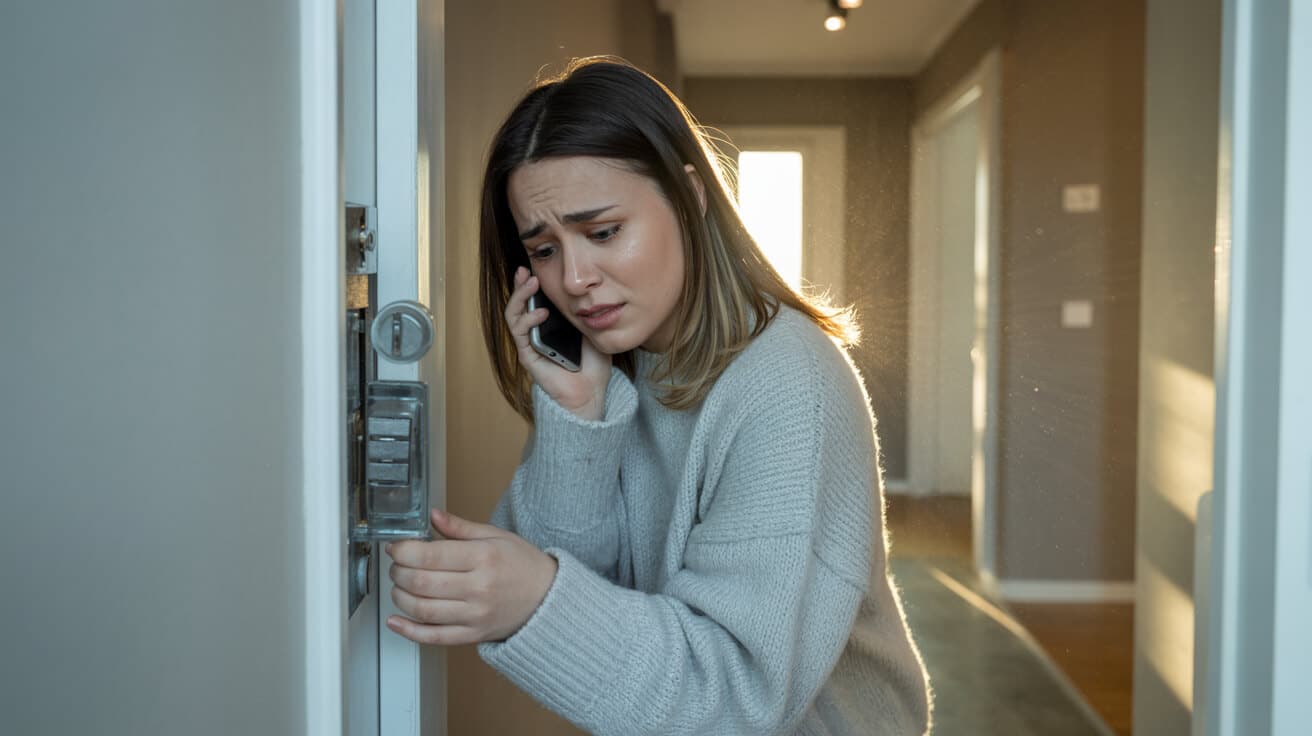
10 Things To Do Immediately After A Burglary
 10 Things To Do Immediately After A Burglary

What’s the First Step to Take Immediately After a Burglary?
A break-in throws your world off-balance. In those first electrified moments, your one concern has to be safety—yours, your family’s, your team’s. Resist the urge to check what’s gone; get everyone out and away from the property, and don’t take any chances with someone still inside.
Safety comes before curiosity—exit swiftly, even if you’re unsure.
Should You Stay Inside If the Intruder Might Still Be There?
Never. Step outside, bring everyone with you, and get to somewhere safe—neighbour’s house, lit pavement, anywhere out of harm’s way. As soon as you’re clear, call emergency services.
The Metropolitan Police are clear: “If you think the offender may still be present, ring 999 immediately.â€
(confused.com/home-insurance/guides/what-to-do-if-you-get-burgled)
Every second counts. Starting with your safety is how you protect both people and the chances of catching the intruder.
Why Should You Contact the Police Without Delay?

You might feel shocked, even embarrassed, but swift action isn’t a luxury—it’s your right and your best chance of recovering what’s been taken. Calling police early means they’re on the scene sooner, evidence is fresher, and your case moves forward straight away.
Hesitation is natural, but acting fast supports a thorough investigation.
Which Number: 999 or 101?
- 999: For emergencies, or if there’s even a hint the burglar is close by.
- 101: Scene is secure, no offender nearby.
Be ready to give your location, a summary of what you know, and clear details. This isn’t just good for you—it makes your insurance claim stronger.
“Contacting the police as quickly as possible maximises the chance they can catch the burglar or recover your possessions.â€
(met.police.uk/advice/advice-and-information/bur/burglary/what-to-do-after-a-burglary/)
Focus on preserving the scene while you wait.
Why Must You Preserve the Scene Until Police Arrive?

Your property just became a crime scene. Don’t touch a thing. Leave doors as you find them, leave mess as it is. Fingerprints, footprints, and seemingly random debris all count as important evidence.
That lone fingerprint or scuff mark could lead straight to the perpetrator.
What Are the Biggest Evidence Risks?
- Don’t handle, move, or clean anything—especially on entry points or where the mess is concentrated.
- Don’t go searching for missing property yet.
“Preserving the crime scene can be the key to finding the person responsible.â€
(police.uk/advice/advice-and-information/victim-support/what-happens-after-you-report-crime/forensic-evidence/)
Your next job: record every detail before memory fades.
Why Is Writing Down Details Immediately So Important?

Shock fades fast, and with it, the specifics you’ll need. Within an hour, important sights, sounds, and smells go missing from memory. Write everything you can remember—right now.
Details lost now are gone for good—your memory is sharpest in the first hour.
What Should You Note?
- Any strange sounds, sights, or smells
- Who was present, what everyone noticed
- Timeframes, even if rough
- Anything that feels “off†or out of place
“Making a written note straight away helps produce the most accurate account for police or insurance.â€
(victimsupport.org.uk/crime-info/types-crime/burglary/)
Have each person in the property do their own version if possible—details add up.
Why Take Photos and Videos Before Anything Changes?

Your phone is now a power tool. Visual documentation is hard evidence. It helps both the police and your insurer see exactly what happened and what was lost or damaged.
Your phone is your strongest ally—capture wide shots and detail close-ups now.
Which Evidence Matters Most?
- Entry points: doors, locks, broken glass
- Room views, mess, upturned drawers
- Serial numbers or identifying marks on electronics
- Stolen item “last seen†locations
“Photo and video evidence is vital for police and insurance claims alike.â€
(insuranceverygooduk.com/understanding-evidence-and-documentation-in-uk-insurance-claims/)
Back up photos to cloud storage right away in case your phone is lost or needed.
What Kind of List Helps with Police and Insurance Claims?

A simple, thorough list fast-tracks everything. It’s not just the high-ticket stuff: every single missing, damaged, or moved item—no matter how small—goes down.
Even small or low-value items should be included—spare keys and USB drives are easy to overlook.
Best Practice List
- Description/make/model of each item
- Value (estimate if needed), purchase date or location
- Serial numbers and clear photos
- Receipts if you have them
“A detailed list speeds up insurance and police processes, and improves your chances of getting items back.â€
(aviva.co.uk/insurance/home/products/home-insurance/burglary-claims/)
Don’t guess—if in doubt, add the item and confirm later.
Can Neighbours or Local CCTV Tie Up Loose Ends?

Chances are, you weren’t the only eyes on your property that night. Neighbours, passers-by, and even delivery drivers may have seen something. Doorbell camERAs and street-facing CCTV tell stories no one else heard.
Cameras tell silent stories—footage from a neighbour’s doorbell could change everything.
How to Systematically Ask for Help
- Knock on doors—ask about odd noises, parked vans, or people out of place
- Request a quick review of their security footage around the time of the break-in
- Get notes or screenshots to share directly with police
“Neighbourhood CCTV is often decisive in tracing offenders.â€
(jmw.co.uk/services-for-you/personal-injury/lifecycle-of-a-claim/seek-evidence)
Share what you find with police right away—every bit fills in the picture.
What is the Crime Reference Number and Why Protect It?

Once your case is reported, the police issue a crime reference number—write this down. It’s your key for everything from insurance claims to repair authorisation and case updates.
Store your reference number—it’s your passport for the road ahead.
Where Should You Keep It?
- Write it in your notes, then save it digitally (cloud, email, password app)
- Tell everyone in the property or business who might be affected
“Insurers and investigators require this number to progress your case.â€
(confused.com/home-insurance/guides/what-to-do-if-you-get-burgled)
You’ll need it again and again.
When to Contact Your Insurer and What Will They Ask For?
No waiting—call your insurer as soon as you have the crime reference number and your basic documentation. Time is of the essence; delays can mean denied claims. Many policies require notice within 24–48 hours.
Don’t delay this call—some policies demand notice within 24–48 hours.
Insurer Checklist
- Crime reference number, full itemised list, proof like photos/receipts if possible
- Sequence of events—a short timeline, not a formal storey
“Insurers can deny claims if you delay notifying or cannot provide required documentation.â€
(moneysupermarket.com/home-insurance/burglary-and-theft/)
Insist on written confirmation from your insurance rep for each step.
Why Always Use Accredited, Insurance-Ready Locksmiths and Repairers?
Here’s what most forget: unauthorised repairs can destroy the evidence the insurer or police need. Certified, reputable professionals—like Prime Alert – The London Locksmiths—keep every fix above board, with documentation your insurer will respect.
Fast but unauthorised repairs wipe away lasting proof and jeopardise your payout.
What to Check
- Police say it’s okay to begin repairs—get written go-ahead if you can
- Use only certified experts, and keep every receipt
- Photos before, during, and after work cement your claim
“Improper repairs or lack of evidence may void your insurance—always use qualified, insured professionals.â€
(citizensadvice.org.uk/crime-victim/burglary/)
A top locksmith restores your security—and your eligibility for a payout.
How Does a Burglary Affect You Emotionally—and How Can You Recover?
Losses are measured in more than pounds and pence. A break-in triggers anxiety, fear, and disrupted sleep. Accept that these feelings are normal—they usually pass with time, support, and action.
You’re not alone if you struggle—many find even routine noises unsettling after a break-in.
Practical Ways to Find Relief
- Return to daily habits fast—order and predictability rebuild calm
- Talk to friends, family, victim support
- Consider upgrades: alarms, new locks, security lighting, and cameras
- Don’t push yourself—let your pace drive your recovery
There’s no single fix. Progress builds from small steps.
Why Listen to Survivor Stories and Trusted Professionals?
Real accounts from people who’ve been there cut through the theory. Survivor experience, paired with expert advice, equips you to act confidently and avoid missed steps.
After our burglary, documenting everything not only helped my claim, but gave me back my control.
What Actually Makes a Difference?
- Immediate help from a professional locksmith or police
- Neighbours sharing information or CCTV evidence
- Acceptance of practical and emotional support—Victim Support, GP, friends
“A locksmith arrived within two hours and changed our locks. That’s when I felt safe again.â€
Let stories like these drive you to take action, not freeze.
Which Common Mistakes Bulk Up the Damage After a Break-In?
The cost often compounds after the fact—by rushing or overlooking crucial steps:
- Delaying police or insurer calls
- Cleaning, fixing, or changing locks before official go-ahead
- Using uncertified repairers
- Not documenting losses in enough detail
A simple misstep now can make the entire recovery harder.
Stick to the plan—you don’t want to be rebuilding your case from scratch later.
How Can You Lower the Chance of a Repeat Incident?
Burglars target properties they know are soft or easy. Security upgrades cut risk dramatically—think deadbolts, smart locks, alarms, and stronger grilles.
Service-Driven Prevention
- Fit certified high-security locks (ask for BS3621, EN1303, or similar)
- Secure weak doors and windows—grilles, bars, reinforcement plates
- Make visible changes (cameras, motion lights, new alarm stickers)
- Arrange a security audit from a reputable locksmith
- Build stronger signals—neighbours looking out, lights on timers
Even quick upgrades deter opportunists scouting for easy wins.
What About Children and Vulnerable Adults—How Do You Support Them?
Children and those with extra needs often find incidents like this more confusing or terrifying. Help them return to gentle routines and involve them (in age-appropriate ways) in fixing things.
What Helps
- Honest, calm explanations
- Choices—let them pick out a new light, alarm, or lock
- Steady bedtime routines; patience with bad dreams
Continued distress? Reach out to your GP—don’t wait for problems to “pass.â€
When Is It Time to Consider Moving After a Burglary?
Most don’t need to move. Emotional recovery and practical improvements are enough for the vast majority. Rarely, if persistent fear or harassment continues (especially if advised by police), moving is your call.
Factors Guiding This Choice
- Ongoing targeted threats or repeat incidents
- No improvement in confidence after time and help
- GP or police recommendation for your safety
Don’t rush. Seek advice before considering such a step.
Does a Failed Police Investigation Spell Defeat?
No. While justice matters, your real progress after a burglary depends on decisive recovery, diligent claims, and improved security. You control your next chapter.
What you do today safeguards your future far more than any conviction.
Results may not be instant, but every action you take influences future risk.
Which Local and National Resources Offer Real Support—And Is It Free?
Help is out there, both practical and emotional. And yes, much of it is free and available long after the event itself.
- Victim Support: – [victimsupport.org.uk](https://www.victimsupport.org.uk/crime-info/types-crime/burglary/)
- Citizens Advice: – [citizensadvice.org.uk](https://www.citizensadvice.org.uk/crime-victim/burglary/)
- Prime Alert – The London Locksmiths: – For repairs, expert paperwork, ongoing support
Don’t hesitate—these services are for you.
What’s the Fastest Way to Get Back on Track? Immediate-Action Checklist
Momentum starts now. Lean on checklists built by experts—they’ll cover both paperwork and emotional support.
- Download the free Home Recovery Checklist: —step-by-step, nothing missed
- Contact a certified locksmith: for insurance-proof repairs, any time
- Reach out to Victim Support: —help is genuinely there, 24/7
Every action you take stacks the odds in your favour.
Why Do Early Steps Lead to Better Long-Term Security?
Speed and decisiveness foster relief—UK insurers consistently report that most burglary victims begin regaining confidence within weeks after taking practical steps and getting help.
Action compounds: secure your property, seek support, and move forward.
How Is This Guide Different—And Can You Trust Its Steps?
Every piece of advice here blends survivor testimony, expert input, and step-by-step structure—not recycled lists or one-size-fits-all tips.
- Experience from victims and professionals
- Police and insurer–approved best practice
- Emotional and practical recovery combined
- Q&A structure, not just points
- Tools for real resilience and control
Trust these steps—they’re built to restore your confidence.
FAQ: Tackling Emotional Recovery and Security Fears
How quickly do people feel safe again?
Most regain calm in a few weeks—faster with routines, security upgrades, and getting support.
Will I need to move house?
Almost never—most rebuild confidence and stay put; but sometimes, moving may be the right move if problems persist.
What if my anxiety or sleep struggles won’t go away?
Normal at first—if persistent, talk to your GP or Victim Support for practical help.
Can another break-in really be prevented?
Sharper security and stronger support dramatically cut repeat risk—yes, you can lower it.
How Can You Set the Tone for Your Household’s Recovery?
Be the calm leader, not the stressed one. Give your team (be it family, housemates, or staff) clear, constructive direction. Ask for honest feeling, but reinforce positive routines and practical steps. Confidence isn’t about having no nerves—it’s about showing up with a plan and moving forward.
Not Sure Where to Start? Download Your Recovery Checklist Now
Stuck? The easiest step is the next one. The free Home Recovery Checklist lands clarity right in your hands—it’s simple, evidence-based, and built for action—not more overwhelm.
The most essential move is always the next one—every action restores a little more certainty.
Quick-Reference Table—The Essential Post-Burglary Roadmap
When stress scrambles your brain, keep it simple. Here’s your cheat sheet:
| Do First | After Police Arrive | Within 7 Days |
|---|---|---|
| Get everyone out | Give a full statement | Upgrade security |
| Call 999 or 101 | Photograph the scene | Rebuild routines |
| Leave the scene intact | Record the crime ref no. | Seek emotional/practical support |
| Make detailed notes | List missing/damaged items | Download the home checklist |
Order equals momentum; just keep ticking the boxes.
Your Recovery—Partner with Prime Alert – The London Locksmiths Today
Your security and peace of mind aren’t up for debate. Call Prime Alert – The London Locksmiths now for trusted, evidence-proof repairs, paperwork made easy, and genuine support at any hour. Your recovery starts the minute you reach out—don’t let worry take the lead.
Frequently Asked Questions
What must you do immediately after a burglary to ensure everyone’s safety and preserve critical evidence?
Remove yourself and others from the property straight away, calling the police before re-entering or touching anything inside.
The urge to check the damage or straighten possessions is natural, but it can unintentionally compromise vital fingerprints, footprints, or tool marks. Remain outside or with a trusted neighbour, and use 999 if any threat lingers—or 101 for non-emergencies. Follow only police instructions when they arrive. Their initial scene assessment is not just about catching the burglar; it directly impacts your insurance rights as well.
Urgent action list:
- Exit the premises calmly without disturbing doors or windows
- Contact police, share all known details, and await guidance
- Allow only police access until official clearance
How can you avoid actions that would risk your insurance payout after a burglary?
Leave the property untouched until police complete their investigation—never clean, realign, or pick up scattered items before you’re advised it’s safe.
Insurance companies frequently review how evidence was handled, using reports from authorities as a reference. Even relocking an entry or tidying debris can erase crucial forensic traces the police or insurance adjusters need. Record who enters or leaves the property until authorities finish. Keep a private log as a reference—it demonstrates full cooperation no insurer can dispute.
Careful claim protection:
- Don’t re-secure or relock any forced doors or windows
- Hold off on moving valuables or clearing glass
- Make a list of anyone who enters for transparency
Which documents and images will best support your insurance claim for burglary losses?
High-resolution, timestamped photographs, an itemised inventory, and clear proof of purchase are evidence insurance companies accept most confidently.
After police permit entry, photograph every access point, damaged lock, and stolen or broken item with your phone or camera. Use both wide shots and close-ups for clarity. List each item’s model, make, and serial number. Attach digital receipts, prior valuations, or even screenshots from email invoices or banking apps to speed claim approval. Supplement your submission with “before†photos if you have them from previous insurance records.
Documentation most valued by insurers:
- Timestamped damage photos from multiple angles
- Detailed item inventories with unique identifiers
- Receipts, bank records, or prior insurance appraisals
When and how should you notify your insurer to maximise your claim’s success?
Reach out as soon as you’ve received your police crime reference number—waiting longer than 24 hours can raise red flags.
Quick reporting signals responsibility and can accelerate claim processing. Prepare to submit a timeline, supporting photos, and an itemised list of affected belongings. Commercial policyholders should also be ready to explain security implications for their business or property, including whether entry points remain vulnerable. Clarify steps you’ve already taken to restore security, as this may positively affect claim handlers’ perception.
Key insurer communications:
- Supply the police reference number with your first contact
- Send over your documentation and loss report promptly
- Explain any security repairs in progress
What is the safest way to secure your home or business after police have investigated a burglary?
Only after police clear the scene should you hire a certified locksmith—preferably one with direct experience in insurance-compliant repairs and security upgrades.
Speed matters, but so does evidence integrity. Delaying essential lock changes can leave you at further risk; acting too soon can wipe away evidence. Choose a fully qualified and DBS-checked team like Prime Alert – The London Locksmiths to minimise delay and maximise compliance. Insist on receipts for all work, photograph the condition before and after, and request security recommendations for future prevention. Trusted locksmiths not only fix damage—they help restore confidence and stop repeat incidents.
Secure restoration timeline:
- Get written police clearance before any repairs
- Choose fully vetted, accredited locksmiths
- Save full documentation and photos for your records
How can you help your household or staff recover emotionally in the aftermath of a burglary?
Open up honest conversations, affirm everyone’s feelings, and actively involve them in security enhancements to rebuild comfort quickly.
Burglary often steals peace of mind as surely as property. Children, the elderly, or team members may feel ongoing worry long after the doors are fixed. Talk openly about what happened, invite practical involvement—like selecting new locks or alarm systems—and offer professional resources such as Victim Support or workplace wellbeing lines. Celebrating tangible security upgrades reinforces everyone’s sense of safety.
Security is more than locks—it’s restored trust and shared strength after a setback.
Trust Prime Alert – The London Locksmiths for rapid repairs and expert guidance, so you can protect what matters and recover peace of mind—day or night.