

 Garage Security Simple Ways To Protect Your Tools And Vehicle
 Garage Security Simple Ways To Protect Your Tools And Vehicle

How Safe Is Your Garage Really—And What Are You Risking?
Most people obsess over the front door, but your garage is usually the real open invitation. Criminals know it. “95% of garage break-ins are opportunistic—criminals look for an easy way to grab your tools, bikes, or gain entry to your home” (adt.co.uk). Tools, bikes, and even cars go missing in minutes. One weak point, and the whole property is exposed.
The space that keeps your gear safe can turn into your biggest risk overnight—often by accident, never by plan.
Getting garage security wrong isn’t just about losing a drill or two—it’s the stress, the insurance nightmare, and the feeling that someone’s invaded where they had no right to be. If your locks are old, the hinges rattle, or you’re trusting what came with the house, you’re taking chances your insurance won’t back up.
Why Are Garages a Magnet for Thieves and What Do They Target?
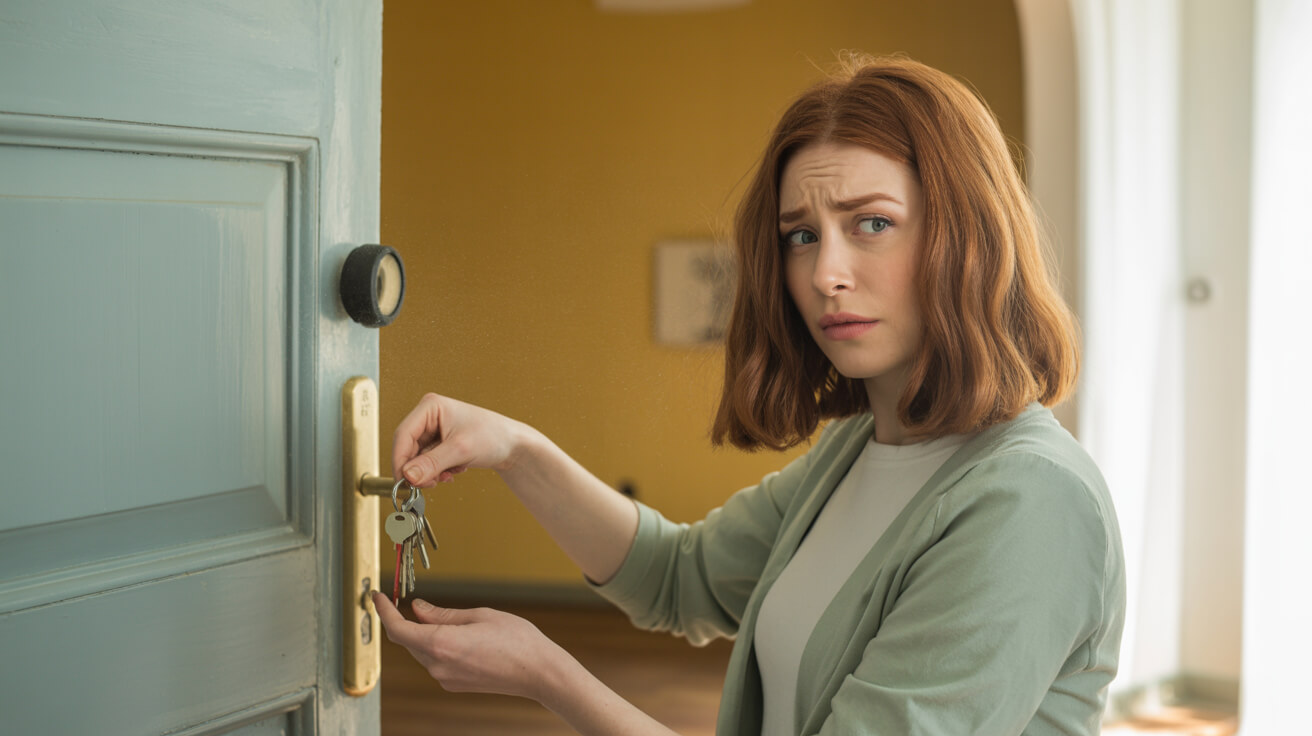
Criminals see garages as easy pickings. Why? It’s simple: bikes, power tools, and second cars all sit out of sight but are rarely properly locked down. “Garages are involved in 35% of reported home burglaries” (westyorkshire.police.uk). Most owners rarely check up on their garage, and most burglars know it.
What Are They After?
- Power tools, bikes, grills, and parts—prime for resale.
- Spare keys or codes left lying around.
- The connecting door to the house—easy escalation.
Criminals shortcut the garage because it’s consistently the spot nobody double-checks after dark.
Are You Letting False Security Risk Everything You Store?
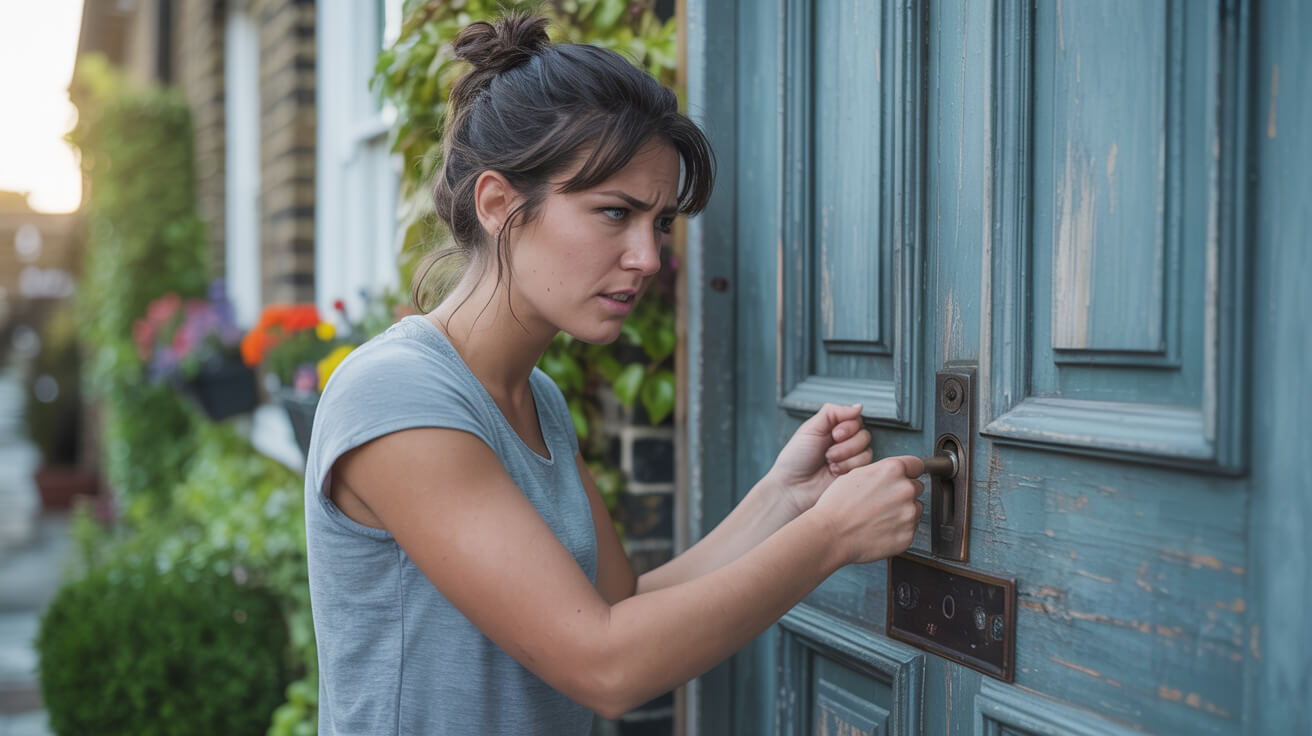
A cheap padlock or a door lever isn’t enough. Most just “feel” secure, but criminals spot weak links at a glance. “Most homeowners rate their garage as their least secure entry”—and so do criminals (findthisbest.co.uk). Builders aren’t paid to care; upgrade standards are always your call.
Thieves rarely bother with the best-defended homes. Guess which doors they pick first?
If your security relies on hoping for the best, you’ve actually left an opening.
The Real Price of Getting Garage Security Wrong
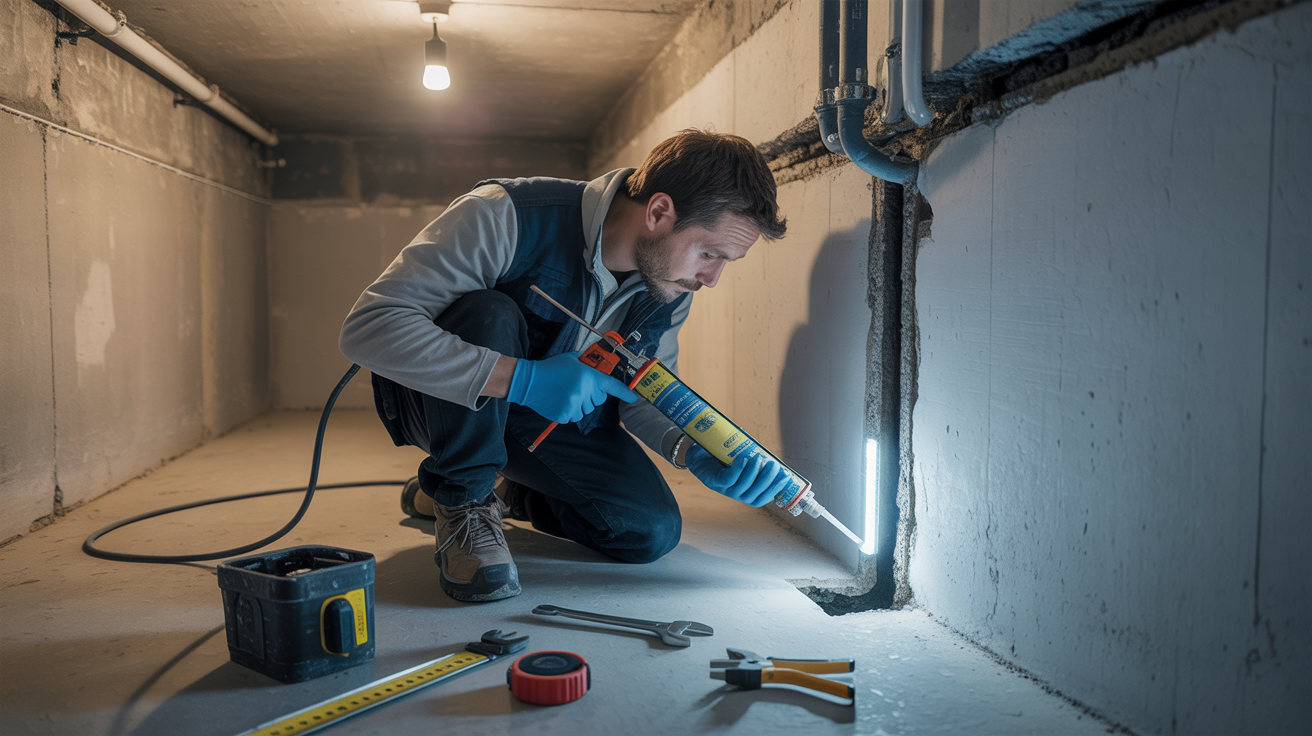
Break-ins cost more than just tools and bikes. Average losses exceed £1,200 per incident—but it doesn’t end there (toolstop.co.uk). Insurance may stall or underpay if the evidence shows you skipped on upgrades or maintenance. Higher premiums, denied claims, and long weeks replacing kit—every shortcut echoes.
Why Layered Security Beats “Just One Lock”—Every Time
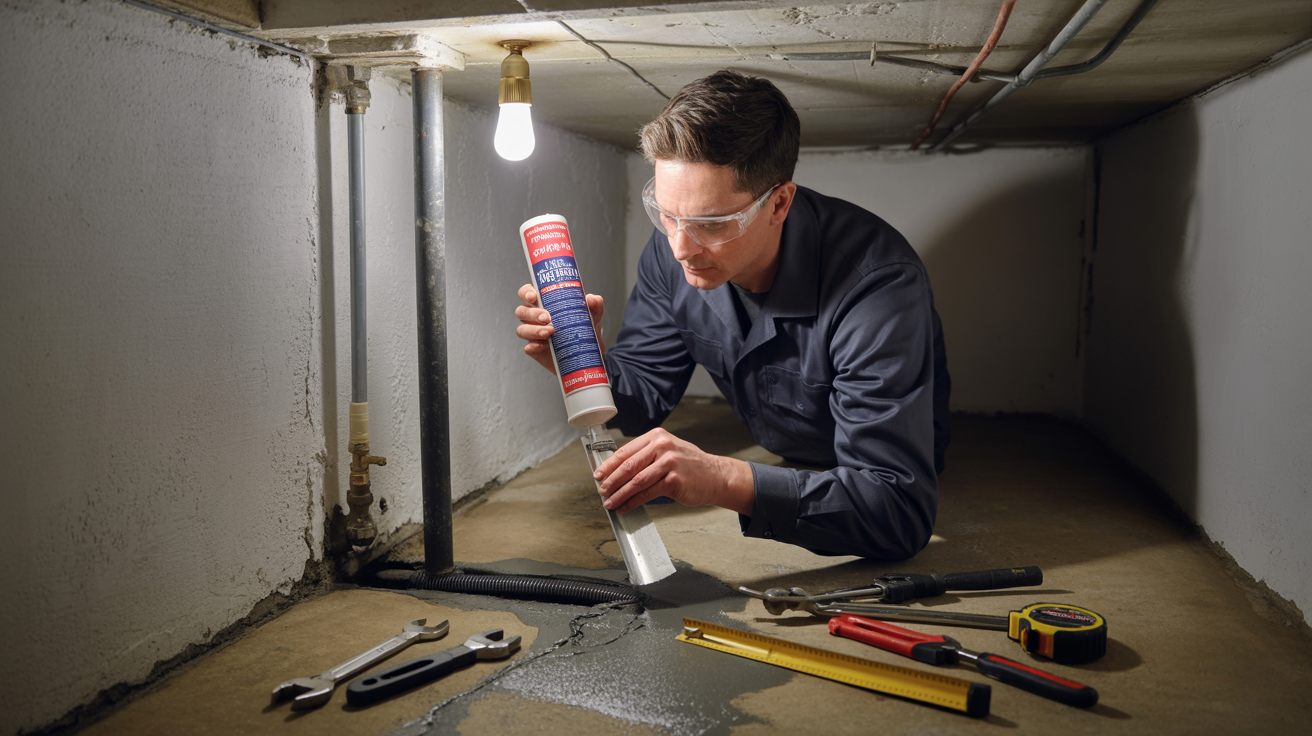
One good lock is never enough. Burglars test the basics; they give up when forced to battle multiple barriers. Think visible defenders, internal slide bolts, alarms, and motion lighting stacked at every approach. “The strongest approach is layered: multiple locks, barriers, alarms, and lighting all work together” (westyorkshire.police.uk). Each layer you add takes time and tools thieves would rather avoid.
What Are the Most Common Garage Security Mistakes?
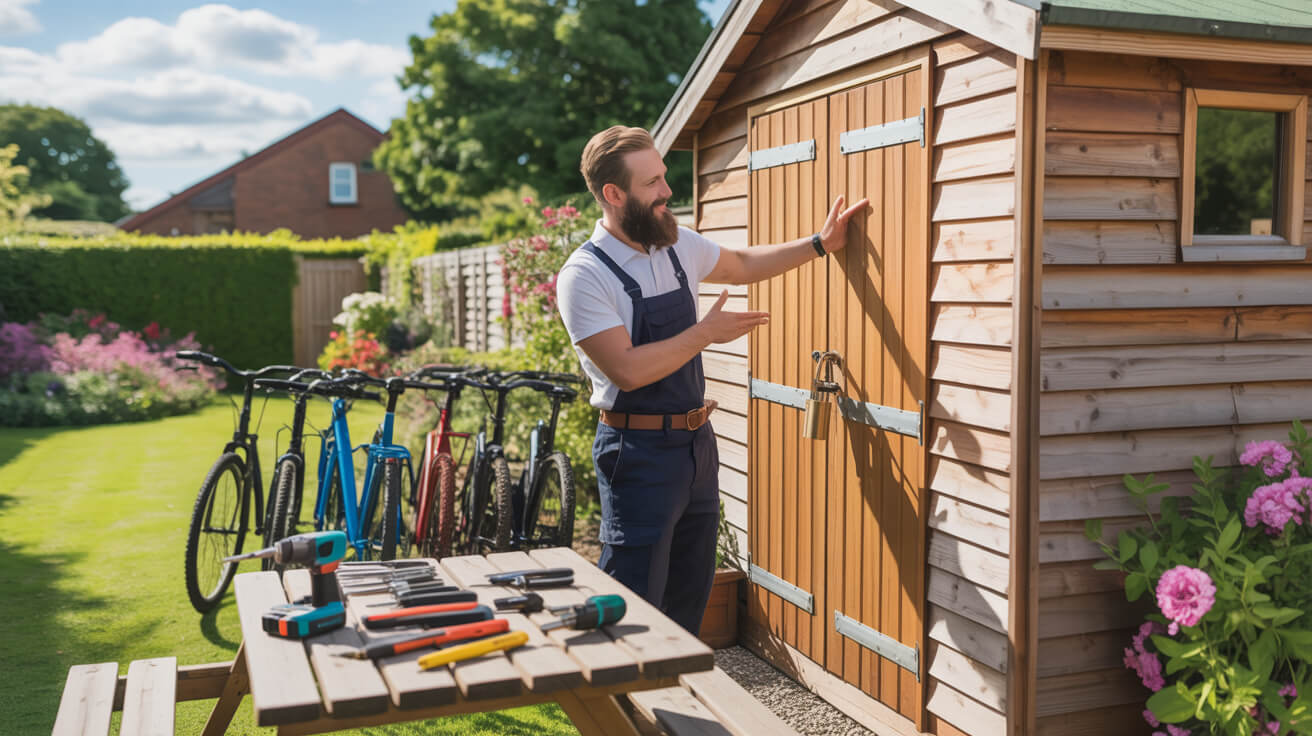
Most garages never get upgraded from day one. Old locks rust. Hinges warp. Door alignment slips. Remote controls get left in cars, in plain sight—easy unlock for the next thief passing by. “Old locks are 80% easier to pick than new models” (pittwatergaragedoors.com.au). The real risk? The upgrade you keep putting off.
Is Your T-Handle Lock Enough—Or Are You Just Hiding the Problem?
T-handle locks are quick to fit, but easy to defeat. They look solid, but offer little resistance if a thief wants in and carries a wrench or pry bar. “Widely recommended for their installation speed and simplicity” (findthisbest.co.uk), but don’t trust only what you can see from the outside. Add secondary locks inside, and you block single-approach attacks.
Do Invisible Barriers Like Slide Bolts or Drop Bolts Make a Difference?
Hidden locks inside the door—slide bolts and drop bolts—work because thieves can’t reach them without a break-in first. They’re best for garages where you want to lock up overnight or for long stretches away. “A basic slide bolt can be invisible to a burglar and block most opening methods” (adt.co.uk).
Should the Side Door Get a Deadbolt—Is It Really That Vulnerable?
Yes, the side door is often wide open—figuratively. Standard latches are no match for a determined intruder. Fitting a deadbolt with a reinforced plate shuts down a favourite bypass route. “A properly installed deadbolt provides maximum resistance and delay for a forced entry” (met.police.uk). It’s a quick upgrade that buys real time if someone tries their luck.
What Kind of Padlock Actually Protects Your Garage?
Cut-rate padlocks might look tough, but most get snipped with the right tools. “Closed-shackle padlocks hold up best but avoid discount brands” (garage-door-roller-shutter-repairs.co.uk). Heavy-duty hasps and tamper-resistant shrouds keep attacks at bay. If in doubt, compare padlocks at any proper locksmith—they’ll show which units survive real-world attacks.
Can Garage Door Defenders and Shield Bars Really Stop an Intruder?
Yes—and not just in theory. Door defenders and security bars add visual and physical deterrence. “Top-rated visible deterrents like these especially help on up-and-over or roller doors” (vanlocksonline.co.uk). Seeing that, most burglars just look for easier pickings further down the road.
Do Garage Windows Give Thieves the Preview They Need?
Anything a thief can see raises the odds you’ll be targeted. Frosted film, reflective glass, or even blackout blinds reduce risk immediately. “Privacy film reduces smash-and-grab risks by 50%” (toolstation.com). If you don’t cover the windows, you’re advertising what’s worth stealing.
Should You Lock Up Tools INSIDE the Garage as Well?
Every layer matters. An extra padlock or steel cabinet inside converts a break-in to a frustrated—and usually much shorter—visit. “Interior locks can prevent smash-and-grab losses entirely” (toolstop.co.uk). Mark tools with your postcode, keep a running inventory, and don’t make it easy to clean you out.
Does Technology Help? Alarms and Cameras for Garages
Modern wireless alarms, light-up CCTV, and even dummy sirens can change a burglar’s mind before they touch the door. “DIY garage alarms and cameras deter the vast majority of opportunists” (met.police.uk). Pair these with a visible box and signage for best effect. Choose what fits your habits: motion push alerts, mobile app controls, or auto-dial functions.
Are Chains, Ground Anchors, and Bracing Bars Worth the Trouble?
Yes—especially for bikes, e-scooters, and high-value garden kit. “Visible ground anchors alone can drive off opportunists before they try” (securebydesign.com). Big hurdles get you skipped over for a softer mark—simple as that.
Will Maintenance Failures Undo All Your Security Investments?
All risks grow with neglect. Rusty locks, jammed bolts, or misaligned doors eventually break at the worst moment. “Maintenance more than doubles the effective lifespan of all security features” (pittwatergaragedoors.com.au). Schedule a quarterly check—oil, realign, and replace what’s tired.
Don’t Leave the Opener in Your Car: The Burglar’s Shortcut
Burglars love easy wins. If they find your garage remote in the glove box, that’s both doors open, no noise required. “A stolen opener is the easiest route to the rest of your property” (theaa.com). Switch to key fobs or app controls and leave nothing in the vehicle overnight.
Small Habits That Stop Big Losses—What Are You Overlooking?
Daily discipline is the strongest alarm. Always lock every garage entry, keep the remote out of the car, and never leave tools in plain sight. Confirm alarms and cameras work. “60% of garage thefts involve nothing more than an unlocked door or visible valuables” (comparethemarket.com). A checklist habit trumps the best tech if you actually do it.
Great security is mostly made up of tiny habits you actually stick to.
Monthly Garage Security Audit: The Essential Checklist
Every four weeks, check all locks, test alarms, inventory high-value gear, and check for signs of forced entry—inside and out. “Combining at least two security upgrades reduces attack risk by over half” (met.police.uk). Fix gaps now; don’t wait for a burglar to find them first.
When DIY Won’t Cut It: Why Turn to a Locksmith?
Not every risk is DIY-fixable. If your lock’s been picked, the mechanism is sticking, or your insurance wants proof of upgrades, call a pro. “A trained locksmith can specify, fit, and repair robust security in a way DIY usually can’t” (which.co.uk). The right expert sorts new locks, fast repairs, and proper records for claims.
How Can You Stay Ahead of Modern Burglars?
Lock standards and break-in tricks keep changing. Very few homeowners audit their garage kit more than once a decade—but you should check it every two years. “Most providers now require BS3621 or Sold Secure-standard locks on garages” (soldsecure.com). Keep invoices and manuals. That way, when a claim hits, you’re ready.
Should Security Be Obvious, or Subtle?
Obvious security is proven to work. Thieves prefer soft targets. Floodlights, alarm stickers, defender bars, and even CCTV in plain sight make your garage a problem, not an opportunity. “Highly visible security features deter most opportunists before they ever attempt entry” (adt.co.uk). The more hassle they expect, the closer they look at the next house, not yours.
What If a Garage Break-In Happens—What to Do Next
First: don’t touch anything. Call the police, get a crime reference, and photograph damage and missing gear. Your insurer will want proof of forced entry, so keep the scene intact. “Immediate action raises recovery chances and gets your home secure again, fast” (met.police.uk). Get locks replaced straightaway, and review all habits and upgrades after.
Will Insurance Really Pay Out After Garage Theft?
Only if you did your part—certified locks and basic upgrades are the norm now, not just for show. “Approved locks and visible upgrades are often required to validate claims after theft” (comparethemarket.com). Keep paperwork and photos up to date, and schedule reminders before every policy renewal.
Who Actually Sees Results—A Real Garage Security Win
John in North London knows the value of serious kit: “Van Vault and door defenders stopped my break-in cold; without both, my tools would be gone” (toolstop.co.uk). Not all wins make the news—often, the only sign your system works is that you still have your stuff.
Which Upgrades Matter Most Right Now?
Start with what you can do today: fit slide bolts, get a ground anchor, put up privacy film. “Slide bolts, ground anchors, and frosted film are affordable and make burglars reconsider” (adt.co.uk). These basics return more value than most tech, fast.
Why Make Garage Security Maintenance Non-Negotiable?
Routine isn’t glamorous, but it works. A six-month sweep—check all moving parts, test batteries, tidy up wiring—catches most future problems. “Experts urge biannual reviews for doors, locks, and alarms” (pittwatergaragedoors.com.au). Simple checks—big savings.
Can Better Garage Security Really Raise Your Home’s Value?
Yes—savvy buyers and insurers both want to see visible, recent upgrades. “Modern, visible security features increase property value and make future sales easier” (zoopla.co.uk). Invest now and you win twice—today’s reassurance and tomorrow’s price boost.
Prime Alert—Your Safety Partner for Lasting Garage Protection
There’s always a choice: hope you’re lucky or take control. “Accredited local locksmiths provide tailored upgrades, emergency callouts, and ongoing support” (thelondonlocksmiths.co.uk). Don’t risk losing more than gear. Contact Prime Alert – The London Locksmiths for expert audits, certified upgrades, and round-the-clock help—whenever your peace of mind matters.
Frequently Asked Questions
Why do certain homes and business premises attract more garage break-ins than others?
Garages positioned away from main entrances—especially those with weathered hardware or no visible defences—top the hit list for opportunists. Thieves are drawn to garages showing even subtle signs of neglect: worn handles, easy-to-spot valuables through windows, or basic locks that haven’t been upgraded in years. In London’s commuter belts and urban sprawl, Neighbourhood Watch surveys reveal that garages lacking prominent locks or visible deterrents face triple the risk of attempted break-ins compared to neighbouring homes with upgraded security. A garage isn’t just a storage space—it’s often a silent shortcut to the rest of your property.
What environmental cues increase risk?
- Faded or rusted locks and hinges suggest low maintenance
- Open sightlines to bikes, power tools, or boxed goods from outside
- Unattended vehicles parked close, offering cover or remote opener access
Most criminals choose speed over force—if your garage presents less resistance, you’re first in the queue.
Which upgrades offer the best value for increasing garage security on a budget?
The strongest results often come from the simplest improvements. Upgrading locks to British Standard deadbolts or installing internal bolts (£20–£60) closes off popular break-in shortcuts without requiring a major overhaul. Adding a ground anchor or defender plate (£40–£80) transforms your garage from an easy mark into a visible challenge. Covering windows with privacy film and fitting motion lighting further deters casual prowlers looking for a low-risk score. Aviva’s 2024 claim data confirms: garages with at least two new security mechanisms file 50% fewer loss claims. Layering these tweaks establishes a formidable first line of defence that burglar alarms and apps only reinforce.
Which steps create the biggest immediate deterrence?
- Instal motion-activated lights and basic DIY alarms by all garage entries
- Bolt down lockers or anchor racks for tools and trade items
- Conceal high-value gear behind opaque film or simple blinds
Each measure discourages opportunists and usually wins favour with insurers.
What types of locks and hardware make garages truly resistant to break-ins?
For up-and-over doors, anti-snap T-handles or modern Euro-cylinder locks (TS007 or BS3621) remove easy attack routes exploited by burglars. Secondary slide bolts fitted inside or ground staff barricades make brute force a much tougher prospect. Wooden or side doors benefit from British Standard deadbolts paired with heavy-duty defender bars. Closed-shackle padlocks and beefy hasps (from trusted brands like Banham, Yale, and Squire) reliably withstand bolt cutters and drills. Leading insurance firms indicate properties with visible, certified hardware suffer far fewer breaches and enjoy premium reductions as a result.
Which certification standards provide greatest peace of mind?
- BS3621/TS007: on main locks (assurance against picking and drilling)
- Defender plates and anchors fixed into masonry, not timber
- Locks and security bars visible from the street to warn off crime
Prime Alert – The London Locksmiths advises on compatible products and installation for every garage style.
How can you keep tools, bikes, and valuables protected if stored inside a garage?
Visible valuables are quick targets, no matter your neighbourhood. Secure expensive gear—tools, e-bikes, stock—in bolt-down, insurance-rated storage chests (Sold Secure Gold or LPCB). Chain bikes or machinery to floor anchors to frustrate grab-and-go thefts. Never store remote openers or keys in cars, even for a few minutes. Maintain a photo log and engrave or UV-mark inventory, boosting both loss prevention and odds of recovery—Met Police reports a 70% recovery rate for marked property (2024). Layer these physical barriers with motion alarms to detect “fishing” attempts or entry when you’re not home.
Which daily routines protect your property?
- Hide high-value items from any garage window or sightline
- Update digital or photo inventory every time you add or upgrade gear
- Always lock equipment to independent anchors, never just racks or stands
A little diligence outpaces reliance on alarms alone.
What common habits unknowingly expose garages to theft or vandalism?
Routine shortcuts undermine even expensive hardware. Relying on a single lock, leaving garage remotes in the car, or putting off simple repairs all invite intruders. Skipping updates after home moves or tenancy changes often leaves ex-occupants with working keys. Many homeowners still forget to lock internal garage doors or activate alarms before bed—a habit most burglars exploit. According to Loss Prevention studies, 60% of garage thefts occur due to integral locks being unlocked, weak, or faulty. Unchanged combinations and out-of-date codes are an invitation for the wrong people to let themselves in.
Which new habits offer maximum return?
- Conduct monthly maintenance checks—locks, hinges, and alarm functionality
- Immediately bring garage openers inside, never leave them in view
- Lubricate and test all locking devices regularly to preempt breakdowns
Small changes today preserve your reputation—and keep insurance costs under control.
How can sustained routines and monitoring guarantee ongoing garage security?
Security isn’t a “done once” project—it requires continual action. Build a recurring checklist: monthly tests on all locks, alarm battery swaps, sensor cleaning, and updating privacy film or blinds as your storage needs shift. Log all high-value items digitally, supplementing with photos and serial numbers. Arrange professional lock assessments annually—Prime Alert offers this service—or after any break-in attempt, not just after a loss. Insurers increasingly offer premium reductions to policyholders who document and photograph their routines, proving active management of property risk. These behaviours elevate you from at-risk to resilient in a way no single device ever could.
Security is the routine that quietly guards your biggest investments. What you repeat becomes what no one else can breach.
For a next-level security walkthrough or to schedule an audit, connect with Prime Alert – The London Locksmiths—London’s trusted partner for proactive property protection.


