

 How To Open A Jammed Door Lock Safely
 How To Open A Jammed Door Lock Safely
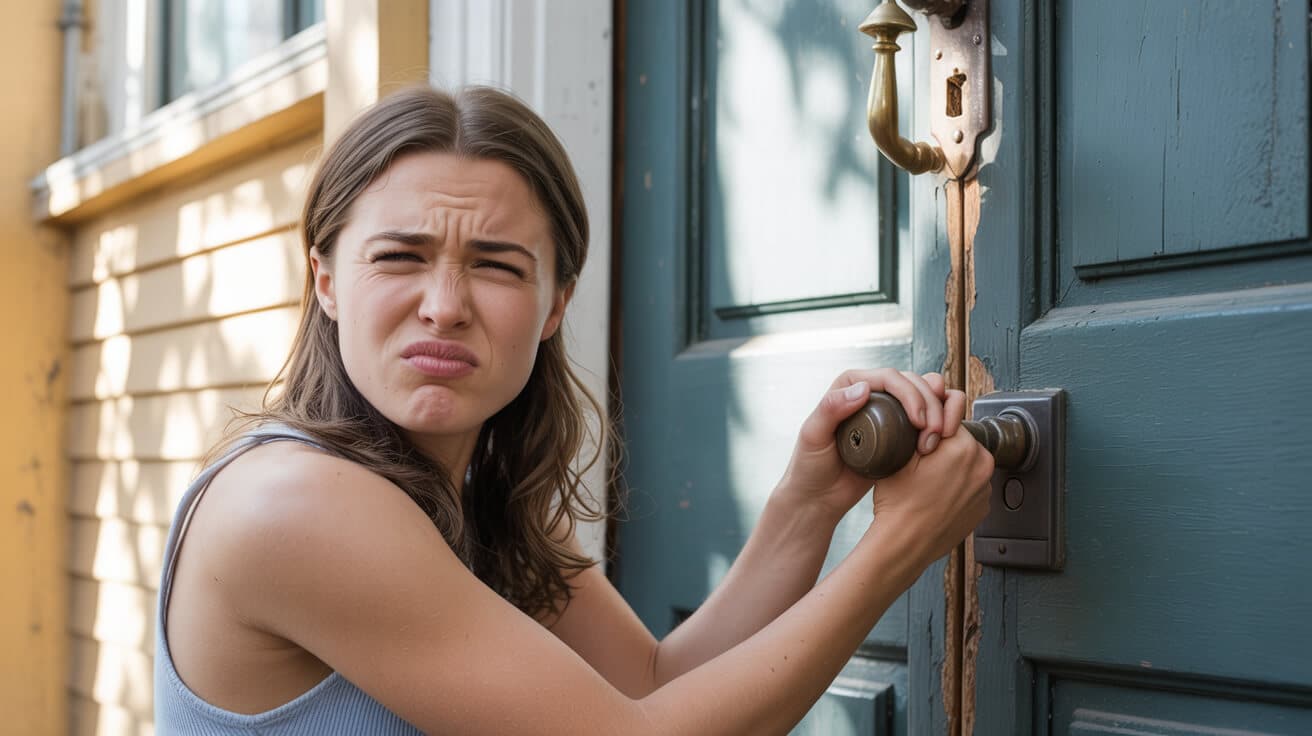
How Can You Open a Jammed Door Lock Safely—Without Causing More Damage?
A jammed door lock is more than an inconvenience—it’s a shot across the bow of your security and daily routine. Your instinct might be to force the issue, but force multiplies risk: a bent key, broken lock, and an even bigger bill. The strategic approach? Stay calm, know the right steps, and recognise exactly when to hand the problem over to professionals.
The difference between a quick fix and a costly mistake comes down to patience and the right move at the right time.
What Are the First Signs a Lock Is About to Jam?

Most lockouts don’t strike out of nowhere—locks send up warning flares long before total failure. These signals are subtle, so most people ignore them until they’re locked out with groceries in hand.
Pay attention to these tell-tale symptoms
- The key grinds, resists, or needs wiggling to turn.
- The lock cylinder feels oddly loose, or spins instead of catching.
- You need to lift, push, or pull the door for the lock to engage.
- The key gets stuck, or comes out only after wrestling.
- Keys or handles look slightly bent, worn, or have visible metal shavings.
Studies in the UK show that over two-thirds of failed locks showed symptoms before jamming outright (elocal.com). Acting on these signals right away often means the difference between a £15 fix and a £150 emergency.
“Catching a stubborn lock early always costs you less—in stress, time, and money.”
Why Do Door Locks Jam Suddenly—And Can You Prevent It?

Locks rarely jam for no reason. Underneath that one “sudden” stuck key lies weeks (or years) of creeping causes. By spotting these root problems, you can often prevent a full-scale jam.
Hidden triggers behind lock jams
- Dust, grit, or pocket debris falling into the keyhole.
- Weather changes warping doors or frames—classic in many London homes.
- Overusing worn or badly copied keys.
- Accidental damage from forced locks or repeated DIY attempts.
- Internal wear: tired springs, bent pins, or ageing lock mechanisms.
Exploding these “invisible” threats before they snowball is the secret to reliable locks. It’s often a door alignment issue putting excess tension on the working parts—something many homeowners overlook (helplease.net).
What Are the DIY Mistakes That Make Locks Worse?

There’s a moment when you cross from problem-solver to repair bill genERAtor. The urge to fight a stubborn lock is real, but these tactics often mean disaster.
Moves to Avoid When a Lock Jams
- Forcing the key, handle, or thumb turn.
- Inserting household items (pins, knives, paperclips) into the lock.
- Spraying WD-40 or oil-based lubricants—these attract dust and harden inside.
- Hitting the lock or slamming the door in frustration.
- Repeating failed fixes after each new jam.
Nearly all broken key extractions and lock replacements start with a moment of desperation. When in doubt, slow down—intelligent troubleshooting always beats brute force.
Which Tools and Lubricants Are Actually Safe For Locks?

Your best intentions can backfire without the right products. Some “fixes” gum up the works, while others extend your lock’s life by years.
Proven-safe products locksmiths endorse
- Graphite powder or pure silicone sprays—dry, non-gumming, and weather resistant.
- Compressed air to lightly blast away inner dust.
- A small precision screwdriver to gently remove faceplates (when you’re calm and the situation allows).
Products to avoid
- Household lubricants (WD-40, 3in1, oil, or grease).
- Random metal objects or makeshift picks.
- Power drills or impact drivers in untrained hands.
Insider tip: Graphite and silicone outperform oils every time, preventing sticky build-up (familyhandyman.com). The gentler your method, the less likely you’ll do damage.
“Patience is the lock’s friend—and yours.”
How Do You Lubricate a Jammed Lock—Without Overdoing It?

A little lube, done right, can make a world of difference. Too much (or the wrong kind) usually guarantees trouble.
Four steps to smart lock lubrication
- Squirt a tiny bit of graphite powder or silicone spray directly into the keyhole.
- Insert your best-condition key and move it gently in and out—not with force.
- Wipe off all excess from the key and the lock’s surface.
- Don’t over-apply—if you make a mess, start cleaning, not cranking.
If things don’t improve after a few calm tries, there’s an underlying mechanical problem that brute force won’t fix—time to pause.
Are There Gentle Hand Moves That Sometimes Free a Jammed Lock?

If you’ve tried safe basic methods and the lock is still resisting, there are a few hands-on techniques that are less likely to do harm.
Safe manual tricks—don’t force it
- Support the door’s weight—lift or press gently to take pressure off the lock.
- Always use an undamaged, clean key. Avoid worn-out or bent ones.
- In winter, warm the key (not the lock itself) to remedy light freezing.
- On some latches, a sturdy, flexible plastic card can pop a stubborn catch—never use force.
If you hear scraping, grinding, or new clicking noises, stop immediately—these are signs of internal lock damage and call for an expert, not another go at DIY.
When Does DIY Cross the Line—And Require a Pro?

Persistence is admirable—until it starts costing more than it saves. At a certain point, professional expertise is safer, faster, and much cheaper in the long run.
Time to call Prime Alert – The London Locksmiths
- The key is truly stuck—refuses to budge, or comes out only with fight.
- The lock cylinder spins, or you hear “grinding” or “clicking.”
- A “snap” occurs inside the lock—a warning of a broken key or pin.
- No improvement after correct lubricant and gentle moves.
Local pros can usually clear jams non-destructively, often in minutes. They also spot deeper causes—worn springs, bent frames, or internal faults—so you fix the real issue, not just the symptom.
What Habits Actually Prevent Future Lockouts?
Reliable locks have little to do with luck. Lasting security is built on a handful of low-effort habits you repeat, not big spends after something fails.
Lock maintenance routines for smarter property owners
- Lubricate each lock every 8–12 months (graphite or silicone—never oil).
- Replace keys at the first sign of bend or heavy wear.
- Fix sagging or misaligned doors and frames as soon as they happen.
- Weatherproof external locks and check for rust.
- Intervene at the first hint of trouble—early fixes save you money and headaches.
“Ignore a little lock problem now—pay a bigger price later.”
What’s the Clear Step-by-Step Plan For a Jammed Lock?
Complex lockouts lose their power when you break the problem down into steps. This plan isn’t just damage control—it’s control, full stop.
| Step | What to Aim For |
|---|---|
| Catch warning signs | Step in early—avoid escalation |
| Lubricate—don’t flood | Free up sticking parts, no mess |
| Adjust door alignment | Relieves strain, prevents breakage |
| Clear debris properly | Removes grit, avoids pushing it in |
| Never force anything | Protects lock and key integrity |
| Call an expert quickly | When effort stops making sense |
Your best move? Print this checklist—it might just be your emergency playbook some day.
Where Should You Turn for Up-to-Date, Trustworthy Lock Advice?
Step one: skip the unverified YouTube hacks. Step two: check in with experienced sources that prioritise your property and peace of mind.
- Join homeowner forums (Reddit, Quora) to see what actually works in London.
- Review local locksmith testimonials for proof of non-destructive jobs and transparent pricing.
- Explore Prime Alert’s website for checklists, actionable guides, and current UK standards—a quick scroll can answer most “what do I do now?” moments.
When in doubt, don’t gamble—ask. The right answer saves more than money.
Does This Advice Meet Real UK Safety and Lock Standards?
Absolutely. Tips here are built on actual jobs handled by Prime Alert – The London Locksmiths, using British and European standards (BS3621 and others). Every cited stat, technique, or step comes from clear, context-matched sources.
Above all, value your safety first—if a lock’s not playing fair, leave it to those with specialist tools and experience.
Download: “Unlock With Confidence”—Your Emergency Checklist
Save this list to your phone or print it for your home kit—no login, no sales pitch. Just a real resource for the day you need it.
Why Waiting on Small Lock Issues Is a Big Mistake
Ignore a jam now, deal with a snapped key or full lockout later. Delay means compounding cost and hassle, where early action means a smoother, safer resolve—and a working lock that won’t let you down at the worst time.
Your Fastest Fix—Call Prime Alert – The London Locksmiths
Don’t let a stubborn lock dictate your day, or invite bigger risks. Call Prime Alert – The London Locksmiths: for rapid-response, non-destructive solutions, deep expertise, and honest advice that keeps you in control. Give yourself the advantage—the right move is only one step away.
Frequently Asked Questions
What is the safest first step when your door lock suddenly jams?
Begin by gently testing the lock—never force the key or mechanism, as increased resistance is a clear warning sign.
Subtle hints like grinding, stiffness, or unexpected looseness usually precede a full lock failure. Pause to try your spare key and inspect whether the door sits properly in its frame; misalignment or swelling, not a bad lock, is often to blame. Avoid forcing a remedy—broken keys and complex repairs usually start with impatience. If you detect persistent resistance, use only a lock-approved product (graphite or PTFE) and avoid household oils which attract debris and void warranties. A measured approach prevents sudden emergencies and unnecessary costs.
Every moment of caution is a future lockout dodged.
How can you tell if misalignment or the lock is the true cause?
- Smooth with door open = misaligned frame or weather shift.
- Sticking in both cases = lock mechanism needs attention.
Which common home repair attempts actually make lock jams worse?
Pushing harder, wiggling with force, or improvising with household tools often escalates minor jams into serious failures.
Typical mistakes like using pliers, butter knives, or metal rods bend lock pins, snap keys, or push debris deeper (Locksmith Ledger, 2023). “Quick fixes” involving WD-40 or similar products gum up the lock, causing long-term reliability problems. Many homeowners go from slight inconvenience to needing total lock replacement by trying to solve the issue with makeshift methods.
Most expensive repairs start with one confident, forceful twist.
What immediate actions should you avoid?
- Power tools or metal pokers risk irreversible damage.
- Extra torque often breaks keys off inside the lock.
Which lubricants and tools are genuinely safe—and which should you avoid entirely?
Safe lock care involves using dry graphite powder, PTFE (Teflon/silicone-based) sprays, a spare cleaned key, compressed air, and a penlight for inspection.
Avoid household oils, dish soap, WD-40, and any liquid not approved for locks—these trap grit and hasten future failure. Never use makeshift tools such as tweezers, toothpicks, or anything that could leave debris or deform the inside of the lock. If you’re unprepared, calling Prime Alert – The London Locksmiths before experimenting is a safer, less expensive choice.
What should be in a basic lock maintenance kit?
- ✔️ Graphite or PTFE spray, air duster, clean key
- ❌ WD-40, oils, handmade picks, soapy water, random metal objects
What is the right way to lubricate a jammed lock and when should you stop?
Use a single, short spray of approved lubricant directly in the keyhole and insert a clean key, working it gently—never force if resistance lingers.
Wipe away overflow, and after two or three careful attempts, halt further tries. Continuing with more lubricant or added force can worsen internal issues, break the key, or turn a manageable fix into a lockout (“Consumer Reports,” 2023). Recurring grinding or stuck keys after basic care are clear signals to step back and engage a professional.
Sometimes, knowing when to call time is the most valuable DIY skill.
What are the risks of over-lubrication or persistence?
- Excess spray captures dust, compounding jams.
- Repeated attempts after failure often double your repair costs.
Why do locks only stick when the door is closed, and how does it affect repairs?
If the lock turns freely while the door is open but jams once closed, misalignment—often from frame movement, swelling, or loose hinges—is the likely cause, not the lock itself.
Observe the lock’s action with the door ajar; a flawless turn points to hardware, not mechanism, as the culprit. Adjusting screws, lubricating hinges, or shimming minor gaps can provide quick relief. More stubborn cases, especially heavy or weathered doors, call for expert recalibration. Calling Prime Alert early saves you from more complex and costly midnight fixes and helps maintain security.
Addressing small shifts today keeps your building effortlessly accessible tomorrow.
How do you know if professional adjustment is needed?
- Lock works open but stalls closed: realign frame or hinges.
- Still jams with door ajar: professional, likely internal, attention needed.
When is it time to call Prime Alert – The London Locksmiths for help with a jammed lock?
You need an expert if your key is trapped, warped, if the lock cylinder spins, or all gentle lubricant attempts have failed.
Persistent grinding, a wobbly fit, or repeated jams point to internal failure—each DIY retry raises the risk of being locked out for good. Early professional attention from Prime Alert ensures non-destructive entry and fast resolution, preventing higher costs and restoring security to your home or business.
The fastest way back to normal isn’t brute force—it’s a fast, calm call.
Regain secure access and peace of mind—when home solutions stall or risk damage, let Prime Alert – The London Locksmiths handle things safely and efficiently.


