

 Security Lighting Using Lights To Deter Burglars
 Security Lighting Using Lights To Deter Burglars

Why Security Lighting Stops Burglars—Beyond “Just More Light”
Burglars bet on darkness, patterns, and silent approach routes. Security lighting flips the script—exposing would-be intruders and making your property a risky move. Effective security lighting isn’t about flooding your entire exterior; it’s about eliminating strategic hiding spots and removing predictability.
Those who plan for surprises rarely need to fear them.
Properties with purpose-designed outdoor lights see fewer break-ins and failed attempts (homesandgardens.com). The secret isn’t brightness, but the sense of vigilance each light projects.
What Qualifies as Security Lighting?
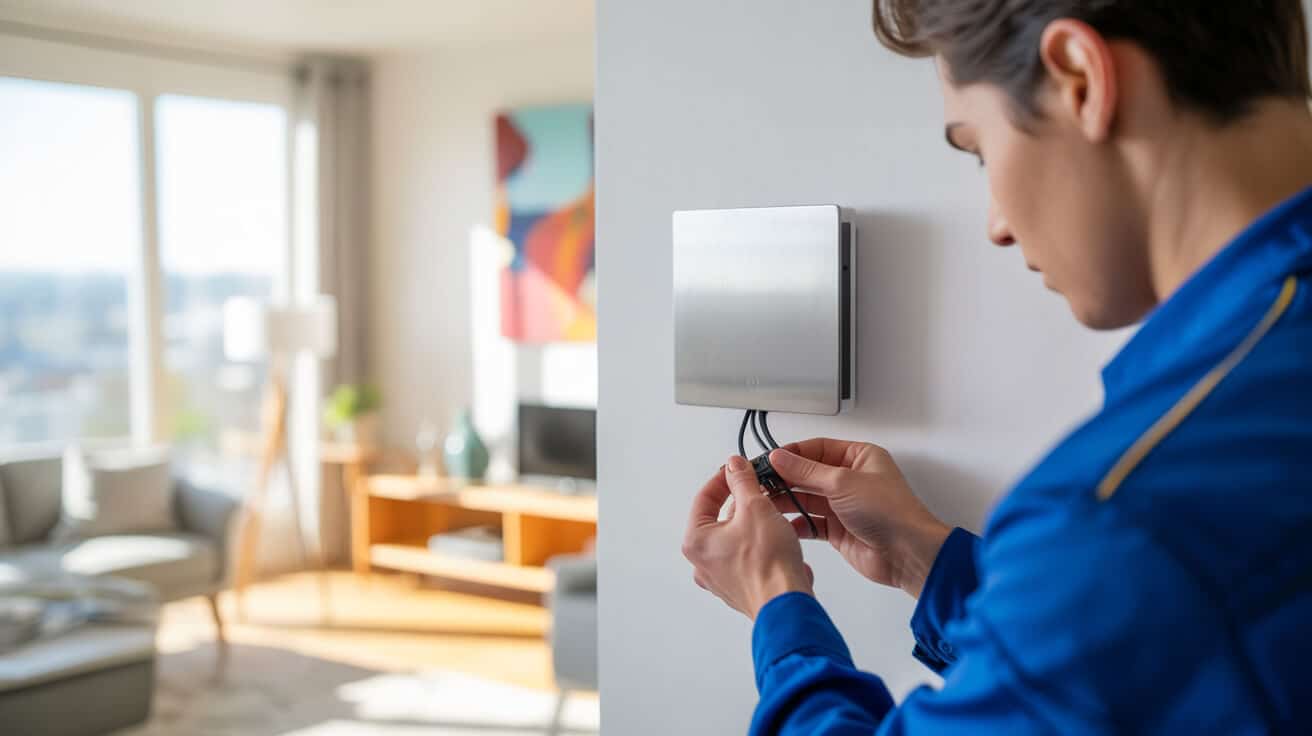
Security lighting is about intent, not just illumination. A porch bulb left on overnight doesn’t cut it. Real security lighting systems combine smart detectors, focused coverage, and unpredictable patterns—deterring opportunists and reassuring anyone who cares about what’s inside.
Put simply: Security lighting exposes activity, reveals every pathway, and signals that someone may always be watching.
The best security lights aren’t the brightest—they’re the hardest to predict.
Smart lighting removes the blind trust burglars rely on, rebalancing confidence in your favour (cef.co.uk).
Which Security Lights Are Most Effective for Deterring Crime?

Burglars aren’t fazed by static porch lights—they’re looking for gaps, dull routines, and easy escapes. Layer your lighting for maximum deterrence:
- Floodlights: Smash a burglar’s ability to hide or creep in shadows.
- Motion-activated sensors: Surge on unpredictably, applying public pressure at the very moment of intent.
- Dusk-to-dawn LEDs: Provide persistent light for areas at highest risk all night long.
- Smart controls: Use app-based randomness, so your absence isn’t obvious.
No single fixture is enough. Review every angle as only a criminal would—and build your defence accordingly.
How Should Security Lights Be Placed for Maximum Effect?
Security is won and lost at the edges—driveways, side alleys, back doors. Data and police guidance agree: lighting should cover all typical points of entry (vivint.com).
- All external doors deserve dedicated covERAge—don’t forget garages or service entries.
- Ground-floor windows and basement hatches: easy, hidden access points for break-ins.
- Neighbouring paths, driveways, and alleys: erase any shadowy approach.
- Sheds/outbuildings: prime targets if left in darkness.
One unlit side gate is all a burglar needs.
Prime Alert’s assessment leaves no entry overlooked.
Are Motion Detectors or Always-On Lights Stronger for Security?
Motion-sensor lights = instant deterrent. They shock with unpredictability each time something moves. Always-on lights offer steady deterrence in areas with lots of footfall or where wildlife would constantly trip sensors. The most effective solution is a blend: sensors for attention-grabbing surprise, steady light where needed for ongoing vigilance.
If pets or trees cause nuisance triggers, angle lights and calibrate sensitivity. Maintenance keeps your deterrent working, not annoying (brightforceelectrical.com.au).
Where Do Burglars Find and Exploit Lighting Gaps?

Burglars aren’t lucky—they’re observant. Insurer case studies reveal their path:
- Unlit, hidden rear and side doors.
- Windows shielded by hedges, bins, or fencing.
- Outbuildings and garages outside your main sightlines.
- Predictable lighting schedules— “on” means absent, “always off” means neglected.
The front door is almost never the real entry point.
Prime Alert’s site surveys uncover shadowed spots even seasoned owners miss.
What Lighting Mistakes Do Owners Make—And How Do Burglars Notice?
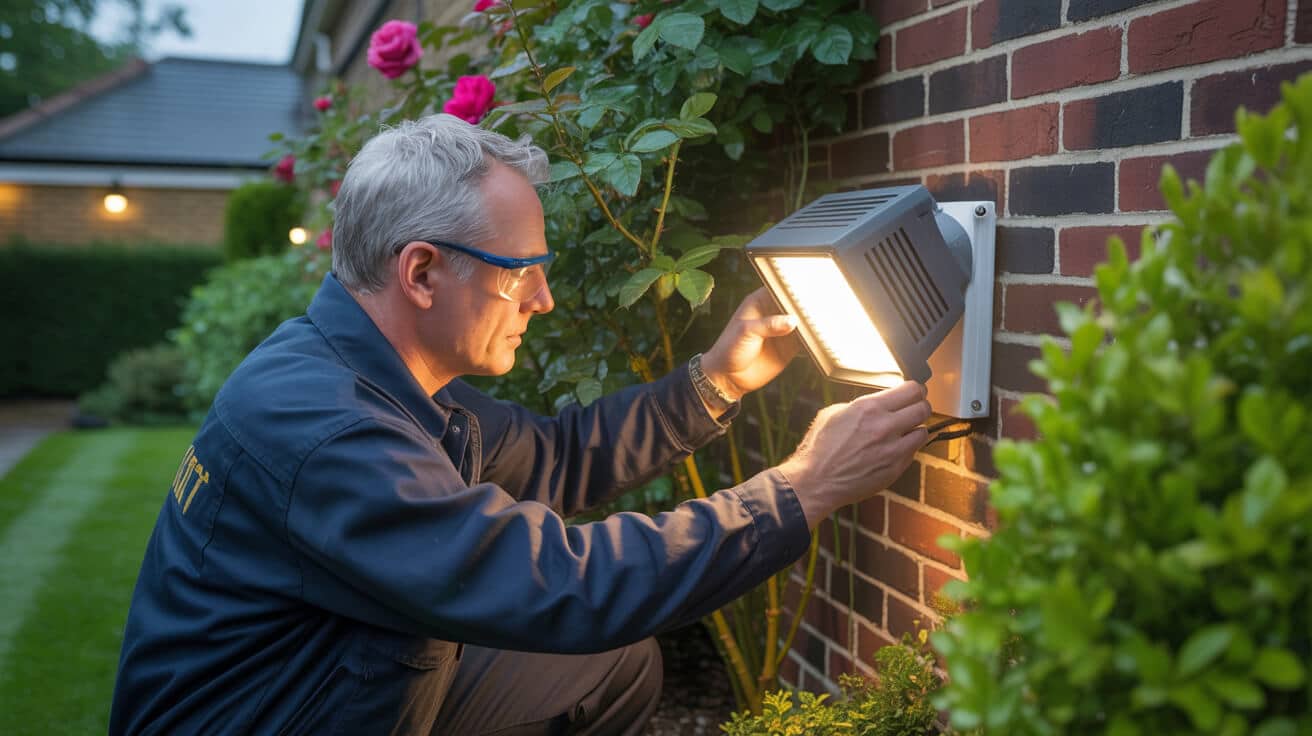
Routine equals risk. If your lights always turn off at 10pm, or you leave one spot dark out of habit, burglars learn the pattern before you do. Dead bulbs, single blinding lights (creating deep shadow), or broken sensors signal neglect and tempt testing.
Monitored burglaries often follow a pattern change—lights left off when you’re away, for example (homesandgardens.com).
How Do Smart Timers, Apps, and Automation Upgrade Security?
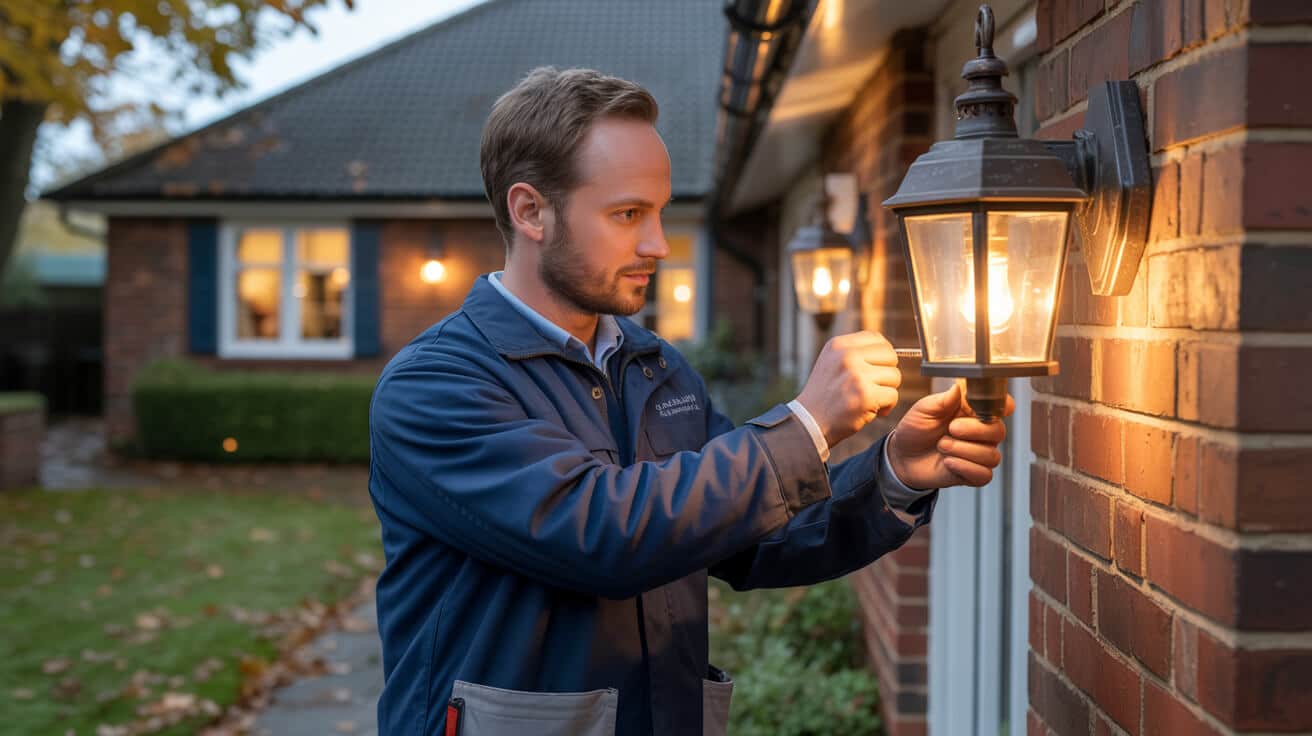
Modern systems = flexibility and realism. You can randomise when (and how) different lights activate, adjust presence from your phone, link lighting to cameras or alarms, and create the illusion someone’s always home.
A burglar watches routines; a smart system scrambles them.
Police recommend these lived-in setups, not cheap plug-in timers (idealhome.co.uk). Prime Alert builds in remote control and automation as standard.
Can Security Lighting Cause Issues or Annoy Neighbours?
Yes—if left unmanaged. Common problems:
- Motion sensors too sensitive, activating at every gust or passing pet.
- Floodlights aimed towards neighbours’ property—breeding complaints.
- Do-it-yourself jobs with improper wiring or poor weatherproofing.
Security that upsets your street is self-defeating.
Prime Alert designs for compliance and neighbourliness, avoiding hassle and legal risk (total-sec.co.uk).
How Does Security Lighting Work with CCTV, Alarms, and Locks?
No system works alone. Lighting supercharges your CCTV’s ability to get useful footage, draws attention to alarm triggers, and reveals locked points of entry before they’re tested (homesandgardens.com; vivint.com).
Integrated systems—Prime Alert’s core strength—create a whole that’s more powerful than the sum of parts.
What Does the Data Say About Lighting and Burglary Risk?
Layer up: homes with lights, cameras, locks, and alarms cut burglary odds by up to 80% (idealhome.co.uk). Insurance studies and police data match up—lit properties simply look like too much risk.
Criminals don’t fear light—they avoid it.
Myths About Outdoor Security Lights That Put Homes at Risk
That big light over your door isn’t a shield. Without motion, variation, or maintenance, it fades into the background. Burglars don’t fear the familiar—they work around it.
Neglected lights, designer “uplighting,” or misplaced spotlights advertise where you aren’t watching. What deters is intentional, maintained, and irregular coverage.
How Should Homeowners Choose and Instal Security Lighting?
Don’t buy hype—buy durability and coverage. Look for:
- Weatherproof LEDs: chosen for UK rain, not catalogue glamour.
- Properly aimed motion sensors: tuned for your space, not generic default settings.
- Coverage: every door, window, and outbuilding lit as needed.
- Integration: lights talk to your cameras or alarms.
- Accredited installers: insurance can reject claims for DIY work after an incident.
Prime Alert delivers bespoke, plain-English advice—and full aftercare.
DIY vs. Professional: What Does Each Actually Risk?
DIY setups often cost you twice—once for materials, again for fix-ups. Insurance may not pay after break-ins if wiring is non-compliant. Single missed blind spots can cost far more than an expert fee.
Most regrets happen after the fact.
Prime Alert covers the risk you can’t see—delivering robust, compliant performance.
Why Ongoing Audits and Maintenance Are Essential
Security isn’t “set and forget.” Weather, time, and misplaced bins all shift how your lights work. Quarterly pro checks mean you don’t find out about a dead zone the hard way.
Prime Alert’s regular audit plans keep your property covered—and your insurance valid (total-sec.co.uk).
The Prime Alert Advantage—Our Security Lighting Process
Prime Alert starts at the boundary, mapping threats, blind spots, and previous break-in tactics. Every build includes:
- Outdoor LEDs sized for London’s climate, not summer catalogues.
- Full integration: CCTV, alarms, automation.
- Battery backups for power outages.
- Clear, jargon-free instructions with every instal.
Our process meets all codes, insurance policies, and the tough standards of London property owners.
When Is the Best Time to Upgrade Security Lighting?
Crime doesn’t wait for budgets or busy months. The weeks after clocks go back see break-ins spike, with risk highest in dark, economically tough periods (cef.co.uk). Every day you delay leaves a window open.
Acting early removes regret—and opportunity for others.
Protect what matters before the long nights return.
Book Your Security Lighting Assessment with Prime Alert – The London Locksmiths
Prime Alert’s reputation is earned: police-vetted, Trading Standards-approved, fully insured, and recommended by both homeowners and business leaders.
Book Your Free Security Lighting Survey
— Secure your property using proven advice, pro installation, and visible peace of mind.
True security is peace of mind—every gate, every shadow, every hour.
Trust, Accountability, and Proven Outcomes
- Fully accredited: police-checked, Trading Standards, insured.
- Clear warranty: no loopholes, full coverage.
- Established reputation: hundreds of five-star reviews.
- Total honesty: plain-speaking advice from real professionals.
- Real results: less risk, lower premiums, higher confidence for every client.
Switch On Security—Switch Off Uncertainty with Prime Alert – The London Locksmiths Today
Burglars walk away from risk—show them a property covered by custom lighting, smart deterrents, and clients who take action. With Prime Alert – The London Locksmiths, you get expertise, service, and peace of mind, from survey to instal and beyond.
Call Prime Alert – The London Locksmiths today—lock out uncertainty before darkness lets someone else in.
Frequently Asked Questions
How does unpredictable security lighting stop burglars in their tracks?
Burglars hate unpredictability because it breaks the routines they rely on. When your exterior lighting kicks on at odd intervals and covers unexpected zones, it sends a message—someone’s awake, the property is watched, and there’s no pattern to exploit. Recent stats from the London Metropolitan Police show that introducing motion-triggered and randomised lighting can cut burglary rates on affected streets by more than 20%. These aren’t just numbers—repeat offenders admit they’ll move on if they sense a property won’t let them hide.
Where does layered lighting make the greatest impact?
Combining unpredictable timing with roaming light zones or paired cameras doubles down on deterrence, making every approach feel risky—and forcing criminals to hunt for softer targets elsewhere.
Which lighting mistakes put your property at risk without you noticing?
It’s easy to over-focus on the obvious: floodlighting the front doorstep or driveway. But most successful break-ins happen through side paths, barely-lit gardens, sheds, or bins that become unintentional hiding spots. In a new study of London homes burgled last year, more than a third had “shadow zones” created by poor placement or overgrown landscaping. Getting a security audit from a pro—like Prime Alert – The London Locksmiths—means those blind spots are exposed and blocked before someone else takes advantage.
Why is DIY placement often a false sense of security?
Your instincts guide you to light up busy entrances but might miss secondary entry points or gaps behind sheds—precisely where burglars look for a quiet approach.
What real advantages does smart security lighting integration bring?
Linking your security lighting to a smart home hub lets you control schedules, vary patterns, and receive instant alerts based on real-time movement—not just a timer. Smart LEDs can even learn your habits and simulate occupancy when you’re gone. Many platforms connect directly with CCTV, piping live feeds to your phone if a light is triggered. Insurers have started to notice: across Greater London, properties with smart-integrated lighting and cameras were 50% less likely to suffer a repeat break-in compared to homes with standard motion sensors.
How does joining lights, alarms, and cameras power up your security?
When everything is linked, intruders are hit with blinding light, sound, and video in one go—forcing a retreat almost every time, and making your property the wrong choice for opportunists.
What eco and energy gains come with upgrading your security lighting?
Modern LED security lighting uses up to 80% less electricity than older halogens—translating to lower bills alongside better protection. Sensors ensure lights activate only when needed and can be set to dim or switch off at dawn—all manageable from your mobile. Professionally installed systems seen around London have cut average property CO₂ emissions by more than 200kg a year, giving these upgrades extra appeal for eco-minded homeowners.
Security now means being smart about energy, not just crime—better lighting saves your wallet and the planet.
Can eco-friendly security help your insurance premiums?
Several major insurers offer tangible discounts for homes with energy-efficient, professionally fitted lighting—making those upgrades pay off twice.
How frequently should your security lighting be maintained for maximum reliability?
Plan brief checks every quarter: clean each lens, test activations, and recalibrate motion sensors so everything works at ten out of ten. UK electrical safety data shows that most lighting failures strike after long periods of neglect—leaving the door open for opportunists just when your defences should be strongest. Prime Alert – The London Locksmiths offer annual checkups free with every new fit, keeping you compliant for insurance and ensuring your lights never let you down in a crisis.
What’s at stake if maintenance falls behind?
Letting a single fixture fail opens a new pathway for intruders—regular checks shut it down before trouble starts.
When is it time to upgrade your old security lighting solution?
If you’re still relying on halogen bulbs, lack app-based control, notice frequent outages, or hear about rising thefts nearby, your system is lagging behind. Lighting older than five years is especially at risk: newer options safeguard wider areas and adapt as your property changes. If insurers or a safety audit prompt you to demonstrate “current best practice,” it’s time for a bespoke review from Prime Alert – The London Locksmiths—who can future-proof your setup so you never play catch-up with evolving threats.
When your lighting stays ahead, your risk falls behind—act now to stay off the target list.
For personalised protection that keeps up with every new challenge, schedule a security lighting survey with Prime Alert – The London Locksmiths—nothing beats the peace of mind when your defences work smarter, not just harder.


