Smart Lock Installation Explained For Beginners
 Smart Lock Installation Explained For Beginners

What Makes Smart Lock Installation Easier Than Most People Assume?
smart lock technology is designed for genuine usability, not just tech enthusiasts. The major smart lock brands on the UK market—Yale, Nuki, August, and others—engineer fitments so that home and business owners can take charge of their own security, without years of technical training or a briefcase of obscure tools. The common misconception is that digital means complicated; in reality, modern smart locks are built to be retrofitted to UK doors, supporting your lifestyle’s need for flexible access, insurance documentation, and routine convenience, without the kinds of headaches that used to accompany old lock changes.
Security shouldn’t require a PhD—it should just click into place.
For property owners, the real divisor between a smooth installation and a failed attempt is basic preparation and recognising the few steps where professional advice removes every risk. Missing or skipping a small detail is the only real pitfall—never a lack of raw skill.
Who Actually Wins From Switching to Smart Locks?
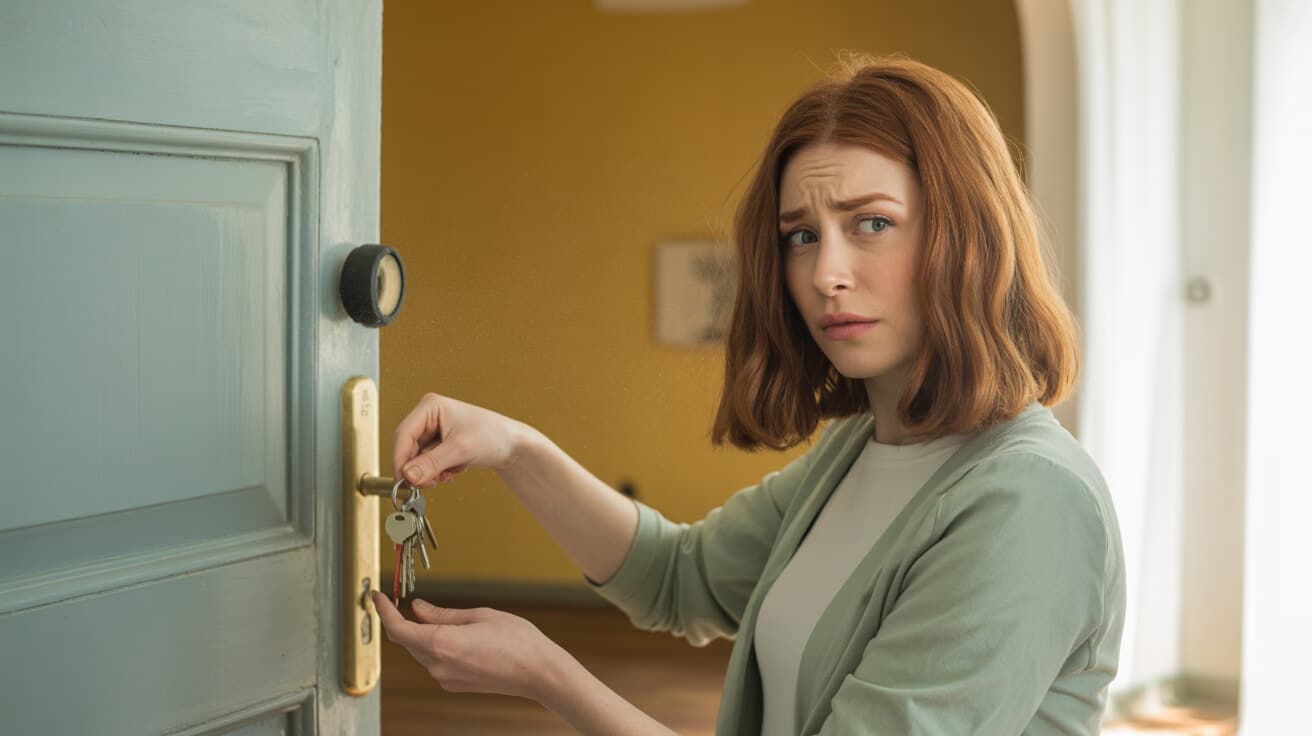
Digital locks remove the classic pain points: lost keys, lockouts, needing to reissue access after tenants move out, or scrambling to let in a delivery person. Instead, Wi-Fi or Bluetooth-enabled smart locks let you unlock from your phone, generate temporary PINs, monitor access logs, and receive real-time alerts if someone tampers with your lock.
For homeowners and tenants, this translates into less time worrying—and less chance of needing an emergency callout when keys go missing. Landlords and agents get audit trails and guest codes; business sites benefit from shift and cleaning staff arriving outside 9–5. If you value flexibility, traceability, and knowing you can always get back in, smart locks aren’t just a gadget—they’re an operational upgrade.
Most people talk about convenience, but reputation for reliability is what serious owners value.
The best brands—like Yale or Nuki—research UK doors obsessively to ensure hardware not only fits, but lasts and updates itself with security patches (Yale, 2023).
What Tools Do You Really Need For Smart Lock Installation?
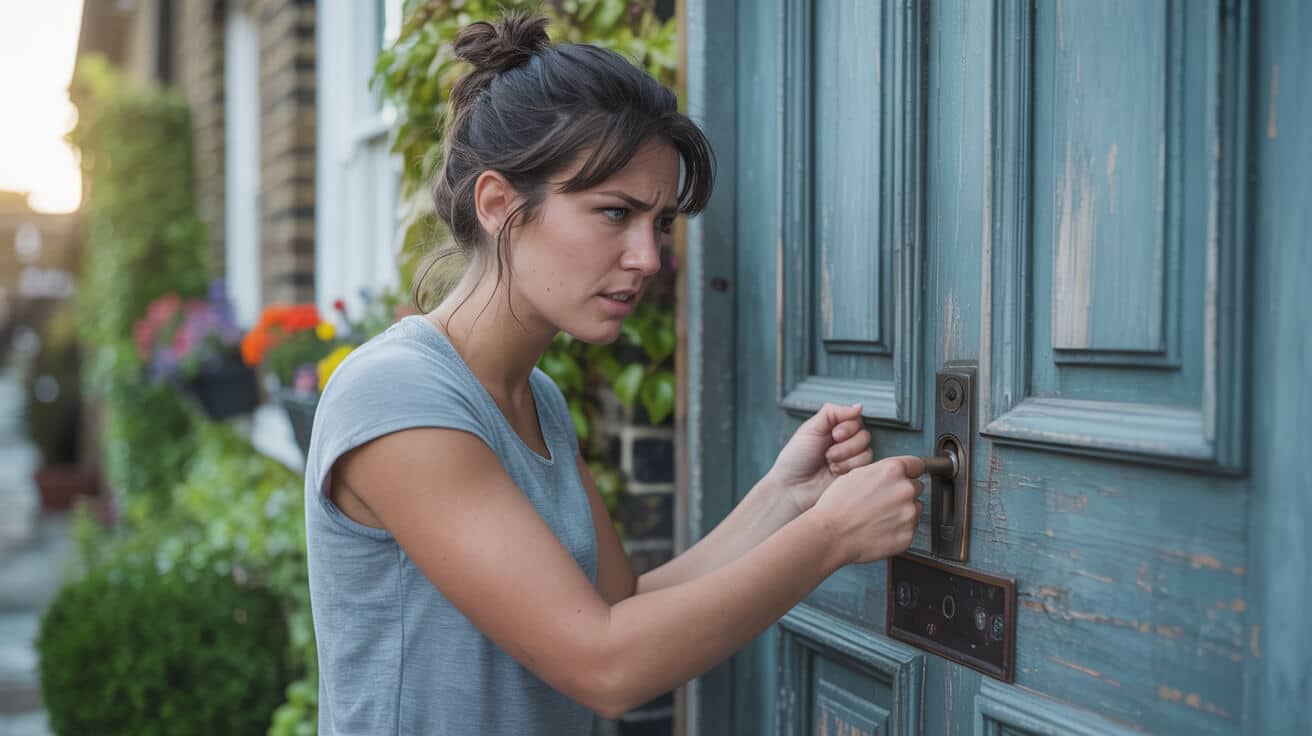
For most households, the essentials are already in your utility drawer: a Phillips screwdriver, a flathead screwdriver, measuring tape, and your smartphone. Occasionally, you may need a drill—especially in older timber doors or non-standard commercial setups. Forget the image of a specialist toolkit; almost every compatible lock is engineered around these basics.
- Accurate measurement: is the unsung hero—measure twice, mark accurately, and always use the manufacturer’s fitting template.
- Careful step-wise fitting: stops 90% of problems before they start.
Prime Alert – The London Locksmiths offers a pre-installation check: a five-minute call or quick video consult can identify potential hitches—saving you frustration, wasted purchases, and, critically, time.
Rushing costs hours; a check-in beforehand can save days.
How Can You Check If Your Door Supports a Smart Lock?
Don’t rely on guesswork. Most UK smart locks are designed for doors 35–55mm thick, meaning standard wooden, composite, uPVC, and many metal doors are well within scope.
- Door thickness: Measure with a tape, not your estimation.
- Lock type: Know if you have a euro cylinder, mortice, or multipoint system—this shapes your choices.
- Manufacturer fit tools: Online fitting checkers from major brands guide you through in seconds.
- Lease/tenancy rules: Check with your landlord, freeholder, or managing agent—especially for flats.
Ignoring the compatibility checklist risks cosmetic damage or wasted spend. Prime Alert can review a simple photo to confirm fit—taking the uncertainty out of your upgrade.
It only takes a moment to avoid a return or repair bill.
Are There Differences For Wooden, Metal Or uPVC Doors?
Wooden Doors
DIYers generally win here: smart locks on wooden doors often match the existing screw or spindle pattern, needing little or no adaptation. This means you can often instal a digital upgrade in under an hour by following the instructions closely.
uPVC, Composite & Metal
Composite, metal, and uPVC may require branded adaptors, non-standard screws, or even adhesive plates if drilling isn’t permitted (especially in modern flats or new builds). Modifying such doors without permission or the correct fitment risks property damage, warranty loss, or even a voided insurance policy. Always check for brand-recommended mounting options—if you are unsure, consult Prime Alert rather than improvising (which courts costly problems).
Most installation blunders start when users “make do” rather than check requirements.
What Are The Steps For A Flawless Smart Lock Installation?

Breaking down the process eliminates overwhelm—each stage is simple if handled with focus:
1. Dry-Fit The Smart Lock Before Removing Anything
Test hardware alignment with your door (and the lock’s template) before even touching a screwdriver.
2. Remove The Existing Lock/Handle
Keep the original set—landlords or insurance may require it to be replaced in future.
3. Mark and Measure All Fixing Points
Use a level and don’t trust your eye—precise marking is the difference between a fast instal and a fiddly, unsafe one.
4. Instal and Function-Test The New Lock
Fit the smart lock according to the instructions, test the action before tightening anything fully. Mechanical or digital resistance demands immediate attention.
Final check before securing hardware saves hours of stress.
5. Complete Digital Setup and Battery Installation
Connect using the app, change default codes/PINs, and ensure emergency override instructions are recorded (never on a Post-It by the door).
What Mistakes Trip Up DIYers Repeatedly?
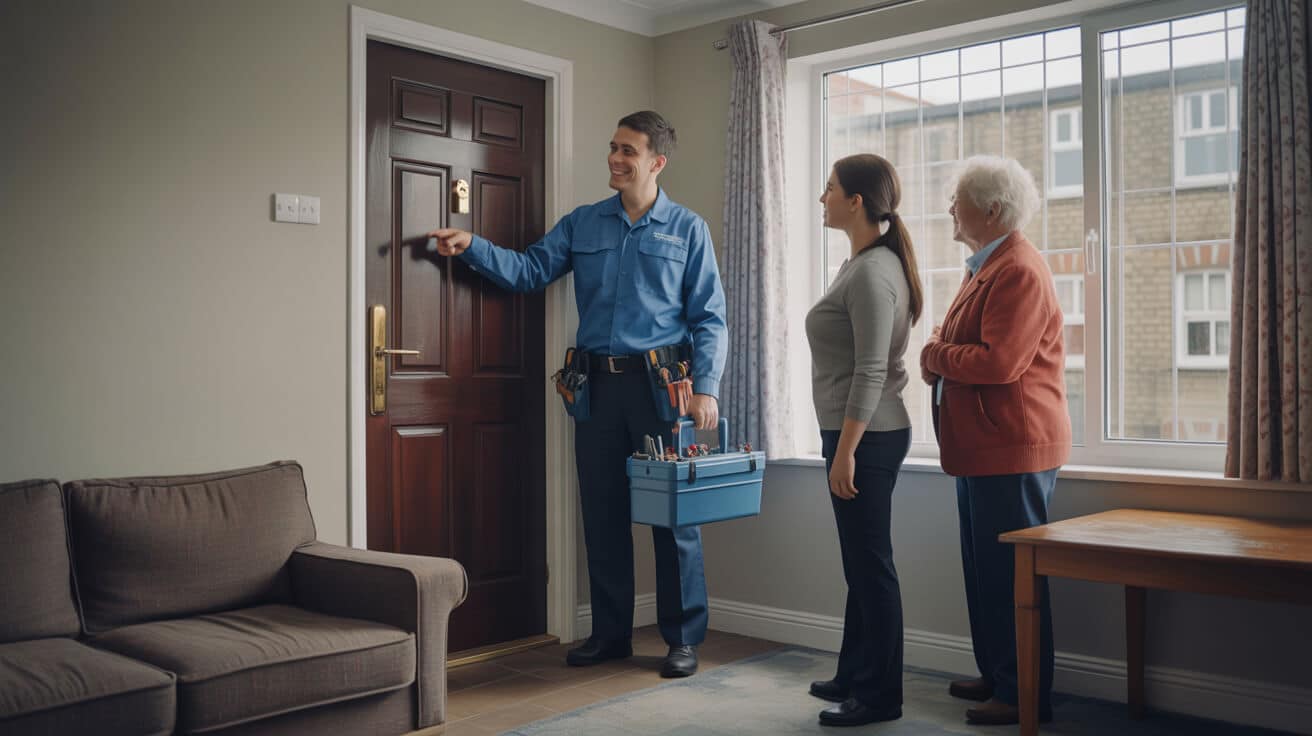
- Measuring by eye: instead of tape: leads to misaligned locks or gnawed door frames.
- Ignoring manufacturer steps: (“I’ve done these before” is the first step to frustration).
- Forcing machinery: (screw won’t fit—stop, adjust, and check).
- Skipping digital setup: most “faulty” smart locks just need correct app pairing.
Photographing your issue and sending it to a proper locksmith—like Prime Alert—can resolve 90% of confusion without a site visit.
How Do You Guarantee Security And Longevity?
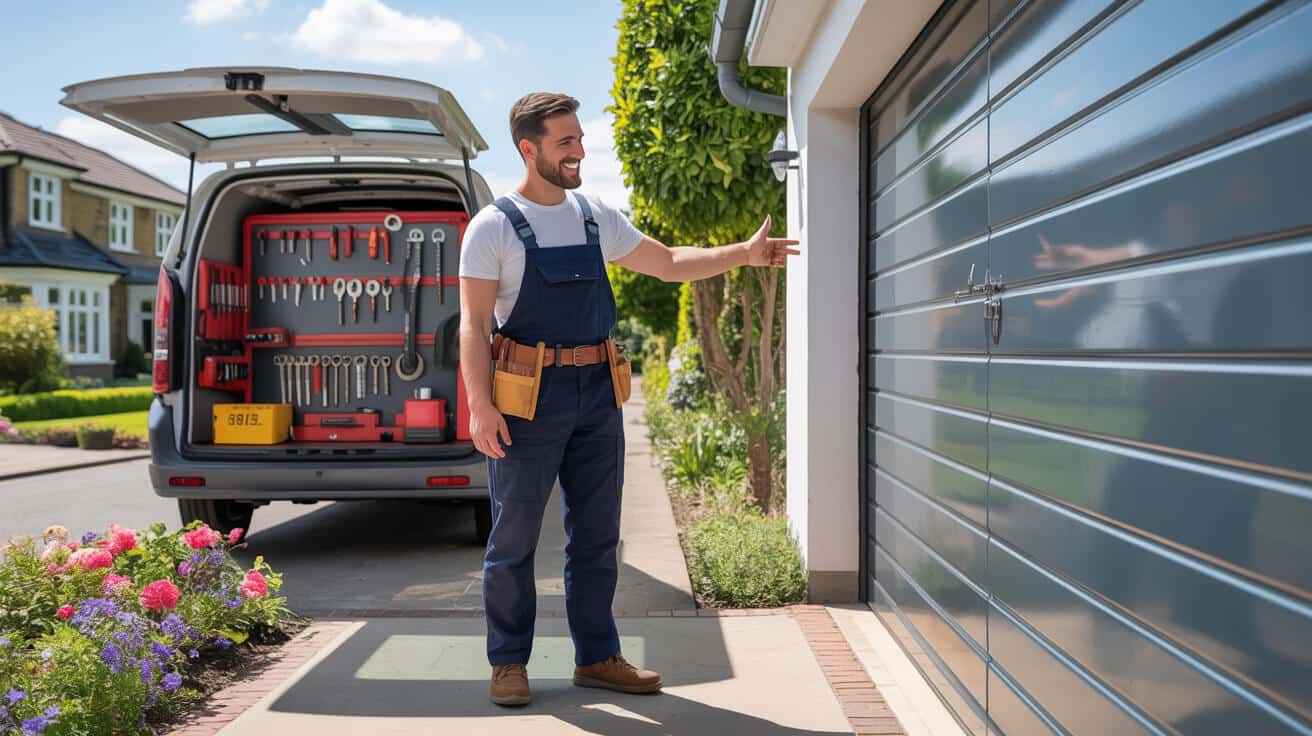
Testing goes beyond just closing the door and leaving.
- Lock and unlock with the key, keypad, and digital app three times each.
- Inspect for clean, gapless fitting (avoid visible lever or latch exposure).
- Activate security notifications and review firmware within the app.
- Change all default codes—never leave the factory password.
- Store override/emergency reset codes in a secure place away from the door.
Security is a system, not just a shiny new gadget.
Consider two-factor authentication, or a backup mechanism in case your phone fails.
What If You Have Special Door Types Or High-Value Properties?

Properties with ornate, composite, double entry points, or commercial layouts may need bespoke solutions, including landlord or insurance sign-off. Insurers commonly require installation by a vetted professional (check for BS3621-rated locks or similar certifications).
Prime Alert – The London Locksmiths works with unique door types and high-risk properties—giving you support, legal cover, and insurance-aligned documentation for every job.
When Should You Pay For A Locksmith Instead Of Doing It Yourself?
DIY is only as cost-effective as your skill and setup allow. Unusual lock types, high-value properties, or simply a lack of confidence often mean professional installation works out cheaper in the end: avoiding ruined doors, failed insurance claims, or repeat purchases. A specialist ensures you get compliant hardware, reliable advice, and a future-proofed system.
Sometimes expertise is worth more than patience.
How Do You Prevent Insurance Or Lease Problems?
- Use BS3621 or manufacturer-approved locks where possible.
- File and keep every installation and purchase receipt.
- Get explicit permission to modify locks in rental or commercial properties.
Paperwork gaps cause more claim rejections than failed lock security. Prime Alert gives you a full instal and compliance report for your records.
Is It Smart To Wait For Future Technology—Or Should You Upgrade Now?
Smart lock tech is advancing: biometric entry, longer battery life, and automatic security updates are arriving faster than ever. But waiting for “the next best” often means you miss out on features and security now. The major brands build with future upgrades in mind—early adopters get faster access to improved software and firmware.
Future-proofing works best when you’re ahead of the curve, not lagging.
Choose tech with robust update and support histories; Prime Alert can advise on future-readiness during consultation.
The Essential Smart Lock Checklist
- Confirm fit for your specific door before drilling.
- Always use branded, fresh batteries.
- Test every function—key, PIN, app—before final tightening.
- Change all factory security codes instantly.
- Safely store override or emergency credentials.
- If uncertain, consult a locksmith early.
Security lives in the details—attention and expert backup beat improvisation every time.
Why Londoners Choose Prime Alert – The London Locksmiths
London property owners, managers, and families trust Prime Alert – The London Locksmiths for a reason: detailed technical guidance, bespoke fitting for unique door types, care with documentation, and local expertise that shields against both digital and physical threats. Don’t wait for expensive mistakes or failed compliance checks. Secure your property—the expert way.
The smart way to instal is the supported way—confidence is your best home upgrade.
Ready to Upgrade? Prime Alert Is On Call
Act now for a free, expert consultation from Prime Alert – The London Locksmiths. Remove risk, ease your to-do list, and guarantee peace of mind for years to come. Whether you’re a first-time DIYer or managing a complete property portfolio, the team ensures a fast, secure instal—plus compliant paperwork and ongoing support if you ever need it.
Frequently Asked Questions
Who truly gains a measurable advantage by installing smart locks?
Smart locks aren’t just about tech—they’re a strategic move for homeowners, portfolio landlords, business operators, and anyone desperate to control access without the key management headaches. Whether you run a short-let, manage properties across London, or simply want to know who’s entering and when, a smart lock delivers verifiable oversight and operational efficiency. Remote access, flexible codes, and digital audit trails simply put you ahead in both convenience and insurance conversations.
“Property access used to be guesswork; now it’s a data point you control.”
How does this reshape daily routines?
- Landlords automate check-ins, cutting costly meetups.
- Businesses grant and revoke staff access on their schedule.
- Homeowners know, at a glance, who came through the door—and when.
- Prime Alert – The London Locksmiths equips you with fit-for-purpose smart lock solutions, ensuring the tech serves you, not the other way around.
What should you check on your door before investing in a smart lock?
The return on a smart lock hinges on compatibility, not just desire. Your first audit: door thickness (35–55mm covers 90% of UK frames), lock format (euro cylinder, mortice, or multi-point), and enough edge clearance for motor modules. Composite and heritage doors often need adaptors or bespoke solutions—guesswork here costs more in fixes. Rented property? Always check for written consent from the landlord and insurance requirements before making a purchase.
Compatibility essentials:
- Exact door width and lock type (double-check hidden mechanisms).
- Free movement for handles or deadbolts.
- Sufficient spacing for interior/exterior casing.
- Legal sign-off for modifications in let or insured spaces.
- Prime Alert offers remote compatibility checks—send a photo or book a video call for peace of mind.
Which tools and prep steps avoid “fumbled” installations?
A confident instal needs little more than a Phillips screwdriver, tape measure, and pencil. For doors demanding new holes: drill, quality bits, and spirit level. Masking tape secures guides and templates, so every mounting mark lands true—a step DIYers often rush past. Brands like Yale and Schlage supply printable guides; if yours doesn’t, Prime Alert – The London Locksmiths provides templates for common models.
Smart lock installation toolkit:
- Screwdrivers (Phillips/flathead)
- Measuring tools and pencil for “measure twice, fix once”
- Spirit level for accurate, jam-free mounting
- Drill (only if old locks or fitment need)
- Tape for template placement and tidy drilling
- Prime Alert teams carry specialist kit for challenging jobs
Precise prep always beats heroic fixes later.
Where do DIY smart lock projects most commonly go wrong?
The biggest “fail” is launching the job without detailed measurements or a dry run—misalignment takes seconds to create and hours to put right. Botched app setups, skipped resets on default codes, or mistaking “close enough” for compliant mounting undermine security and invalidate insurance claims. On rental or listed properties, unapproved changes can risk your deposit and legal standing.
Typical pitfalls—how to dodge them:
- Forgetting to check backset and swing direction.
- Skipping the test-fit; drilling before dry-assembly is a gamble.
- Leaving default digital codes unchanged exposes you to ex-tenants.
- Not reading the manufacturer’s full setup guide before starting.
- Prime Alert offers on-call advice—ask before a small slip becomes a structural headache.
“Ten careful minutes now ERAse months of guesswork and stress.”
When is it smarter to hire a locksmith versus fitting a smart lock yourself?
DIY suits standard doors, clearances, and anyone comfortable with guided home projects. Anything else—heritage doors, block entrances, insurance-backed jobs, or fire-rated frames—requires a pro for compliance and peace of mind. Certification by Prime Alert – The London Locksmiths boosts property value for landlords and satisfies strict tenant or business liability requirements.
Signals for a professional fit:
- Historic or customised doors where hardware needs matching.
- Communal or block access points with shared liability.
- Insurance or legal need for a certified installation.
- Any self-doubt about safe, compliant fitting.
Get it right once; avoid the knock-on costs of compliance failures.
How do you lock in both security and reliability after installation?
Your setup isn’t finished until you stress-test every entry method—keypad, app, override, backup. Change all preset codes before regular use. Store override instructions somewhere inaccessible to guests or public areas. Sync the smart lock to your security system or WiFi for tamper and battery alerts. Mark a calendar for regular battery and firmware checks—missing one can lead to being locked out. Prime Alert – The London Locksmiths offers annual reviews to adapt your system as threats and standards evolve.
Reliable security routine:
- New codes and user logins immediately on instal.
- Full function test by all household members or staff.
- Scheduled reminders for battery updates and software patches.
- Hide override instructions away from easy discovery.
- Book expert reviews for legal and insurance assurance.
A disciplined approach at instal sets you up for years of uninterrupted access—and confidence.