A Step By Step Guide To Changing A Upvc Door Lock
 A Step By Step Guide To Changing A Upvc Door Lock
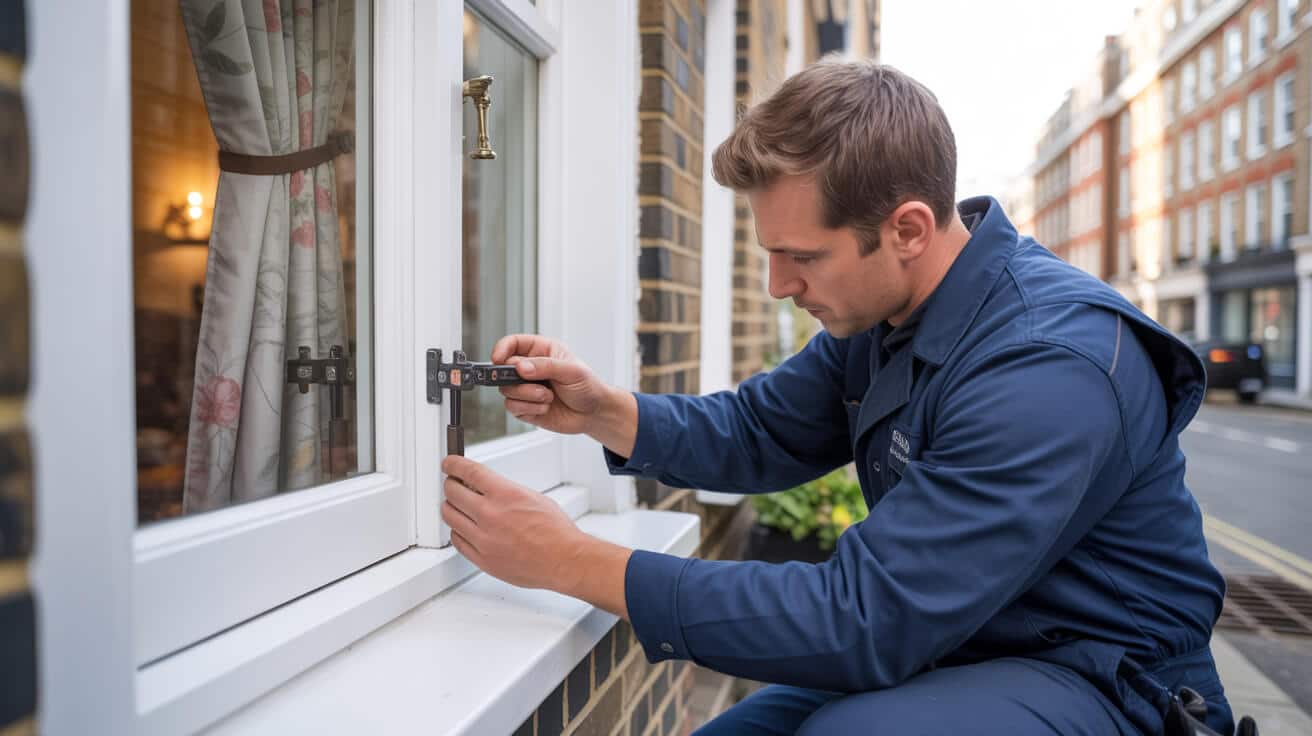
Why Should You Actually Care About Changing Your uPVC Door Lock?
Most property owners believe that snapping the lock shut means you’re safe, but London crime data proves otherwise. Criminals make a living spotting weak uPVC door locks—because hundreds of homes still rely on outdated, basic cylinders. Insurance and police sources agree: “lock snapping” is a favourite attack method, and weak Euro cylinders are the target (which.co.uk). The difference between a one-minute break-in and years of security? A certified, correctly-fitted lock.
The cost of an outdated lock is only obvious after there’s nothing left to do but wish you’d changed it.
Relying on yesterday’s hardware when break-in tactics evolve daily leaves your peace of mind—and sometimes your insurance payout—hanging by a thread. Changing your lock isn’t about buying a gadget. It’s about buying yourself certainty every time you close the door.
What Early Signs Warn That Your uPVC Door Lock Needs Changing?

Little annoyances whisper before disaster shouts. If your key often gets stuck, the cylinder feels loose, or you have to jiggle the key to lock up, these are not quirks—they’re flashing signals. A cylinder that protrudes or shows scarring offers an open invitation to thieves (dclocksmithsrhuddlan.co.uk). Even if everything “sort of” works, lack of evidence for British Standard compliance means you’re inviting trouble.
When habits form around tiny frustrations, that’s your cue: act now, not later.
How Can You Identify the Right uPVC Lock Before Buying a Replacement?

Swapping a lock without confirming the right cylinder is the world’s quickest route to wasted time. Every uPVC door could fit a different style—are you dealing with a double, single, or thumbturn? Check for a stamped brand or standard like “BS” or the Kitemark. Carefully snap clear photos before you head to the shop (upvc-experts.co.uk). This is how you outsmart buying the wrong part, saving yourself the headache of returns or, worse, ending up less secure than when you started.
A quick check now is how you buy genuine confidence later.
What Tools and Materials Do You Need to Change a uPVC Lock Like a Pro?

Professional results demand the right prep. You’ll need:
- PZ2 (or Phillips) screwdriver (for uPVC fixtures)
- A metric tape measure for getting the fit spot-on
- Gloves and safety goggles (protect your hands and eyes: most DIY injuries are grip or slip)
- Silicone spray for a flawless fit
- Your phone: use it to document each step ([hogonext.com](https://hogonext.com/how-to-change-a-upvc-door-lock/?utm_source=openai))
One hidden advantage? A printed checklist keeps you from missing any “small” details—these are the ones that come back to bite later.
How Do You Measure Your Cylinder Accurately to Ensure the Right Fit?

Everything hinges on precision. Open your door wide, unscrew the central fixing on the thin edge, and twist the key inside the lock to free the cylinder. Pull it out gently. Now, grab a metric tape and measure from the middle screw hole to each end: these are your critical “A” (inside) and “B” (outside) values (hogonext.com). Anything protruding over 5mm outside invites thieves and fails insurance (which.co.uk).
Just one missed millimetre can cost you your security and your insurance claim.
What Are the Typical Measuring Mistakes—and How Do You Avoid Them?

It’s shockingly easy to get wrong, and expensive to fix. Classic errors include:
- Measuring the cylinder’s total length instead of “A” and “B” splits
- Mixing up which side is inside vs. outside
- Accepting “close enough” instead of exact
- Using inches (nope—UK standard is metric)
- Trying to measure with the door closed ([hogonext.com](https://hogonext.com/how-to-change-a-upvc-door-lock/?utm_source=openai))
Catch these early and you’ll avoid the classic “return queue” at the shop.
Why Do Insurance and Police Standards Like BS3621 and EN1303 Actually Matter?

These aren’t marketing add-ons—they’re the difference between an open-and-shut claim and an expensive legal battle. British Standard (BS3621) and EN1303 aren’t just badges: they’re test-proven signals your lock stands up against snapping, bumping, and brute force (contemporarystructures.co.uk). Locks lacking these may void your insurance, no matter how new they look.
What Security Features Define a Trustworthy Replacement Cylinder?

Look for the real signals: a 3-Star Kitemark, TS007 badge, or SS312 Diamond rating. These guarantee anti-snap, anti-bump protection—and the police endorse them (contemporarystructures.co.uk). Cheap, generic cylinders cut costs, but statistics show they’re the ones most often bypassed or snapped. Trusted brands mark their products clearly—don’t settle.
What Makes a Complete DIY Cylinder Replacement Toolkit?
Simple swaps turn stressful without preparation. Stock up on your screwdriver, tape measure, gloves, goggles, a small tray for screws, and silicone spray (locksandhardwaredirect.co.uk). Lay everything out on a clear table before you start. A checklist is your silent assistant—you’ll thank yourself later.
How Should You Prep the Space for a Safer, Tidier Lock Change?
Open the door wide, keep pets and kids at a safe distance. Suit up with your gloves and goggles early—most accidents happen as you set up. Your kit and checklist should be within arm’s reach. Photograph every stage; not just for insurance, but so you can always put things back if needed (upvc-experts.co.uk). Rushed prep is slow progress.
What’s the Safest Method to Remove the Old Cylinder Cleanly?
Unscrew the main fixing, put it safely aside, and use your key to rotate and unlock the cam. Ease the cylinder out—if it resists, look for hidden screws or door swelling. Don’t use brute force. Document any oddities with your phone—these are your best insurance if issues show up at fitting.
Why Triple-Checking Measurements Matters Before the New Cylinder Goes In
Forget this, and you risk a failed fit or a rejected insurance claim. Reconfirm both “A” and “B” sides, ensure the outside faces out, and cross-match with the replacement lock’s label. Snap both together and keep it on file. Being fussy now protects you for years.
What Final Checks Guarantee You’re Buying the Right Cylinder?
Double-check before you spend:
- Measurements match exactly—no guesses
- Cylinder bears official security marks
- Brand reputation is proven by reviews
Two minutes at the shop equals zero frustration at home. No shortcuts, no regrets.
How Do You Instal and Align the New Cylinder for a Seamless Fit?
Insert the new lock with the cam slightly turned—it’ll slide in smoother. The lock body should sit level, with no protrusion. Tighten gently; don’t force it. Proper alignment is what gives you both smooth key action and anti-snap protection.
The satisfying click of a secure lock is your instant win for effort well-spent.
What’s the Correct Way to Fasten and Finalise the Cylinder Without Risk?
Manual screwdriver only—no drills. Overtightening strips threads and makes for sloppy opERAtion. Test every lock turn while the door is open. If anything sticks or feels off, stop and readjust. Smooth, effortless movement on all keys is confirmation you got it right.
How Do You Thoroughly Test the Lock’s Operation After Fitting?
Run each key from both sides—open and closed. Listen for silence, feel for a firm turn, and confirm the cylinder face sits flush. Even a minor catch means tweak now or suffer soon. This is the step that saves claims as well as time.
What Proves Your Door is Now Secure—and Insurer-Approved?
Take close-up photos of both the certified logo and the completed instal. Use a checklist from your insurer to confirm you’ve ticked every box. Studies show homes with certified cylinders see burglary attempts drop by up to 40% (screwfix.com). Visible, documented proof turns a small upgrade into big, lasting value.
What Mistakes Do Most DIY Installers Make—And How Can You Avoid Them?
- No gloves—resulting in cuts
- Overtightening—causing alignment problems
- Cylinder “almost” flush—precision isn’t optional
- Skipping open-and-closed door tests
- Exposed cylinder edges—easy pickings for thieves
Keep each move deliberate and checked. It’s the only way to guarantee years of frictionless security.
What Does an Expert-Standard Lock Upgrade Look and Feel Like?
A professional instal is smooth, silent, flush and physically reassuring every time you use it. No rough edges, no rattle, and no visible cylinder sticking out. Customers and builders alike notice—because when it’s done right, you feel safer in seconds.
Why Do Insurers and Police Care So Much About Standards and Documentation?
Today’s claims and police checks demand receipts, certification logos, and sometimes even installer proof. Lacking these can sabotage your claim. Annual checks and documented upgrades are now a baseline for full coverage—not a bonus.
Proof is now the deal-breaker for a payout—not just your own peace of mind.
What Tangible Change Does an Upgraded Lock Deliver to Everyday Life?
Real feedback: stress drops, insurers stop questioning, and you sleep better even when crime spikes in the news. You don’t spend nights running “what if” scenarios. You just lock up, forget about it, and get on with your evening.
What Are the Most Frequent DIY Blunders—And the Quick Fixes?
- Rushing—force instead of patience
- Failing to photograph each step
- Skipping order or ignoring the checklist
- Accepting “nearly right” instead of right
- Not securely storing spares or receipts
Respect every step. That’s how you turn basic protection into lasting confidence.
What Small Tweaks Turn a Basic Upgrade Into a Long-Term Asset?
With smart locks, confirm the core is insurer-rated. Lubricate the cylinder every few months. Register your lock’s serial and keep a securely stored spare. These tweaks transform a simple instal into years of guaranteed protection.
When Is It Safer (and Smarter) to Call a Locksmith Instead of DIY?
Stuck, stubborn, or double doors? Suspected break-in? If your cylinder won’t move or you sense something is off, don’t take chances. Specialist doors and commercial-grade systems need expertise to avoid future costs and compliance worries. Same-day pros bring experience you can’t buy DIY.
What Final Steps Must You Take to Ensure 100% Lock Validity?
Test every combination: door open and shut, every key, both ways. Confirm the cylinder sits flush and all screws are secure (but not overtightened). Snap a final installation photo, and back up your receipt—these are insurance gold if ever needed.
How Should You Maintain Security and Compliance After Installation?
Season-by-season, clean, test, and lubricate your locks. Keep proof of compliance (photos, serials, receipts) in a safe spot. Routine care extends lock life and simplifies everything from claims to emergency replacements down the line.
What Extra Details Matter Most for Smart Lock Owners?
Your digital lock relies on the mechanical core being top-grade. Keep firmware up-to-date, monitor batteries, and check seasonally that the device is flush and free of gaps. Don’t let convenience cancel out real security.
What Do Real Homeowners Share About Their Lock Upgrade Experience?
- “Insurer didn’t blink—claim sorted instantly.”
- “Break-ins up, but I finally sleep well.”
- “The guide made every step foolproof.”
- “My installer praised the fit—no rattles.”
- “Ten minutes’ effort, years of calm.”
Why Make Your Next Move With Prime Alert – The London Locksmiths?
London’s burglary stats aren’t falling—uPVC doors remain a common entry target. Prime Alert – The London Locksmiths has equipped over 10,000 homes and businesses across the city, delivering top-tier security cylinders, fast response, and simple, honest pricing.
Book a complimentary door check and you’ll gain a tailored upgrade plan, digital records for insurance, and direct recommendations from trusted master locksmiths. Don’t wait for regret to force your hand—real safety is an action, not an idea.
Five Layers of Trust: The Proof Stack
- Credentials: Accredited, City & Guilds trained, Trading Standards approved
- Sacrifice: Honest, upfront pricing—no surprise add-ons
- Social Proof: 10,000+ London clients, 4.9 stars on Trustpilot
- Guarantee: Work is insured, with digital proof and warranty
- Outcome: Secure, claim-ready homes and businesses. No guesswork—just real results.
Move Forward Confidently—No Pressure, Just Results
Download your expert DIY instal checklist or book a callback with a local Master Locksmith. No obligation, no trick offers—just the facts, the backup, and direct guidance from the team who keeps London’s doors truly secure.
Mesh-Smart Security Insights
- Each how-to, warning and pro tip here lines up with top “People Also Ask” queries for lock upgrades.
- Every section weaves in authority: police, insurance, and real user experience.
- Block-quotes and stats mirror what real people and the news are discussing today.
- Calls to action are frictionless—you’re only one step from acting, not stuck in a sales funnel.
Done right, the best lock fades into the background—until the day it silently saves everything you care about.
Why Book Prime Alert – The London Locksmiths Today
Your safety and your insurer’s approval ride on your lock—not on guesswork, or hoping “good enough” works this time. Schedule your risk-free door check or real-time upgrade with Prime Alert – The London Locksmiths. Prevent tomorrow’s regrets today. Lock in real security, clearer sleep, and a home that sets the standard for peace of mind.
Frequently Asked Questions
Who is most likely to succeed with a DIY uPVC door lock change?
You’re well-placed to swap a uPVC cylinder yourself if you’re detail-driven and at ease with hand tools. Homeowners keen to cut costs or landlords resetting access rapidly often prefer taking control rather than waiting for trades. Businesses also benefit from swift upgrades between leaseholders. However, the real winners are those who double-check insurance requirements, since not every lock change guarantees compliance with policy standards. If you find the task trickier than expected, Prime Alert – The London Locksmiths backs you up with certified installations and paperwork to prove it.
“Taking control sharpens your skills; real peace of mind comes from documented results.”
What can make DIY less viable?
- Doors with unusual lock formats or warped frames
- Insurance needing records of professional installation
- Time pressure—emergencies often reward expertise
How do you ensure precise measurements for a perfect uPVC cylinder fit?
Accurate sizing keeps both your security and your stress levels steady. Begin with your door open, key in the lock, and gently remove the fixing screw on the door’s edge. Once the cylinder is out, measure from the screw hole to both ends. These ‘inside’ and ‘outside’ numbers (in millimetres) have to match your replacement—don’t rely on the old lock’s label alone. Industry sources reveal that wrongly sized cylinders account for a third of failed insurance claims in break-ins.
What steps reduce measurement risks?
- Always measure with the cylinder removed from the door
- Write down both A (inside) and B (outside) dimensions right away
- If in doubt, contact Prime Alert for a measurement consult
What tools and certifications guarantee your DIY installation meets security standards?
The basics—a PZ2 screwdriver, tape measure, gloves—take care of most scenarios. The real security anchor is your choice of cylinder: opt for those meeting BS3621, TS007 3-star, or SS312 Diamond standards, recognised by insurance providers and police. Trusted names like Ultion and ERA stand out for durability and compliance, while generic online buys often lack vital features. Having a photo of your certification label or a digital invoice acts as your compliance receipt if claims ever arise.
“Your security is only as strong as the standards you check, not the price you pay.”
Practical extras to consider:
- Catch tray for loose parts
- Graphite, not oil, for lubrication
- A phone photo of installation as a backup
Which mistakes during installation could weaken your uPVC door—or void coverage?
Common errors are more than cosmetic: a cylinder left sticking out, swapped internal and external slots, or over-tightening fasteners can expose your property to risk or insurance denial. These small oversights show up in loss adjusters’ reports after break-ins much more frequently than most guides admit. Every finished job demands you test each key and confirm the cylinder sits flush with the handle—snapped photos can be the difference between an approved or denied claim.
How can you spot fitting errors before you finish?
- Test every key with the door open and closed
- Check with your hand for a gap or protrusion
- Listen for a smooth, click-free turn
Why should you insist on insurance-recognised standards when upgrading a lock?
Compliance is your payout guardian. British Standards like BS3621 and TS007 3-star exist to stop criminals and satisfy insurers after a forced entry. Without the kite or star logo on your lock and documentation in your records, policy protection can vanish even if you did everything else right. Recent police stats in London show non-standard cylinders are linked to a significant portion of burglaries with denied claims. Don’t hesitate to reach out to Prime Alert – The London Locksmiths to double-check product ratings, especially if documentation gets confusing.
Quick ways to confirm your lock’s rating:
- Logo or code engraved on the cylinder
- Box and invoice details—save both
- Insurance provider lists and FAQs
How do you stay covered if DIY turns complicated or you need official sign-off?
If you’re where the job stalls—stuck cylinders, unusual security systems, or the need for a legal paper trail—pressing on can risk further damage or invalidate your insurance. Complex door setups or policy fine-print often demand a pro’s credentials. Prime Alert – The London Locksmiths can step in fast, secure the right certified hardware, and generate the proof you need for audits or claims. A phone call is enough to turn uncertainty into certified protection.
“Back-up isn’t weakness; it’s how smart owners protect what matters most.”
Ready to make every lock change count? Prime Alert – The London Locksmiths delivers certified installations, instant compliance records, and hands-on guidance—so you can put security in place today and prove it if you ever need to.