Smart Locks Vs Traditional Locks Are They Worth It
 Smart Locks Vs Traditional Locks Are They Worth It

Are Smart Locks Really Better Than Traditional Locks?
Smart locks offer remote access, usage logs, and keyless entry. Traditional locks bring proven, physical simplicity. The real value isn’t in the gadget, but how the lock hardwires into your daily life and emergency plans. Choosing the right lock is about practical security—not keeping up with buzzwords.
The best lock is the one that quietly handles your everyday risks, not just the one with clever tech or heavy metal.
Most UK homes still trust a standard key—even as smart lock sales push past £2.2 billion worldwide (statista.com). Are we just slow to catch up, or are classic locks sticking around for good reason? For many, reliability and maintenance routines still matter as much as fancy apps.
Where Do Smart and Traditional Locks Fail You Most?
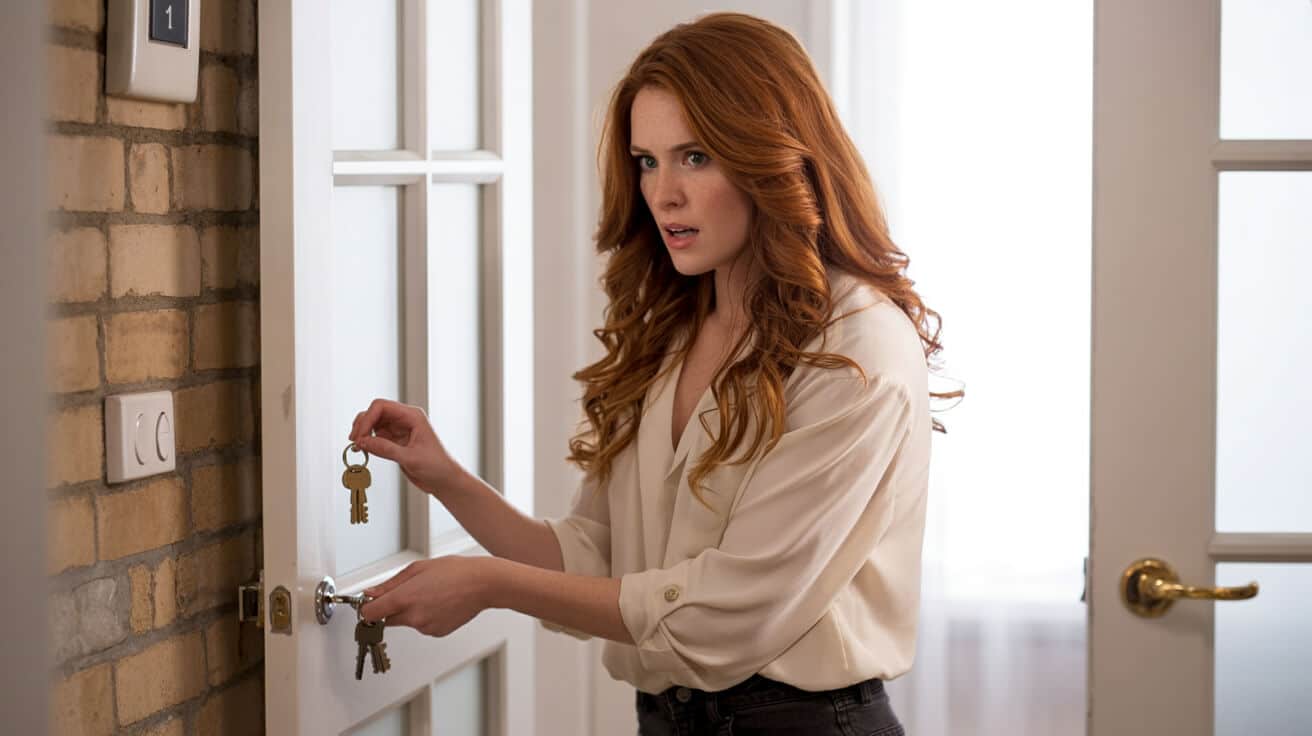
Both modern and classic locks fail for the same reasons: user error, skipped maintenance, or ignoring updates. Lost keys, drained batteries, or misaligned hardware account for most late-night lockouts. Whether you’re holding a metal key or tapping a smartphone, human mistakes remain the weak point.
- 80% of lockouts are due to simple lapses—dead batteries, lost keys, or PIN slip-ups: ([thespruce.com](https://www.thespruce.com/smart-lock-pros-and-cons-1822826)).
- Insurance often won’t cover costs if you ignore basic precautions, like backup access.
Tech fails often replay the same human habits—just with touchscreens, not just keys.
No technology fully covers for forgetfulness or skipping a maintenance check. A lock—digital or not—needs a responsible owner.
Broken Keys or Dead Batteries—Which One Would Ruin Your Night?

A lock is only as reliable as its weakest link. Smart locks can die in a cold snap or when an app update goes awry. Mechanical keys snap from stress, neglect, or warped doors. Whether you’re dealing with software bugs or metal fatigue, being locked out never feels high-tech.
- 500+ households locked out overnight: after a smart lock software glitch ([arstechnica.com](https://arstechnica.com/information-technology/2017/08/500-smart-locks-arent-so-smart-anymore-thanks-to-botched-update/)).
- Old-school lockouts—snapped keys, stuck cylinders—still dominate real-world emergencies.
Neither system is totally safe from bad luck or neglect. Redundancy and routine checks beat fancy features every time.
What Happens If Your Smart Lock Battery Dies?
Smart lock batteries dying shuts you out instantly—and it rarely happens at a good moment. Leading brands often include emergency keys or an external battery port, but not all do.
- Typical smart lock batteries last 6–12 months—faster drain in UK winters ([keyplusystem.com](https://www.keyplusystem.com/what-happens-if-a-smart-lock-fails/)).
- Cheaper smart locks skip backup keys to save money ([eufy.com](https://www.eufy.com/blogs/smart-lock/what-happens-if-smart-lock-battery-dies-everything-you-should-know?utm_source=openai)).
Would you be able to unlock your door in the rain, with no power? Make sure your lock has a “Plan B”—because many don’t.
How Essential Is a Manual Override with Smart Locks?
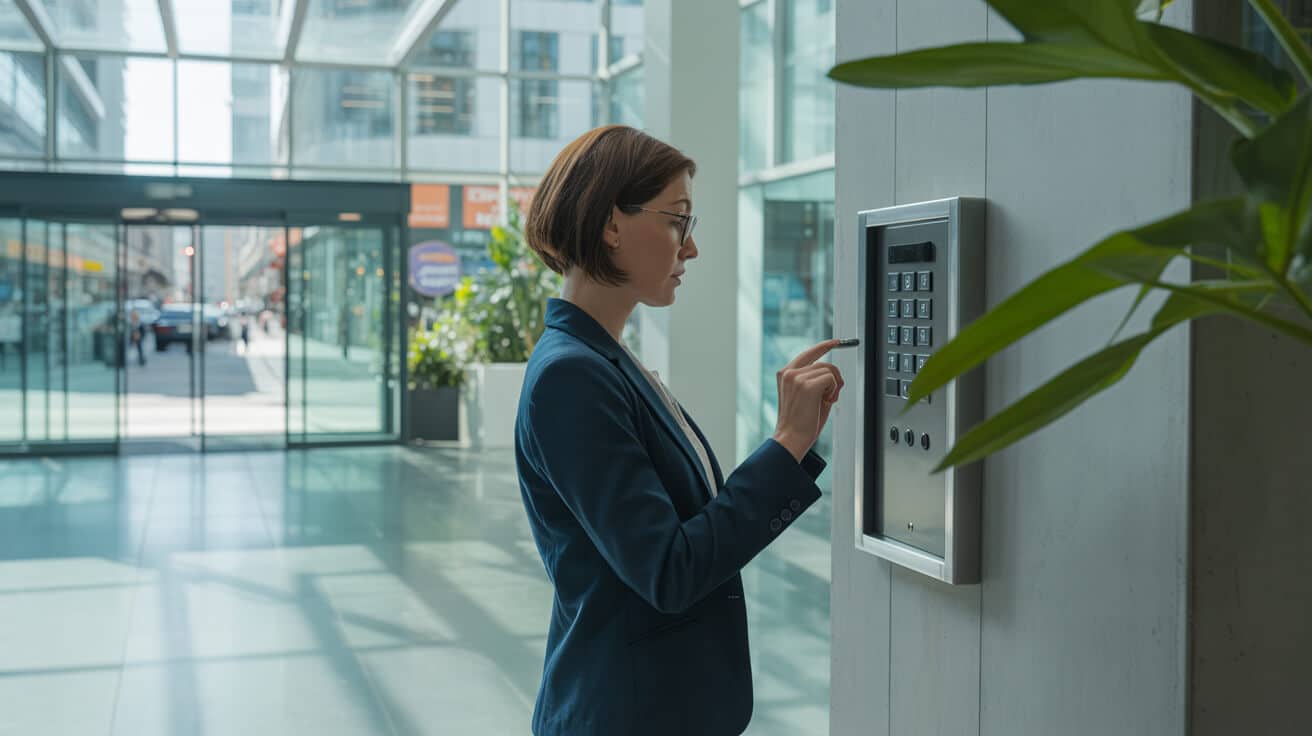
A manual override (physical key slot) is non-negotiable for UK homes. Many budget smart locks lack this, leaving you at the mercy of electronics. For flats, rentals, or anywhere insurance and legal compliance matter, skipping a traditional override is a risky shortcut.
- UK smart lock certifications (EN14846) demand physical override keys: .
- No override? Expect trouble with insurance claims or during emergencies.
Lock brands often hide this detail in the specs. Insist on a certified, manual override—otherwise you’re trusting your luck, not your locksmith.
Mechanical Failures Still Cause Most Lockouts

Tech gets the headlines, but a rusty latch or warped door frame is just as likely to stop you cold. Broken keys, failing cylinders, or fitted hardware that just doesn’t line up after a humid week still cause plenty of midnight panic calls.
- A third of UK lockouts are pure hardware breakdowns: ([thelockboss.co.uk](https://www.thelockboss.co.uk/blog/how-common-are-lockouts/)).
It doesn’t matter how “smart” your lock claims to be—if the bolt can’t move, you’re stuck outside.
Are Wi-Fi and App Glitches a Real Threat for Smart Locks?
Smart locks put faith in your Wi-Fi, phone, and app developer. Lose signal, drain your phone, or hit a dodgy app update and you’re just as locked out as if you dropped your keys down a drain.
- 12 out of 16 Bluetooth smart locks failed key security tests: ([techdirt.com](https://www.techdirt.com/2017/08/18/smart-lock-vendor-locks-hundreds-out-their-home-with-bungled-firmware-update/)).
- User forums overflow with firmware glitches, connectivity outages, and expired app logins.
Choose smart locks with robust “offline” options—review what happens if the network or your phone goes down. Convenience comes with new ways to get locked out.
Could Hackers Break Your Smart Lock? How Big Is the Risk?

Every digital device is a new doorway for hackers. Smart locks with bad encryption, outdated firmware, or weak passwords can be unlocked by anyone who knows how. Most break-ins aren’t Mission Impossible—they happen because the basics were ignored.
- Three out of four tested smart locks failed cyber-security checks: ([techdirt.com](https://www.techdirt.com/2017/08/18/smart-lock-vendor-locks-hundreds-out-their-home-with-bungled-firmware-update/)).
- Hackers rely on reused passwords and skipped software updates.
Set strong passwords. Update the firmware. If you “set and forget,” you’re not more secure, just differently vulnERAble.
Are Traditional Locks Still at Risk from Physical Attacks?
Old-school burglary isn’t dead—lock bumping, picking, and snap attacks are everywhere, especially with ageing Euro cylinders in London homes. Many affordable locks fold fast against basic burglar tools.
- The cheapest locks get bypassed in seconds—not a myth.
Upgrading to anti-snap, anti-pick cylinders matters far more than any “smart” app features.
How Do Features Affect Lock Vulnerability?
Every added feature means more ways something breaks. Smart locks bring cloud outages, app crashes, and extra update steps. Traditional locks get tripped up by spare keys in circulation, poor fitting, or DIY shortcuts.
- Adding smart devices increases your home’s cyber risk by over 37% ([affinityittech.com](https://www.affinityittech.com/2023/05/01/the-hidden-dangers-of-smart-locks-5-reasons-to-think-twice-before-installing-them/)).
Don’t let a fancy new feature distract you from weak points in the rest of your door setup. It’s the basics—not the bells and whistles—that keep bad actors out.
Does a Hybrid “Best of Both” Lock Outperform Solo Solutions?
Hybrid locks—combining app control and manual key access—offer everyday convenience and old-school fail-safes. Landlords, business owners, and families juggling deliveries or multi-user access all lean this way.
- Recent London stats: hybrids outpace single-mode locks in upgrades ([thelondonlocksmiths.co.uk](https://www.thelondonlocksmiths.co.uk/lost-keys-statistics/)).
A hybrid system means you’re less likely to gamble everything on a single failing technology.
Who Really Gains from Smart Locks, and Who Should Stick to Tradition?
Smart locks fit best for short lets, flat shares, and busier lives—where guests, staff, or trades come and go. If you’re always on your phone and handle updates, the tech is a good fit. Prefer total simplicity? A top-quality mechanical lock and a dedicated spare key are hard to beat.
Security is personal—choose the system you’ll really look after, not the one you should want.
Sometimes a “back to basics” lock is the real way to cut your risk, especially if you dread digital admin.
Do Certified Locks Actually Matter, or Just the Branding?
Certification is what insurers, councils, and property managers care about—not sales jargon. A certified lock (BS3621, EN1303 for mechanical, EN14846/UL294 for digital) offers more protection than any app or “high security” sticker on the box.
- Policies get voided if your locks aren’t certified, regardless of manufacturer claims.
Ask to see third-party certificates, not just packaging. Real safety is stamped, tested, and registered—don’t settle for less.
Will You Actually Keep Up with Maintenance?
No lock is truly “fit and forget.”
- Smart locks: need battery swaps, firmware updates, and override practice.
- Traditional locks: want lubrication, occasional upgrades, and real-world key checks.
- Apps now prevent up to 80% of smart lockouts with timely reminders ([eufy.com](https://www.eufy.com/blogs/smart-lock/what-happens-if-smart-lock-battery-dies-everything-you-should-know?utm_source=openai)).
Reliability is a habit, not a purchase. Owning security means owning the little checks, not just the right product.
Should You Be Concerned About Smart Lock Privacy?
Smart locks often log who unlocked the door and when—sometimes pushing data to the manufacturer, sometimes without your control. A growing share of users now flag privacy as a real fear.
- Smart device privacy complaints reach 14% in recent UK polling ([which.co.uk](https://www.which.co.uk/news/article/smart-home-privacy-concerns-aHCW53K6pKlr)).
Review a lock’s data policy. Find out if logs can be deleted or data-sharing switched off—or live with a digital paper trail.
What Hardware Details Are Most Overlooked in Lock Security?
A strong lock means little if it’s mounted in a flimsy frame or held by weak screws. Pros focus on anti-drill plates, anti-snap cylinders, and heavy fittings—the bits most overlooked by DIYers.
It’s easy to obsess over marketing features and still leave your home one kick away from a full breach.
Essential Lock Features You Should Never Skip
Never compromise on these, whatever style you pick:
- Manual override (physical key or backup power port)
- Up-to-date, third-party certification (BS3621/EN1303/EN14846/UL294)
- Professional fitting, not DIY shortcuts
- Scheduled reminders for check-ups and updates
- Paperwork for proving compliance to insurers
Ignoring these corners turns a “secure” lock into a liability, fast.
Side-by-Side: Smart vs Traditional Locks
Here’s what to expect from each option:
| Traditional Lock (BS3621/EN1303) | Smart Lock (EN14846/UL294) | |
|---|---|---|
| Security | Strong with proper fitting | Robust, needs updates |
| Weakness | Picking, key copying | Hacking, battery, firmware |
| Ease | Simple, key required | App, codes, remote unlock |
| Upkeep | Checks, cylinder service | Battery, firmware, app use |
| Cost | £30–£120 + instal | £110–£400, batteries |
| Ideal Use | “Set and forget” homes | Rentals, frequent guests |
As always: instal and maintain properly, or even the “best” lock won’t deliver.
The Real Decision: Are Smart Locks Worth It for You?
Smart locks make sense for hosts, hybrid work, or if you constantly forget keys or need digital logs. For ‘set it and forget it’ owners, certified mechanical locks with anti-snap upgrades offer hassle-free security. For most, the answer is a hybrid: remote convenience—plus a key for true peace of mind.
Your lock is only as trustworthy as your willingness to keep it updated or oiled.
Choose security that matches your actual routines—real life trumps tech lust every time.
Quick Self-Test—Which Lock Is for Your Life?
Ask yourself:
- Are you more likely to misplace a key, or ignore battery warnings?
- Do you use app tools, or avoid digital anything?
- Would you ever use access logs or “guest” timers?
- Do your insurance documents mention locks by name?
The answers reveal which system keeps you safe, with less stress on bad days.
Why Use a Professional Locksmith Instead of DIY and YouTube?
Certified locksmiths do a lot more than turn a screwdriver—they survey frames, avoid fitting pitfalls, and handle compliance paperwork. A pro gives you tailored advice, matching your lock not just to your door, but your habits.
Expert installation often lowers total risk, cost, and “locked out again” drama.
How Prime Alert – The London Locksmiths Matches Security to Real Life
Prime Alert – The London Locksmiths doesn’t just swap locks. Our team studies your routines and business or family needs, focusing on certified upgrades and hybrid options that match your life—not the manufacturer’s hype.
Our qualifications and ConstructionLine certifications guarantee you get solutions that protect you, keep insurers happy, and actually make sense for emergency moments or tech phobia. If you’re juggling properties, want high-turnover guest management, or need to modernise without losing backup keys, we’ve seen it all.
Smart is just a label—real security is always personal, practical, and proven by what you use every day.
Choose Your Next Move with Confidence—Book Prime Alert – The London Locksmiths Today
Ready for reliable advice based on your life—not just a product pitch? Prime Alert – The London Locksmiths is open 24/7. Take your free 5-minute security check—we’ll show you exactly where an upgrade adds value, and which system matches your real-world risks. Every visit brings:
- Transparent, certified support for homes and businesses
- A match between habits, budget, and real threats
- Clear, jargon-free recommendations
- Long-term confidence, not just another gadget
Book now and lock in security that’s personal, practical, and proven.
Frequently Asked Questions
What silent risks undermine both digital and traditional lock protection?
Small, overlooked habits quietly weaken both your manual and smart locks—often faster than any dramatic breach. A worn cylinder, a lost spare tucked away, or stale app permissions open up entry points without warning. Many homeowners discover too late that old guests’ duplicate keys or a rarely-checked smart lock battery have already put their property at risk. Criminals know that neglected habits and overlooked tech settings are a far easier target than lock-picking skills.
Most security failures start with what you no longer see as a threat.
A systematic review from Prime Alert – The London Locksmiths rapidly exposes these invisible vulnerabilities, helping you reclaim security before it’s tested.
Why do battery or app issues frequently cause smart lockouts?
Smart locks promise ease—until a dead battery or buggy update shuts you out. In a January 2024 survey, 13% of access calls reported by UK locksmiths traced back to flat batteries or glitching smart apps, often after overlooked warnings or winter cold. Some brands allow a “jump start” with a hidden pad; others don’t. Firmware updates can freeze access just as you’re rushing out the door. Knowing your lock’s failsafe—physical key slot or battery override—isn’t optional, it’s essential.
Digital freedom feels great—right up until the moment your app won’t open the door.
Monthly battery checks and real-time alert settings greatly reduce lockout stress.
What backup should your smart lock always include?
- Accessible hidden key or emergency power input
- App reminders for low battery and firmware updates
- Physical access for when digital fails
A yearly smart lock health check from Prime Alert – The London Locksmiths protects your entry when tech hiccups strike.
When Wi-Fi or phones fail, how reliable is your smart lock?
Not all smart locks offer backup if cloud or app access drops out. Outages in 2023 left dozens in major UK cities locked out when Wi-Fi went down or phones died unexpectedly. While top models now include Bluetooth pairing, keypad entry, or a thumbturn for manual override, some budget or ultra-slim designs skip these features, betting everything on perfect connectivity.
A robust setup means your door opens locally, even when the cloud doesn’t cooperate. Relying solely on Wi-Fi or your mobile is a risk—ensure your lock allows manual entry if tech fails.
How do modern burglars exploit gaps in mechanical lock security?
Burglary methods have shifted from brute force to bypass tactics like lock snapping, bumping, or decoding—even cylinder extraction. The vast majority of recent break-ins focused on basic euro-cylinder or rim locks, especially those installed over four years ago without fresh professional inspection or upgrades. Weak frames, old key circulation, and skipped annual reviews create an easy path for intruders who follow forums on new vulnerability trends.
Moving up to police-approved, anti-snap designs installed by expert locksmiths not only closes known gaps but helps you meet insurance criteria for claims.
What strategic habits actively lower the risk of being locked out or hacked?
High-performing lock systems succeed when paired with smart habits—routine key audits, scheduled battery swaps, alert tracking, and prompt response when access settings change. Many property managers and families identify at least one outdated or duplicated access route each year. Logs should be reviewed quarterly, cylinders replaced instantly if a key goes missing, and phone permissions reset after personnel changes.
Proactive security isn’t extra work—it’s the fast lane to peace of mind.
Book a security walk-through with Prime Alert – The London Locksmiths and discover exposures you didn’t know you had.
What combined lock approach delivers long-term peace of mind and flexibility?
Maximum resilience blends a certified mechanical lock—like BS3621 or EN1303 standards—with a modern smart system that logs every entry. This hybrid lets you revoke or create access instantly while preserving a physical override for emergencies. Modern business owners and landlords find this crucial for audit trails and convenience. Manual key options, robust frames, and digital time-limited access codes form a security perimeter that adapts as your needs shift.
Lock reviews every six months catch hardware wear or hidden software flaws before they spiral. Consult Prime Alert – The London Locksmiths for a solution that evolves with your home or business.