What’S The Difference Between A Lock Repair And A Full Replacement
 What’S The Difference Between A Lock Repair And A Full Replacement
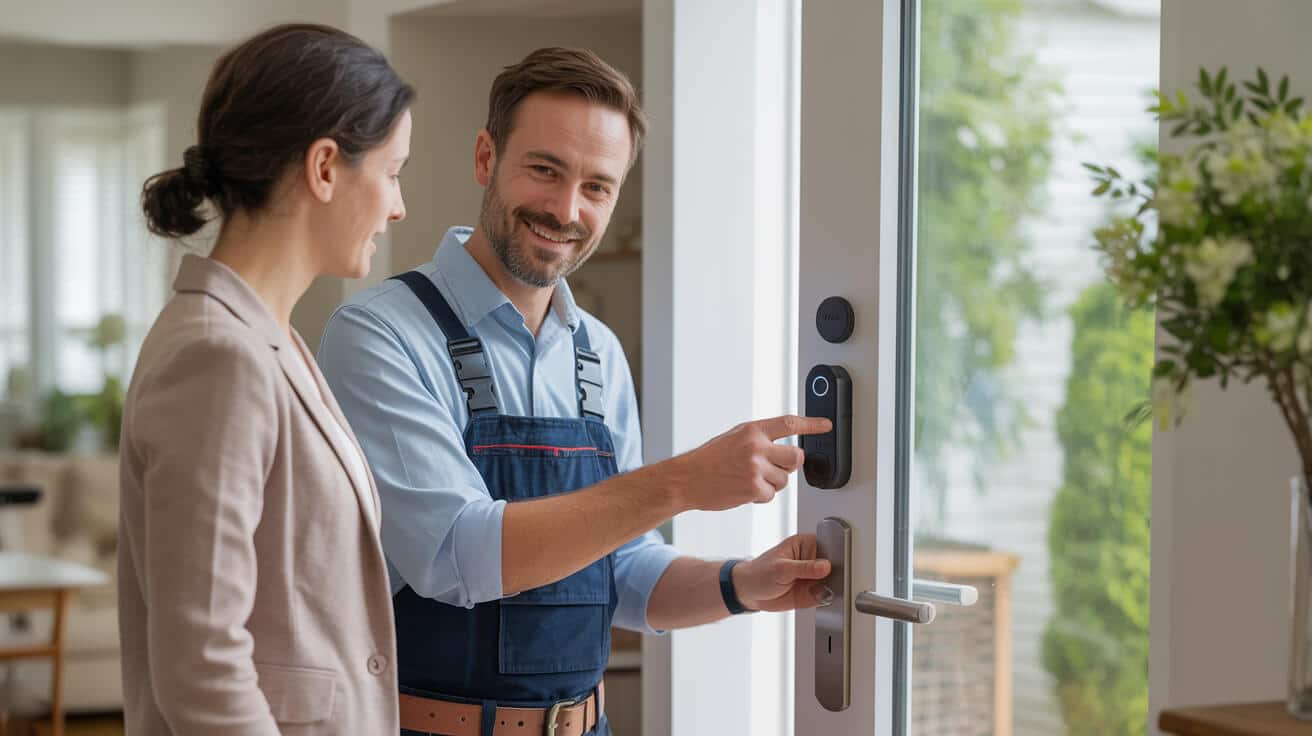
What’s the Difference Between a Lock Repair and a Full Replacement?
Your lock blocks intruders, not just draughts. When it stops working properly, your entire sense of security wobbles—fast. Suddenly you’re in a “Do I patch it, or do I scrap it?” moment, where every path has clear stakes: save a bit now, or invest in long-term peace of mind and compliance. The call you make here could determine your property’s safety, your insurance payout if things go sideways, and your daily sense of control.
Every lock tells a storey—keeping yours strong is the kind of decision a vigilant owner never regrets.
What Actually Changes When You Repair a Lock Versus Replace It?

Repairing a lock means restoring your existing hardware: cleaning, re-aligning, tightening, or swapping worn parts so your original lock works as it should. Replacement is a full reset—removing every old part for a brand-new system, aligned with today’s standards and, crucially, new threats.
Repairs are ideal for minor faults—think stiff keys or loose plates—where the mechanism remains structurally sound and compliant with regulations. If repairs are possible, you protect the character of your door and save money. Replacement, on the other hand, is a bigger play: new hardware, new internal mechanisms, a new key, and, for many, a visible boost in both security and peace of mind. Choosing wisely means understanding both routes—and knowing when patching stops being enough.
Is a Quick Lock Repair Enough, or Are You Just Delaying a Bigger Bill?
Most property owners hesitate before full replacement—who wouldn’t? Yet a true repair returns all parts to working order without changing the lock’s security grade (or your insurance standing). Persistent issue? Split casing? Core rusted through? That’s when replacement becomes urgent—and often, mandated.
Where Does Each Path Make Sense?
- Repair: is best for: sticky keys, loose handles, minor misalignments, or surface wear and tear.
- Replacement: is better for: past burglaries, insurance requirements, deep rust, or visible mechanical fatigue.
How Can You Spot If Your Lock Needs More Than a Quick Fix?

A lock rarely fails all at once. Small warnings creep in—resistance on the turn, strange clicks, an extra jiggle needed before the bolt slides home. These minor annoyances can mask underlying structural wear that explodes into a midnight emergency.
Immediate Red Flags That Your Lock Needs Help
- Hard-turning or sticking keys: – often grime or tiny parts drifting out of place.
- Handles or knobs that wobble: – internal fixings are starting to fail.
- Grinding or scraping sounds: – components wearing beyond what routine care can fix.
- Heavy corrosion/cracks: – signals the lock is losing its ability to keep you safe.
The payoff for not ignoring these little signs? You skip that heart-stopping locked out night and spend less in the long run.
What Does a Professional Lock Assessment Actually Include?

Skilled locksmiths perform a three-point assessment: they test every operation (key, turn, latch), inspect for force marks or subtle tampering, and confirm compliance with British Standards like BS3621 or TS007. They’ll show you what works (and what doesn’t) and build a simple repair-or-replace roadmap—no up-sell, just straight facts on how to protect your property, meet insurance criteria, and avoid crisis mode (gslocksmithsllc.com).
When Does a Simple Repair Deliver the Best Outcome?
If the lock mechanism is sound, issues like sticky keys, minor drift, or even a broken key stuck inside can usually be handled with a precision repair. Locksmiths will realign parts, clean or lubricate the mechanism, remove lodged debris, and re-tension tiny springs—restoring full function without the cost or hassle of wholesale change.
Repairs like this aren’t just “band-aids”—when performed by a pro, they extend the working life of your lock and keep your property moving smoothly (with fewer surprise costs down the line).
When Is a Full Replacement Non-Negotiable?

Certain problems kill any shot at revitalising your lock. If the internal case cracks, corrosion eats through core parts, or a burglar forcibly defeats the mechanism, no amount of tinkering will restore its integrity.
Insurance companies, police, and reputable locksmiths agree: after a successful break-in, severe rust, or structural breakage, you need to replace—not repair. Continuing to rely on a compromised lock means gambling with your property (tooting-locksmith.co.uk).
What Does a Full Lock Replacement Actually Involve?
A professional doesn’t just pull out the old lock and jam in a new one. The process matters:
- Every old part—latch, cylinder, screws, handle—is removed.
- Precise alignment and fitting of the new hardware to meet BS3621 or TS007 standards.
- Key set, code, or digital pairing updated for maximum security.
- Finish with warranty paperwork and compliance documentation.
A lock replacement, done right, feels invisible in daily life—except for how secure you feel each time the door shuts.
Locksmiths like Prime Alert deliver this with every replacement—in other words, you’re buying peace of mind, not just new metal.
Is Repair Always Cheaper? What Kind of Value Can Replacement Add?

At first glance, repair wins the price war—lock fixes in London typically run £50–£120, while replacements range £95–£200+. But if your fix is just buying time, the “savings” vanish with each repeat call. Choose repair for minor, one-off problems; invest in replacement when the cost of uncertainty or repeated outages stacks up.
| Option | Cost (London) | Lifespan |
|---|---|---|
| Repair | £50–£120 | 1–3 years |
| Replace | £95–£200+ | 5–10 years |
A well-timed replacement can save hundreds in the long run, especially when insurance or legal compliance enters the picture (nottinghamlocksmith.org.uk).
Can Repairs Bring an Old Lock Up to Modern Security Standards?

Restoring a lock to full function doesn’t guarantee it meets today’s insurance requirements. Even when a repair “fixes” keys sticking or misalignment, it won’t upgrade a lock to BS3621 or TS007 status. For landlords or anyone counting on their insurance, only a certified full replacement can guarantee compliance.
There’s a difference between working and protected—and only the right standard delivers both.
Should Period or Decorative Locks Be Repaired or Replaced?

Heritage property? Unique ornamental entryway? Skilled locksmiths will repair and preserve original locks whenever safe and possible. They’ll restore worn mechanisms, hand-fit replacement parts, or even build custom pieces. Only locks that are unsalvageable or non-compliant with basic safety should be swapped for new (asaplockandkey.com).
“Keeping the look” doesn’t have to mean “keeping the weakness.”
Is Repair the Greener Option?
Fixing what you already own keeps hardware out of the landfill and trims your environmental footprint. If your lock can be efficiently serviced, repair is the greener play. But full replacements sometimes prevent greater waste by eliminating ongoing short-lived fixes (lardnerlocksmiths.com).
Which Repairs Are Safe for DIY—And When Should You Call a Locksmith?
Oiling a sticky keyway, replacing easy-to-access batteries, or tightening visible screws? Tackle those confidently. The minute you face broken keys, jammed mechanisms, or smart-lock digital oddities, get a pro. DIY misfires are a top reason emergency locksmiths are racing across London every night.
The quick fix that backfires usually costs twice as much by morning.
Prime Alert always arrives with guarantees—and zero blame.
Can You Trust Locksmith Quotes and Timelines?
With trusted firms like Prime Alert, you get fully mapped options and transparent pricing every time—no repairs or replacements without your sign-off, no surprise add-ons, and everything explained in plain English. You call the shots, not the invoice (thelondonlocksmiths.co.uk).
Does Sorting Small Lock Issues Early Really Prevent the Emergencies?
quick fixes for little snags—sticky turns, loose handles, or slow keys—drastically cut your chance of a big, late-night meltdown. Londoners who act fast see about half as many emergency call-outs. Prevention is cheaper than panic, every single time (thelondonlocksmiths.co.uk).
The costliest lockouts are almost always the ones somebody spotted and ignored a week ago.
Are All Lock Types Equally Repairable?
Some types are more forgiving. Mortice locks can often be serviced and nursed along for decades. Euro cylinders and multi-point mechanisms? Cylinder or gearbox damage usually means a total swap. Smart locks may take a battery fix or software reset—but digital hardware failures often signal end-of-life (gslocksmithsllc.com).
Understand your hardware, and you’ll understand your options.
Can Re-Keying Be a Compromise Solution?
Re-keying swaps internal pins, so old keys won’t work while the external parts stay put—a favourite for landlords switching tenants. Not every lock can be re-keyed (smart/cloud-enabled models rarely allow it); with simpler hardware, it’s a cost-saver and hassle-light (whiteroselocksmiths.co.uk).
What Role Do Insurance and Law Play?
If you’re a landlord or run a business, BS3621 or TS007 certifications aren’t “nice-to-haves”—they’re non-negotiable. Insurance claims after a break-in are routinely denied for non-compliance. If recent law, a lease, or your coverage wants an upgrade, even the most pristine vintage lock has to go.
Legal security means the right lock is “must-have,” not “might-as-well.”
Does Regular Maintenance Really Extend a Lock’s Lifespan?
A light annual cleaning, some spray lubricant, and a pro’s annual check go further than you think. Most lock breakdowns started as a little dirt, rust, or misalignment—address that early and you’ll prevent the late-night crisis that empties wallets and nerves (nottinghamlocksmith.org.uk).
Routine is underrated, and your future self will thank you.
Should You Repair or Replace? Quick Owner’s Matrix
Ask yourself these:
- Has the lock passed ten years?
- Do you see serious rust, cracks, or forced marks?
- Is your key sticking or snapping—more than once?
- Have you just moved house, changed tenants, or handled a break-in?
If “yes” to at least two, skipping repair for a replacement (or at least a pro checkup) is wise (lardnerlocksmiths.com).
Do Smart Locks Change the Equation?
Today’s digital locks can be reset, reprogrammed, or have batteries swapped, but the pace of tech moves fast. Outdated firmware or worn digital parts almost always call for replacement—making smart lock upkeep a balancing act between convenience and keeping your security current (tooting-locksmith.co.uk).
In security tech, what’s smart can become outdated overnight.
Real-World Fix: When Quick Repair Saves the Day
One North London homeowner discovered their deadbolt stubbornly grinding every morning. Prime Alert’s team responded within the hour, realigned one misbehaving spring, and left the original lock working perfectly—no disruption, no upsell, just a smooth door and a grateful family (thelondonlocksmiths.co.uk).
Do Customers Really See the Difference with Pro Advice?
Londoners repeatedly praise locksmiths who walk through every option, lay out honest pros and cons, and steer clear of unnecessary sales. Clients mention feeling “in control” and “fully informed”—a rare relief in property emergencies. Prime Alert’s reputation? Fair, transparent, and zero pressure (actionlockanddoor.com).
Quick Reference Table: Repair or Replace Decisions
Here’s a cheat-sheet for your next “what now?” moment:
| Symptom | Repair? | Replace? |
|---|---|---|
| Stuck key | ✔ | Seldom |
| Broken key inside | Usually | If removal fails |
| Cracked lock body | ✗ | Always |
| Severe internal rust | Maybe | Usually |
| After break-in | ✗ | Always |
If in doubt, protection beats penny-pinching every single time.
How Do You Make the Right Security Call?
Top locksmiths clarify, then let you choose—without the pressure. You deserve a balanced run-down of each route: repair or replace, plus honest detail on the risks and rewards. Prime Alert keeps you in control, offering only what you need so you can relax knowing you’ve made the safest move for your home or business.
Relief begins as soon as you decide to act—regret waits for those who delay.
Set a New Standard for Your Security—Contact Prime Alert
Don’t let indecision throw your property’s safety into question.
Call Prime Alert – The London Locksmiths now for a no-obligation security check or honest advice.
You’ll get a clear breakdown of the best option, fast local help, and reliable aftercare. There’s nothing more reassuring than knowing your security is handled by the real pros.
Frequently Asked Questions
How do early lock issues help you spot bigger risks before they hit your security?
Slight stiffness, wobbly handles, or keys that hesitate often seem trivial—until these patterns return after quick fixes or routine lubrication. When minor annoyances repeat or escalate, it usually means inner components are wearing down, not just surface dirt or misalignment. If your lock is over five years old or has needed more than one repair for the same fault, it’s wise to investigate beneath the surface to prevent sudden failures that can leave you locked out or compromised.
What overlooked signs suggest your lock is wearing out?
- Key doesn’t turn as smoothly despite cleaning
- Movement feels “spongy” or slack after each use
- Handle, latch, or bolt shows slow movement during damp or cold snaps
Even the smallest hesitation in your lock’s feel could be your first—and only—warning before things worsen.
Why do insurance claims and break-in investigations focus on certified lock upgrades?
Modern home insurance providers increasingly require locks that meet British Standard BS3621 or TS007 certifications. If your current hardware is outdated, uses non-standard parts, or lacks proper paperwork, insurers may refuse claims after theft or forced entry. Replacing with up-to-standard locks instantly boosts security, records chain-of-custody, and satisfies underwriters—avoiding financial surprises if things go wrong. It also shows would-be burglars that your door isn’t worth the hassle.
When are you likely to be on the hook for non-compliance?
- Insurance inspections after a claim reveal uncertified, non-compliant, or old locks
- Police reports indicate forced entry through repaired—rather than replaced—hardware
- Property audits by landlords or agents that cite missing documentation
Could small, repeated repairs actually cost more than total lock replacement?
Quick repairs can seem wallet-friendly, but repeated callouts stack up. Ignoring underlying wear means ongoing “patch and pray” cycles—paying more in time, money, and inconvenience as problems recur. New, high-security locks are engineered for years of reliable use, and over a typical lifespan (5–10 years), the cumulative cost of multiple “affordable” repairs will often exceed the price of a professional upgrade.
Lock maintenance cost comparison table
Switching to a new high-grade lock usually pays for itself within two years, especially if you factor in reduced downtime and fewer emergencies.
| Service Type | Typical Cost | Functional Lifespan |
|---|---|---|
| Single repair | £60–£85 | 1–2 years |
| Two or more repairs | £120–£180 | Declining with age |
| Full lock replacement | £120–£220 | 5–10 years |
Which warning signs make a lock unfit for repair—and how do you know it’s time to fully upgrade?
Some locks simply reach the end of their functional life. Deep internal rust, cracked bodies, or mechanisms that grind or “seize” even after service are clear indicators that repairs won’t hold. Lost keys, recent burglaries, or locks older than eight years suggest vulnERAbilities that no tune-up can secure. Upgrading is essential not only to restore safety but to guarantee today’s anti-snap, anti-bump performance demanded by insurers and property managers.
Red flags a lock can’t be saved:
- Obvious physical damage or missing parts
- Key jams or breaks despite new keys and adjustments
- Lock cannot pass up-to-date BS3621/TS007 compliance tests
What’s the most effective way to prepare for a locksmith visit, so repairs or replacements go smoothly?
Begin by clearing all access points—move furniture, mats, or bins. Write down any odd symptoms: persistent stiffness, grinding noises, or weather-related sticking. Bring up lost keys, attempted break-ins, or insurance letters with your locksmith straight away. Ask about insurance-compliant installations and request certification paperwork—it’s not just about getting locked in or out, but protecting your status with insurers, landlords, and tenants.
Homeowner’s pre-locksmith checklist:
- Ensure pathways to locks are clear
- Record all irregularities and recent lock issues
- Request documentation for any insurance or compliance-related work
Why trust Prime Alert – The London Locksmiths for lock upgrades, repairs, and compliance needs?
Prime Alert delivers more than technical skill—they bring industry certifications, up-to-date insurance knowhow, and hardware that keeps pace with evolving threats. Whether you’re facing emergency lockouts, upgrading residential and commercial properties, or navigating post-break-in compliance, Prime Alert acts quickly and leaves you prepared for audits and claims. Their experience across London’s toughest requirements means your locks work and your security passes scrutiny with confidence.
In a city built on trust, who you call for your locks says as much as what you instal.
Call now to secure your home or business the way professionals do—before small slips turn into open invitations.