

 Anti Snap Locks What They Are And Why You Need Them
 Anti Snap Locks What They Are And Why You Need Them

The Silent Flaw in Common Door Locks
Most UK homes are locked, but not necessarily secure. Standard Euro cylinders stand guard on millions of doors, creating a comfort zone that’s more fiction than fact. Here’s the truth: Thousands of break-ins each year expose a flaw hidden in plain sight—your lock could fail in under 30 seconds (West Yorkshire Police).
The door feels solid, but your lock could give way in under 30 seconds.
It doesn’t matter if you’ve just moved in, spent a fortune on a new door, or trusted a contractor’s spec sheet. If you don’t actively know your lock is anti-snap, you’re gambling with your security. Vulnerability often goes unnoticed until after a break-in—a lesson nobody wants to learn firsthand.
Are Standard Locks Still Fit for Purpose?
What was once modern is now a liability. Euro cylinder locks were designed for convenience, but their design blueprint has been exploited by burglars for over a decade. If you still trust age or brand reputation, you’re targeting your own peace of mind.
What Is Lock Snapping and Why Is It Spreading?

Lock snapping is an intruder’s shortcut, not a craft. By targeting the thinest section of a Euro cylinder lock with a simple tool, a burglar can break the lock in place, exposing the door’s central mechanism and turning it open—fast, and almost silently (Safe.co.uk).
Breaking in no longer requires skill—just seconds and a common tool.
Home burglaries can seem random, but the real pattern is how quickly weakness gets exploited—especially when word spreads about vulnERAble locks in a neighbourhood.
Why Is Lock Snapping a Burglar’s Favourite?
Burglars aren’t reinventing crime—they’re picking the easiest, fastest option. Standard Euro cylinders offer minimal resistance, plenty of opportunity, and almost zero risk of getting spotted, especially when there’s no upgraded cylinder to stop them.
Why Are So Many London Doors at Risk?
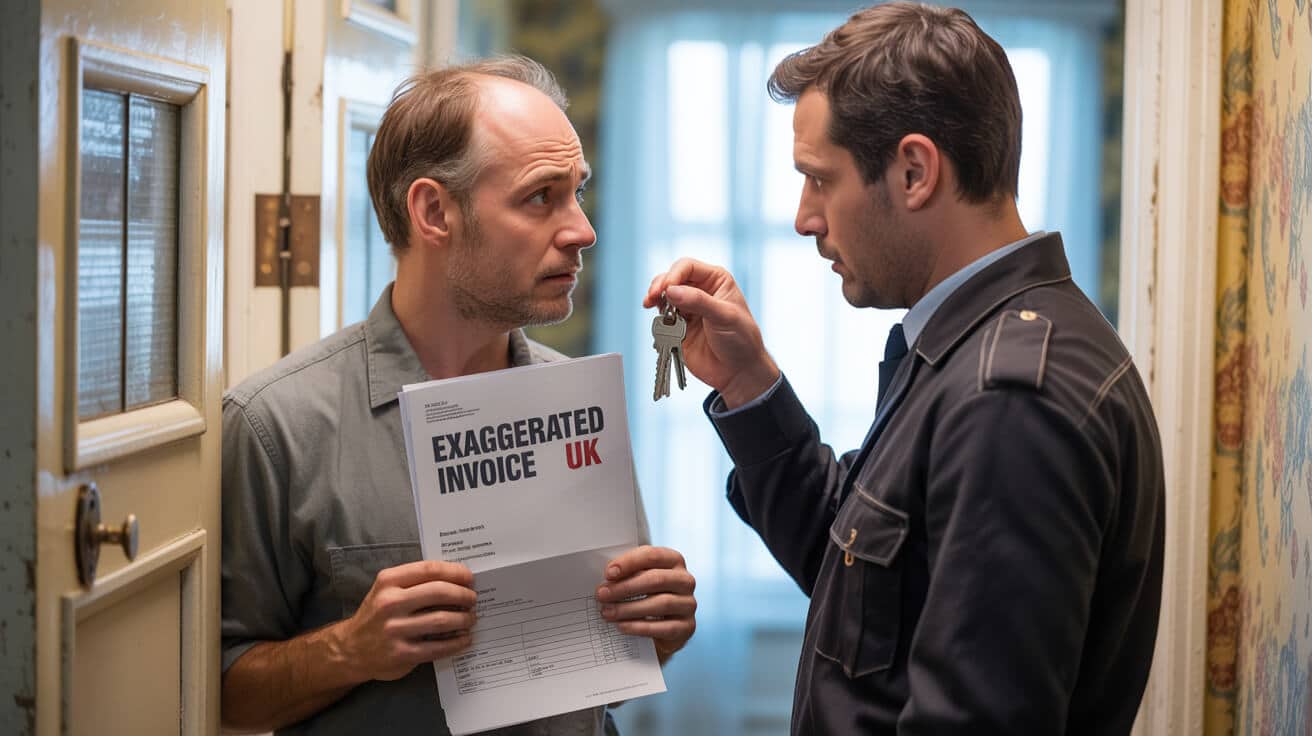
It comes down to old habits and weak standards. Over 70% of doors in London flats and houses are still fitted with basic cylinders prone to snapping. Even thick or reinforced doors are vulnerable if the cylinder itself is second-rate.
Most homeowners, landlords, and businesses have no idea a problem exists—until regret outpaces prevention.
Could Your Property Be an Easy Target?
If you’ve never been told “this lock is anti-snap,” odds are high it isn’t. No certificate, no badge, no paperwork? Your security is rolling the dice.
How Does a Lock Snap Attack Actually Work?

It’s brutal in its simplicity. A tool clamps onto the exposed cylinder, force breaks the lock at its weakest spot, and the mechanism inside is exposed—leaving the rest of your defences pointless (Keytek.co.uk).
Forced entry often makes less noise than you’d think—a quick crack, nothing more.
No smashed windows. No alarms. The threat goes unseen but is all too real.
Find the Risk Before It Finds You
If your keyhole sticks out beyond the handle, or you have no anti-snap certification, your lock is primed for trouble. Most people see the problem only after the fact.
Where Do Standard Lock Designs Fail?
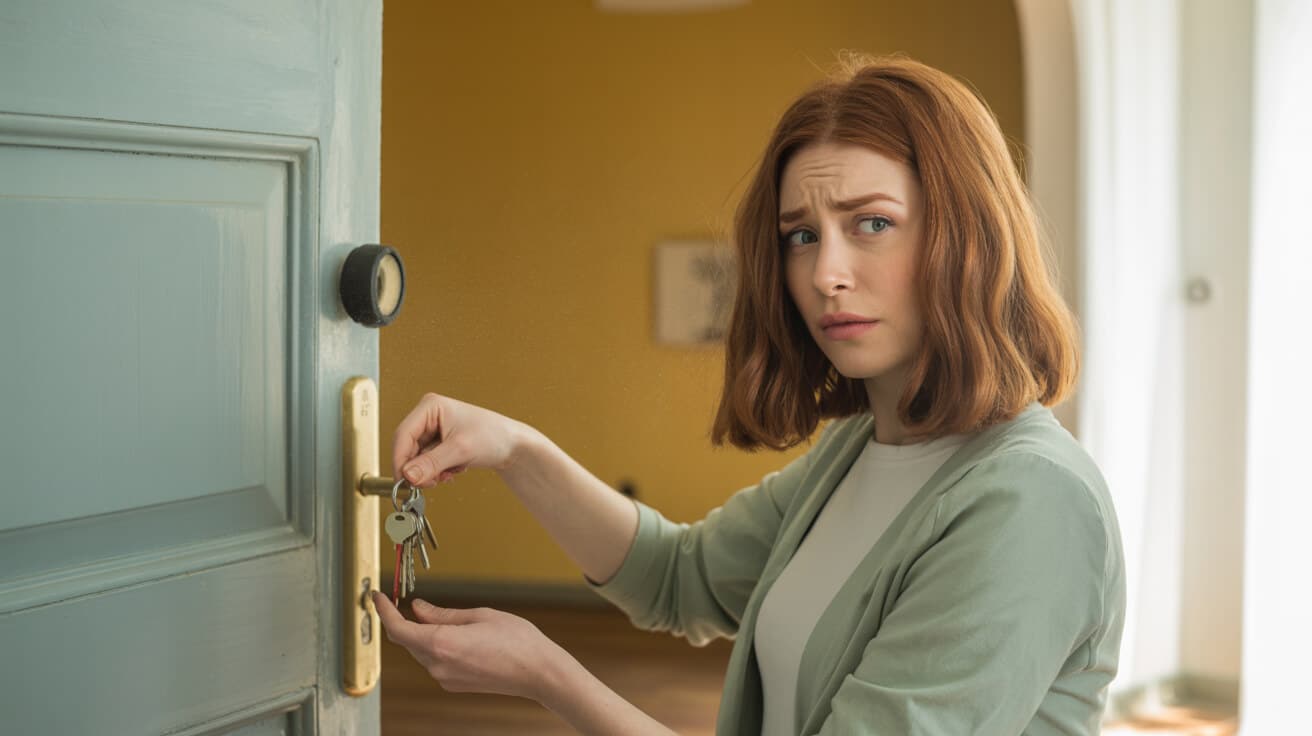
Manufacturers often use cost-saving shortcuts, leaving the cylinder’s core—the fixing screw area—exposed or weak. When a lock projects three millimetres or more outside the handle, it’s practically inviting attack (SheffLock.co.uk).
A few millimetres too many, and you may as well hand over your keys.
Burglars don’t discriminate; every door is just another shot at an easy payday.
How Burglars Exploit Lock Weakness

Victims don’t just lose property; they lose trust in their home’s safety. Lock snapping leaves little external evidence—sometimes the only clue is missing valuables, not obvious damage (Keytek.co.uk).
Lock snapping isn’t just about theft—it shatters confidence, privacy, and peace of mind.
Restoration isn’t just a matter of replacing your lock—it means reclaiming your security mindset.
Lock Snapping by the Numbers: Understanding the Real Risk

One in three London burglaries now involve lock snapping, and insurance claims have spiked by 45% over the past year (Safe.co.uk). Suburbs and city-centre properties see equal risk—nobody is outside the statistical firing line.
Prevention, by contrast, is an upfront investment that never feels expensive after a close call.
How Urgent Is This for Your Area?
Burglaries often ripple through neighbourhoods—one vulnerability can trigger a pattern of break-ins. Delay is risk on repeat.
What Are Anti-Snap Locks—and How Do They Work?

Anti-snap locks reengineer the standard Euro cylinder into your strongest defence. They feature a sacrificial section engineered to break away under pressure, while keeping the core lock mechanism secure.
The real intelligence of anti-snap locks is that they fail safe—not open.
To the eye they may look ordinary, but inside is what blocks the attack.
How Sacrificial Snap Lines Protect Your Property
An anti-snap cylinder is designed to break along a pre-set groove near the outside edge. When forced, this section snaps off, leaving the critical internal mechanism locked and impenetrable (Keytek.co.uk).
After a snap attack, your door stays locked—burglars walk away empty-handed.
Even after an attack, your property remains locked until you swap the cylinder.
Beyond Snap-Resistance: The Best Anti-Snap Lock Features
Top-quality anti-snap locks aren’t one-trick ponies. They resist bumping, picking, and drilling with layered defences—think hardened pins, locking plates, and traps unreachable by standard burglar tools (SheffLock.co.uk).
Upgrade once, and you leap ahead of almost every criminal’s playbook.
The Importance of Certification: Trust but Verify
Locks can look similar, but only those with the Sold Secure SS312 Diamond or TS007 3-Star Kitemark undergo independent, real-world testing (Safe.co.uk). That’s what insurance, and peace of mind, actually require.
Security isn’t bought from packaging—it’s confirmed with tested marks and paperwork.
Badge or logo printed on the cylinder? That’s the first test. The second is a certificate matching your hardware.
“3-Star” and “Diamond Standard”: What Do These Mean?
A TS007 3-Star Kitemark or Sold Secure Diamond tells you your lock will stand up to snapping, picking, and drilling. Anything less is an invitation to try their luck (Safe.co.uk).
If you don’t see it, ask why—never trust generic claims.
Why Professional Installation Beats DIY Every Time
Anti-snap locks are only as good as their installation. Wrong size, poor fit, or amateur fixes erase all benefits. Correct fit ensures the lock is flush, secure, and fully aligned—a must to keep burglars from getting any leverage.
Lock failure usually means bad fitting—not that your hardware let you down.
Accredited locksmiths like Prime Alert provide not just skills, but long-term guarantees.
The Flush Fit Matters: Sizing Isn’t Optional
A properly installed cylinder shouldn’t extend beyond the handle by more than three millimetres. This tiny adjustment cuts risk by up to 90% (Keytek.co.uk). Pair with a robust handle or escutcheon, and you lock out even more potential attacks.
Security Handles and Guards: Layered Defence for Busy Streets
Steel security handles, guards, and escutcheons block access before it even starts. For exposed front doors or entryways on busy routes, these upgrades often lead to lower insurance premiums.
Smart upgrades cost far less than even a single burglary claim.
A layered approach means greater resilience—and greater peace of mind.
The Hidden Cost of Waiting
Every day you wait, you risk more than property. Stress compounds; the price of regret makes any upgrade seem cheap by comparison (SheffLock.co.uk).
Acting early means you’re protecting more than assets—you’re restoring a sense of control.
Cutting Through Gimmicks: Features That Always Matter
Disregard big promises—focus on three non-negotiables: a visible sacrificial line, a genuine certification mark, and verifiable paperwork from a trusted locksmith.
Missing any of these? Search until every box is ticked.
Finding the Right Anti-Snap Lock for Your Door
Anti-snap cylinders come in versions for every popular UK door material—timber, uPVC, aluminium, composite. But “universal fit” is a myth; only a proper survey and custom sizing guarantee a flawless, burglar-proof fit (Safe.co.uk).
A specialist review means your property’s real requirements—not a one-size-fits-all fix.
Insurance and Upgrades: Claims Can Fail Without Evidence
Some insurers quietly expect a “3-Star” or “Diamond” lock for burglary cover. Others offer lower premiums if you upgrade. Keep your invoice and photo evidence—no proof, no payout when you need it most (Safe.co.uk).
Local Proof: Real Outcomes from London Properties
Reports in boroughs including Croydon and Islington show the same storey: homes with anti-snap locks resist break-ins, while neighbours relying on old cylinders bear the brunt (West Yorkshire Police). When one property upgrades, word spreads—and crime rates drop.
Beyond Homes: Landlords, Flats and Commercial Security
Landlords, property managers, and directors increasingly insist on anti-snap upgrades for both legal protection and to meet lease or insurance terms. Protecting whole portfolios preserves both reputation and the bottom line.
Top Anti-Snap Locks for 2024: The Latest Innovations
The best products this year combine digital convenience—smart key management, audit trails—with the proven mechanical security of robust cylinders (Wikipedia). Don’t sacrifice physical security for flashy tech; demand both.
Can You Tell If You Already Have Anti-Snap Locks?
Look for a Kitemark or Diamond symbol stamped on your lock’s outer edge. Review paperwork; if there’s no written proof of a TS007 3-Star or Sold Secure Diamond, don’t assume anything (Safe.co.uk).
Professional fitters leave credentials and documentation; DIY jobs don’t.
How to Choose the Right Locksmith
Demand evidence—proof of qualifications and insurance, BSI or other respected trade body accreditation, and a warranty for both hardware and fitting (SheffLock.co.uk).
A lock’s strength means little if it’s fitted by an amateur or without documentation.
Ask for credentials up front—save hassle and risk later.
Budget for Anti-Snap: What to Expect
Most London anti-snap upgrades cost less than a fresh insurance excess—often under £200 per door (Safe.co.uk). Paying for shortcuts today can mean bigger losses in the future, including blocked email on your denied claim.
The Real Win: Peace of Mind
Restoring security isn’t just about locks or keys. Londoners who upgrade report better sleep, lower anxiety, and a stronger sense of control over their space (Safe.co.uk).
You’re not just protecting assets—you’re investing in daily wellbeing.
That confidence is priceless—and lasts long after the job is done.
How to Book an Upgrade the Smart Way
Respected London locksmiths offer upfront pricing, fast booking, and transparent aftercare (Keytek.co.uk). Compare offers, but never skimp on credentials or the paper trail.
Your Personal Safety Checklist
- Before: Check your lock type and your insurer’s terms; book a reputable, accredited installer.
- During: Watch for flush fitting and official badge marks.
- After: Request your receipt and photo proof; notify your insurer.
Good documentation is your strongest fallback.
Why London Trusts Prime Alert – The London Locksmiths
Property owners, families, and businesses across London choose Prime Alert for proven anti-snap upgrades, independent approval, and clear, jargon-free guidance (West Yorkshire Police). With us, your security isn’t left to chance.
Strong locks, expert fitters, and bulletproof records—Prime Alert delivers what matters most. You won’t stop every threat, but you can get out ahead of nearly all of them. Take back your confidence—book your upgrade with Prime Alert – The London Locksmiths now.
Frequently Asked Questions
What innovations make anti-snap locks the first line of defence for modern doors?
Anti-snap locks are engineered with break-away segments that deliberately fracture under attack while safeguarding the lock’s vital core. Unlike typical euro cylinders—which fail entirely when snapped—these high-spec models feature a reinforced cam and steel pins behind the sacrificial point, so burglars are denied access even if the exterior breaks. The latest TS007 3-Star and Sold Secure Diamond designs push protection further with hardened anti-drill shields and sophisticated bump resistance, ensuring you keep control even when brute force is used. These features make anti-snap locks a visible deterrent and a structural barrier against modern theft tactics.
How do intentional weak points actually protect you?
- External break lines absorb brute force, leaving the cam locked.
- Multiple defence layers (drill, pick, bump) block rapid entry attempts.
- Only locks passing rigorous testing wear the 3-Star or Diamond badge.
“An intelligent lock fails in a way that keeps your home secure—not the other way around.”
Where are properties most at risk from lock snapping attacks?
Homes and businesses with euro-profile cylinders fitted to uPVC, composite, or wooden doors—especially when the cylinder juts out past the handle—are prime targets. Burglars actively look for this protrusion; if your lock extends 3mm or more beyond the handle, the risk of a snap attack jumps dramatically. Even new builds and post-2010 refurbs often use standard cylinders, not anti-snap, unless explicitly upgraded. In metropolitan areas, estimates now show upwards of 65–70% of properties with easily snapped locks—a risk that usually stays hidden until a break-in occurs.
Key warning signs for vulnerable doors
- Cylinder is visible and protrudes beyond the handle
- No etched 3-Star (TS007) or Diamond mark on the lock
- Locks fitted or replaced before 2015 are less likely to be certified
A professional audit by Prime Alert – The London Locksmiths can reveal and fix vulnerabilities in minutes.
What’s the quickest way to verify your lock’s snap resistance?
Examine your cylinder for the etched TS007 3-Star Kitemark (star-with-heart emblem) or Sold Secure Diamond insignia—these are direct evidence of anti-snap certification. If paperwork mentions “SS312 Diamond” or “TS007,” your lock meets modern standards. Don’t trust generic “high security” claims: only locks with these visible marks and supporting documentation actually passed lab attack protocols. If you can’t find clear proof, treat it as non-certified and consider a professional assessment—you don’t want to find out after the fact.
Simple steps to check your locks
- Locate the symbol on the cylinder face; absence means non-certification
- Cross-check receipts or installation records for 3-Star/Diamond mention
- When in doubt, schedule an inspection—insurers may demand it for claims
A documented upgrade isn’t just compliance; it’s leverage for future insurance and re-sale negotiations.
Why are police and insurers uncompromising about anti-snap credentials?
Break-ins exploiting snapped locks often go undetected until valuables are gone, and insurers have grown strict: payouts may be denied if proper certification isn’t in place and provable. Statistics from metropolitan police forces show burglaries involving snapped cylinders drop by over 60% after certified locks are installed. Insurance underwriters treat anti-snap certification as a key evidence point—without it, premiums rise and coverage lapses become more likely. Only locks tested by independent bodies and fitted by accredited professionals will pass scrutiny if an incident or audit occurs.
Defining a genuinely “certified” lock
- Laboratory-tested for snap, bump, pick, and drill resistance
- Kitemark or Diamond symbol must be clearly visible
- Installation and certification paperwork on file for your records
“Security is about passing the real test—not just clicking a box on a checklist.”
What’s the real return on investment for upgrading to anti-snap locks?
A certified anti-snap lock upgrade often runs under £200 per door with professional fitting—a fraction of the average cost for burglary repairs, and significantly less than potential uninsured losses. Unlike recurring alarm fees, this is a one-time outlay that delivers years of active protection and visible deterrence. According to recent case studies, properties with upgraded locks experience lower break-in attempts and enjoy better terms with insurers. Plus, a documented upgrade can raise property value and smooth the sale process down the line.
What owners actually gain
- Immediate risk reduction: most criminals skip homes with visible anti-snap signs
- Documented compliance for insurance and resale incentives
- One-time upgrade secures your property’s value for years
Smart buyers invest in protection before regret becomes a cost line item.
Who should you trust when upgrading anti-snap hardware?
Work only with fully qualified, insured locksmiths—look for proof of qualifications, insurance, or British Standards Institute credentials. A reputable expert specifies the exact model (TS007 3-Star, Sold Secure Diamond), sizes every cylinder to fit your doors flush, and leaves full paperwork for your records or any future claim situation. Expect a transparent quote detailing parts, labour, and certification; avoid anyone vague about standards or reluctant to provide evidence. High-quality firms stand behind their work with aftercare and clear guarantees.
Smart questions for installer selection
- “Can you prove and document the lock’s formal certification?”
- “How will you ensure the cylinder fits my door exactly?”
- “Will you register installation for insurance compliance?”
Prime Alert – The London Locksmiths deliver accredited parts, professional fitting, and all the documentation you need so every lock is your advantage—not a liability.


