Moving Home Security Protecting Your New Property From Day One
 Moving Home Security Protecting Your New Property From Day One

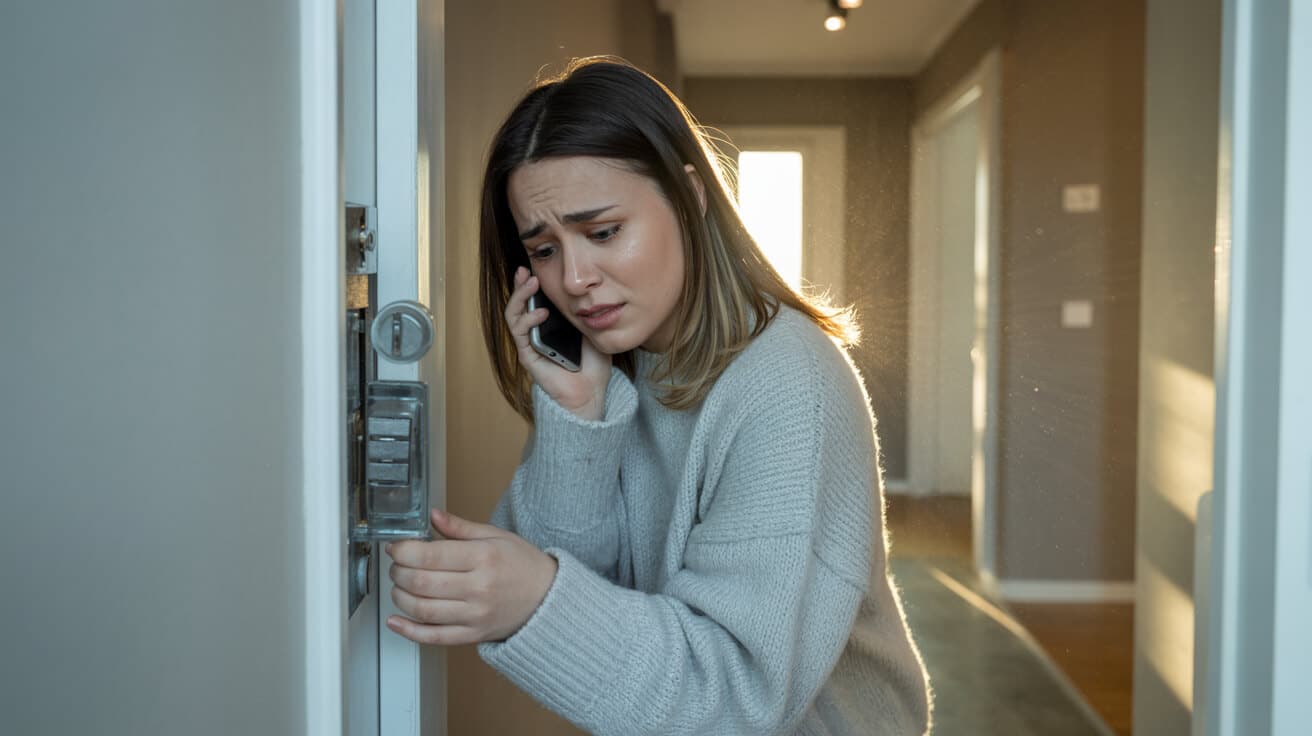
Who Really Has Access to Your New Home?
You might think taking possession of your new home means every key is finally yours. But the reality is, ownership doesn’t equal control unless you know nobody else has a copy. A Rightmove survey found that 74% of British homeowners don’t change their locks after moving in (rightmove.co.uk). That leaves you wide open to untracked keys—held by previous owners, former tenants, estate agents, builders, or even that polite neighbour from years ago.
Security is what you can actually prove, not simply how you feel.
Until you’ve had every lock changed, you’re gambling with your property’s safety and your own peace of mind. If you can’t confidently name everyone with access, neither can your insurer if something goes wrong.
Why Are Spare Keys an Unseen Threat?
With multiple handovers, lost or copied keys are nearly inevitable. There’s no audit trail for old keys. The only honest way to reset your home’s security—swap out every lock, account for every key, and start from scratch.
Own Your Entrances from the Start
You achieve lasting security by limiting who enters your space, not just by closing a door. Taking control of your locks is the difference between wishing for privacy and guaranteeing it—day one, no anxiety, no exceptions.
Are Your Locks Good Enough for London’s Risks?
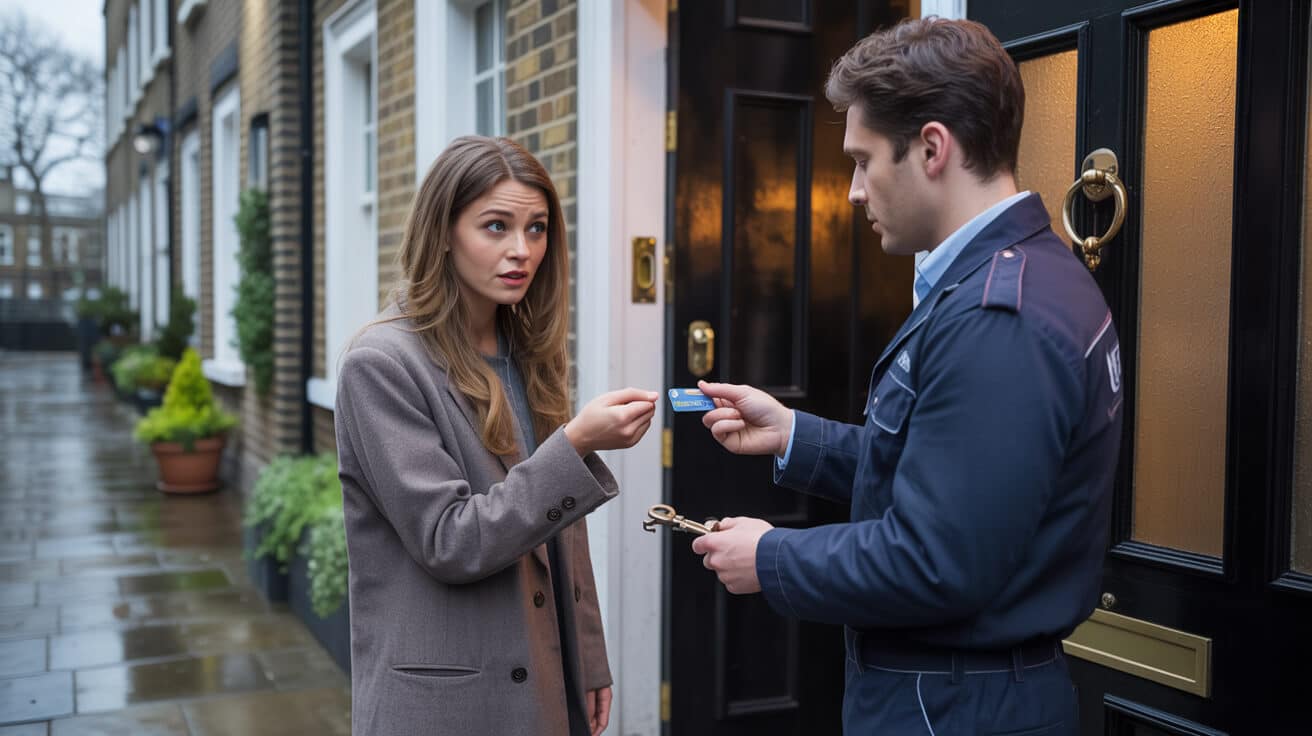
Inheriting a lock from a previous owner doesn’t guarantee protection. Old or uncertified locks flag your home as a soft target, especially in a city like London (ironmongerynow.co.uk). Opportunistic burglars check every detail: outdated, wobbly, or uncertified locks signal easy entry.
The hardware you inherit was never designed to serve you.
When Should You Upgrade a Lock?
- If locks resist or stick when you turn the key
- When there’s no visible BS3621 kite mark
- If you know the hardware is over 10 years old—or you’re unsure when it was last serviced
- If handles or frames feel loose or flex in your hand
Spot even one of these? Address it before you regret it.
Why Lock Replacement Is a No-Brainer
Professional replacement aligns your home with insurance standards, and can save you thousands in the long run compared to the costs of even a single breach.
Are Most Break-Ins Really “Break-Ins”?

Picture a burglar at your window; now, forget it. Data shows 58% of UK burglaries use no force at all—just a leftover, lost, or copied key (security-masters.co.uk). Locks that predate your move-in make life easy for anyone with one of those duplicates.
Burglars don’t ring the bell—they just let themselves in.
Insurers Look for Force—Not Just Loss
If there is no sign of forced entry, claims are often denied outright. Your insurer will expect proof that your locks were upgraded and certified.
Does Lock Compliance Actually Matter or Is It Bureaucracy?

Insurance companies don’t gamble, and they don’t settle for basic hardware. One in four UK home policies requires British Standard “BS3621”-certified locks with evidence of professional fitting (locksmiths.co.uk). Non-compliance, even by accident, risks expensive claim rejection.
Official compliance only matters when you wish you’d done it sooner.
Compliance Protects Your Wallet—And Your Timeline
Demand certificates and paperwork from your locksmith. It’s fast, it’s finite, and it silences future headaches if you ever need to make a claim.
How Many Strangers Have a Spare Key to Your Place?
You’d be shocked how many people can say “I’ve still got a key for my old flat.” Key cutting is quick, cheap, and never tracked (keytek.co.uk). Relying on memory or goodwill isn’t a security system.
Guessing is not a strategy for keeping your home safe.
When to Worry About Extra Keys
Whenever you move in, change locks—even if the seller swears they’ve collected every copy. Surprises aren’t fun when it comes to home security.
Will a Lost or Copied Key Void Your Insurance?

If entry doesn’t show force, or an unreturned or copied key is used, insurance claims can—and do—get denied (security-masters.co.uk). It’s not a technicality; it’s the default.
Don’t Gamble with Your Payout
Change every lock, keep the paperwork, snap photos on your phone, and file them somewhere safe. This isn’t paranoia; it’s diligence.
Do British Standard Kite Marks Actually Protect You?

Absolutely. “BS3621” is the lock standard used by UK police and insurers, proven to resist picking, bumping, and drilling. Visible kite marks are your insurance pass and police backup.
- Sets a clear benchmark for security and claims
- Premises with compliant locks settle claims faster
- Insurers sometimes discount policies for full compliance
Use locks that stand up to scrutiny, not just use.
What Risks Come with Skipping the Lock Change?

You’re on the hook—not just for loss, but for negligence, if bad things happen with a key you could have changed. Missed or undocumented upgrades account for 90% of denied claims (rightmove.co.uk). Some boroughs even demand new locks between tenancies.
Document Your Defence Before You Need It
A paid invoice and receipts attached to each upgraded lock can sidestep future disputes—no stress, no chance of being blamed.
Is DIY Lock Replacement Safe or Costly?
DIY can look like a money saver, but the risk spikes. Two out of five self-installed locks don’t meet insurer standards and fail upon inspection. Save time now, lose tenfold later in damages or uncovered claims.
What saves you a tenner could later cost you your home.
Pros Bring Security—and Legal Proof—in One Visit
Fully qualified and insured locksmiths ensure every lock fits the property, passes inspection, and is certified for insurance. This is not where you want to cut corners or risk liability.
Are Smart Locks Actually Safer?
Tech helps when it’s done right. Smart locks give you granular, remote control—add, revoke, and monitor access from your phone, with no spare keys floating around (yalehome.co.uk). You see every entry in real time.
The Smart Edge: Speed, Audit, and Calm
Leading brands like Yale and Ultion let you:
- Reset or deny access instantly
- View every open and close in an activity log
- Integrate camera footage for real-time alerts
Do Smart Cameras and Video Doorbells Really Deter Intruders?
Actual burglars want no part of a camERA. Prominently placed smart cameras and doorbells make your home less of a target, and provide evidence if anything happens (vivint.com).
24/7 Eyes, Even When You’re Out
From live streams to cloud video backups, these devices help you enjoy your new home without worrying whenever you’re away.
Does Outdoor Lighting Actually Cut Burglary Risk?
Motion-activated lighting works. Well-placed, properly calibrated lights drop break-in attempts, especially on exposed properties. Urban homes with upgraded lighting see statistically fewer burglaries (barratthomes.co.uk).
The best security step is layering—never bet on a silver bullet.
Is Hiding a Key Still Safe?
Hiding a key under a mat or planter is a gift to burglars. Security experts agree: secret stashes are no defence in 2024 (keytek.co.uk). Use a police-approved key safe for true emergencies.
Secret hiding places are just public knowledge for criminals.
Do Professional Lock Checks Uncover Other Risks?
Lock audits find what’s missed inside and out—fire, gas, or electric safety issues. A third of new London residents discover urgent faults after they move in (macj-abuyerschoice.com).
A quick audit now beats a costly disaster or failed claim later.
How Do You Know a Locksmith Is Legitimate?
Don’t guess. Only use fully qualified, insured locksmiths—properly vetted for skill, professionalism, and reliability. A quick database check avoids botched jobs and void policies.
Don’t gamble on your security; gamble on a proven professional.
Are All “High Security” Locks Created Equal?
Nope. Quality smart or mechanical locks labelled “anti-snap,” “anti-pick,” and “anti-drill” are engineered for real-world break-in attempts (security-masters.co.uk). Opportunistic thieves move on when they see modern gear.
A real deterrent doesn’t advertise weakness.
How Fast Can Your Security Catch Up to Your Move-In?
Speed counts. London same-day locksmith services mean you can meet insurance standards and modern security often within hours (security-masters.co.uk). Don’t wait days—or risk days—when you don’t have to.
- Certified hardware and instant documentation
- Security locked in before you unpack
- End-to-end proof for every authority
Are Smart Locks the End of Key Anxiety?
Absolutely. Change access codes, grant or deny entry, and receive notifications instantly from your device (yalehome.co.uk). No more sleepless nights over who may have a spare.
Real control means no more worrying about invisible risks.
Why Do Some Londoners Seem Immune to Break-Ins?
Luck? No—just decisive action. The residents with five-star home security don’t wait for a problem; they sort protection from the first night (trustpilot.com).
Peace of mind is worth more than a discount.
Can You Trust That the Seller Gave Back Every Key?
Good intentions aren’t audit trails. Police and insurers base everything on documentation, not the seller’s word or a handshake (keytek.co.uk).
Does Waiting to Take Action Cost More in the Long Run?
Yes—risk climbs with every delay. Each day you put off lock upgrades, you’re gambling with your property and your wallet. The sooner you act, the lower your real costs—guaranteed.
Putting off protection only compounds what you have to fix later.
What’s the Fastest Path to Moving-Day Security?
Bundle up: book a full service for lock changes, smart device installation, and safety audit in a single appointment. In London, you can secure your new property before the boxes are even empty (security-masters.co.uk).
Can You Get Instant, Insurance-Ready Documentation?
With an accredited locksmith—always. Every instal comes with photos and a signed certificate, accepted by major insurers (security-masters.co.uk).
Legal proof means less pushback if you ever need to make a claim.
Do Landlords and Tenants Need Different Security Steps?
Yes, but the core is the same: act, don’t just hope. Landlords may have legal requirements to change locks between tenancies; tenants should request new keys and clarify their responsibilities before moving in.
Does a “BS3621” Lock Matter for Anything Besides the Label?
Beyond the stamp, BS3621 certification means a police-approved deterrent, fewer insurance disputes, and proof you did your part if anything happens.
Choose compliance now—you’ll thank yourself later.
When Is a New Home Most at Risk?
The period just after moving in—before upgrades—is when burglars strike. London criminals monitor real estate portals and know when you’re most vulnerable (ironmongerynow.co.uk).
How Does a Lock Upgrade Guarantee Immediate Safety?
Up-to-standard, certified locks reset your risk profile instantly. You get measurable peace of mind from the moment the locksmith leaves, and official receipts as permanent backup (trustpilot.com).
Insurance, police, and your family will all sleep better.
What’s the Action Plan for Securing Your New Home?
- Replace every outside lock with a BS3621-approved model
- File receipts and photos for each upgrade
- Add smart locks or security cameras for flexible, remote control
- Use bundled locksmith services for convenience and cost savings
- Choose fully qualified, insured locksmiths, every time
Secure Your New Home with Prime Alert – The London Locksmiths
Time to take action. Prime Alert puts Londoners, property owners, and new movers in control from day one:
- Fully qualified locksmiths for every neighbourhood
- Same-day BS3621-compliant lock upgrades with full documentation
- Seamless smart lock and camera installations
- A five-star rating trusted by 1,000+ Londoners
Start secure. Whether you call, click, or request a callback, Prime Alert will have your property locked down—sometimes before the rest of your stuff even arrives.
Frequently Asked Questions
Why is it essential to change every lock right after moving in?
Switching all locks the moment you move in isn’t just a checklist item—it’s your guarantee that only you control who comes and goes. Previous owners, tenants, tradespeople, or cleaning crews could still have residual keys. Nearly 75% of UK homeowners never update their locks upon moving, which means possession doesn’t equal exclusivity. Insurance providers frequently require proof of lock change for theft claims, and old keys in circulation leave you exposed to silent intrusions. Booking a certified professional like Prime Alert – The London Locksmiths ensures compliant, tamper-evident hardware and a clean access slate from the start.
The best time to own your security is before someone else owns your peace of mind.
What about going digital—do smart locks reduce this risk?
Modern smart locks allow you to instantly set, revoke, or update digital access codes. If configured to meet UK standards (BS EN 1303/TS007), you gain both flexibility and an insured entry point. This technology also supplies programmable logs, helpful for tracking access history or aiding insurers if needed.
Where are hidden vulnerabilities if you don’t replace your locks straight away?
Delaying lock replacement preserves invisible risks—anyone holding an old key can enter unnoticed. Official UK figures show over half of home break-ins involve keys, not forced entry. The mental toll of wondering if strangers could walk in is real, and insurance claims without evidence of forced entry are routinely declined. You’re most secure when you eliminate that uncertainty; immediate lock change gives you true control from the very first night.
How do criminal tactics exploit key-based weaknesses?
Burglars scout for properties known to skip lock replacement, relying on stray keys swapped or sold by contacts. This passive entry reduces detection—and increases your vulnerability. Proactive action disrupts that logic entirely.
What unexpected compliance issues catch new homeowners off guard?
Insurance companies aren’t just picky about policy forms—they require BS3621 or TS007-rated locks on all doors before coverage becomes active. Failure to meet this standard after a break-in—regardless of your claim—often means no payout (source: Which? Home Security Guide 2023). Prime Alert – The London Locksmiths will not only swap out locks but also issue clear documentation and compliance certificates, which your insurer may request if a claim is filed.
Which documents should you keep ready?
Hold onto invoices, fitting certificates, and hardware model details—scan and upload them for quick retrieval. Some insurers offer lower premiums for demonstrable security upgrades, but only if you have proofs ready on demand.
Which specific upgrades most rapidly transform your home’s protection level?
Quick-turn upgrades that make a measurable difference:
- Exchange all perimeter locks for BS3621 or TS007-certified units to meet insurance and police standards
- Instal a video doorbell or smart lock that records every unlock or attempted entry
- Use sash jammers and window locks to block common thief workarounds
- Place motion-sensor floodlighting near entry points for maximum deterrence
- Consider a monitored alarm system for highest-risk properties
These upgrades aren’t just intimidating to would-be intruders. They statistically reduce break-in rates and help verify claims if you ever need to involve insurance investigators.
No home feels welcoming if a stranger can let themselves in.
How do you genuinely control who has keys—or digital codes—to your new place?
True control is proactive. Even the most peaceable seller may forget who once had a copy. Relying on the standard “all keys provided” clause leaves gaps. Key safes approved by local police (Sold Secure standard) provide backup security but are only reliable if all locks are changed first. With smart upgrades, like those fitted by Prime Alert – The London Locksmiths, you can issue, modify, or revoke digital keys instantly—never worrying about lost or duplicated spares again.
What methods should you avoid?
Don’t hide keys outside or rely on subcontractors for lock swap. Always insist on a receipt, certification, and a walkthrough of new features.
Who should you choose to secure your new property without compromising on standards or speed?
Trust a fully qualified, insured locksmith for immediate, standards-compliant service. Prime Alert – The London Locksmiths has earned trust across London for:
- Urgent same-day lock swapping (BS3621/TS007/EN1303-certified)
- Hands-on fitting and demo of smart locks or security tech
- Full compliance paperwork for insurance—sent in digital and print formats
- Security surveys—including windows, garages, and outbuildings
- Ongoing advice for safe key management and urgent entry scenarios
Count on certified professionals, not shortcuts—real confidence comes from knowing your home, keys, and documentation are handled by experts who protect your reputation as fiercely as your doors. Reach out now and claim the security—and status—your new address deserves.